What Siberian Huskies Most Often Die Of
It’s a conversation no Husky owner ever wants to have, but understanding the common health challenges our beloved snow dogs face can help us prepare and provide the best possible care. Losing a Husky is devastating, and knowing what typically leads to their passing can empower us to make informed decisions about their health and safety throughout their lives. This guide will delve into the most common causes of death in Siberian Huskies, from the preventable to the genetic, giving you insight into how you can best safeguard your furry companion.
The Inevitable Farewell: Age-Related Decline and Organ Failure
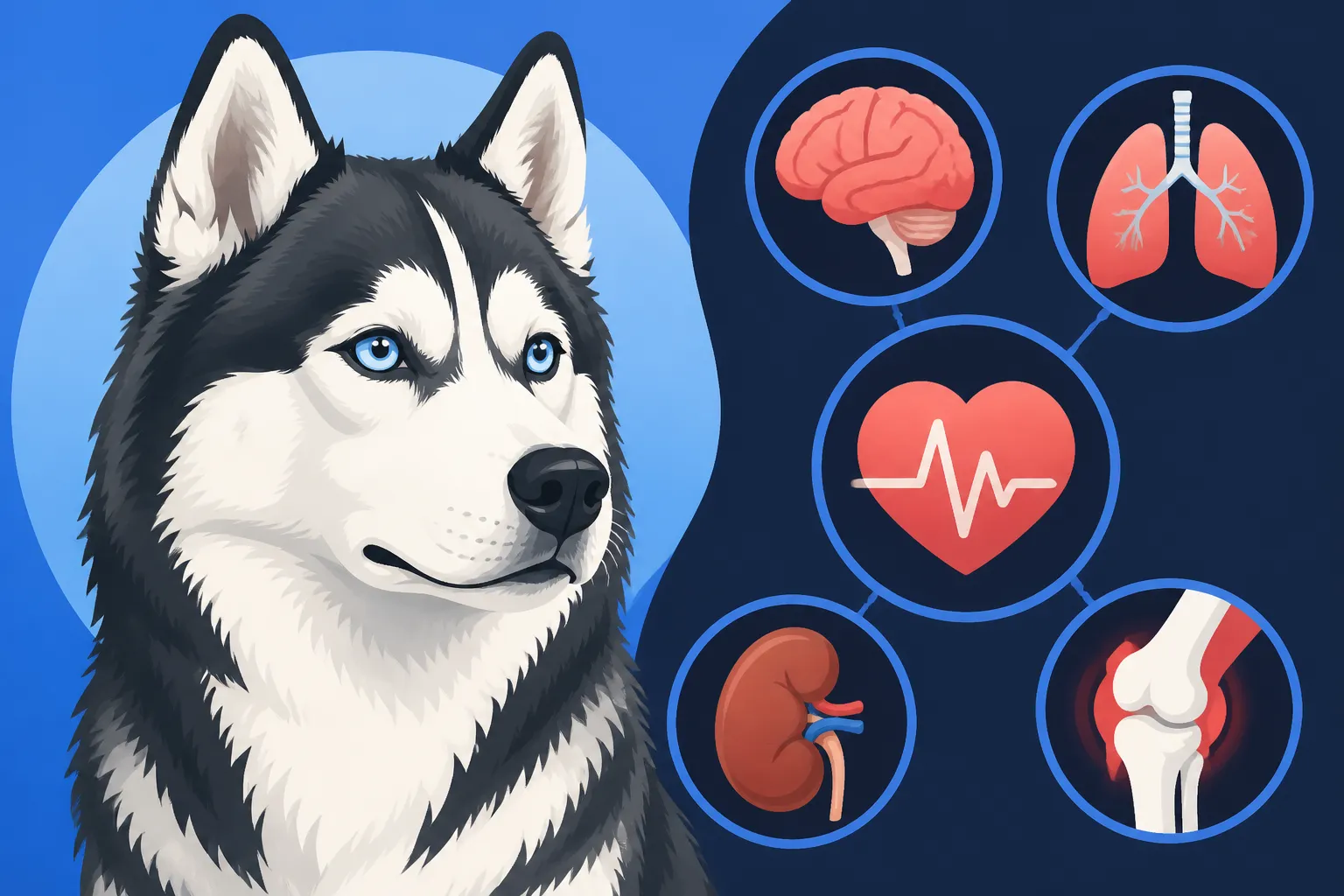
One of the hardest parts of sharing our lives with dogs is acknowledging that their time with us is finite. For many Siberian Huskies, as with most breeds, old age brings with it a host of health challenges that ultimately lead to their passing, whether naturally or through humane euthanasia when their quality of life diminishes. It's not one specific disease, but often a cascade of failing systems that takes its toll.
The Slow Fade: Multi-Systemic Organ Decline
As Huskies age, their vital organs – particularly the kidneys, heart, and liver – gradually become less efficient. This isn't usually a sudden event but a slow decline that can manifest in subtle ways at first. You might notice your once-energetic companion slowing down, drinking more water, or losing a bit of their zest for life. These are often the early indicators that their internal systems are working harder to keep up.
Veterinarians closely monitor key indicators through regular blood work and urinalysis as Huskies enter their senior years. Catching subtle changes in kidney values in an aging Siberian Husky or liver enzymes early can sometimes buy more time, but eventually, these organs reach a point where they can no longer sustain life. It's a heartbreaking reality, and seeing your adventurous Husky struggle with basic functions is incredibly tough. Regular vet check-ups, even when they seem healthy, become crucial in these later stages to track their health trajectory and manage discomfort.
When Mobility Fails: Arthritis and Neurological Issues
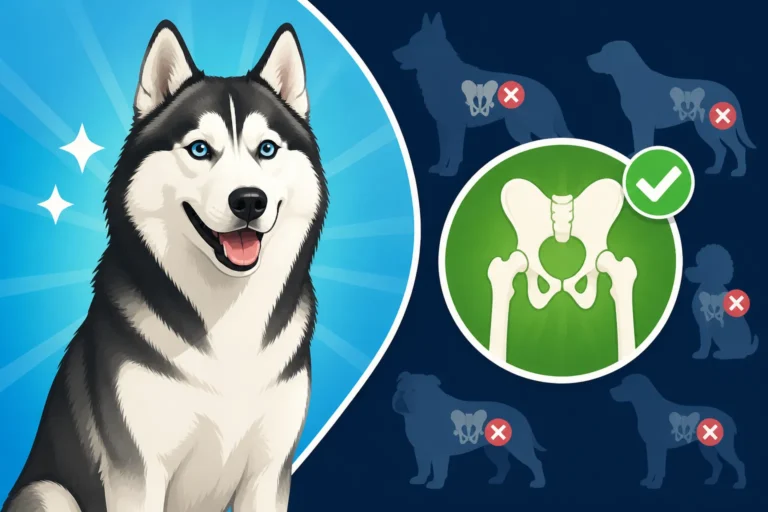
Beyond internal organ function, physical comfort plays a huge role in a senior Husky's quality of life. Many older Huskies develop arthritis, especially in their hips and elbows, which can make simple acts like standing up, climbing stairs, or even just shifting position incredibly painful. While Siberian Husky hips are generally better than many large breeds, age and activity can still lead to degenerative joint disease. This isn't typically a direct cause of death, but the inability to move comfortably can severely impact their well-being, leading owners to make difficult decisions.
Neurological issues, such as degenerative myelopathy (though less common than in some other breeds like German Shepherds) or spinal cord compression, can also rob a Husky of their mobility and coordination. A Husky that once bounded through snow might find themselves struggling to walk, stumbling, or even becoming incontinent. It’s a cruel irony that a breed so defined by its movement can be so profoundly affected by its loss. Managing pain with medication, physical therapy, or even alternative treatments can extend their comfort, but there comes a point where their bodies simply cannot keep up with their spirit.
The Unseen Threat: Cancer
Cancer is a devastating disease that claims the lives of many dogs, and Siberian Huskies are, unfortunately, not immune. It's one of the leading causes of death in older Huskies, often striking unexpectedly and progressing rapidly. The sheer variety of cancers means symptoms can range widely, making early detection a constant challenge.
Common Malignancies in Siberian Huskies
While no breed is entirely safe from cancer, certain types are more frequently seen in the general dog population and, by extension, in Huskies. Lymphoma, a cancer of the lymphatic system, is a common culprit. It can appear as swollen lymph nodes, often felt under the jaw, in the armpits, or behind the knees. Other forms include hemangiosarcoma, an aggressive cancer of blood vessel cells that often affects the spleen, heart, or liver, and osteosarcoma, a painful bone cancer. These can be particularly insidious because they can develop internally with few outward signs until they are quite advanced.
The suddenness with which some cancers can strike is particularly heartbreaking. A Husky might seem perfectly healthy one day, and within weeks, a diagnosis of an aggressive cancer leaves owners with little time or options. Regular physical exams, where your vet can thoroughly palpate your dog, are crucial for trying to catch any abnormalities. Many pet insurance providers, like Healthy Paws, emphasize the importance of early detection and how prompt veterinary care can sometimes improve outcomes, though they often have waiting periods for conditions like cancer.
The Battle for Time: Diagnosis and Treatment Challenges
Diagnosing cancer in a Siberian Husky often involves a multi-step process, including blood tests, X-rays, ultrasounds, and biopsies. Once diagnosed, treatment options can range from surgery to chemotherapy and radiation, depending on the type and stage of cancer. These treatments can be emotionally and financially taxing, and owners often grapple with difficult decisions about quality of life versus aggressive intervention.
The reality is that for many aggressive cancers, even with treatment, the prognosis can be guarded. We often find ourselves in a race against time, trying to give our dogs comfort and extended life, but understanding when to say goodbye is paramount. It’s a testament to the bond we share that we try so hard, even when the odds are stacked against us. The best defense is vigilant observation for any changes in appetite, energy levels, lumps, or unexplained weight loss, and discussing these with your vet without delay.
The Dangers of Adventure: Trauma and Accidents
Siberian Huskies are legendary escape artists, driven by an insatiable curiosity and a powerful prey drive. This innate wanderlust, combined with their incredible athleticism and speed, unfortunately, makes them highly susceptible to trauma and accidents. These are often the most sudden and heartbreaking causes of death, as they can occur in otherwise healthy, young, and vibrant dogs.
The Runaway Risk: Vehicular Accidents
It's a tragic statistic: many Huskies are lost to vehicular accidents after escaping their yards or slipping their leashes. Their strong prey drive means that if they spot a squirrel, rabbit, or even a blowing leaf, their instinct to chase can override any training, no matter how solid. For a Siberian Husky that cannot be trusted off leash, a moment of inattention, a faulty gate latch, or a quick dash through an open door can lead to them darting into traffic.
The heartbreak of losing a Husky this way is profound because it often feels preventable. This is why securing your yard with a proper fence bill a Siberian Husky forces, using a sturdy harness, and being incredibly diligent about door manners are not just suggestions, but absolute necessities for this breed. Even a well-trained Husky can have a momentary lapse of judgment when that chase instinct kicks in. Understanding why an escaped Siberian Husky is a health risk goes beyond just traffic; it opens them up to a myriad of dangers.
Fatal Encounters: Wildlife, Other Dogs, and Toxins
Beyond traffic, a loose Husky faces other perilous encounters. Their strong prey drive means they might tangle with local wildlife, from raccoons and opossums to deer, coyotes, or even bears, depending on your location. Such encounters can result in severe injuries, infections, or even death. Similarly, encounters with aggressive stray dogs or even other pets if they wander into someone else's yard can turn deadly very quickly.
Then there's the danger of ingestion. Huskies are curious and notorious for eating things they shouldn't. This can include anything from toxic plants in a neighbor's yard to discarded human food, antifreeze spills, rat poison, or even foreign objects like toys or rocks. An ingested foreign object can cause blockages that require emergency surgery, and if not caught in time, can be fatal. Being aware of these environmental hazards and ensuring your Husky is always supervised or securely contained is literally a matter of life and death.
Unexpected Health Crises: Sudden Organ Failure and Genetic Conditions
While age-related decline is a gradual process, sometimes seemingly healthy Huskies can suffer from sudden organ failure or complications from genetic conditions. These events can be particularly shocking because they come with little to no warning, often requiring immediate, critical veterinary intervention.
The Silent Killer: Acute Kidney Failure
While chronic kidney disease is common in older dogs, acute kidney failure can strike suddenly at any age. It can be caused by exposure to toxins (like antifreeze or certain medications), severe infections, or underlying genetic predispositions. Symptoms can include sudden lethargy, vomiting, loss of appetite, and changes in urination. Because Huskies are so stoic, these signs might be subtle until the condition is advanced.
When acute kidney failure occurs, it's a veterinary emergency. Aggressive fluid therapy and supportive care might save the dog, but the prognosis is often guarded, and irreversible damage can occur quickly. Keeping a close eye on your Husky's hydration and being aware of their typical energy levels can help you spot these critical changes faster. Prompt action can sometimes make all the difference, but sadly, for some, the damage is too severe too fast.
Heartfelt Concerns: Cardiomyopathy and Congenital Defects
Though not as prevalent as in some larger breeds, Siberian Huskies can still develop heart conditions that can lead to sudden, fatal events. Dilated cardiomyopathy (DCM), where the heart muscle becomes thin and weak, reducing its ability to pump blood, can be present in some lines. While often gradual, it can lead to sudden collapse or death. Congenital heart defects, structural abnormalities present from birth, are another concern, though often identified earlier in life during puppy check-ups.
A Husky with an undiagnosed heart condition might show no outward signs until a crisis occurs. Sometimes, a general veterinarian might pick up a heart murmur during a routine check-up, leading to further investigation by a veterinary cardiologist. This is another area where a comprehensive pet insurance plan, like those offered by Healthy Paws, can be incredibly beneficial, helping cover the often-high costs associated with specialized diagnostics and ongoing cardiac medications, should your Husky be diagnosed with such a condition before policy enrollment.
| Common Cause of Death | Average Age of Onset (Approx.) | Primary Contributing Factors | Prevention/Mitigation Strategies |
|---|---|---|---|
| Age-Related Organ Failure | 10-14+ years | Natural aging process, wear and tear on organs | Regular senior vet check-ups, early detection of disease, supportive care |
| Cancer | 8-12+ years | Genetic predisposition, environmental factors, age | Regular vet exams, prompt investigation of lumps/changes, healthy lifestyle |
| Trauma/Accidents (e.g., Car) | Any age, often younger/mid | Escape artistry, high prey drive, lack of secure containment | Secure fencing, reliable leash/harness, supervision, training, microchip/GPS tracker for Siberian Husky Deaths From Trauma and Escape |
| Acute Organ Failure | Any age | Toxin ingestion, severe infection, genetic anomalies | Environmental hazard control, routine vaccinations, vigilant observation |
| Infectious Disease | Puppies/Young adults, any unvaccinated | Exposure to pathogens, weak immune system | Adherence to Vaccinating a Siberian Husky Puppy on Schedule, parasite prevention, hygiene |
The Role of Lifestyle and Preventative Care
While some causes of death are beyond our control, a significant portion of a Siberian Husky’s health and longevity is directly influenced by the care we provide throughout their lives. This isn't just about reacting to problems, but actively working to prevent them.
Nurturing Lifelong Health: Nutrition and Exercise
A balanced, high-quality diet is fundamental to a Husky’s health from puppyhood through their senior years. While Huskies are known for their efficient metabolisms and can thrive on less food than you might expect, getting the right nutrients is vital. Avoid overfeeding, as maintaining a healthy Siberian Husky weight and joint health is critical to preventing conditions like arthritis and reducing strain on internal organs as they age.
Equally important is consistent, appropriate exercise. These dogs are athletes, bred to run and pull, and a sedentary lifestyle can lead to obesity, muscle atrophy, and behavioral issues that often contribute to escape attempts. Regular, vigorous exercise, whether it's running, hiking, or even sledding if you're inclined, keeps their bodies strong and their minds stimulated. This active lifestyle is one of the reasons Why Siberian Huskies Outlive Most Medium Breeds, as it keeps their cardiovascular system robust.
Vigilance and Early Intervention: The Vet's Role
Routine veterinary care is not just about vaccinations; it's about early detection and intervention. Regular check-ups allow your vet to catch subtle changes, conduct necessary health testing before you buy a Siberian Husky, and establish a baseline for your dog's health. For instance, What changes in a Siberian Husky after nine can be significant, and your vet can guide you through these transitions. Blood panels, urinalysis, and thorough physical exams become increasingly important as your Husky ages, allowing for proactive management of conditions like kidney disease or thyroid issues.
Don't underestimate the power of your own observation. You spend the most time with your Husky and are best positioned to notice subtle shifts in behavior, appetite, or energy levels. A sudden reluctance to jump, a persistent cough, or changes in drinking habits might seem minor, but they can be crucial clues to an underlying problem. Timely vet visits when you spot something unusual can make a huge difference in prognosis and outcome. Having pet insurance like Healthy Paws can alleviate the financial stress of unexpected vet bills, encouraging prompt and thorough medical care.
Addressing Breed-Specific Health Concerns
While Huskies are generally a robust breed, there are a few health issues that are more prevalent in them or require specific attention, which, if left unmanaged, could contribute to a shortened lifespan or diminished quality of life.
Eye Health: Beyond Just Blue Eyes
Siberian Huskies are famous for their stunning blue eyes, but they are also prone to several eye conditions. While issues like Juvenile Cataracts in the Siberian Husky or Progressive Retinal Atrophy in Siberian Huskies may not directly cause death, severe vision impairment or blindness can increase the risk of accidents and significantly impact a Husky's quality of life. Conditions like Glaucoma as a Siberian Husky Emergency, however, can cause excruciating pain and permanent blindness very quickly if not treated immediately, potentially leading to other complications if the dog's overall health declines.
Regular eye examinations by a veterinary ophthalmologist are highly recommended for this breed. This is Why Siberian Huskies Need Their Eyes Checked Yearly is such a critical piece of advice. These exams can detect conditions early, allowing for management strategies to be put in place, whether it's medication, lifestyle adjustments, or, in some cases, surgery. Healthy Paws and similar insurance plans often cover specialist visits, which is a major relief for owners facing complex eye care needs.
Metabolic Challenges: Zinc-Responsive Dermatosis and Thyroid Issues
Siberian Huskies have a unique metabolism that sometimes makes them struggle with zinc absorption, leading to a condition called Zinc-Responsive Dermatosis in the Siberian Husky. While not typically fatal on its own, severe, untreated cases can lead to secondary skin infections, generalized malaise, and impact overall health, making the dog more susceptible to other illnesses. Understanding Why Siberian Huskies Absorb Zinc Poorly is key to managing this chronic condition with appropriate supplementation.
Another, though less common direct cause of death, is severe, untreated hypothyroidism. While Siberian Husky Thyroid and Autoimmune Disease is often manageable with daily medication, undiagnosed or unmanaged cases can lead to lethargy, weight gain, poor coat quality, and in severe cases, can contribute to other organ system issues or metabolic crises. Regular thyroid testing, especially if your Husky shows signs of low energy or unexplained weight gain, is important.
Conclusion: A Lifespan of Love and Vigilance
Ultimately, the Siberian Husky Lifespan and What Shortens It is a complex tapestry woven from genetics, environment, and the dedicated care we provide. While we cannot prevent every illness or accident, understanding the most common causes of death in Siberian Huskies empowers us to be better advocates for our dogs. From securing your yard against their escape artistry, to providing a quality diet and exercise, to consistent veterinary care from puppyhood through Caring for a Siberian Husky Past Ten, every effort we make contributes to their health and well-being. The deep bond we share with these magnificent dogs makes every moment precious, and striving to give them the longest, healthiest life possible is the greatest gift we can offer in return for their boundless love and companionship.
Disclaimer
This article is intended for informational purposes only and does not constitute veterinary advice. Always consult with a qualified veterinarian for any health concerns or before making any decisions about your pet's health or treatment.