Feeding a Siberian Husky Puppy Month by Month
You've just welcomed that fluffy, mischievous little bundle of joy into your home, and already you're probably wondering about one of the most fundamental questions: "Am I feeding them enough? Too much? What exactly do these guidelines mean for my unique, energetic Siberian Husky puppy?" It's a common worry, and those generic feeding charts on dog food bags often don't quite capture the specific needs of a breed like ours. This guide will walk you through the nuances of feeding your Siberian Husky puppy, breaking it down month by month, to ensure they grow up healthy and strong, without the common pitfalls many new Husky owners encounter.
The First Weeks: Bringing Your Puppy Home (8-12 Weeks)
Bringing a new puppy home is an exciting whirlwind of new smells, sounds, and endless snuggles. Among all the chaos, establishing a solid feeding routine is paramount. These first few weeks are crucial for growth and development, and consistency is key.
Continuing the Breeder's Diet: A Smooth Transition
One of the most important things you can do in those initial days is to stick with the food your puppy was eating at the breeder's or rescue. Their little digestive systems are already under stress from the move, new environment, and separation from their littermates. Changing their food abruptly can lead to an upset stomach, diarrhea, and even a general aversion to eating, which is the last thing you want when they need every calorie for growth.
Imagine you're moving to a new country; everything is different. The last thing you'd want is a completely unfamiliar diet on top of it all. Your puppy feels similarly. A good breeder will send you home with a small supply of their current food, often enough for a week or two. This is your lifeline! If you plan to switch to a different brand, that initial supply buys you time to transition them slowly and gently. It's also a great indicator that the breeder cares about the puppy's well-being and is familiar with What a Siberian Husky Breeder Should Hand Over when their puppies go to new homes.
Transitioning Food: Slow and Steady Wins the Race
Once your puppy has settled in for a few days, usually after about 3-5 days, you can begin the transition to your chosen puppy food. This process should be gradual, typically over 7-10 days, sometimes even longer for sensitive pups. The idea is to slowly introduce more of the new food while reducing the old food.
Here's a common schedule:
- Days 1-3: 75% old food, 25% new food
- Days 4-6: 50% old food, 50% new food
- Days 7-9: 25% old food, 75% new food
- Day 10 onwards: 100% new food
Watch your puppy closely for any signs of digestive upset like loose stools, vomiting, or a lack of appetite. If you see any of these, slow down the transition or even revert to a previous step for a few extra days. Remember, puppy tummies are delicate, and a little patience now can save you a lot of clean-up later. When choosing a new food, look for high-quality, reputable brands. Websites like Chewy offer a vast selection, allowing you to compare ingredients and read reviews before making a choice.
Feeding Schedule and Portion Control for Tiny Pups
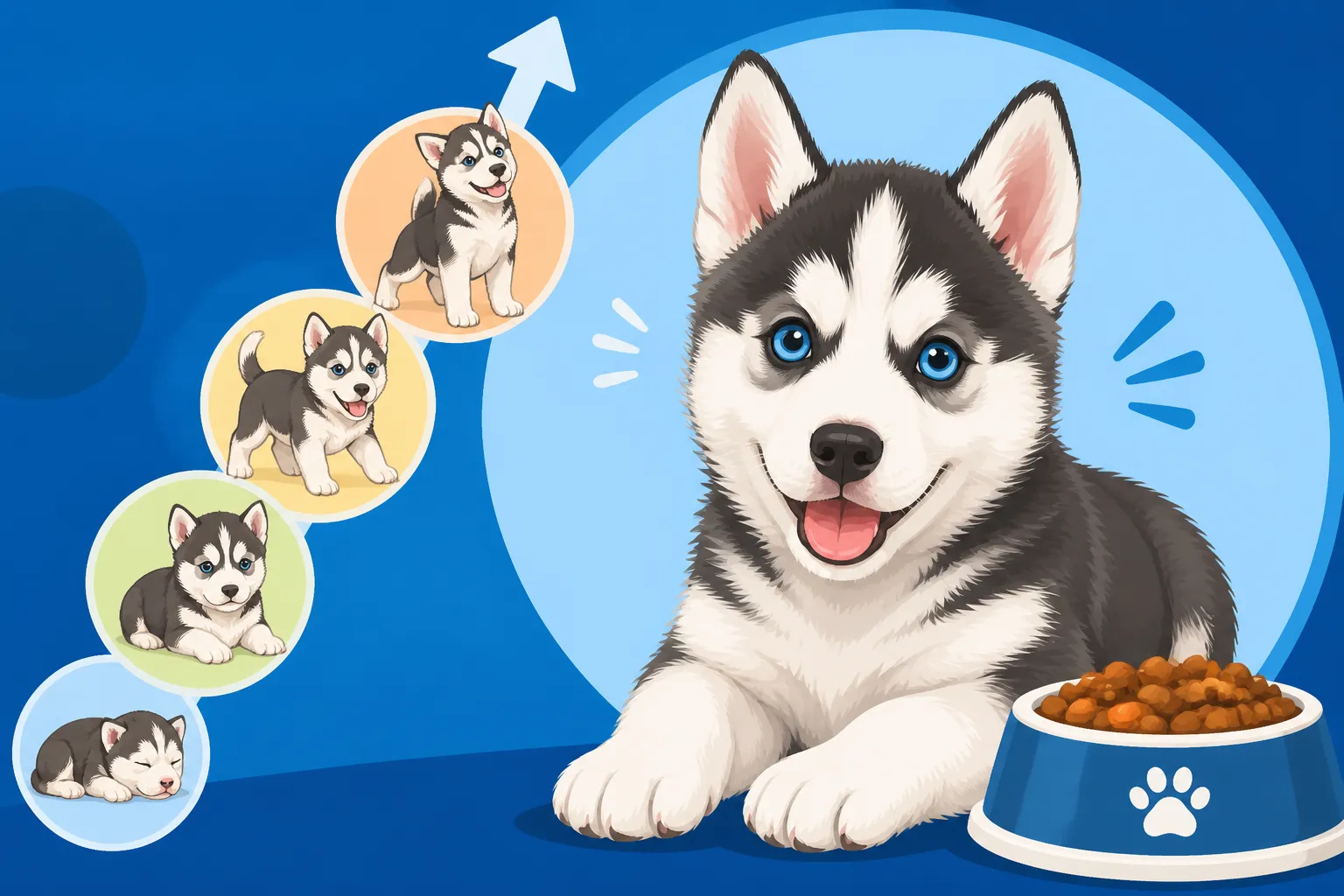
Siberian Husky puppies, like most young pups, need to eat multiple times a day to maintain their energy levels and support rapid growth. In the 8-12 week age range, three to four meals a day is ideal. This frequent feeding helps keep their blood sugar stable and prevents them from getting overly hungry, which can sometimes lead to gulping food too quickly.
Portion control is critical, especially with Huskies, who have a notoriously efficient metabolism. The feeding guidelines on the bag are just that—guidelines. They're often calculated for an "average" dog and can frequently overstate the needs of a Siberian Husky. Start with the lower end of the recommended range for their age and weight, and adjust based on their body condition and energy levels. You should be able to feel their ribs easily, but not see them prominently. For a deeper dive into feeding frequency, you might want to read How Often a Siberian Husky Puppy Eats. Regular, scheduled meals also help establish a potty training routine, as puppies often need to go shortly after eating.
Navigating Growth Spurts: The Adolescent Months (3-6 Months)
As your Siberian Husky puppy transitions from a tiny fluff ball to a gangly, energetic adolescent, their nutritional needs will shift. This period is marked by rapid growth spurts and increasing energy demands, but it's also a time when owners can accidentally overfeed.
Monitoring Weight and Energy Levels
Between three and six months, your Husky puppy will likely experience significant growth. They'll gain height and length, and their coordination might seem a bit clumsy as their body changes. It's crucial during this time to monitor their weight and overall energy levels carefully. You want healthy growth, not rapid fat accumulation. A puppy that looks chunky isn't necessarily a healthy one; excessive weight can put unnecessary strain on their developing joints and growth plates.
Pay attention to their ribs—you should still be able to feel them easily beneath a thin layer of muscle and skin, without having to press hard. From above, they should have a discernible waist. Their energy levels should be robust and consistent, without extreme peaks and valleys beyond normal puppy zoomies and nap times. If your puppy seems lethargic, or conversely, excessively hyper even after adequate exercise, it might be worth discussing their diet with your veterinarian.
Adjusting Portions for Rapid Growth
While your puppy is growing quickly, it doesn't always mean a proportional increase in food. Siberian Huskies are known for their efficient metabolisms, meaning they often require less food per pound of body weight compared to other breeds of similar size. This can be counter-intuitive for new owners who see their puppy constantly on the go.
Instead of strictly following the bag's increasing recommendations, observe your puppy. Are they maintaining good body condition? Are they leaving food in the bowl? Are they still eager for meals? If they are starting to look a little too lean (ribs easily visible without feeling), you can slightly increase their portion. If they're gaining weight too quickly, or leaving food, it's time to slightly decrease. It's a delicate balance, and remember, slow growth is often healthier growth for preventing issues like Protecting a Siberian Husky Puppy's Growth Plates. Many owners find that once their Husky hits this age, two meals a day is perfectly sufficient, though some still prefer three smaller meals.
The Importance of Controlled Exercise for Growing Bones
Proper nutrition goes hand-in-hand with appropriate exercise during these critical growth months. While your Husky puppy has boundless energy, over-exercising them on hard surfaces or engaging in repetitive, high-impact activities (like long runs or extensive jumping) can be detrimental to their developing bones and joints.
Controlled exercise means things like short, frequent walks on soft surfaces (grass, dirt trails), supervised playtime in a securely fenced yard, and mental enrichment games. The general rule of thumb is about five minutes of formal exercise per month of age, twice a day. So, a four-month-old puppy might get two 20-minute walks a day. This allows their body to grow at a natural pace, supported by proper nutrition, without undue stress. For a deeper understanding of healthy weight, consider reading The Weight a Siberian Husky Should Hold.
Approaching Maturity: Tapering Off Puppy Food (6-12 Months)
As your Siberian Husky puppy rounds the corner towards their first birthday, they'll begin to look less like a puppy and more like a miniature adult. This is the period when many owners start thinking about transitioning them from puppy food to an adult formula.
When to Switch to Adult Food
Most Siberian Huskies can transition from puppy food to a high-quality adult dog food formula around 9-12 months of age. Some larger breeds might stay on puppy food longer, but given the Husky's moderate size and efficient metabolism, holding off until 9 months or slightly beyond is generally a good rule of thumb. The key here is to observe their growth rate. If their rapid growth spurts have tapered off and they're filling out rather than shooting up, they're likely ready.
Puppy foods are typically higher in calories, protein, and certain nutrients to support intense growth. Continuing to feed these calorie-dense foods for too long can lead to unnecessary weight gain in an adolescent Husky whose growth has slowed. Again, the transition should be gradual, using the same 7-10 day mixing method as when you first brought them home. For a detailed discussion on this milestone, check out The Age a Siberian Husky Moves to Adult Food.
Choosing the Right Adult Formula
When selecting an adult food, look for formulas designed for medium to large breeds with moderate protein and fat content. Avoid foods that are excessively high in calories unless your Husky is a working dog with very high energy demands, which isn't typically the case for most companion Huskies. As a general rule, a quality adult dog food should list a meat source (like chicken, beef, or salmon) as the first ingredient.
You'll also want to consider your Husky's individual sensitivities. Some Huskies do well on grain-inclusive diets, while others might thrive on grain-free (though this should be discussed with your vet, as grain-free diets have some ongoing discussions regarding cardiac health). Brands like Ollie, which offer fresh, human-grade food, can be an appealing option for some owners, but always ensure any such diet is nutritionally balanced for dogs and consult with your veterinarian. Regardless of the brand, ensuring it's a complete and balanced diet is the most crucial factor.
Maintaining a Healthy Weight into Adulthood
The habits you establish during your Husky's puppyhood will largely dictate their health as an adult. By 12 months, your Husky should be nearing their adult height and weight, though they may continue to fill out muscle mass for another year or so. Maintaining a lean body condition is critical for their long-term joint health and overall well-being.
Continue to regularly assess their body condition. You should still be able to feel their ribs without seeing them, and they should have an hourglass figure when viewed from above. If they start to look rounder or if their waist disappears, it's a clear sign that calories need to be reduced, or exercise increased, or both. Remember that Huskies are active dogs, but they are not prone to being overweight if fed appropriately for their metabolism. A healthy weight supports a long and active life.
Understanding the Husky Metabolism: Why Less is Often More
One of the biggest surprises for new Siberian Husky owners is often how little these incredibly active dogs actually eat compared to other breeds of similar size. Their unique metabolism is a marvel of evolutionary efficiency.
Why Huskies Eat Less Than You'd Think
Siberian Huskies were bred in extremely harsh conditions by the Chukchi people, where food resources were not always plentiful. This environment naturally selected for dogs with incredibly efficient metabolisms—dogs that could run all day on minimal calories. This isn't a myth; it's deeply ingrained in their genetic makeup. So, while your neighbor's Labrador might be eating four cups of food a day, your Husky might thrive on half that amount, even with similar activity levels.
This efficiency means that overfeeding a Siberian Husky is incredibly easy to do, and it can lead to problems like rapid growth (which stresses joints) and obesity, even in active dogs. It's often where the frustration comes in, as owners assume their dog needs more because they're so energetic. However, their energy comes from their genetics and efficient calorie processing, not necessarily from a massive food intake. If you've ever wondered Why a Siberian Husky Eats Less Than a Labrador, this is why!
The Role of Fat and Protein in Their Diet
Given their history as endurance athletes, Siberian Huskies benefit from a diet that emphasizes good quality protein and healthy fats. Protein is essential for muscle development and repair, which is especially important for growing puppies and active adults. Healthy fats provide a concentrated source of energy, which their efficient bodies utilize effectively.
While carbohydrates provide quick energy, too many can contribute to weight gain if not burned off immediately. Look for puppy foods that list high-quality animal protein as the first ingredient and have a moderate fat content. Always choose a reputable brand that clearly states its nutritional analysis. Some owners explore fresh food diets, like those offered by Ollie, which can also be a good fit, but always ensure they are balanced for puppies.
Recognizing a Healthy Weight in a Husky Puppy
Visual and tactile assessment is your best friend when determining if your Husky puppy is at a healthy weight. Forget the numbers on the scale as the sole indicator; what matters is their body condition.
Here's a quick guide:
- Ribs: You should be able to easily feel their ribs when you run your hands along their sides, much like feeling the back of your hand. You shouldn't see them protruding, nor should you have to press hard to locate them.
- Waist: From above, your puppy should have a visible waistline, narrowing slightly behind their ribs.
- Abdominal Tuck: From the side, their belly should tuck up slightly from their chest to their hind legs, not hang low or appear distended.
If your puppy is too lean, you might see their ribs, hip bones, or vertebrae easily. If they're too heavy, you won't be able to feel their ribs without effort, and they'll look more rectangular or barrel-shaped. Adjusting food intake is a continuous process as they grow, and it's always better for a Husky puppy to be a little lean than a little overweight. Many owners panic if their husky doesn't finish its food, but as we discussed in A Siberian Husky That Leaves Food in the Bowl, it's quite common for them to self-regulate.
Supplements and Special Considerations for Growing Huskies
While a high-quality puppy food should provide all the necessary nutrients, there are a few specific areas where Siberian Huskies can sometimes have unique needs or where owners might consider supplementation under veterinary guidance.
When Zinc Might Be Necessary
Siberian Huskies are genetically predisposed to a condition called zinc-responsive dermatosis, where their bodies have difficulty absorbing and utilizing zinc from their diet, even if the food contains adequate amounts. While this condition typically manifests in adulthood, ensuring your growing puppy has sufficient zinc is important for overall health.
Symptoms can include crusting, scaling, and hair loss, often around the eyes, muzzle, and pressure points. If you notice any skin issues, especially crusting around the face, it's crucial to consult your veterinarian. They can diagnose the condition and recommend appropriate zinc supplementation. It’s not something to self-diagnose or treat, as too much zinc can also be harmful. While some owners worry about Zinc Supplement Costs for a Siberian Husky, the relief for your pup is well worth it.
Joint Support: Fact vs. Fiction for Puppies
You'll see many joint supplements marketed for puppies, especially large breeds. For Siberian Huskies, whose hip dysplasia rates are relatively low compared to many other breeds, routine joint supplementation in a healthy puppy is often unnecessary if they are on a balanced, high-quality diet.
The best "joint support" you can provide for your growing Husky puppy is maintaining a lean body condition and ensuring appropriate, controlled exercise to protect their developing growth plates. Excessive weight and high-impact activities are far more damaging than any perceived dietary lack in a quality puppy food. If your vet identifies a specific joint issue, then targeted supplementation might be recommended, but for a healthy puppy, focus on balanced nutrition and mindful exercise. Whether Siberian Husky Puppies Count as a Large Breed is an important question here, as many joint supplements are marketed towards "large breed puppies."
Hydration and Water Intake
Siberian Huskies are known for their ability to thrive in cold climates, and while they might not appear to drink as much as some other breeds, adequate hydration is vital for puppies. Growing bodies, especially active ones, need plenty of fresh water.
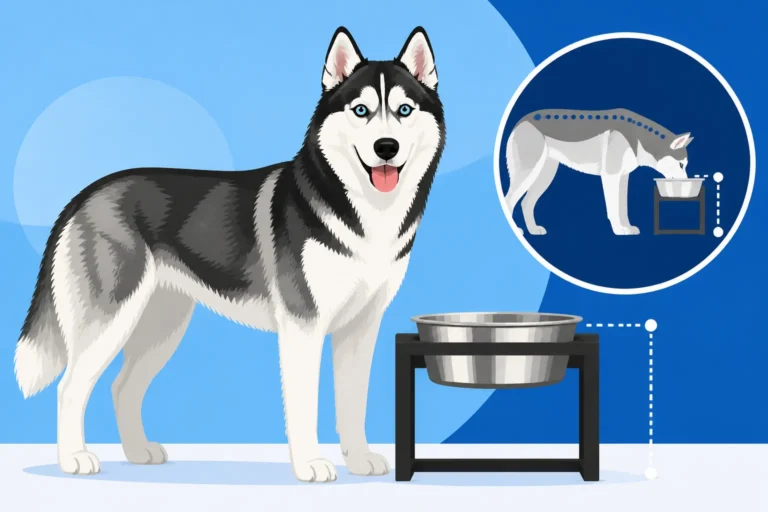
Always ensure your puppy has access to clean, fresh water. Offer it frequently, especially after play sessions or meals. A good way to encourage water intake is to have multiple water bowls around the house and yard. If your puppy seems to be drinking excessively or not enough, it's worth a call to your vet, as both can be indicators of underlying health issues. Some owners find that adding a little water to their kibble at meal times can also help with hydration and slow down eating. Products like water fountains or even just heavier, non-tip bowls available on Amazon can encourage drinking and prevent spills.
Common Feeding Mistakes and How to Avoid Them
Even with the best intentions, it's easy to fall into common feeding traps with a Siberian Husky puppy. Their unique characteristics can sometimes lead owners astray if they're not aware of potential pitfalls.
Overfeeding and Rapid Growth Risks
The most common mistake with Siberian Husky puppies is overfeeding. We've talked about their efficient metabolism, but it bears repeating: those guidelines on the bag are often too much for a Husky. Overfeeding leads to rapid growth, where a puppy gains weight too quickly, putting undue stress on their developing bones and joints. This can predispose them to orthopedic problems later in life, even if they're not genetically prone.
Instead of strictly adhering to the bag, let your puppy's body condition be your guide. If you can't easily feel their ribs, or if they look round rather than lean, cut back on their food. It takes courage to feed less than recommended, especially when you think you're "starving" your energetic puppy, but for a Husky, it's often the healthier choice. Monitor their growth closely and adjust meal portions little by little, rather than making drastic changes.
Ignoring Hunger Strikes (The Husky Way)
Siberian Huskies are notoriously picky eaters and often self-regulate their food intake. It's not uncommon for a Husky puppy to "skip" a meal or two, or simply walk away from a full bowl of food. For new owners, this can be incredibly alarming. We're often conditioned to believe that a dog should always devour their food with gusto.
However, for a Husky, a "hunger strike" often simply means they're not hungry right then. It rarely indicates an illness unless accompanied by other symptoms like lethargy, vomiting, or diarrhea. Don't panic and immediately offer tempting human food or switch brands. Instead, pick up the uneaten food after 15-20 minutes and offer it again at the next scheduled mealtime. They'll eat when they're truly hungry. Continuously catering to pickiness by offering new foods or toppings can create a truly finicky eater. This behavior is so typical that there's even a saying among Husky owners: "If a Husky isn't eating, it's just a Husky. If a Husky isn't eating and looks sick, then it's actually sick." This is a key point we cover in A Siberian Husky That Leaves Food in the Bowl.
Treats and Training: Keeping Calories in Check
Siberian Husky puppies are intelligent but can be notoriously independent, making training a consistent effort. Treats are an invaluable tool for positive reinforcement, but they also contribute to your puppy's daily caloric intake. It's easy to inadvertently overfeed through treats, especially during intensive training periods.
Choose small, low-calorie treats for training sessions. Break larger treats into tiny pieces. Remember that even a few seemingly insignificant treats throughout the day can add up quickly. Consider using a portion of their regular kibble as training treats, especially if they are highly food motivated. When considering their overall diet, factor in all the calories your puppy consumes, not just what's in their bowl. Websites like Chewy and Amazon offer a variety of healthy, low-calorie training treats, or you can even use small pieces of cooked chicken or vegetables (always research safe human foods for dogs). For more insights on managing this, take a look at Treat Spending Through Siberian Husky Training.
| Age Range | Feeding Frequency | Portion Adjustment (General) | Exercise Guidance | Key Considerations |
|---|---|---|---|---|
| 8-12 Weeks | 3-4 meals/day | Start low, follow breeder's advice, observe body condition | Short, frequent walks; supervised play (5 mins/month of age) | Stick to breeder's food initially, slow transitions, potty training |
| 3-6 Months | 2-3 meals/day | Adjust for growth spurts, prioritize lean growth | Gradually increase walk duration, avoid high-impact activities | Monitor for rapid weight gain, self-regulation of appetite, protect growth plates |
| 6-9 Months | 2 meals/day | Maintain lean body condition, slight adjustments as growth slows | Longer walks, introduce gentle harness work (if appropriate) | Preparation for adult food transition, continued body condition checks |
| 9-12 Months | 2 meals/day | Transition to adult food, focus on maintaining adult weight | Regular exercise for muscle development, monitor joint health | Finalizing adult diet, cementing healthy eating habits, avoiding overfeeding |
Disclaimer
This article is for general informational purposes only and does not constitute professional advice. Laws, prices and regulations vary by location and change over time. Consult a qualified professional for guidance on your specific situation.