Water Intake for a Siberian Husky After Running
It's a common scene: you've just wrapped up a fantastic run with your Siberian Husky, their ears are flopping, their tail is wagging, and they're looking at you with that typical Husky enthusiasm, ready for whatever's next. But then the big question hits you—how much water should they actually drink right now? It's easy to worry about them gulping too fast, or not drinking enough, especially after a good workout. This guide is here to walk you through the nuances of proper water intake for your active Siberian Husky after a run, ensuring they stay happy, healthy, and perfectly hydrated.
Understanding Your Husky's Hydration Needs During and After Exercise
Siberian Huskies are incredible athletes, built for endurance, and their bodies are finely tuned machines. However, these unique physiological traits also mean their hydration needs can differ from other breeds. It’s not just about offering a bowl of water; it’s about understanding when, how much, and how to offer it to support their specific needs.
The Husky's Unique Metabolism and Exercise Output
Unlike many dog breeds bred for short bursts of speed, Siberian Huskies were developed by the Chukchi people for sustained, long-distance pulling in harsh, cold environments. This heritage has endowed them with an incredibly efficient metabolism. They are masters at conserving energy and burning fat, which means they often don't "look" as exhausted or pant as heavily as other dogs might after a comparable amount of exercise. This efficiency extends to their water use, making it sometimes tricky to gauge their true thirst.
Because their bodies are designed to work for hours on end, their approach to hydration is also geared towards steady maintenance rather than sudden repletion. They might not immediately chug an entire bowl of water the moment a run ends, which can sometimes lead owners to think they aren't thirsty. However, this controlled approach is often a natural part of their physiology, preventing rapid intake that could lead to discomfort or even issues like bloat. We need to respect this inherent pacing while still ensuring ample opportunities to rehydrate.
Their thick double coat, while an amazing insulator in cold weather, also means they rely heavily on panting to cool down when working hard, especially in warmer temperatures. This panting leads to significant water loss through evaporation. So, while they might seem stoic and unaffected by a long run, their internal systems are working overtime to regulate temperature, and water is a critical component of that process. Providing the right hydration support helps their bodies recover efficiently and prevents overheating.
Recognizing Signs of Dehydration in an Active Husky
It’s easy to assume your Husky is fine because they’re still bouncing around, but dehydration can be subtle, especially in breeds known for their stoicism. After an intense run, it's crucial to know what to look for. One of the first places to check is their gums: well-hydrated gums are moist and slick. If they feel sticky or dry to the touch, that's a red flag. You can also press your finger on their gum line; the pink color should return almost instantly. If it takes longer than two seconds, their capillary refill time is delayed, indicating dehydration.
Another tell-tale sign is skin elasticity. Gently pinch a fold of skin on their neck or between their shoulder blades. In a well-hydrated dog, it should snap back into place immediately. If it takes a moment to flatten out, or "tents," your Husky is likely dehydrated. More severe signs include sunken eyes, a dry nose, lethargy, or a decrease in urine output. While a little tiredness after a big run is normal, actual lethargy or a lack of interest in their surroundings, combined with dry gums, is a serious concern that warrants immediate attention.
Understanding these signs is vital because severe dehydration can quickly escalate into a medical emergency. Electrolyte imbalances, kidney strain, and even organ damage can occur if a Husky becomes severely dehydrated. This is particularly true if your Husky is working in warmer conditions or if they've had an unusually long or strenuous session. Don't wait for extreme symptoms like staggering or collapse; proactive checking after every significant run is the best way to keep your adventurous companion safe.
Best Practices for Post-Run Water Management
Once the run is over and your Husky is winding down, how you manage their access to water is just as important as the water itself. It's not a free-for-all; a strategic approach helps their body recover optimally without causing distress.
Immediate Post-Run Hydration Strategies
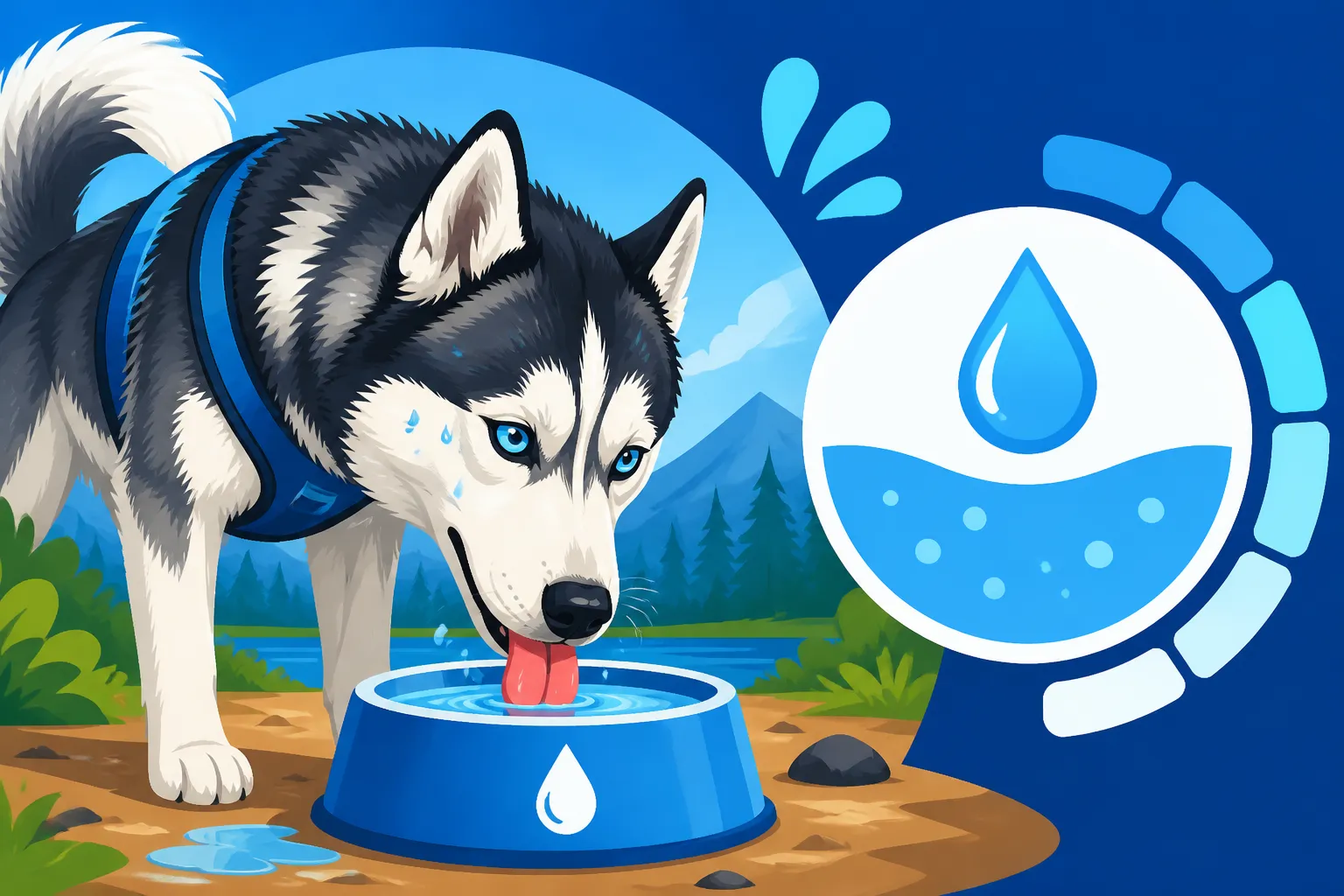
One of the biggest mistakes owners make is offering a huge bowl of water to a hot, panting Husky right after a run, letting them gulp it all down at once. While their thirst might be immense, this rapid intake can actually lead to stomach upset, vomiting, or in rare but serious cases, a potentially life-threatening condition called bloat (gastric dilatation-volvulus). Instead, the best practice is to offer small, frequent amounts of water. Start with a cup or two, wait 10-15 minutes, and then offer another small amount if they're still interested. This allows their body to process the water gradually and rehydrate safely.
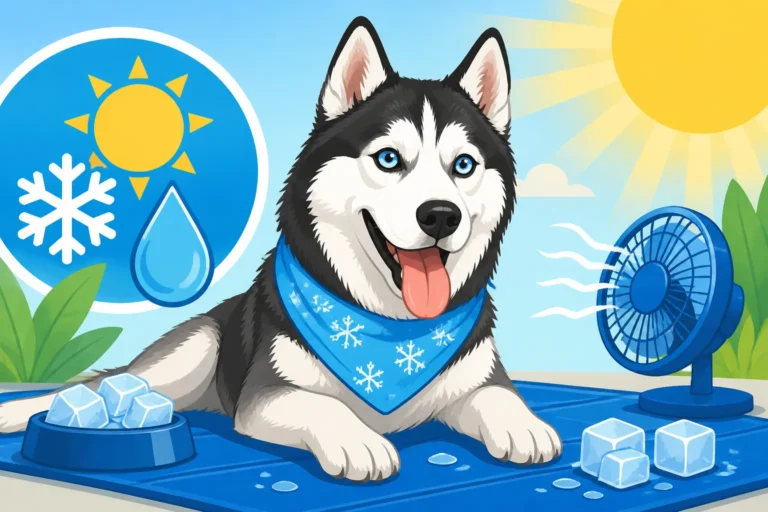
The temperature of the water also plays a role. Cool, fresh water is ideal, but avoid ice-cold water, especially in large quantities, as it can be a shock to their system and potentially trigger stomach cramps or vomiting. If your Husky has been running in the heat, giving them a few minutes to cool down slightly before offering water is a good idea. You can help them cool by offering a shady spot or even gently wetting their paws or chest with cool (not cold) water. This little pause helps their body temperature stabilize before they start ingesting liquids.
And don't forget the importance of bringing water during the run itself, especially if you're out on the trails or for an extended period. Many portable water bottles come with attached collapsible bowls, making it easy to offer a few sips every 20-30 minutes. You can find excellent options on platforms like Amazon or Chewy, ensuring you're always prepared. This proactive hydration prevents them from reaching a state of extreme thirst at the end of the activity, making post-run rehydration much safer and more effective. For tips on managing their needs in various climates, check out Running a Siberian Husky in Summer Heat or Cold Tolerance Limits for a Siberian Husky.
The Role of Electrolytes and Hydration Aids
For the vast majority of daily runs or even moderately long excursions, plain fresh water is all your Siberian Husky needs to rehydrate effectively. Their bodies are remarkably efficient at maintaining electrolyte balance under normal conditions. However, there are specific situations where electrolyte supplements or hydration aids might be beneficial, such as after extremely long, strenuous runs (think several hours of intense activity), or during periods of unusually hot and humid weather where sweat and panting lead to significant mineral loss. If your Husky has also experienced vomiting or diarrhea, electrolytes can help replenish lost salts.
If you are considering adding electrolytes, it's absolutely crucial to consult your veterinarian first. Over-supplementation can be just as dangerous as dehydration, leading to imbalances that can affect heart function or kidney health. Your vet can advise on whether an electrolyte solution is appropriate for your Husky's activity level and health status, and recommend a safe dosage and product. There are commercial canine-specific electrolyte solutions available, but always choose one formulated for dogs and avoid human sports drinks, which often contain ingredients harmful to canines like artificial sweeteners or excessive sodium.
Sometimes, a simple and safe homemade alternative can be used for a picky drinker or after a particularly hard session: a small amount of diluted, low-sodium chicken or beef broth (ensure it contains no onions or garlic, which are toxic to dogs). This can encourage them to drink more water due to the appealing taste. Brands like Ollie, known for their fresh dog food, also offer meals with higher moisture content, which can be a great way to boost overall hydration throughout the day for a dog that's not a huge water drinker. This isn't a substitute for post-run water, but it's an excellent supportive measure. Remember, these aids are supplemental, not replacements for consistent access to fresh, clean water.
Long-Term Hydration Habits and Environmental Factors
Beyond immediate post-run care, establishing solid daily hydration habits and adapting to various external conditions are key to your Siberian Husky's overall well-being. Their health relies on consistent access to water, not just when they're actively working.
Ensuring Consistent Water Access Throughout the Day
A core tenet of responsible Siberian Husky ownership is ensuring they have access to fresh, clean water at all times. This isn't just about a single bowl in the kitchen. For an active breed like the Husky, especially one prone to roaming as discussed in The Roaming Instinct Bred Into Every Siberian Husky, it's wise to have multiple water stations around your home and yard. Consider placing bowls in different rooms, particularly where your Husky likes to relax, and definitely one in any outdoor kennel or exercise area.
The type of water bowl also matters. Stainless steel bowls are often recommended because they are durable, easy to clean, and less likely to harbor bacteria than plastic. Ceramic bowls are also a good option. Whatever material you choose, cleanliness is paramount. Bowls should be washed daily, not just refilled, to prevent biofilm buildup, which can deter your Husky from drinking and become a breeding ground for germs.
Some Huskies are finicky drinkers and might be more enticed by moving water. In such cases, a dog-specific water fountain can be a fantastic investment. The circulating water often stays cooler and fresher, and the novelty of the movement can encourage increased intake. Even if your Husky isn't particularly fussy, the added appeal of a fountain can contribute to better overall hydration, which is a boon for their health, especially if you're keen to understand things like Siberian Husky Thyroid and Autoimmune Disease which can sometimes manifest with increased thirst.
Adapting Water Intake to Weather and Activity Levels
Your Husky's hydration needs are not static; they fluctuate significantly based on environmental conditions and the intensity of their activity. On a hot, humid summer day, their water intake will naturally need to be much higher than on a cool, dry autumn morning. As we've covered, Huskies rely heavily on panting to cool themselves, and this process expends a lot of water. If you're planning a run when the mercury is climbing, not only should you consider shorter, less intense sessions, but you must also be vigilant about providing water breaks every 15-20 minutes. Keep an eye out for Heat Stroke Risk in a Siberian Husky and take proactive steps.
Conversely, while it might seem counterintuitive, hydration is just as important in cold weather. Dry winter air, combined with the energy expended during cold-weather activities like skijoring or even just playing in the snow, can lead to dehydration. Huskies might also eat snow to quench thirst, but this isn't an efficient way to hydrate and can actually lower their body temperature, requiring more energy expenditure. Always ensure fresh, unfrozen water is available, even if they're enjoying the snow.
Different types of activity also dictate different hydration strategies. A leisurely walk around the block won't demand the same level of water management as a 5-mile canicross run. For high-intensity, sustained efforts, proactive hydration (small sips every so often during the activity) is key to prevent exhaustion and maintain performance. For shorter, less intense outings, focusing on pre- and post-activity hydration might suffice. Observing your individual Husky's response to different weather and exercise levels will guide your approach.
Monitoring and Adjusting Based on Individual Husky Needs
While general guidelines are helpful, the truth is that every Siberian Husky is an individual, and their specific water intake needs can vary. Some Huskies are natural drinkers and will seek out water consistently, while others might need more encouragement. As a responsible owner, becoming attuned to your Husky's unique habits is crucial. Pay attention to how much they drink on an average day, and especially how that changes after varying levels of exercise or in different weather conditions.
A simple way to monitor their hydration status over time is by observing their urine. Well-hydrated dogs typically have pale yellow urine. If your Husky's urine is consistently dark yellow or amber, it could be a sign that they're not getting enough fluids. Of course, sudden changes in thirst, either an increase or decrease, should always be discussed with your veterinarian, as it could indicate an underlying health issue. For example, changes in Kidney Values in an Aging Siberian Husky could affect their water balance.
Keeping a log, especially if you have concerns, can be a valuable tool to track water intake, activity levels, and any noticeable changes in your Husky's behavior or physical signs of hydration. This detailed information can be incredibly helpful for your vet in diagnosing any potential problems. Adjusting their routine could involve trying different water bowls, offering water at specific times, or even incorporating more moisture-rich foods into their diet (many fresh food brands, like Ollie, offer meals with higher water content). Ultimately, proactive observation and a willingness to adapt your hydration strategy will ensure your adventurous Siberian Husky stays well-hydrated for all their future escapades.
| Sign | Well-Hydrated Siberian Husky | Dehydrated Siberian Husky |
|---|---|---|
| Gums | Moist, slippery, healthy pink | Sticky, dry, pale |
| Capillary Refill Time (CRT) | Returns to pink in 1-2 seconds | Takes longer than 2 seconds |
| Skin Elasticity (Skin Turgor) | Snaps back immediately when pinched | Remains tented for a few moments |
| Eyes | Bright, alert | Sunken, dull, lacking sparkle |
| Energy Level | Eager, responsive, recovers well after exercise | Lethargic, unusually tired, slow to respond |
| Urine Color | Pale yellow to clear | Dark yellow, amber, concentrated |
| Nose | Slightly moist | Dry, sometimes crusty |
Disclaimer
This article is for general informational purposes only and does not constitute professional advice. Laws, prices and regulations vary by location and change over time. Consult a qualified professional for guidance on your specific situation.