What to Do If a Siberian Husky Eats Something Bad
That gut-wrenching moment when you realize your mischievous Siberian Husky has eaten something they absolutely shouldn't have is enough to send any dog owner into a tailspin. One minute they're happily sniffing around, the next they've swallowed something questionable – a forgotten chocolate bar, a dropped pill, or even a mystery plant from the garden. This guide is here to walk you through exactly what to do when your curious husky's appetite gets them into trouble, helping you react quickly and effectively to protect your furry family member.
Immediate Steps When You Suspect Your Husky Has Eaten Something Toxic
The first few minutes after you realize your husky has ingested something harmful are critical. Panic is a natural reaction, but taking a deep breath and acting swiftly and logically can make all the difference in the outcome for your beloved companion.
Assess the Situation Calmly and Quickly
Before you do anything else, you need to gather as much information as possible. This isn't just for your peace of mind; it's vital information your veterinarian will need to provide the best advice. First, try to identify exactly what your husky ate. Was it a chocolate chip cookie, a bottle of medication, or perhaps a toxic plant? The more specific you can be, the better. Look for wrappers, crumbs, or any remnants that can give you clues about the substance and the quantity.
Next, estimate how much they consumed. Did they just lick a piece, or did they devour an entire package? Even small amounts of highly toxic substances can be incredibly dangerous for a dog, especially one with a Siberian Husky's metabolism which can be surprisingly efficient. Try to figure out when they ate it. Was it just seconds ago, or has it been hours? This timing is crucial because it affects the treatment options available. Finally, observe your husky for any immediate symptoms. Are they vomiting, drooling excessively, lethargic, restless, panting heavily, or having tremors? All of these details are pieces of the puzzle that your vet will use to guide you.
Contact Your Veterinarian or Emergency Vet Immediately
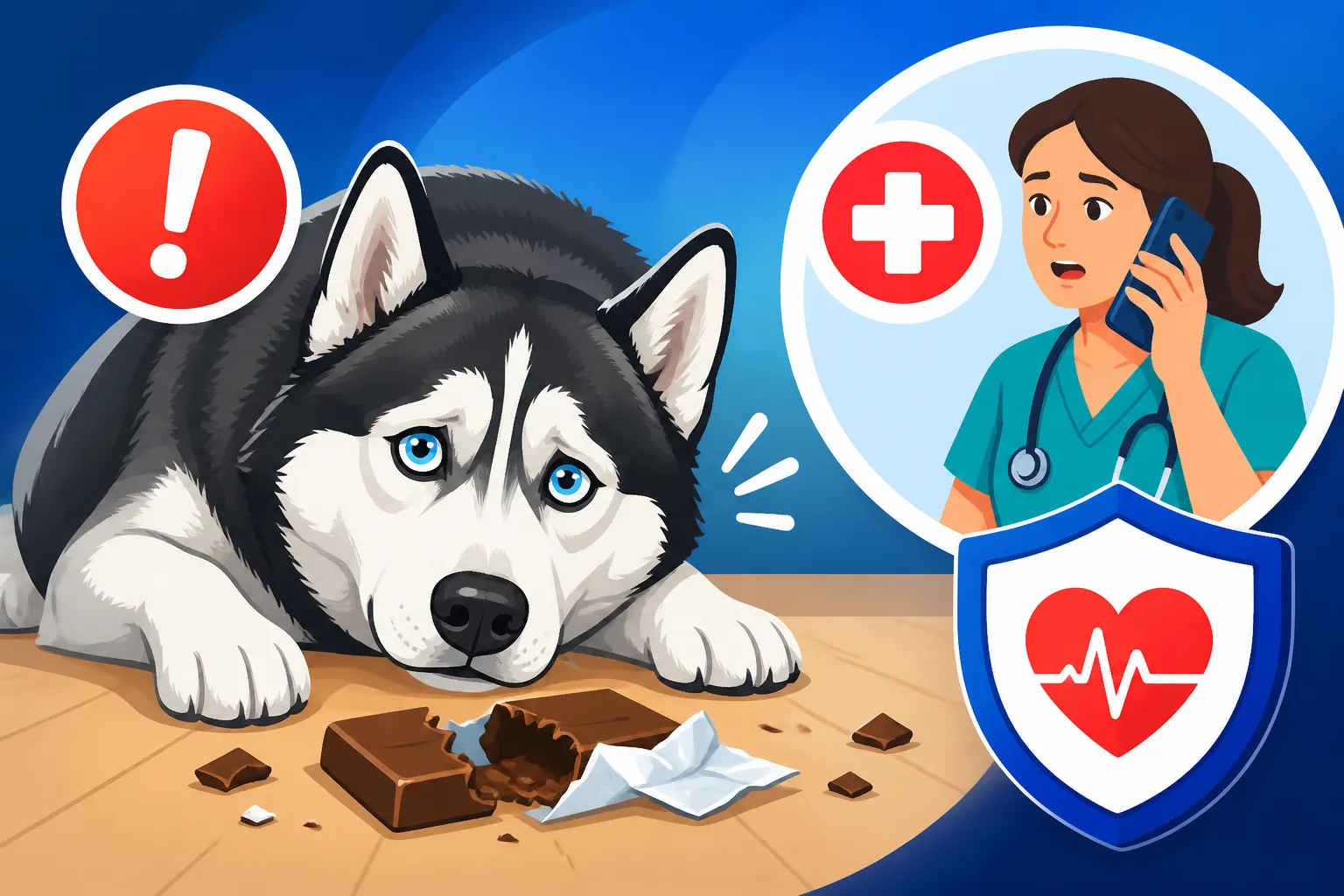
Once you have as much information as you can gather, your very next step should be to call your veterinarian or the nearest emergency veterinary clinic. Do not hesitate, and do not try to find solutions online before making that call. This is not a situation where you can "wait and see" if your husky gets better; many toxins act quickly and can cause irreversible damage. Have all the information you collected ready when you call: your husky's age, weight, what they ate, how much, when, and any symptoms you've observed.
If it's outside of your regular vet's hours, don't waste time—call an emergency veterinary hospital right away. Many areas also have pet poison control hotlines staffed by veterinary toxicologists who can provide immediate, expert advice. While these services often involve a consultation fee, the knowledge and guidance they offer can be invaluable and potentially life-saving. Remember, quick action can often prevent a minor incident from becoming a life-threatening emergency, influencing their Siberian Husky Lifespan and What Shortens It.
Do NOT Induce Vomiting Without Professional Guidance
This point cannot be stressed enough: never attempt to induce vomiting in your Siberian Husky without specific instructions from a veterinarian or a poison control expert. While inducing vomiting might seem like a logical first step to remove the toxin, it can be incredibly dangerous and cause more harm than good in many situations. For example, if your husky ingested a caustic substance like bleach or a strong cleaning agent, bringing it back up can cause further damage to their esophagus and mouth.
Similarly, if they've eaten a sharp object, forcing it back up could cause internal tearing. There's also the significant risk of aspiration pneumonia, where the dog inhales vomit into their lungs, which can be life-threatening. Furthermore, some toxins, once absorbed, are already doing damage, and inducing vomiting won't help. A vet will assess the specific substance, the amount, the time elapsed, and your husky's condition before advising on the safest course of action, which may or may not involve inducing emesis. They might also advise specific activated charcoal doses, which should also only be given under professional guidance.
Common Household Hazards for a Curious Siberian Husky
Siberian Huskies are known for their intelligence, curiosity, and often, their boundless energy. This combination can lead them to investigate and ingest things that are anything but good for them. Our homes, filled with everyday items, harbor many potential dangers for a dog.
Foods That Are Poisonous to Dogs
It’s astonishing how many common human foods are highly toxic to dogs, and our clever huskies are notorious for finding them. Chocolate, especially dark or baking chocolate, contains theobromine, which dogs process much slower than humans, leading to toxic build-up. Symptoms can range from vomiting and diarrhea to seizures and heart problems. Xylitol, a common artificial sweetener found in sugar-free gum, candies, some peanut butters, and even certain medications, is incredibly dangerous. Even a small amount can cause a rapid and severe drop in blood sugar (hypoglycemia) and liver failure.
Grapes and raisins, while seemingly innocuous, can cause acute kidney failure in some dogs, and the exact toxic dose or mechanism is still unknown, so even a single one is risky. Onions, garlic, chives, and leeks, all members of the Allium family, can cause damage to red blood cells, leading to anemia. Avocado contains persin, which can be toxic to some animals, though dogs are generally more resistant; however, the pit itself poses a choking hazard or can cause an intestinal blockage. Macadamia nuts can cause weakness, vomiting, tremors, and hyperthermia. Alcohol, caffeine, and even excessive salt can also lead to serious health issues. Always remember that a husky's natural metabolism doesn't protect them from these potent toxins.
Medications, Chemicals, and Plants
Beyond food, our homes contain numerous other perils. Human medications are a leading cause of pet poisoning. Painkillers like ibuprofen or acetaminophen, antidepressants, ADHD medications, and even supplements can be lethal in doses meant for humans. Always keep all medications, both prescription and over-the-counter, secured in cabinets that your ingenious husky cannot access. They're surprisingly adept at opening doors and drawers if motivated.
Cleaning supplies such as bleach, detergents, drain cleaners, and toilet bowl pucks are corrosive and toxic. Antifreeze, with its deceptively sweet taste, is one of the most dangerous poisons, causing acute kidney failure. Pesticides and rodenticides, like rat bait or slug pellets, are formulated to be appealing and lethal, posing a grave threat to any dog that ingests them. Even seemingly harmless items like batteries (corrosive), essential oils (toxic when ingested or applied topically), and some art supplies can be dangerous.
And let's not forget the greenery. Many common house and yard plants are toxic. Lilies (especially to cats, but still problematic for dogs), sago palms (highly toxic, causing liver failure), azaleas, rhododendrons, oleander, daffodils, and even tulips can all cause illness or worse. If you’re unsure about a plant, it’s always best to err on the side of caution and either remove it or ensure it's out of reach. You might find more specific information on Yard Plants Dangerous to a Siberian Husky to help with your landscaping choices.
| Common Toxic Item | Danger to Huskies | Common Symptoms | Speed of Onset |
|---|---|---|---|
| Chocolate | Theobromine poisoning | Vomiting, diarrhea, restlessness, tremors, seizures, heart issues | Hours to 24 hours |
| Xylitol | Severe hypoglycemia, liver failure | Vomiting, weakness, collapse, seizures, jaundice | 10-30 minutes for hypoglycemia, days for liver failure |
| Grapes/Raisins | Acute kidney failure | Vomiting, lethargy, diarrhea, decreased appetite, increased thirst/urination | 6-12 hours |
| Onions/Garlic | Red blood cell damage, anemia | Vomiting, diarrhea, lethargy, pale gums, rapid breathing | Days after ingestion |
| Antifreeze | Acute kidney failure | Drunken appearance, vomiting, increased urination/thirst, lethargy, seizures | 30 minutes to 12 hours |
| Human Meds | Varies by medication (e.g., liver failure, GI upset, neurological issues) | Varies widely, can be severe | Minutes to hours |
| Rodenticides | Internal bleeding, neurological damage, kidney failure (depending on type) | Lethargy, bruising, bleeding, seizures, vomiting | Days to weeks |
Prevention Is Always the Best Medicine
When it comes to keeping your Siberian Husky safe from ingesting harmful substances, an ounce of prevention is truly worth a pound of cure. Given their intelligence and determination, simply hoping they won't find something isn't a strategy that will work for long.
Husky-Proofing Your Home and Yard
Siberian Huskies are master escape artists and incredibly adept at getting into places they shouldn't. Husky-proofing your home means thinking like a husky – if they can reach it, climb it, or open it, they will. Start by securing all trash cans, especially those in the kitchen or bathroom, with lids that latch or are heavy enough to deter them. Food should never be left unattended on counters; put groceries away immediately, and clear dirty dishes promptly. Consider child-proof locks or latches on cabinets where cleaning supplies, chemicals, or pet food (which they might overeat) are stored. For medications, an even higher level of security is necessary. Don't just place them on a high shelf; put them in a locked box or in a cabinet that’s well out of reach and secured.
Outside, regularly check your yard for any dropped items, tools, or plants that may have sprouted or been discarded. Make sure your fence is not only tall enough—a The Six-Foot Fence a Siberian Husky Needs is a good start—but also secure at the bottom to prevent digging. Be aware of what your neighbors might be spraying or discarding near your property line. This meticulous approach is essential because Huskies are notorious for engaging in Siberian Husky Destruction When Left Alone out of boredom or curiosity, which can easily lead to them eating something they shouldn't.
Training and Supervision for a Curious Canine
While physical barriers are crucial, training and supervision are equally important, especially for a breed as independent as the Siberian Husky. The "Leave It" command is arguably one of the most vital cues you can teach your husky. Practice it consistently, starting indoors with low distractions, then gradually moving to more challenging environments. This command can be a lifesaver if they spot something dangerous on a walk or in the yard. Positive reinforcement and high-value treats (like those from Chewy or Amazon) will make your husky eager to comply.
Supervise your husky closely when they are outdoors, particularly in new places or areas where you don't know what might be on the ground. A leashed walk prevents them from snatching up discarded items or encountering toxic plants. If your husky has strong Siberian Husky Prey Drive Around Small Animals, this close supervision also prevents them from hunting and potentially ingesting carcasses or other unsavory finds. Provide plenty of appropriate mental and physical enrichment to reduce boredom, which often leads to destructive chewing and inappropriate eating. Durable chew toys, puzzle feeders, and regular exercise tailored to What a Siberian Husky Was Bred to Do can keep their minds and mouths occupied safely. Remember, a tired husky is often a well-behaved husky. Training an Independent Siberian Husky takes patience and consistency, but it's always worth the effort.
Emergency Preparedness Kit and Resources
Being prepared for an emergency involving accidental ingestion can significantly reduce stress and improve the outcome. First, have a clearly visible list of important contact numbers: your primary veterinarian, the nearest 24-hour emergency veterinary clinic, and a pet poison control hotline. Keep this list on your fridge or in your phone, readily accessible to all family members.
It’s also wise to have a basic pet first-aid kit on hand. While you should never administer medications or induce vomiting without professional advice, having supplies like hydrogen peroxide (again, ONLY if advised by a vet for inducing vomiting), activated charcoal (also vet-guided), gauze, antiseptic wipes, and vet wrap can be useful for other types of emergencies. Knowing your husky's exact weight and having a general understanding of their medical history will save precious time when you call for help. Finally, consider pet insurance. Many policies cover emergency visits and treatments for accidental poisoning, which can quickly become very expensive. Looking into plans that cover emergencies, such as those discussed in Siberian Husky Pet Insurance and the Eye Clause, can offer financial peace of mind during a crisis.
What to Expect at the Emergency Vet
Even with the best preventative measures, accidents can happen. If your Siberian Husky does ingest something harmful and you've been advised to bring them in, knowing what to expect at the emergency veterinary clinic can help you feel a little more prepared.
Examination and Diagnosis
When you arrive at the emergency vet, the staff will immediately assess your husky's vital signs and overall condition. A veterinary technician will likely take your husky's temperature, pulse, and respiration rate, and a veterinarian will perform a thorough physical examination. This initial assessment helps determine the severity of the situation. You'll be asked to provide all the details you gathered: what was eaten, how much, when, and any symptoms you've observed. Be as precise as possible, and don't omit any information, even if it seems insignificant.
Depending on the suspected toxin, the vet may recommend diagnostic tests. This could include blood work to check organ function (especially liver and kidneys), a urinalysis, or even X-rays if a foreign object (like a toy or packaging) is suspected to have been swallowed. These tests help the veterinary team understand the extent of the damage and formulate the most appropriate treatment plan. For example, if a dog eats rat bait, blood tests might reveal issues with clotting, while a husky who has ingested grapes might show signs of kidney distress on their lab work. Keep in mind that emergency visits, unlike routine Wellness Visit Costs for a Siberian Husky, can be extensive and costly due to the immediate and intensive care required.
Treatment Options
Once a diagnosis or a strong suspicion is made, the veterinary team will discuss treatment options with you. If the ingestion was very recent (typically within 1-2 hours) and the substance is safe to bring back up, the vet may induce vomiting using medications. This is done under careful supervision to ensure your husky's safety. After vomiting, or if inducing vomiting isn't an option, activated charcoal may be administered. Activated charcoal works by binding to toxins in the digestive tract, preventing their absorption into the bloodstream, and allowing them to pass safely out of the body.
For more severe cases, or if the toxin has already been absorbed, your husky might require intravenous (IV) fluids to help flush the kidneys and maintain hydration. Medications to counter specific effects of the toxin, such as anti-seizure drugs, liver protectants, or anti-nausea medications, might also be given. In some situations, a husky may need to be hospitalized for continuous monitoring, supportive care, and repeat treatments. This allows the veterinary team to respond quickly to any changes in their condition and ensure they recover safely. The goal is always to neutralize the toxin, support organ function, and stabilize your husky's condition to give them the best chance of a full recovery.
Disclaimer
This article is for general informational purposes only and does not constitute professional advice. Laws, prices and regulations vary by location and change over time. Consult a qualified professional for guidance on your specific situation.