Booties for a Siberian Husky in Winter
As winter descends, many Siberian Husky owners find themselves wrestling with a common dilemma: do these famously cold-weather dogs really need booties? It feels almost counter-intuitive to put shoes on a breed whose ancestors thrived in the Arctic, but the truth is, modern winter conditions, particularly in urban and suburban areas, present unique challenges to even the hardiest paws. This comprehensive guide will explain why, when, and how dog booties can be a vital piece of winter gear for your Siberian Husky, ensuring their paw health and comfort through the coldest months.
Why Your Cold-Hardy Husky Might Need Booties
It's true that Siberian Huskies are built for the cold. Their dense double coat, efficient metabolism, and incredible endurance make them natural athletes in snowy landscapes. However, the world outside the pristine Alaskan wilderness is often far from ideal for sensitive paw pads. Modern winter environments throw a lot more than just snow and ice at your dog's feet, and these elements can cause real damage.
The Hidden Dangers of Winter Surfaces
When you think of winter hazards for your Husky, you might picture deep snow or icy winds. But the biggest culprits for paw damage often lurk on sidewalks, roads, and driveways. De-icing chemicals, rock salt, and even plain old coarse sand can wreak havoc on unprotected paw pads. These substances aren't just irritating; they can cause chemical burns, drying, cracking, and painful abrasions. Imagine walking barefoot on coarse salt for miles – that's what your Husky might be experiencing. Beyond the immediate discomfort, your Husky will naturally lick their paws to soothe them, potentially ingesting harmful chemicals. This is a big concern for diligent owners trying to keep their dogs safe.
Then there's the ice itself. While your Husky's dense fur is fantastic for insulation, the fur between their paw pads can be a magnet for snow and ice. As they run and play, these tiny spaces can fill with packed snow that freezes into hard, painful ice balls. These aren't just uncomfortable; they can pull at the fur, cause painful skin irritation, and even lead to lameness if left unchecked. You might notice your Husky lifting their paws, limping, or trying to chew at their feet after being out. Moreover, sharp, jagged ice can cause cuts and abrasions on pads, which can quickly become infected. For a deeper dive into protecting those vital paw pads, check out our article on Siberian Husky Paw Care Through Snow and Salt.
Beyond Pure Cold Tolerance: Practical Protection
Many assume that because a Husky can tolerate freezing temperatures, their paws are indestructible. This isn't quite the case. Their tolerance applies more to their overall body temperature regulation than it does to the specific vulnerabilities of their paw pads. Think of it this way: a construction worker might wear a heavy coat, but they still wear steel-toed boots to protect their feet from impact. For a Siberian Husky, booties offer a similar layer of practical protection against the elements, not just extreme cold.
For working Huskies engaged in serious mushing or extended outdoor activities, booties are often a non-negotiable part of their gear, protecting them from abrasions on icy trails or hardening snow. But even for the average pet Husky in a suburban environment, where walks involve pavement, sidewalks, and the occasional patch of rock salt, booties become an essential shield. They prevent minor injuries that, if neglected, can quickly escalate into more serious issues, demanding vet visits and prolonged recovery. Maintaining healthy, intact paw pads is crucial for your Husky's comfort and their ability to enjoy their active lifestyle. Nobody wants to see their adventurous dog hobbling around because of sore feet. Keeping those paws in top shape means your Husky can continue to enjoy the long, vigorous walks and runs they need. You can learn more about managing one specific cold-weather paw issue here: Snowballs Between Siberian Husky Toes.
Choosing the Right Booties for Your Siberian Husky
So, you're convinced booties are a good idea. Now comes the dizzying task of choosing the right pair from the seemingly endless options out there. It's not just about picking something cute; it's about functionality, durability, and a proper fit that will actually stay on your Husky's unique feet.
Material Matters: What to Look For
The material of the bootie is paramount, as it dictates protection, durability, and comfort. You'll find a range of options, each with its own benefits:
- Neoprene: Often found in wet suits, neoprene offers good insulation and water resistance. It's flexible and provides decent protection against cold and moisture, making it a popular choice for moderate winter conditions.
- Rubber/Silicone: These materials are excellent for waterproofing and provide superior grip on slippery surfaces. They're great for wet snow or icy conditions but might not offer as much insulation as other materials.
- Fleece/Softshell: While comfortable and somewhat breathable, these are usually best as inner linings or for very mild conditions. They might not hold up to abrasive surfaces or provide robust waterproofing on their own.
- Cordura/Nylon with Grippy Soles: Many high-performance booties for active dogs are made from durable Cordura or heavy-duty nylon, often with a rugged, textured rubber sole for traction. These are built to withstand tough conditions and offer a good balance of protection and durability.
When shopping, remember that Huskies are incredibly strong and active. You need booties that can stand up to their adventures. Look for reinforced stitching and robust materials that won't tear easily. Breathability is also key; while you want protection from the outside, you don't want moisture to build up inside the bootie, which can lead to skin irritation or fungal issues. Even though they're not a paw product, when thinking about durability and active outdoor gear, you might consider how some brands, like those found on Chewy or Amazon, offer a wide variety of specialized gear for active dogs, which can give you an idea of the range of materials available. Regular inspection of your Husky's paw pads is always a good practice, especially after vigorous activity, as discussed in Checking Siberian Husky Pads After Trail Runs.
Fit and Fasteners: Key to Success
A bootie is useless if it falls off after two steps, or worse, if it's so uncomfortable your Husky refuses to move. Proper fit is crucial.
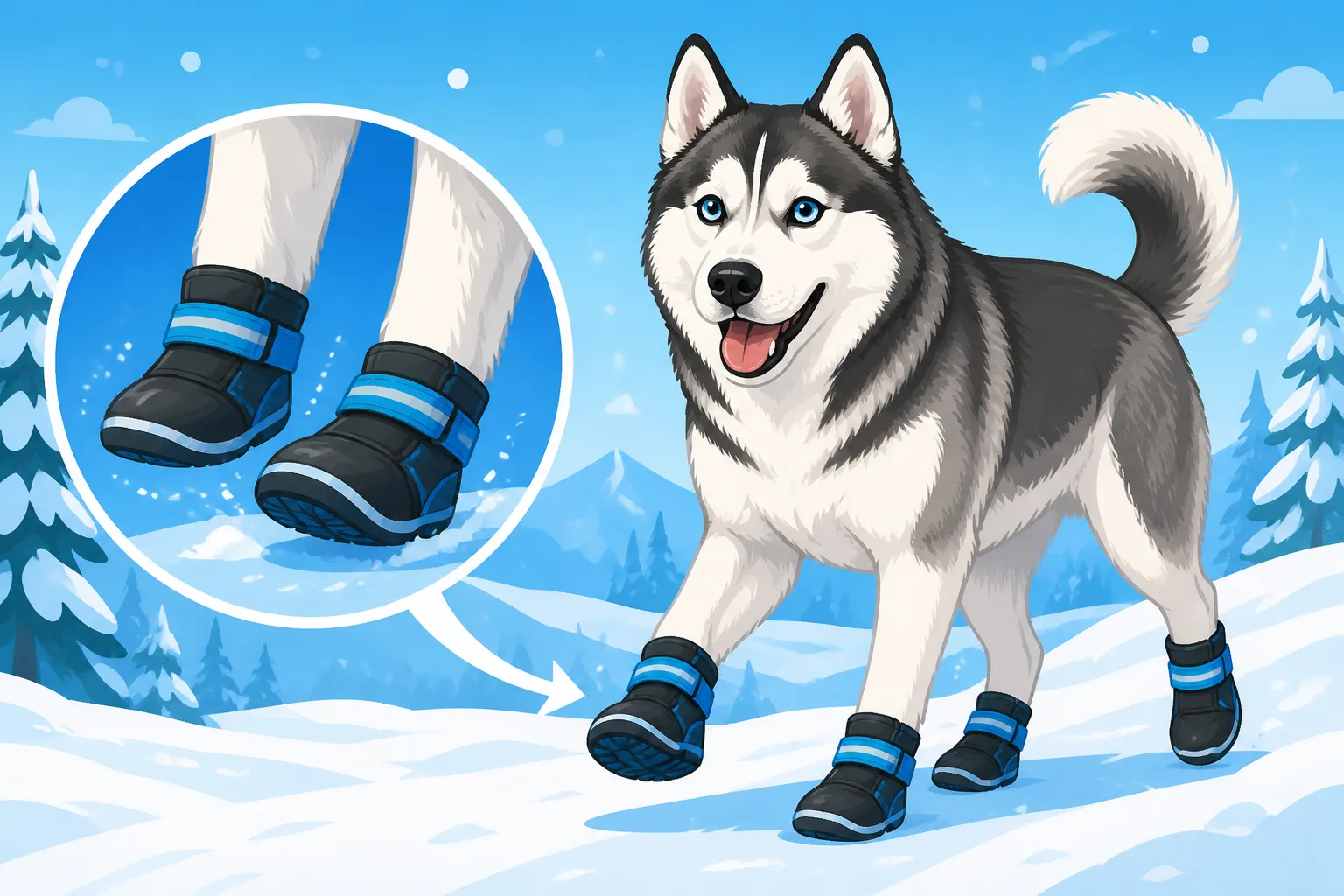
- The "Sock Test": A good way to gauge if booties will stay on is to observe how your Husky moves. They shouldn't be so loose that they twist or fall off, nor so tight that they pinch or restrict blood flow. The bootie should cover the paw completely and extend slightly up the ankle.
- Straps and Closures: Most booties use Velcro straps, drawstrings, or elastic toggles. For Huskies, strong, multiple Velcro straps often work best, especially those that wrap around the narrower part of the ankle, above the dewclaws, to really secure the bootie. Some high-end booties even feature a multi-point fastening system to prevent slipping. Be mindful of your Husky's dewclaws – ensure the straps don't rub or press uncomfortably against them.
- Sizing: This is critical. Measure your Husky's paw carefully. You'll generally need both the width (across the widest part of the paw when bearing weight) and the length (from the back of the paw pad to the tip of the longest nail). Always consult the manufacturer's sizing chart. When in doubt, it's often better to go slightly larger if your Husky is between sizes, as long as it can still be securely fastened. Too-tight booties can cause discomfort and poor circulation, while too-loose ones will just fall off or chafe.
Types of Booties for Different Activities
Just as we have different shoes for different activities, there are various types of booties designed for specific winter scenarios.
- Lightweight, Flexible Booties: These are often thinner, less insulated, and more about protecting from road salt or minor abrasions during short urban walks. They allow for more natural paw movement but offer less warmth and heavy-duty protection.
- Heavy-Duty Performance Booties: These are built for serious outdoor adventures like hiking, skijoring, or long runs in deep snow and ice. They typically feature robust, waterproof materials, significant insulation, and strong, grippy soles. These are what many working sled dogs wear.
- Paw Wax/Balm: While not a bootie, paw wax (like Musher's Secret) is an excellent alternative or supplement for milder conditions. It creates a protective barrier against salt and ice, moisturizes pads, and helps prevent snowballs from forming. It won't protect against sharp objects, but it's great for general winter paw care. Some pet care brands, like Ollie, might offer paw balms or general wellness products that complement a Husky's care routine, even if they don't directly sell booties. However, for full physical protection against harsh surfaces and chemicals, booties are the superior choice.
Choosing the right type depends entirely on your Husky's activity level and the specific conditions they'll encounter. If you're just taking them for a quick potty break on salted pavement, a lighter bootie or paw wax might suffice. For a longer hike through icy woods or a vigorous run on snowy trails, a heavy-duty, insulated, and well-gripped bootie is a must.
Getting Your Husky to Accept Booties
So, you've got the perfect pair of booties. Now, how do you convince your independent, sometimes stubborn Siberian Husky to actually wear them? Don't expect them to waltz around happily on the first try. This often takes patience, positive reinforcement, and a bit of a strategic approach.
Positive Reinforcement and Gradual Introduction
Imagine someone strapping strange, restrictive things to your feet. You'd probably be a bit confused, maybe even resistant! Your Husky feels the same way. The key is to make booties a positive, non-threatening experience.
- Start Indoors: Begin in a familiar, comfortable environment where your Husky feels relaxed. Let them sniff the booties, and offer treats. Don't try to put them on yet.
- One Paw at a Time: Don't try to put all four on at once. Start with just one bootie. Gently slip it on, give a high-value treat, and offer praise. Immediately take it off. Repeat this a few times over several sessions, gradually increasing the time the bootie stays on.
- Associate with Good Things: Put the booties on right before something your Husky loves, like a favorite toy or a short play session in the house. This builds a positive association.
- The "Bootie Dance": Many Huskies will do a comical "bootie dance" when they first wear them, lifting their paws high. This is normal! Ignore the awkwardness and focus on positive reinforcement. Give treats and praise for any relaxed movement, even just standing still.
- Short Sessions, Often: Keep initial training sessions very short – just a minute or two. As your Husky tolerates them better, slowly increase the duration. Aim for consistency, even if it's just a few minutes a day. Using plenty of tempting rewards, as discussed in Treat Spending Through Siberian Husky Training, will be incredibly helpful here.
Remember, Huskies are intelligent but can be quite independent. They respond best to positive motivation and often shut down if forced or pressured. Your patience will pay off!
Troubleshooting Common Bootie Battles
Despite your best efforts, your Husky might still put up a fight. Here are some common challenges and how to tackle them:
- The "Frozen Statue" Pose: Your Husky might just stand there, refusing to move, or lifting their paws in a dramatic fashion. This is often confusion or discomfort. Don't force them to walk. Instead, try engaging them with a toy or calling them for a treat, encouraging a single step. Make it fun, not a chore. If they still refuse, take the booties off, take a break, and try again later with a more positive, playful approach.
- Chewing or Trying to Pull Them Off: If your Husky is obsessed with removing their booties, it could be a sign of poor fit (too tight, chafing, or simply annoying) or a lack of proper acclimation. Double-check the fit – are they too loose and twisting? Is a strap rubbing? If the fit is good, distraction is your friend. As soon as the booties are on, immediately engage them in an activity they enjoy, like a walk or fetch, to shift their focus. You can also try bitter apple spray on the booties (not on their paws!) to deter chewing, but positive redirection is always the first line of defense.
- Persistence and Patience: A Siberian Husky's independent nature means they often need more convincing than some other breeds. They're not "eager to please" in the traditional sense; they're more "what's in it for me?" Stay consistent, keep sessions positive, and don't get frustrated. Eventually, most Huskies will tolerate booties, especially once they associate them with fun outings and protection from discomfort. It's a testament to their unique temperament, which you can learn more about in Training an Independent Siberian Husky.
- Making it a Routine: Once your Husky is somewhat comfortable, try to make putting on booties part of your pre-walk routine. Just like grabbing the leash, the booties become a signal for "time to go out!" This predictability can help reduce resistance over time.
Maintenance and When to Ditch the Booties
Getting your Husky to wear booties is only half the battle; keeping them clean and knowing when they're truly necessary are important aspects of proper winter paw care.
Keeping Booties Clean and Functional
Booties, especially after trudging through snow, slush, salt, and whatever else accumulates on winter paths, can get pretty grimy. Neglecting their cleanliness can lead to odors, bacteria buildup, and even skin issues for your Husky.
- Washing and Drying: After each use, or at least daily during heavy use, give the booties a good rinse with plain water to remove salt and dirt. For a deeper clean, most fabric booties can be hand-washed with a mild, pet-safe detergent and air-dried completely. Avoid high heat from dryers, as this can damage materials like rubber or Velcro. Ensure they are bone-dry before storing to prevent mildew and unpleasant smells. Just like you wouldn't want to put damp socks on, your Husky won't appreciate damp booties. Sometimes, a quick blast from A High-Velocity Dryer for a Siberian Husky Coat might help speed up drying, but always be careful with heat settings for booties.
- Inspecting for Wear and Tear: Regularly inspect the booties for signs of damage: tears in the fabric, worn-through soles, frayed straps, or failing Velcro. Even the most durable booties will eventually show wear, especially with an active Husky. Damaged booties won't provide adequate protection and can even cause discomfort or injury if parts are rubbing. Replace them promptly when they start to show significant deterioration. Trying to stretch the life out of a pair of worn-out booties isn't worth the risk to your Husky's paws.
- Storage Tips: Store clean, dry booties in a designated spot, perhaps a mesh bag or a basket near the door, so they're easy to grab for your next adventure. This also helps keep them organized and prevents them from getting lost or damaged.
Knowing When Booties Aren't Needed
While booties are a great tool, they aren't always necessary for every winter outing. Part of being a responsible Husky owner is knowing when to use them and when your dog's natural paw pads are up to the task.
- Mild Winter Days: On warmer winter days where temperatures are above freezing, and the ground is clear of ice, salt, or harsh chemicals, your Husky might be fine without booties. Their natural paw pads are quite tough and can handle normal cold and snow.
- Groomed Paths and Natural Snow: If you're walking or running in a park with natural, untreated snow and no underlying ice, booties might not be essential. The soft snow itself is generally harmless. However, always be vigilant for hidden hazards like sharp sticks or frozen chunks of dirt.
- Prioritizing Natural Paw Toughening: For Huskies whose activities mostly involve natural terrain (like backyard romps in the snow or runs on soft dirt trails), allowing their paw pads to toughen naturally can be beneficial. Regular exposure to varied, non-hazardous terrain helps build resilience. This doesn't mean skipping booties when conditions are truly harsh, but rather recognizing when they can be comfortably omitted. It's all about balancing protection with natural adaptation, and understanding your Husky's Cold Tolerance Limits for a Siberian Husky is key.
- When the Dog Actively Resists (and Conditions Aren't Severe): If, despite all your patient training, your Husky absolutely despises booties and the winter conditions aren't extreme (e.g., no heavy salt, no sharp ice, just light snow), it might be kinder to forgo them. In such cases, a thorough paw balm application before and after walks is crucial, along with diligent post-walk cleaning. However, if hazardous conditions are unavoidable, persistent training for bootie acceptance takes precedence.
- Observing Your Husky: Ultimately, pay attention to your dog. Are they lifting their paws? Licking excessively? Limping? These are all signs that their paws are uncomfortable or being damaged, and booties are likely needed. Conversely, if they're trotting happily without any signs of discomfort, then they might be fine without them for that particular outing. Understanding Why Siberian Huskies Clean Themselves Like Cats can offer insight into their natural grooming instincts that might lead to paw licking after walks, so it's always good to check.
Remember, the goal is your Husky's comfort and health. Booties are a tool to help achieve that in specific challenging conditions. Use them wisely, keep them clean, and your Husky will thank you with many more happy, healthy winter adventures.
Bootie Choices for Your Siberian Husky: A Quick Comparison
To help you decide which type of bootie might be best for your Husky, here's a brief overview of common options and their ideal uses:
| Bootie Type/Feature | Best For | Pros | Cons |
|---|---|---|---|
| Neoprene/Softshell | Moderate cold, light snow, some chemical protection | Flexible, decent insulation, good breathability for comfort | Less durable on rough terrain, limited waterproofing for deep slush |
| Rubber/Silicone | Wet conditions, ice, strong chemical protection | Excellent waterproofing, superior grip, good against sharp objects | Less breathable, can be less insulating, can feel clunky |
| Cordura/Nylon (rugged) | Heavy duty use, mushing, rough trails, extreme cold | Highly durable, strong protection against abrasion and sharp objects | Less flexible, can require more breaking in, sometimes pricier |
| Paw Wax/Balm | Mild cold, light salt, moisturizing | Easy to apply, natural feel, helps prevent ice balls and cracking | No protection against sharp objects, needs frequent reapplication |
| Velcro Straps (multiple) | General use, secure fit | Adjustable, good hold if well-designed | Can collect snow/ice, Velcro can wear out over time |
| Drawstring/Toggle | Quick application, less fuss | Easy to tighten, often found on lighter booties | Can loosen more easily, less precise fit than multiple straps |
Disclaimer
This article is for general informational purposes only and does not constitute professional advice. Laws, prices and regulations vary by location and change over time. Consult a qualified professional for guidance on your specific situation.