Quicking a Siberian Husky Nail and What to Do
That sudden yelp, the flash of red, and the sickening realization that you’ve cut a little too close – quicking your Siberian Husky’s nail is one of those heart-stopping moments that every dog owner dreads. It’s painful for them, upsetting for you, and can feel like a major setback in your grooming routine. But don't panic! This guide is here to walk you through exactly what to do when it happens, how to prevent it, and how to keep your Husky's paws healthy and happy.
The Dreaded "Quicking": What It Means for Your Siberian Husky
Cutting into the quick of your Siberian Husky's nail isn't just a minor mishap; it's a genuine injury that causes pain and bleeding. Understanding what the quick is, and why our beloved Huskies might be more prone to this particular grooming woe, is the first step toward handling it with confidence.
Understanding the Anatomy of a Dog's Nail
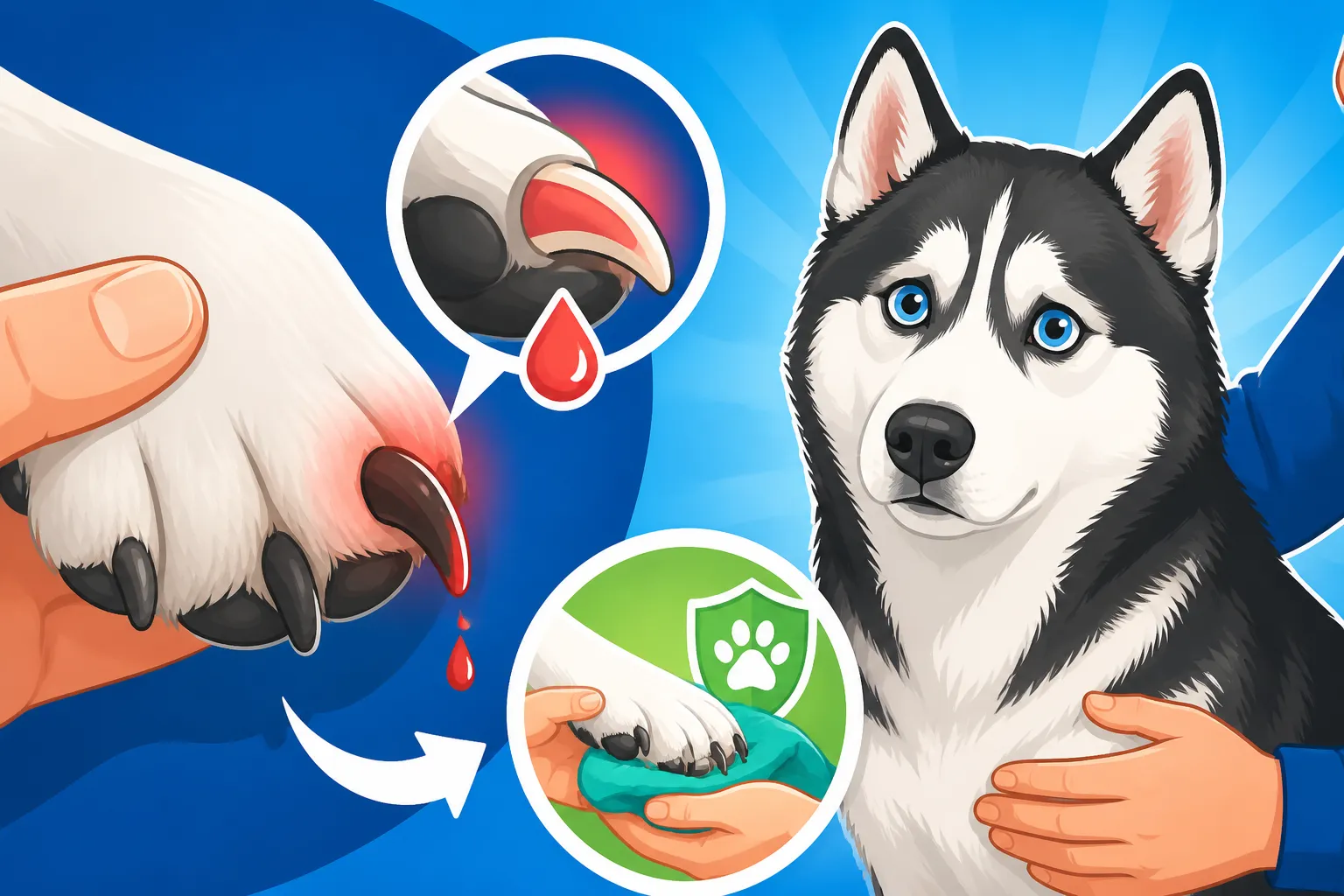
Imagine your own fingernail. Now picture a living, sensitive tissue underneath it, full of blood vessels and nerves. That's essentially what the quick is for your dog. It's a soft, fleshy core that runs through the center of each nail, providing nourishment and sensation. The outer, hard part of the nail, called the nail plate, protects this sensitive quick. As the nail grows, the quick grows with it. When you trim your dog's nails, your goal is to cut only the dead, insensitive tip of the nail plate, avoiding the quick entirely.
For many dogs, especially those with lighter-colored nails, you can often see the pinkish quick through the translucent nail. This acts like a little roadmap, guiding your cuts. However, with Siberian Huskies, it’s often a different story. Their nails are frequently dark, thick, and opaque, making that internal quick incredibly difficult, if not impossible, to see from the outside. This visual challenge is the primary reason why even experienced owners can accidentally quick a Husky’s nail. The nerves and blood vessels within the quick are incredibly sensitive, which is why a quicked nail results in immediate pain and often profuse bleeding. It's a stark reminder that what looks like a simple claw is actually a complex, living part of their anatomy.
Why Siberian Huskies Are Particularly Prone to Quicking
Siberian Huskies are active, hardy dogs, and their paws are built for traversing varied terrain. This means they often have incredibly strong, thick nails that can be a real challenge to maintain. Beyond the dark color, several factors contribute to a Husky's predisposition to quicking:
- Dark Nail Pigmentation: As mentioned, many Huskies have black or very dark nails, which completely obscure the quick. This leaves you guessing where the sensitive part ends, relying on tiny visual cues like a change in nail texture or a small, grey dot appearing in the center of the cut surface. It's like navigating a dark room blindfolded – you know there are obstacles, but you can't quite see them.
- Active Lifestyle and Nail Growth: While a highly active Husky might wear down their nails naturally on certain surfaces, it's rare for their nails to be perfectly self-maintained. If a Husky isn't consistently running on abrasive ground, their nails will grow, and with them, the quick will lengthen. This means that if you're not trimming regularly, the quick will be much closer to the tip than you might expect, increasing the risk when you finally get around to Cutting Thick Siberian Husky Nails. Overgrown quicks are a very common issue that makes proper trimming a minefield.
- Strong, Fast-Growing Nails: Huskies often have robust nails that seem to grow at an astonishing rate, requiring frequent attention. Missing a week or two of trims can mean the difference between a safe snip and a quicked nail, especially if your dog's quicks have already grown longer. Consistency is key, but life happens, and sometimes those nails get a little longer than planned, setting the stage for an accident.
Given these challenges, it’s understandable why quicking a Siberian Husky’s nail is a common worry among owners. It's not a reflection of your care, but often a result of their unique physiology.
Immediate Action: Stopping the Bleed and Calming Your Husky
When you accidentally quick your Siberian Husky's nail, the immediate aftermath can be shocking. There's often a significant amount of blood, and your Husky will likely react with a yelp or a pull-away, which can be distressing for both of you. The key is to stay calm and act quickly.
Applying Styptic Powder or Household Alternatives
The priority is to stop the bleeding. Dog nails, especially quicked ones, can bleed quite a bit because the quick contains numerous small blood vessels. Here's how to manage it:
- Stay Calm (Seriously): Your Husky will feed off your energy. If you panic, they'll panic more. Take a deep breath. It's going to be okay.
- Grab Your Styptic Powder: This is your best friend in this scenario. Brands like Kwik Stop or similar styptic powders are designed specifically to constrict blood vessels and clot blood. You should always have it on hand for nail trims. It's a smart addition to your pet first-aid kit, easily found at pet stores or online retailers like Chewy or Amazon.
- Apply Pressure and Powder: Take a pinch of styptic powder and firmly press it directly onto the bleeding nail tip. Hold it there with moderate pressure for 30 seconds to a full minute. Don't just dab it; really work it into the nail. The pressure helps, and the powder accelerates clotting. If the bleeding is heavy, you might need to reapply.
- No Styptic Powder? No Problem (Maybe): If you don't have styptic powder, don't despair! Common household items can work in a pinch:
- Cornstarch or Flour: These kitchen staples can help to clot the blood. Pack a generous amount onto the nail tip and apply firm pressure, just as you would with styptic powder. It might take a bit longer, but it's an effective substitute.
- Bar Soap: Grab a dry bar of soap and firmly push the bleeding nail into it. The soap acts as a plug and helps stem the flow. The fatty acids in the soap can sometimes aid in clotting as well.
Once the bleeding has stopped, resist the urge to immediately check it. Give the clot time to set. Your goal is to get it to stop, not necessarily to make it look perfect right away.
Managing Your Husky's (and Your Own) Distress
A quicked nail is painful, and your Husky's reaction will likely range from a startled yelp to pulling their paw away, or even trying to bite. It's vital to address their distress gently and reassuringly.
- Validate Their Pain (and Yours): It's okay to acknowledge that it hurt. Give them soft praise, and tell them "good dog" in a soothing tone. Avoid scolding them for reacting; they're in pain. For yourself, acknowledge that it's upsetting, and remind yourself that accidents happen. Even professional groomers quick nails occasionally.
- Offer Comfort and Distraction: Once the bleeding is controlled, gently hold them close and offer comfort. A special, high-value treat (like a piece of cheese or a dollop of peanut butter) can go a long way in redirecting their attention and creating a positive association with the end of the traumatic experience. Some owners find that a brief walk or play session (if the paw is stable and not visibly bothering them) can help them forget the incident faster.
- Don't Rush Back into Grooming: If you were in the middle of a full nail trim session, stop for the day. Trying to continue might just reinforce a negative association with nail care. You want to make future sessions as positive as possible. Give them a break, and perhaps try again another day when everyone is calm and the memory has faded a bit. For some Huskies, especially those already wary of paw handling, this one quicking incident can make future trims incredibly difficult, so extra patience and positive reinforcement will be crucial for a while.
Remember, building trust around grooming takes time, and an accident like this can shake that trust. Be patient, be kind, and focus on rebuilding that positive connection with every subsequent interaction involving their paws.
Preventing Future Quicking: Strategies for Healthy Husky Nails
While accidents can happen to anyone, particularly with challenging dark-nailed breeds like Siberian Huskies, there are many proactive steps you can take to minimize the risk of quicking and keep your dog's nails in top condition.
Establishing a Regular Nail Trimming Routine
Consistency is truly the unsung hero of successful Husky nail care. The more frequently you trim, the shorter the quick naturally recedes, making future trims safer and less stressful.
- Frequency is Key: Aim to trim your Siberian Husky's nails every 1-2 weeks. This might sound like a lot, but short, frequent trims are far less traumatic than trying to take off a lot of nail at once. If you hear their nails clicking on hard floors when they walk, they are too long and the quick has likely elongated. Think of it like a marathon, not a sprint. Small, regular efforts prevent big problems. This consistent attention also contributes to their overall Siberian Husky Weekly Grooming Between Blows, which is important for their comfort and cleanliness.
- "Nipping" at the Quick: If your Husky's quicks are currently long, you can encourage them to recede by consistently "nipping" just a tiny sliver off the very tip of the nail every few days. This stimulates the quick to pull back. It’s a slow process, but over time, you’ll find the quick naturally shortens, making it easier to maintain shorter nails without fear. This is particularly useful for dogs who have been neglected or have a history of very long nails.
- Visual Cues for Dark Nails: For dark nails, instead of trying to see the quick, look for the 'donut' or 'bullseye' when you make a small cut. The very center of the nail, once cut, will reveal a small, greyish or whitish dot. If you keep cutting, this dot will get darker and then turn pinkish-black. That darker color signals you are getting very close to the quick and should stop. If you see pink, you've gone too far. Always err on the side of caution and take off less rather than more.
Choosing the Right Tools and Techniques for Siberian Huskies
Having the right equipment and knowing how to use it safely makes a huge difference in your confidence and your Husky's comfort.
- Clippers vs. Grinders:
- Clippers: There are two main types: scissor-style and guillotine-style. Scissor-style clippers are generally preferred for larger, thicker nails like a Husky's, as they provide better leverage and a cleaner cut. Ensure your clippers are sharp; dull clippers can crush the nail, causing pain even if you don't quick them. You can find a good selection of durable clippers on retailers like Chewy.
- Nail Grinders (Dremel-style tools): Many Husky owners swear by grinders, and for good reason. They allow for much more precise removal of nail material, "sanding" it down bit by bit. This greatly reduces the risk of quicking, especially with dark nails, as you're gradually revealing the quick instead of making a blind cut. Grinders are also excellent for smoothing rough edges that might snag. If your Husky is wary of the sound or vibration, introduce it slowly, using lots of treats and praise. Start by just letting them sniff it, then turning it on nearby, then briefly touching their paw before moving to the nail itself. For more detailed advice, check out Nail Grinders for Thick Siberian Husky Nails.
- High-Value Treats: Always have a stash of your Husky's absolute favorite treats on hand. Positive reinforcement is crucial. Every touch of the paw, every successful trim (even just one nail), should be followed by a reward. This helps build a positive association with nail care, making them more cooperative over time. Ollie offers some fantastic high-value treats that could be perfect for this.
- Proper Positioning: Find a position that is comfortable and secure for both you and your Husky. Some prefer to have their dog lie down, while others find standing with the dog between their legs works best. The goal is to minimize movement and give you clear access to each paw.
- The "Pinky Toe" Trick: When trimming, lift the paw and look at the bottom of the nail. You'll often see a V-shaped indentation where the quick ends and the dead nail begins to curve downward. Aim to cut just beyond that V. This isn't foolproof for all nails or all Huskies, but it's another helpful visual cue.
- Desensitization and Counter-Conditioning: If your Husky is resistant to paw handling, start by simply touching their paws, then their toes, then their nails, always followed by a treat and praise. Gradually introduce the clippers or grinder, letting them sniff it, hear it, and see it, long before you attempt an actual trim. This process of Keeping a Siberian Husky Interested in Training extends to grooming as well.
By combining regular maintenance, the right tools, and a consistent, positive approach, you can turn nail trimming from a stressful ordeal into a routine, manageable part of your Siberian Husky's care.
Long-Term Paw Health and When to Seek Professional Help
Successfully managing a quicked nail is just one piece of the puzzle. Ensuring your Siberian Husky's overall paw health requires continued vigilance, proper aftercare, and knowing when to call in the experts. Healthy paws are essential for their active lifestyle, allowing them to enjoy everything from a spirited run in the park to navigating winter landscapes.
Signs of Infection and Proper Aftercare
After a quicking incident, even if the bleeding stops quickly, the nail has been traumatized. It's an open wound that can be susceptible to infection, especially since paws are constantly exposed to dirt and moisture.
- Keep It Clean and Dry: For the next few days, try to keep the affected paw as clean and dry as possible. Avoid muddy puddles or prolonged wet conditions. If your Husky has been romping outside, gently clean the paw with a mild, dog-safe antiseptic wipe or a warm, damp cloth, then thoroughly dry it.
- Monitor for Infection: Keep a close eye on the quicked nail for signs of infection. These can include:
- Swelling: Any puffiness around the nail bed or toe.
- Redness: Persistent or worsening redness, especially if it spreads.
- Heat: The paw feeling warm to the touch compared to the others.
- Pus or Discharge: Any yellowish, green, or foul-smelling discharge.
- Lameness or Persistent Licking: If your Husky is holding the paw up, limping, or excessively licking or chewing at the area, it could indicate pain or infection.
- Pain Management: While the initial pain of quicking is sharp, it should subside quickly. If your Husky seems to be in prolonged pain, consult your veterinarian. They might recommend a mild pain reliever or an anti-inflammatory to keep them comfortable. Avoid giving human pain medications unless specifically instructed by a vet, as many are toxic to dogs.
- Protect the Paw: For very active Huskies, especially if the quicking was severe, consider using a dog bootie for short periods when they're outside to protect the healing nail from further trauma or dirt. This is particularly relevant if you're dealing with challenging environments like those mentioned in Siberian Husky Paw Care Through Snow and Salt.
A quicked nail is usually a minor incident, but like any wound, it has the potential for complications. Being observant and providing good aftercare will ensure a speedy and uneventful recovery.
When to Enlist a Professional Groomer or Vet
Sometimes, despite your best efforts, managing your Husky's nails becomes overwhelming, or an incident requires more than home care. Knowing when to seek professional help is crucial for your peace of mind and your Husky's well-being.
- Repeated Quicking or Extreme Fear: If you find yourself consistently quicking your Husky's nails, or if a quicking incident has made your Husky so fearful that nail trims are impossible, it's time to call in the cavalry. A professional groomer has specialized tools, techniques, and experience with resistant dogs. They can often get the job done efficiently and minimize stress. They might even be able to help you observe and learn better techniques. You can typically find detailed information on services like What a Groomer Charges to De-Shed a Siberian Husky to budget for professional assistance.
- Signs of Infection or Prolonged Pain: If you notice any of the infection signs listed above, or if your Husky is in continued pain more than 24-48 hours after the quicking, contact your veterinarian immediately. An infection in the nail bed can be serious and may require antibiotics or other medical intervention. Don't wait, as infections can spread.
- Long-Term Nail Neglect: For Huskies whose nails have become severely overgrown and the quicks are extremely long, a veterinarian might be able to provide a "therapeutic trim." In some extreme cases, they may even perform a light sedation to trim very long quicks back more aggressively, allowing them to recede faster with subsequent regular trims. This is typically a last resort for severe cases but can be very effective in resetting a neglected paw.
- Special Considerations: If your Husky has an underlying health condition, such as a bleeding disorder, or is on certain medications, any quicking incident should prompt a call to your vet, just to be safe. Some conditions can impact clotting or healing.
| Situation | Immediate Action Needed | When to Seek Professional Help (Groomer/Vet) |
|---|---|---|
| Minor Quicking (stops) | Apply styptic powder/alternative, comfort Husky. | If fear escalates for future trims. |
| Heavy Bleeding (persists) | Reapply pressure & powder; try multiple times. | If bleeding doesn't stop after 5-10 minutes. |
| Post-Quicking Pain | Observe, offer comfort, monitor for lameness. | If pain or lameness lasts beyond 24-48 hours. |
| Signs of Infection | Clean and dry paw. | Immediately, for swelling, redness, discharge, heat. |
| Overgrown Quick | Frequent tiny trims to encourage quick recession. | For severe neglect or if you can't manage trims. |
| Husky Fear/Resistance | Positive reinforcement, desensitization. | If grooming becomes impossible due to fear. |
Taking care of your Siberian Husky's paws is a crucial part of their overall health and comfort. While quicking a nail is a stressful experience, with the right knowledge, tools, and a calm approach, you can handle it effectively and keep those magnificent Husky paws in prime condition for all their adventures.
Disclaimer
This article is for general informational purposes only and does not constitute professional advice. Laws, prices and regulations vary by location and change over time. Consult a qualified professional for guidance on your specific situation.