Why Siberian Huskies Absorb Zinc Poorly
It’s incredibly frustrating when you’re doing everything right for your beloved Siberian Husky – feeding them a top-notch diet, providing all the love and exercise they need – and yet, persistent skin issues keep popping up. Crusty patches, thinning fur, and irritation around their eyes or mouth can leave you scratching your head, especially when you know their food is supposed to be nutritionally complete. This guide is going to dig deep into a specific, often misunderstood problem unique to our northern companions: why Siberian Huskies absorb zinc poorly, and what you can do to manage this challenging genetic quirk.
The Frustrating Reality of Zinc Deficiency in Huskies
If you've noticed your Husky developing unexplained skin issues, you're not alone, and it's certainly not a reflection on your care. Many Husky owners face the perplexing challenge of skin problems that just don't seem to respond to typical treatments for allergies or dryness. This often boils down to a fundamental issue with how their bodies handle a vital mineral: zinc. It's a genetic predisposition that makes them particularly susceptible, leading to a condition known as Zinc-Responsive Dermatosis.
What is Zinc-Responsive Dermatosis?
Imagine having a key mineral that your body needs to keep your skin healthy, your immune system strong, and your metabolism humming, but your digestive system just isn't very good at unlocking and absorbing it from your food. That, in a nutshell, is the situation many Siberian Huskies find themselves in. Zinc-Responsive Dermatosis is a condition specifically recognized in our breed (and a few others, like Alaskan Malamutes and Samoyeds) where the body either cannot absorb enough zinc from the diet or cannot utilize the zinc it does absorb efficiently.
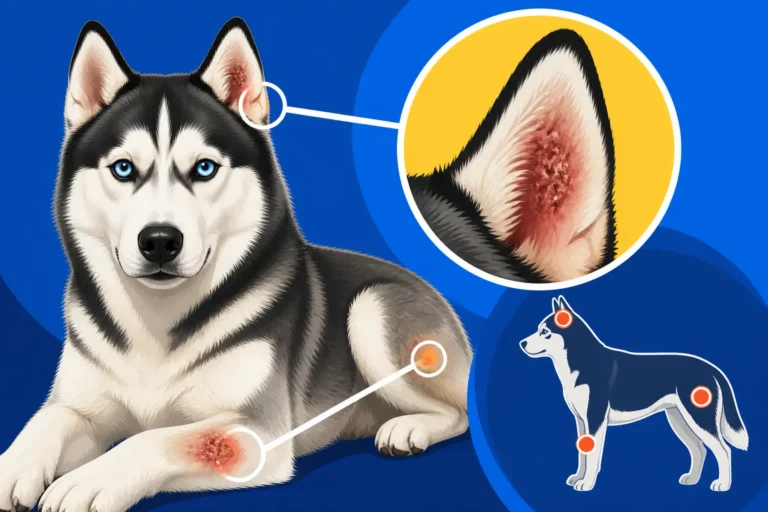
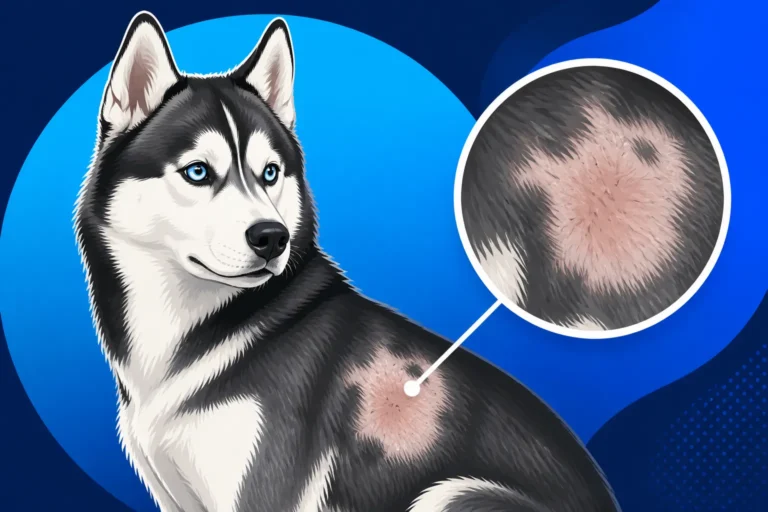
The symptoms are often tell-tale, once you know what to look for, but they can be maddeningly similar to other common skin ailments like allergies or even bacterial infections. You might first notice red, crusty, or scaly patches of skin. These lesions tend to show up in specific areas: around the eyes, muzzle, and chin – almost like they're wearing a crusty mask. You might also see them on the ear tips, and critically, on pressure points like the elbows, hocks, and sometimes the groin or armpits. The skin can become thickened, cracked, and very painful. Hair loss in these areas is also common, and the underlying skin can be quite inflamed. It's truly uncomfortable for your dog, often leading to itching, rubbing, and general misery. Without intervention, these areas can become secondary infected with bacteria or yeast, compounding the problem and making diagnosis even more complicated for your vet. Many of us have gone down the rabbit hole of allergy tests, special diets, and endless creams, only to find the root cause was this specific mineral deficiency. This condition is also discussed in depth in our article, Zinc-Responsive Dermatosis in the Siberian Husky.
Why a "Normal" Diet Isn't Enough
This is where the frustration really sets in for devoted Husky parents. You've researched, you've invested in what you believe to be a high-quality, balanced dog food – perhaps a premium kibble, or even a raw or home-cooked diet with carefully selected ingredients. You read the label, and it clearly states that it meets AAFCO standards and contains adequate levels of zinc. So, why on earth is your Husky still showing signs of a zinc deficiency?
The cruel irony here is that for a Siberian Husky, "adequate" on a label might not be adequate for their unique physiology. Most dog food formulations are designed for the average canine, whose digestive system is perfectly capable of extracting and absorbing zinc from the food presented. Huskies, however, aren't "average" in this regard. Their metabolic quirks mean that even if the zinc is present in the bowl, a significant portion of it might not make it into their system where it can do its job. It's not about the quantity of zinc in the food as much as it is about the bioavailability of that zinc for their specific breed. This often leaves owners feeling confused, thinking they must be doing something wrong with their feeding regimen, when in reality, they're battling a genetic hand that nature has dealt their furry friend. Understanding this distinction is the first step toward effective management and alleviating your Husky's discomfort.
The Biological Mechanisms Behind Poor Zinc Absorption
Now, let's get into the nitty-gritty of why our magnificent Siberian Huskies struggle with zinc absorption. It’s not just a random quirk; it’s rooted in their unique genetics and can be influenced by certain dietary factors, even in the best-intentioned feeding plans. Knowing these mechanisms helps us understand why a blanket approach to nutrition often fails for this breed.
A Genetic Predisposition: The Husky's Unique Metabolism
At the heart of the matter is genetics. Siberian Huskies, along with a few other northern breeds, are simply wired differently when it comes to zinc metabolism. This isn't a deficiency in their diet; it's an inherent inefficiency within their own bodies. Researchers believe this predisposition stems from a defect in the intestinal cells responsible for transporting zinc from the digestive tract into the bloodstream. Think of it like a faulty gate that's supposed to let zinc molecules pass through to where they're needed, but it either doesn't open wide enough or doesn't open often enough.
This means that even if your Husky eats a diet perfectly adequate in zinc for most dogs, their body just can't extract and utilize it effectively. This is why you'll hear vets and breeders often refer to it as "Zinc-Responsive Dermatosis Type I" – indicating a genetic, primary issue with absorption or metabolism. It's not due to a poor diet; it's how their system is built. This genetic factor is one of the reasons why you might see symptoms of zinc deficiency even in young Siberian Huskies, sometimes as early as puppyhood, as highlighted in The Age Husky Zinc Dermatosis Starts. It's a lifelong condition because it's woven into their DNA, not a temporary dietary oversight. This is crucial for owners to understand, as it shifts the focus from finding the "perfect" zinc-rich food to addressing the fundamental absorption problem with direct supplementation.
Interfering Factors in the Diet Even Good Ones
While the genetic predisposition is the primary culprit, certain components in a Husky's diet, even high-quality ones, can unknowingly exacerbate the problem by further hindering the already challenged zinc absorption. These are factors that bind with zinc in the digestive tract, making it even harder for the body to absorb.
One of the most common interfering factors is phytates, which are compounds found naturally in many plant-based ingredients, particularly in grains, legumes, and certain seeds. Phytates have a strong binding affinity for minerals like zinc, forming complexes that are largely indigestible. When zinc is bound to phytates, it simply passes through the digestive system without being absorbed, essentially robbing your Husky of the zinc that was present in their food. This is why, even if your premium kibble lists a good amount of zinc, if it's high in grains or legumes, a significant portion of that zinc might be unavailable to your genetically predisposed Husky.
Another factor, though less frequently the main cause in Huskies than the genetic issue, can be excessive calcium in the diet. Calcium can compete with zinc for absorption pathways in the gut. While calcium is vital for bone health, too much of it – perhaps from over-supplementation or certain food formulations – can further impede zinc uptake in a breed already struggling with this process. Similarly, high levels of copper can also interfere with zinc absorption, as these minerals often use similar transport proteins in the gut. However, for most Huskies with Zinc-Responsive Dermatosis, the genetic inefficiency is the dominant factor, with phytates being the most significant dietary exacerbator, not necessarily an overall lack of zinc in the food itself. This means that simply switching to a "zinc-rich food for a Siberian Husky" often isn't enough to solve the problem, though some dietary changes can certainly support better absorption once supplementation begins.
Recognizing the Signs and Getting a Proper Diagnosis
Spotting the signs of poor zinc absorption in a Siberian Husky can be tricky, as many symptoms mimic other common skin ailments. However, knowing what to look for and understanding the diagnostic process is key to getting your Husky the right treatment and relief. Early recognition can prevent prolonged discomfort and more severe skin damage.
Common Symptoms and Where They Appear First
The hallmark signs of Zinc-Responsive Dermatosis are often quite specific in their presentation, which can help differentiate them from other skin conditions. The most common lesions typically manifest as red, crusty, scaly, and often thickened patches of skin.
You'll usually notice these changes first, and most prominently, on the face. Think around the eyes, forming a sort of "spectacled" appearance, across the bridge of the nose, around the muzzle, and on the chin. It's often described as a "crusting skin on a Siberian Husky's face," and this can be incredibly uncomfortable, leading to rubbing and scratching. Beyond the face, these characteristic lesions commonly appear on the ear tips, which might look dry, scaly, and even have hair loss. Other areas frequently affected are the pressure points on the limbs, such as the elbows and hocks, where the skin can become quite thick and develop painful cracks. Less commonly, you might find similar lesions in the groin, armpits, or around the paw pads.
In more severe or prolonged cases, these lesions can become quite deep, painful, and prone to secondary bacterial or yeast infections, which will make the skin even redder, itchier, and potentially smelly. Your Husky might also become lethargic, show a decreased appetite, or generally seem unwell if the condition is very advanced. It's easy to mistake these symptoms for allergies, food sensitivities, or even an unrelated skin infection, which is why a thorough diagnostic process is so important. When you see these particular patterns, especially the facial crusting, it should immediately raise a red flag for potential zinc deficiency. You can find more details on specific lesion locations in our article Where Husky Zinc Dermatosis Lesions Appear First.
The Diagnostic Journey: Skin Biopsies and Beyond
Getting a definitive diagnosis of Zinc-Responsive Dermatosis requires a careful and methodical approach from your veterinarian, as ruling out other conditions is a crucial first step. When you bring your Husky in with these suspicious skin lesions, your vet will likely start by performing a comprehensive physical exam and discussing your dog’s diet, lifestyle, and any changes you’ve observed.
Initially, your vet will want to rule out other more common causes of skin problems. This might involve skin scrapes to check for mites (like mange), fungal cultures to look for ringworm, or allergy testing (either dietary elimination trials or environmental allergy testing) to see if the symptoms are related to environmental or food allergies. It's worth remembering that "telling Husky Zinc Dermatosis from an allergy" can be tough without the right diagnostic steps, as symptoms can overlap.
The most definitive diagnostic tool for Zinc-Responsive Dermatosis is often a skin biopsy. This involves taking a small tissue sample from an affected area, usually under local anesthesia, and sending it to a specialized veterinary dermatopathologist. The pathologist will examine the tissue under a microscope for characteristic changes in the skin cells that are indicative of zinc deficiency, such as parakeratosis (retention of nuclei in the stratum corneum) and follicular atrophy. This microscopic evidence provides a strong confirmation of the diagnosis.
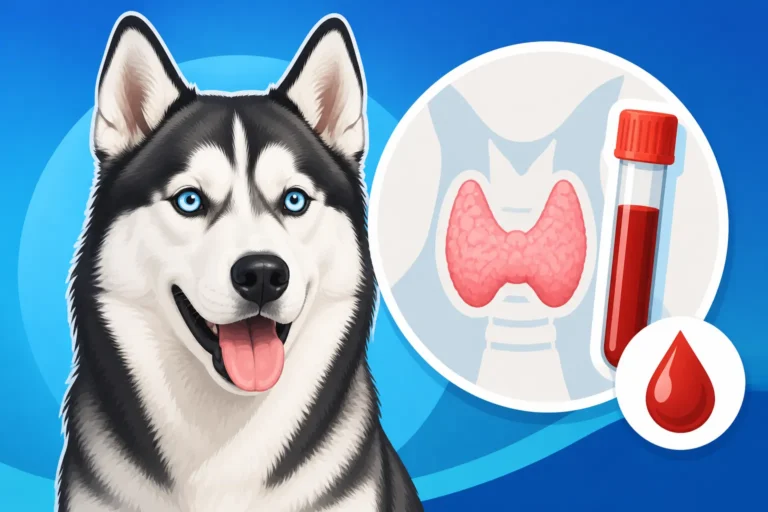
Interestingly, blood tests for zinc levels are generally not reliable for diagnosing this condition in Huskies. Their serum zinc levels can often appear normal even when they are clinically deficient at a cellular level due to the absorption issues. Therefore, while a blood test might be part of the initial work-up, a normal result should not rule out Zinc-Responsive Dermatosis if the clinical signs and breed predisposition strongly suggest it. This diagnostic journey can be frustrating and sometimes lengthy, but it’s essential to pinpoint the exact cause of your Husky's discomfort and ensure appropriate, targeted treatment.
Managing Zinc-Responsive Dermatosis: A Lifelong Commitment
Once a diagnosis of Zinc-Responsive Dermatosis is confirmed, the good news is that it’s a highly treatable condition, though it does require a lifelong commitment from you, the owner. The goal of management is to ensure your Husky receives and properly utilizes enough zinc to maintain healthy skin and overall well-being.
Zinc Supplementation: Finding the Right Form and Dose
The cornerstone of treating Zinc-Responsive Dermatosis in Siberian Huskies is, predictably, zinc supplementation. Since their bodies struggle to absorb it from food alone, direct supplementation becomes necessary to bypass the metabolic inefficiencies. However, it's not a "one-size-fits-all" approach, and working closely with your veterinarian is paramount, as too much zinc can be toxic.
There are several forms of zinc supplements available, and the choice can sometimes impact absorption and effectiveness. The most common forms include:
- Zinc Sulfate: This is a readily available and often effective form. It's an inorganic salt and can be a good starting point.
- Zinc Gluconate: Another common form, also an inorganic salt, often well-tolerated.
- Zinc Methionine: This is a chelated form, meaning the zinc is bound to an amino acid (methionine). Chelated minerals are often touted for their improved bioavailability, meaning they are more easily absorbed by the body. For a breed like the Husky with absorption challenges, zinc methionine is often the preferred choice by many veterinarians and owners due to its potentially superior uptake.
Your vet will determine the starting dose, which is critical. It typically involves higher doses initially to resolve the acute lesions, followed by a maintenance dose once the skin has healed. The typical recommendation is usually around 2-3 mg of elemental zinc per kilogram of body weight per day, often split into two doses. However, this is just a general guideline, and your vet will tailor it to your specific dog. It's crucial not to self-medicate or exceed prescribed doses because "why too much zinc hurts a Siberian Husky" is a real concern. Zinc toxicity can lead to serious issues like vomiting, diarrhea, anemia, and even liver or kidney damage.
Once treatment begins, you should start to see improvement in the skin lesions within a few weeks, with full resolution taking a month or two. After the acute flare-up is controlled, your Husky will likely need a lower, daily maintenance dose for the rest of their life. This is why our article Whether a Husky Needs Zinc for Life emphasizes that this condition requires ongoing management. Regular follow-up appointments with your vet will be necessary to monitor their progress and adjust the dose as needed, ensuring they're getting enough zinc without over-supplementation.
Dietary Adjustments to Support Absorption
While zinc supplementation is the primary treatment, making some strategic dietary adjustments can definitely support your Husky's ability to absorb and utilize zinc, making the supplements even more effective. These aren't usually standalone solutions but rather complementary strategies.
As we discussed, phytates in plant-based ingredients can bind with zinc and hinder its absorption. Therefore, one key dietary strategy is to consider a diet that is lower in these compounds. This might involve:
- Reducing or eliminating grains and legumes: Many commercial dog foods contain ingredients like corn, soy, peas, and lentils, all of which are high in phytates. While grain-free diets have had some controversy regarding cardiac health, a carefully selected, veterinarian-approved grain-free option could be beneficial if phytate interference is a significant factor for your individual Husky. It’s always best to discuss this with your vet to ensure it's the right choice.
- Opting for higher-quality protein sources: Diets rich in animal protein tend to have fewer phytates than those heavy in plant-based fillers. Focus on foods where meat is the first and primary ingredient.
- Avoiding excessive calcium supplementation: While calcium is essential, too much can compete with zinc for absorption. If you're giving a raw diet or adding calcium for other reasons, ensure it's balanced and not over-dosed.
It’s important to reiterate that simply changing your Husky's food to a "low-phytate" or "grain-free" option is rarely enough to resolve established Zinc-Responsive Dermatosis, particularly given the strong genetic component. These dietary adjustments are primarily aimed at optimizing the environment for zinc absorption and minimizing anything that might work against the prescribed supplements. They are a supportive measure, not a replacement for direct zinc supplementation. For more detailed information on specific dietary changes, you can refer to Diet Changes That Help Husky Zinc Absorption. Remember, always consult your vet before making significant changes to your Husky's diet, especially when managing a chronic health condition.
Long-Term Outlook and Preventing Recurrence
Managing Zinc-Responsive Dermatosis is undeniably a lifelong commitment, but with consistent treatment, most Siberian Huskies can lead full, comfortable lives. The key is understanding that this is a chronic condition that will require ongoing attention, not a temporary ailment that simply goes away.
Once the initial skin lesions have cleared up with proper zinc supplementation, the focus shifts to preventing recurrence. This means sticking diligently to the prescribed maintenance dose of zinc, usually daily, for the rest of your Husky’s life. Missing doses or stopping supplementation can quickly lead to a return of those frustrating and painful skin issues. Think of it like managing a human with a thyroid condition; consistent medication is the key to stability.
Regular vet check-ups are also crucial. Your veterinarian will want to periodically assess your Husky's skin health, monitor for any subtle signs of recurrence, and potentially perform blood work to ensure overall health. They may also adjust the zinc dosage over time, depending on your dog's age, weight, and any changes in their health status. This proactive approach helps catch any potential issues early before they escalate into severe flare-ups.
Considering the ongoing nature of this condition, it’s also wise to think about the financial aspects. Recurring vet visits, prescriptions for zinc supplements, and potentially specialist consultations can add up over time. This is where pet insurance can be an invaluable resource. Companies like Healthy Paws often cover ongoing treatments for chronic conditions that are not pre-existing. If you enroll your Siberian Husky before any symptoms of Zinc-Responsive Dermatosis appear (or before diagnosis), a good policy can help significantly with the costs of managing this condition, from the initial diagnostic tests to the lifelong medication. It's a smart way to ensure you can always provide the best care without financial strain. Taking on a pet is a big responsibility, and while conditions like this are manageable, it's good to be prepared for the journey.
Zinc Supplementation Forms Comparison
To help you understand the options your vet might discuss, here's a quick comparison of the common zinc supplement forms used in dogs.
| Zinc Form | Type | Absorption Notes | Common Use Cases |
|---|---|---|---|
| Zinc Sulfate | Inorganic | Generally well-absorbed; affordable. | Often a first-line choice; good efficacy for many dogs. |
| Zinc Gluconate | Inorganic | Good absorption; similar to sulfate. | Commonly used, sometimes preferred for gastric tolerance. |
| Zinc Methionine | Chelated | Higher bioavailability due to amino acid binding. | Often preferred for breeds with absorption issues (like Huskies) or if other forms are less effective. Potentially higher cost. |
It's important to note that elemental zinc content varies between these forms, so your vet will calculate the precise dose based on the specific supplement they recommend.
Disclaimer
The information provided in this article is for educational purposes only and is not a substitute for professional veterinary advice. Always consult with your veterinarian regarding your Siberian Husky's health, diagnosis, and treatment plan, especially when dealing with specific medical conditions like Zinc-Responsive Dermatosis.