Zinc Doses Used in Siberian Huskies
It's incredibly frustrating when your beautiful Siberian Husky starts developing unexplained skin issues—patches of crusty, scaly skin around their eyes, muzzle, or even on their paw pads. You might be feeding them the best food, grooming them diligently, and still, these persistent problems crop up. This guide aims to demystify one of the unique challenges many Husky owners face: Zinc-Responsive Dermatosis, and specifically, the often-confusing topic of zinc doses used in Siberian Huskies to help manage it.
Understanding Zinc-Responsive Dermatosis in Siberian Huskies
Siberian Huskies are magnificent, resilient dogs, but they come with their own set of quirks, and unfortunately, a susceptibility to certain health conditions is one of them. Zinc-Responsive Dermatosis (ZRD) is a skin condition that, while not exclusive to Huskies, is certainly something this breed experiences more frequently than others. It's not just a superficial skin problem; it's a metabolic issue that can cause significant discomfort and, if left untreated, impact their overall health.
Why Huskies Have Unique Zinc Needs
Unlike many other breeds where zinc deficiency might be linked to a poor diet, the issue in Siberian Huskies is usually not about the amount of zinc in their food. Instead, it's about their body's ability to absorb and utilize the zinc they consume. This is often a genetic predisposition, meaning that even on a high-quality, balanced diet, some Huskies struggle to get enough usable zinc into their system. It’s like having all the ingredients for a cake but lacking the oven to bake it – the ingredients are there, but they can't be processed correctly. This malabsorption means that a Husky might need significantly more zinc than other dogs just to maintain healthy levels, or they might need a specific form of zinc that their system can process more effectively. This unique metabolic challenge is why standard dietary advice often falls short for these dogs.
Spotting the Signs of Zinc Dermatosis
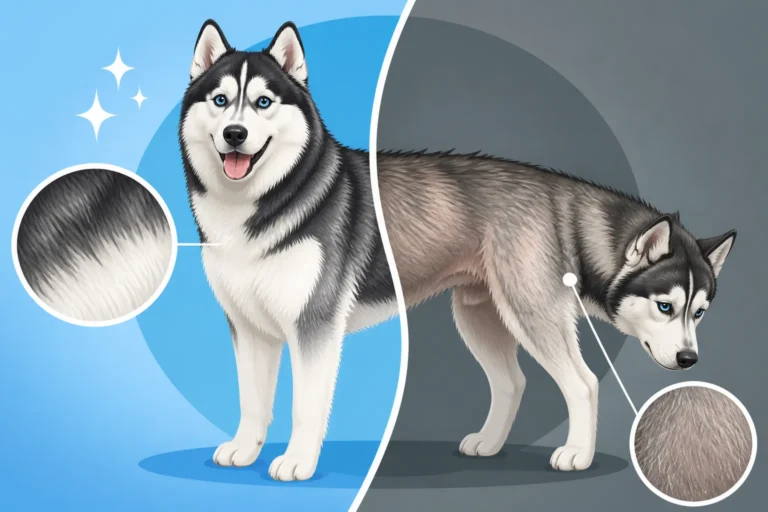
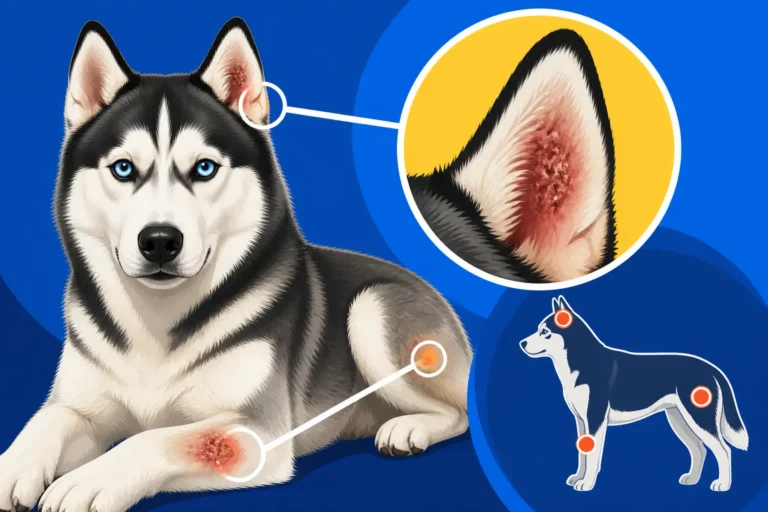
Recognizing ZRD early can save your Husky a lot of discomfort. The signs often appear insidiously, starting subtly and worsening over time. You might first notice small, crusty lesions, especially around the eyes, muzzle, chin, and ears. These aren't just dry patches; they can be thick, scaly, and sometimes itchy, leading to further irritation from scratching. The skin itself might appear reddened or inflamed. Beyond the face, these lesions can pop up in other friction-prone areas like the elbows, hocks, and even on the pads of their feet, making walking painful. The hair around these affected areas might thin or fall out, creating bald spots. In more severe cases, your Husky might seem lethargic, lose their appetite, or develop secondary bacterial or yeast infections in the compromised skin, leading to a foul odor. If you've been noticing any crusting skin on a Siberian Husky's face, it's definitely time to consult your vet.
Diagnosing Zinc-Responsive Dermatosis
The tricky part about ZRD is that its symptoms can mimic a host of other skin conditions, from allergies to autoimmune diseases or even bacterial infections. This is why a proper veterinary diagnosis is absolutely crucial. You can't just assume your Husky has ZRD and start supplementing; you need a professional to confirm it, not only to ensure correct treatment but also to rule out other, potentially more serious, underlying issues.
The Diagnostic Process
When you bring your Husky to the vet with suspected ZRD symptoms, they'll perform a thorough physical examination and discuss their medical history. They'll likely want to rule out more common culprits first. This could involve skin scrapings to check for parasites, fungal cultures for ringworm, or allergy testing. However, the most definitive way to diagnose ZRD is through a skin biopsy. This involves taking a small sample of the affected skin, typically under local anesthetic, and sending it to a veterinary pathologist. The pathologist will examine the tissue under a microscope for specific cellular changes characteristic of ZRD. These changes often show parakeratosis (retention of nuclei in the stratum corneum) and follicular atrophy. Blood tests for zinc levels can sometimes be indicative but aren't always conclusive for diagnosis, as blood levels don't always reflect cellular absorption or utilization. Sometimes, vets might try a therapeutic trial, administering zinc and observing for improvement, but a biopsy remains the gold standard to truly confirm the diagnosis and avoid giving unnecessary supplements.
Avoiding Self-Diagnosis and Over-Supplementation
It's tempting, when you see your beloved Husky suffering, to try to solve the problem yourself, especially with so much information available online. However, self-diagnosing ZRD and giving your Siberian Husky zinc without veterinary guidance can be risky. While zinc is an essential trace mineral, too much of a good thing can indeed be harmful. Excess zinc can lead to copper deficiency, as zinc and copper compete for absorption. Copper deficiency can cause serious health problems, including anemia and neurological issues. Moreover, if the skin problem isn't ZRD but something else entirely, like an allergy or an autoimmune condition, giving zinc will not only fail to resolve the issue but could delay the correct diagnosis and treatment, allowing the true problem to worsen. For example, telling Husky Zinc Dermatosis From an Allergy can be difficult even for seasoned vets, requiring specific tests. Always work closely with your veterinarian to ensure your Husky gets the right diagnosis and the appropriate treatment plan.
Administering Zinc: Dosage, Forms, and Management
Once your veterinarian has definitively diagnosed Zinc-Responsive Dermatosis, the real work of managing the condition begins. This involves carefully chosen zinc supplements, starting with a loading dose and then transitioning to a maintenance regimen. It's a journey that requires patience and close monitoring.
Initial Loading Doses for Active Flare-ups
When a Siberian Husky is experiencing an active flare-up of ZRD, the initial goal is to quickly replenish their zinc levels and resolve the skin lesions. This typically involves a higher, "loading" dose of zinc. The type of zinc supplement also matters, as some forms are more bioavailable than others.
Here are the most common forms of zinc supplements used and general dosage ranges for a loading phase (always consult your vet for precise instructions):
- Zinc Sulfate: This is a common and often effective choice. It's readily available and usually given at a dose of 2-3 mg of elemental zinc per kilogram of body weight, once or twice daily. For an average 50-pound (22.7 kg) Husky, this could mean roughly 45-68 mg of elemental zinc per dose.
- Zinc Gluconate: Another good option, often causing less gastric upset than zinc sulfate. Doses are similar, usually 2-3 mg of elemental zinc per kilogram of body weight, once or twice daily.
- Zinc Methionine (e.g., Zinc Picolinate, OptiZinc): These forms are chelated, meaning the zinc is bound to an amino acid, which can sometimes improve absorption and reduce gastrointestinal irritation. Doses are typically lower than sulfate or gluconate, often around 1-2 mg of elemental zinc per kilogram of body weight, once or twice daily.
It's important to remember that these are elemental zinc doses. When you look at a supplement label, it will state the total amount of the zinc compound (e.g., 220 mg zinc sulfate), and then usually the elemental zinc content (e.g., "provides 50 mg elemental zinc"). Your vet will calculate the dose based on elemental zinc. Administering these loading doses, usually with food, will continue until the skin lesions show significant improvement, which can take several weeks.
Establishing a Maintenance Dose
Once the initial flare-up is under control and the skin has healed, the next step is to transition your Husky to a maintenance dose. This is a lower dose designed to keep their zinc levels stable and prevent recurrence of ZRD. The maintenance dose is highly individualized and will be determined by your vet based on your dog's response to the loading dose.
Typical maintenance doses are often half to one-quarter of the loading dose, given once daily or even every other day. For example, if your Husky started on 50 mg elemental zinc twice a day, they might be moved to 25-50 mg once daily, or even 25 mg every other day. The goal is to find the lowest effective dose that keeps your Husky symptom-free. This often means that whether a Husky needs zinc for life will depend on this ongoing maintenance. This is where close observation from you and regular follow-ups with your vet become essential. You’ll be looking for any signs of the lesions returning to indicate the dose might be too low, or any side effects to suggest it might be too high.
Monitoring and Potential Side Effects
While zinc supplementation is generally safe when properly dosed, monitoring for both efficacy and side effects is crucial. Regular vet check-ups will involve assessing your Husky's skin condition. Your vet might also recommend periodic blood tests to monitor zinc levels, although, as mentioned, blood levels don't always perfectly reflect tissue levels. More importantly, they'll check other blood parameters, like copper, to ensure that the zinc isn't causing a secondary deficiency.
Potential side effects, especially with higher doses or if given on an empty stomach, include:
- Gastrointestinal upset: Vomiting, diarrhea, or loss of appetite are the most common. Giving zinc with food often helps mitigate these issues.
- Copper deficiency: As mentioned earlier, excessive zinc can interfere with copper absorption. Signs of copper deficiency include anemia (pale gums, lethargy) and, in severe cases, neurological problems. This is why it’s critical to stick to prescribed doses and monitor with your vet. Why too much zinc hurts a Siberian Husky isn't just a hypothetical; it can have real, detrimental health consequences.
If you notice any adverse reactions, contact your veterinarian immediately. They may adjust the dose, switch the form of zinc, or modify the frequency of administration. Vet visits for this monitoring are important, and having pet insurance like Healthy Paws can certainly help manage the ongoing costs of these specialized care appointments and diagnostic tests, ensuring your Husky gets the best possible oversight.
Long-Term Care and Dietary Considerations for ZRD
Living with a Siberian Husky diagnosed with Zinc-Responsive Dermatosis means embracing a long-term management strategy. It’s not a quick fix, but with consistent care and a strong partnership with your veterinarian, your Husky can lead a comfortable, symptom-free life. This often involves careful consideration of their diet, even if diet isn't the primary cause of ZRD.
Dietary Adjustments and Zinc Absorption
While ZRD in Huskies is primarily an absorption issue rather than a dietary deficiency, certain dietary choices can still influence how well your Husky utilizes the supplemental zinc. High-calcium diets, for instance, can interfere with zinc absorption. Similarly, diets very high in phytates (found in some grains and legumes) can also bind to zinc, making it less available. This is why many vets recommend feeding a high-quality, balanced commercial diet that isn't excessively high in calcium.
However, it's crucial to understand that simply switching to a "zinc-rich" dog food or a "balanced" diet is usually not enough to correct ZRD in a Husky. Their inherent inability to absorb zinc efficiently means they almost always require supplementation. If you're wondering why a balanced diet does not fix Husky zinc loss, it boils down to that fundamental absorption problem. Some owners explore specialized diets, but these should always be done under veterinary supervision to ensure nutritional completeness and to avoid inadvertently worsening the zinc absorption issue.
Here's a quick comparison of zinc forms and typical dosages:
| Zinc Form | Elemental Zinc (Typical Loading Dose/kg) | Elemental Zinc (Typical Maintenance Dose/kg) | Notes |
|---|---|---|---|
| Zinc Sulfate | 2-3 mg/kg, BID | 0.5-1 mg/kg, SID or EOD | Common, affordable, sometimes GI upset |
| Zinc Gluconate | 2-3 mg/kg, BID | 0.5-1 mg/kg, SID or EOD | Good absorption, less GI upset than sulfate |
| Zinc Methionine | 1-2 mg/kg, BID | 0.25-0.5 mg/kg, SID or EOD | Chelated for potentially better absorption, less GI upset |
SID = once daily, BID = twice daily, EOD = every other day. Always confirm specific dosages with your veterinarian.
Ongoing Management and Veterinary Partnership
Managing Zinc-Responsive Dermatosis is a commitment. It means consistently administering the prescribed zinc doses, observing your Husky for any recurrence of symptoms, and maintaining regular veterinary check-ups. These follow-up appointments are vital for your vet to monitor your Husky's response to treatment, adjust dosages as needed, and screen for any potential side effects like copper deficiency.
Your vet might also suggest periodic blood work to check organ function and red blood cell counts, especially if your Husky is on zinc long-term. Remember, ZRD is usually a lifelong condition, meaning your Husky will likely need zinc supplementation indefinitely. This means budgeting for ongoing medication and veterinary care. Having a comprehensive pet insurance plan, such as one from Healthy Paws, can be an invaluable asset in helping to cover these recurring costs, giving you peace of mind that your Husky's long-term health needs are financially manageable.
By working closely with your veterinarian and staying vigilant about your Husky's health, you can ensure they live a full and happy life, free from the discomfort of ZRD. It’s a journey, but one well worth taking for these wonderful companions.
Disclaimer
This article is intended for informational purposes only and does not constitute professional veterinary advice. Always consult with a qualified veterinarian for any health concerns or before making any decisions about your pet's medical care, diagnosis, or treatment, especially regarding specific medication dosages or dietary changes.