Whether Neutering Changes a Siberian Husky’s Coat
It's a common, completely valid concern for Siberian Husky owners: you've heard whispers, perhaps seen pictures, of what some call a "spay coat" or "post-neutering coat," and the worry is real. You love your Husky's magnificent, weather-proof fur, and the thought of it changing dramatically after spaying or neutering can be quite unsettling. This guide is here to walk you through exactly why these changes can occur, what they might look like, and most importantly, how to manage your Husky's coat to keep them happy and healthy should it happen.
Understanding the Siberian Husky's Unique Coat
Before we dive into the nitty-gritty of how neutering can affect a Husky's coat, it's crucial to appreciate what makes their fur so special in the first place. Siberian Huskies weren't just bred for their striking looks; their coat is a masterpiece of natural engineering, perfectly adapted for the harsh, frigid environments they originated from.
The Double Coat's Purpose and Structure
A Siberian Husky's coat is what we call a "double coat," and it's this unique structure that gives them their incredible resilience and adaptability. It's not just one layer of fur; it's two distinct layers working in harmony.
First, you have the undercoat. This is the soft, dense, downy layer that lies closest to the skin. Think of it like a Husky's personal thermal underwear. It's incredibly efficient at trapping air, creating an insulating barrier that protects them from both extreme cold and, surprisingly, intense heat. This undercoat can be incredibly thick, especially in Huskies bred for colder climates or those who spend a lot of time outdoors. It's the primary reason why a Husky can comfortably curl up in the snow, even when temperatures plummet.
Then, you have the guard hairs. These are the longer, coarser, and somewhat stiffer hairs that form the outer layer of the coat. They're designed for protection. The guard hairs are water-resistant, shedding snow and rain right off, and they also protect the delicate undercoat and skin from UV rays, dirt, and minor abrasions. They lay smoothly over the undercoat, creating that sleek, streamlined appearance Huskies are known for. These guard hairs also help regulate body temperature by preventing too much heat from reaching the skin in warmer weather, and conversely, keeping precious warmth locked in when it's freezing. This protective outer layer is why you must never shave a Siberian Husky, as it disrupts their natural thermoregulation and can lead to sunburn or difficulty staying cool.
Natural Coat Blows and Shedding Cycles
One thing every Husky owner quickly learns – often by finding fur tumbleweeds floating through their living room – is that Siberian Huskies shed. And they don't just "shed" like other dogs; they "blow" their coats. This is a dramatic, intense period of shedding where they lose vast quantities of their undercoat, and sometimes some guard hairs too.
Typically, Siberian Huskies experience two major coat blows a year: once in the spring to shed their heavy winter coat and prepare for warmer weather, and again in the fall to make way for a new, thicker winter coat. Each coat blow can last for several weeks, sometimes even six weeks, turning your home into a furry wonderland. During these times, daily brushing with an undercoat rake is not just recommended, it's practically mandatory to help them shed the dead fur and prevent matting.
Beyond these major seasonal events, Huskies do have a baseline level of shedding throughout the year, but it’s usually much less noticeable than the full-blown molts. These cycles are heavily influenced by environmental factors like temperature and daylight hours, but also by internal factors, most notably hormones. Understanding these natural cycles is key to recognizing any abnormal changes that might occur after a surgical procedure like neutering.
The Hormonal Connection to Coat Health
It might seem strange to link surgery on reproductive organs to changes in a dog's fur, but our canine companions are complex biological systems. Hormones, those chemical messengers coursing through their bodies, play a profound role in everything from mood and metabolism to, you guessed it, the health and growth of their coat.
How Sex Hormones Influence Hair Growth
The sex hormones produced by the ovaries in females (estrogen) and the testes in males (testosterone) are not just involved in reproduction. They significantly impact hair follicle cycles. Hair growth occurs in phases: anagen (growth), catagen (transitional), and telogen (resting). The balance and levels of sex hormones can influence the duration of each phase, the thickness of the hair, and even the texture and color of the coat.
For instance, robust levels of these hormones during a dog's prime reproductive years often contribute to a healthy, lustrous coat. In female dogs, you might even notice subtle coat changes during their heat cycles, where hormonal fluctuations are more pronounced. Think of how human hair can change during pregnancy or menopause – similar hormonal shifts are at play, though the effects manifest differently in dogs. These hormones help maintain the natural shedding cycle, ensuring that old hair is replaced by new hair efficiently, contributing to the distinct quality of a healthy Siberian Husky coat.
What Happens Post-Neutering or Spaying
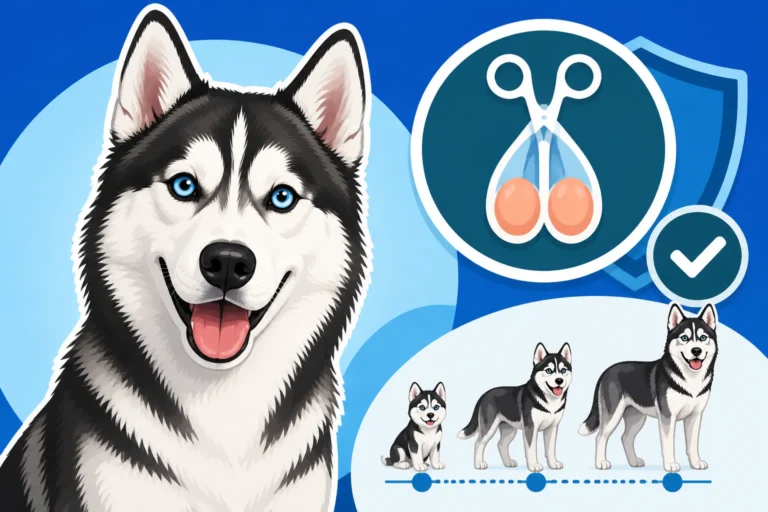
When a dog is neutered (males) or spayed (females), the primary source of these sex hormones is removed. This leads to a significant and permanent drop in estrogen or testosterone levels. This hormonal shift can have several systemic effects, and one area where these changes sometimes manifest visibly is in the coat.
Without the regulatory influence of these sex hormones, the hair growth cycle can become disrupted. Specifically, the telogen (resting) phase might extend, meaning old hair is held onto for longer, and the anagen (growth) phase might be less efficient, leading to a poorer quality of new growth. This isn't just a theory; it's a phenomenon observed in various breeds, though some, like the Siberian Husky, seem more predisposed to noticeable changes due to their dense double coats. The body's entire endocrine system adjusts to this new normal, and for some dogs, that adjustment includes how their hair follicles behave. It’s a bit like taking away a crucial conductor from an orchestra; while the music might still play, the harmony can change.
The "Spay Coat" Phenomenon in Siberian Huskies
The term "spay coat" or "post-neutering coat" isn't an official veterinary diagnosis, but it's a very real and widely recognized phenomenon among owners and breeders of certain double-coated breeds, including Siberian Huskies. It describes a specific type of coat change that can occur after spaying or neutering.
Describing the Spay Coat
When a Siberian Husky develops a spay coat, the most striking characteristic is an excessive growth of the undercoat. Instead of shedding out as it normally would during seasonal coat blows, the undercoat seems to just keep growing, becoming incredibly dense and wooly. This often results in a coat that appears:
- Excessively thick and fluffy: Far beyond the normal plushness of a Husky's coat.
- Dull and lifeless: The guard hairs, which normally provide sheen and structure, can become overshadowed and even pushed out by the overwhelming undercoat. They might also appear thinner or more brittle.
- Softer texture: The entire coat can feel much softer and less coarse than a typical Husky coat, almost cotton-like, due to the dominance of the undercoat.
- Prone to matting: The unchecked growth of the undercoat, combined with its soft texture, makes it a magnet for mats and tangles, especially in friction areas like behind the ears, under the legs, and around the tail.
- Less defined lines: The natural, sleek silhouette of a Husky can become obscured by the "wooly" growth.
This change usually doesn't happen overnight. It can develop gradually over several months to a year after the surgery. While some might describe it as simply "more fur," it's often a qualitatively different kind of fur that doesn't function as effectively as the original coat.
Why Some Huskies Develop It and Others Don't
This is the million-dollar question, and unfortunately, there's no single, definitive answer. Not every Siberian Husky develops a spay coat, which can be frustrating for owners trying to predict the outcome. Several factors are believed to play a role:
- Genetics: Individual genetic predisposition likely plays a significant part. Some bloodlines or individual Huskies may be inherently more sensitive to hormonal fluctuations. If a Husky's relatives (parents, siblings) have developed a spay coat, there might be a higher chance for them to as well.
- Age at surgery: While not definitively proven for all breeds, some anecdotal evidence suggests that dogs spayed or neutered at a very young age (before their hormones have fully developed) might be more susceptible. However, others argue that age doesn't matter as much as individual response.
- Individual hormonal response: Every dog's endocrine system is unique. The way one Husky's body reacts to the sudden drop in sex hormones might differ from another. Some may compensate more effectively, while others struggle to find a new balance in their hair growth cycles.
- Breed predisposition: Double-coated breeds like Siberian Huskies, Golden Retrievers, Newfoundlands, and Irish Setters seem to be more prone to developing spay coats than single-coated breeds. Their evolutionary need for a very specific type of coat might make them more sensitive to disruptions in its growth.
It's important to differentiate a true "spay coat" from other conditions. Sometimes, coat changes can be indicative of underlying health issues like hypothyroidism. If you notice significant coat changes along with other symptoms like lethargy, weight gain, or skin problems, it's always wise to consult your veterinarian to rule out any medical conditions. A brand like Healthy Paws pet insurance might be a good consideration for unexpected vet visits, especially if a health issue is suspected to be contributing to coat problems.
Impact on Grooming and Health
A spay coat isn't just a cosmetic issue; it can have practical implications for both the Husky and their owner.
Grooming Challenges: The sheer volume and wooly texture of a spay coat make grooming significantly more demanding.
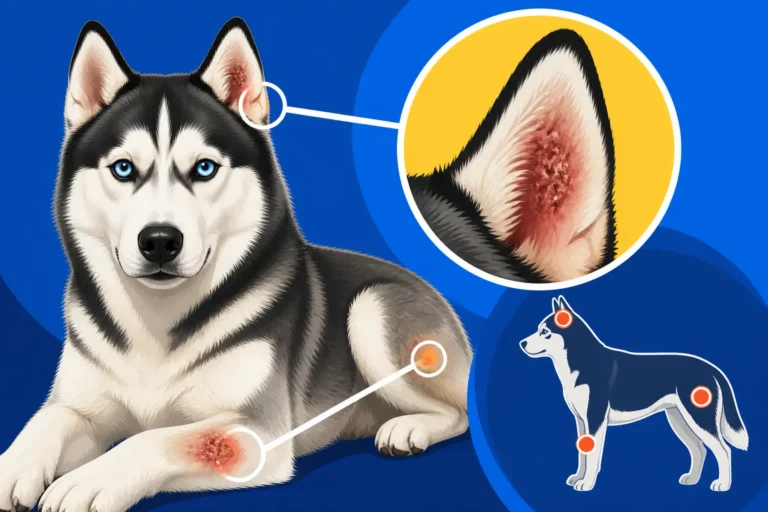
- Matting: The dense undercoat mats easily, especially in high-friction areas. If neglected, mats can pull on the skin, causing pain, irritation, and even skin infections. Removing severe mats often requires professional intervention or even shaving affected areas, which can be uncomfortable for the dog.
- Difficulty in drying: After a bath, a spay coat can take an extraordinarily long time to dry completely, increasing the risk of skin irritation or "hot spots" if moisture is trapped against the skin.
- Shedding: While the coat might hold onto old fur longer, the shedding, when it does occur, can be even more substantial and harder to manage because of the increased undercoat density.
Health and Comfort Concerns:
- Overheating: Ironically, while Huskies are built for cold, an excessively dense, wooly undercoat that doesn't shed properly can actually make them more prone to overheating in warmer climates or during intense exercise. The guard hairs, which normally help regulate temperature by allowing air circulation, can be overwhelmed by the wooly undercoat. A normal Siberian Husky coat keeps heat out in summer, but an altered coat may not perform this function as well.
- Skin issues: Trapped moisture, lack of air circulation, and matting can all contribute to various skin problems, from dermatitis to fungal infections.
Understanding these potential impacts helps owners make informed decisions and prepare for the extra care that might be needed.
Managing Coat Changes After Neutering
Even if your Siberian Husky develops a spay coat, don't despair! While you can't reverse the hormonal changes of neutering, you can absolutely manage the coat to ensure your Husky remains comfortable, healthy, and looking their best. It simply requires a more dedicated and informed approach to grooming and care.
Regular Grooming Strategies for a Changed Coat
The key to managing a spay coat is consistent, thorough grooming. This means stepping up your routine significantly, especially during seasonal changes.
- Daily Brushing, Especially During Coat Blows: Outside of coat blows, aim for 3-4 times a week. During coat blows, daily brushing is non-negotiable. Invest in high-quality grooming tools. An undercoat rake is your best friend for getting deep into that dense fur and removing dead undercoat without damaging the guard hairs. A slicker brush can help detangle and smooth the outer coat, and a pin brush is great for general maintenance and finishing. Be gentle but firm, working in sections. Many owners find a high-velocity dryer invaluable for blowing out loose undercoat after a bath, or even between baths, to prevent mats and accelerate shedding.
- Professional De-Shedding Services: Consider professional grooming, especially during major coat blows. A good groomer who specializes in double-coated breeds can use powerful force dryers and specialized techniques to "blow out" an incredible amount of dead undercoat that you might miss at home. This can significantly reduce shedding in your home and make daily maintenance easier. They also have the expertise to identify and safely address any minor matting before it becomes a major problem.
- Strategic Trimming (NOT Shaving): Remember the cardinal rule: never shave a Siberian Husky. However, some very minor, strategic trimming can be helpful in certain areas to prevent matting or improve hygiene. This might include trimming the fur between paw pads, tidying up the "pants" (fur on the back of the thighs), or a sanitary trim around the rear. This should always be done by a professional groomer or under their guidance.
- Bathing with Proper Drying: Bathe your Husky only when necessary, perhaps every 2-3 months or when they're particularly dirty. Over-bathing can strip natural oils. Use a good quality deshedding shampoo and conditioner designed for double coats. The most critical step after bathing is thorough drying. A high-velocity pet dryer is highly recommended to ensure the undercoat is completely dry to the skin, preventing moisture-related skin issues.
Dietary Adjustments and Supplements
Nutrition plays a vital role in coat health, even for Huskies with a spay coat. A well-balanced diet provides the building blocks for healthy skin and fur.
- High-Quality Diet: Ensure your Husky is on a premium dog food with good protein sources and healthy fats. Look for foods rich in Omega-3 and Omega-6 fatty acids, often derived from fish oil, flaxseed, or chicken fat. These healthy fats are crucial for skin hydration and a healthy, shiny coat.
- Omega Fatty Acid Supplements: Many owners find success adding fish oil (salmon, pollock, or krill oil) supplements to their Husky's diet. These supplements provide concentrated Omega-3s, which can improve skin health, reduce dryness, and contribute to a more vibrant coat. Always discuss appropriate dosages with your vet.
- Biotin and Zinc Supplements: In some cases, supplements like biotin or zinc might be beneficial, especially if your vet identifies any deficiencies or specific skin/coat issues. Siberian Huskies are known for sometimes having issues with zinc absorption, so a zinc supplement for a Siberian Husky might already be a consideration for other health reasons. Consult with your veterinarian before adding any supplements to your Husky's regimen, especially if you have a Healthy Paws pet insurance policy, as some conditions requiring supplements might be covered.
When to Consult a Vet or Professional Groomer
While many coat changes are manageable at home, there are times when professional intervention is necessary.
- Excessive Matting: If mats are severe, close to the skin, or causing pain, do not attempt to cut them out yourself. This can be dangerous and lead to injury. A professional groomer has the tools and expertise to safely remove mats, often with specialized clippers that can get under the mat without cutting the skin.
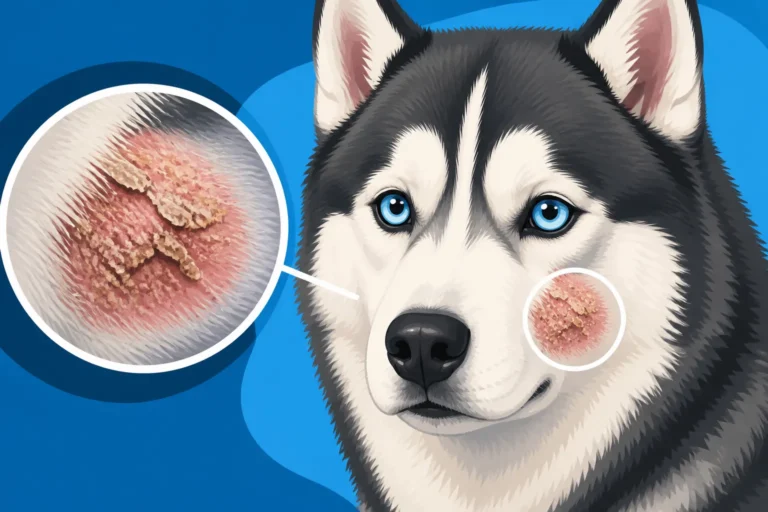
- Skin Irritation or Infections: Any signs of redness, inflammation, sores, excessive scratching, or foul odor beneath the coat warrant a vet visit. These could indicate skin infections, allergies, or other dermatological issues that need medical attention.
- Other Health Concerns: If the coat changes are accompanied by other symptoms like lethargy, changes in appetite or thirst, weight fluctuations, or behavioral changes, it's crucial to consult your veterinarian. These could be signs of underlying medical conditions, such as hypothyroidism, which can also manifest as a dull, thinning, or poor-quality coat. Early diagnosis and treatment are always best.
By being proactive and seeking professional advice when needed, you can effectively navigate the challenges of a spay coat and ensure your Siberian Husky remains happy, healthy, and comfortable.
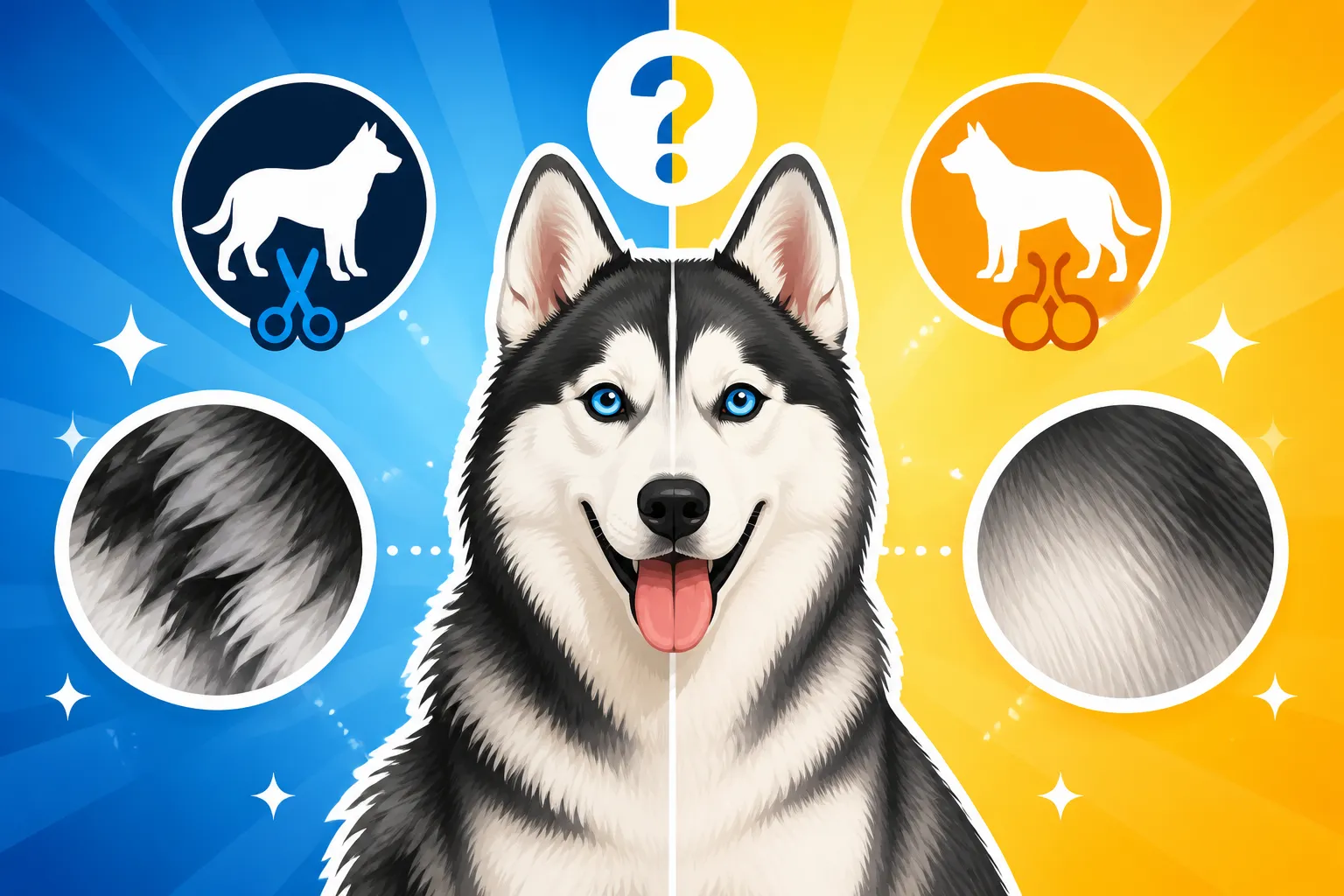
Comparison: Normal Siberian Husky Coat vs. Spay Coat
To help visualize the differences, here's a comparison table:
| Feature | Normal Siberian Husky Coat | "Spay Coat" (Post-Neutering) |
|---|---|---|
| Overall Density | Dense double coat, balanced undercoat and guard hairs | Excessively thick, wooly undercoat dominates |
| Texture | Coarse, sleek guard hairs; soft, dense undercoat | Softer, cotton-like feel due to overgrown undercoat |
| Appearance | Defined guard hairs, natural sheen, weather-resistant look | Dull, less shiny, guard hairs often obscured, shaggy appearance |
| Shedding Cycle | Distinct seasonal "coat blows" (spring/fall); lighter year-round | Undercoat sheds less efficiently, constant, sometimes heavier "fluff" |
| Matting Risk | Moderate, mainly during coat blows if not brushed | High, especially behind ears, armpits, and pants |
| Thermal Reg. | Excellent, regulates temperature in hot and cold | Can be compromised, increased risk of overheating due to trapped undercoat |
| Grooming Needs | Regular brushing (2-3x/week), intensive during coat blows | Daily brushing often needed, professional de-shedding highly recommended |
It’s important to remember that not every Husky will develop a dramatic spay coat, and the degree of change can vary widely. But being prepared for the possibility means you can maintain their health and comfort.
Disclaimer
This article provides general information and guidance regarding potential coat changes in Siberian Huskies after neutering or spaying. It is not a substitute for professional veterinary advice. Always consult with your veterinarian for any health concerns or before making changes to your dog's diet, grooming routine, or medical care. Individual results and experiences may vary.