Anesthesia Risk in a Senior Siberian Husky
The moment your beloved senior Siberian Husky needs to go under anesthesia, it’s natural for your heart to sink a little. The worry about their age, potential underlying health issues, and the general risks associated with sedation can be incredibly stressful. This comprehensive guide is here to walk you through everything you need to know about anesthesia for older Huskies, helping you understand the process, mitigate the risks, and feel more confident in providing the best care for your furry family member.
Why Anesthesia is Different for Senior Huskies
When your Husky is a young pup, anesthesia is often a relatively straightforward procedure. But as they age, their bodies experience a myriad of changes that can significantly alter how they process and recover from sedatives. It’s not just about them being "old"; it's about specific physiological shifts that demand a more cautious and tailored approach from your veterinary team.
Aging Organ Systems and Their Impact
One of the biggest concerns for senior Huskies undergoing anesthesia is the health of their internal organs, particularly the kidneys and liver. These vital organs are responsible for metabolizing and eliminating anesthetic drugs from the body. As dogs age, these organs naturally become less efficient. Think of it like a seasoned car engine that’s still running, but perhaps not quite as smoothly or quickly as it once did.
If the kidneys and liver aren't working optimally, anesthetic agents can remain in your Husky's system longer, leading to prolonged recovery times, increased side effects, and a higher risk of complications. This reduced function might not be obvious during their day-to-day life, which is precisely why comprehensive pre-anesthetic screening is so critical. Similarly, an older Husky's heart and lungs might not have the same reserves they once did, making them more susceptible to changes in blood pressure or oxygen levels during a procedure. Conditions like early arthritis might also mean they struggle more with positioning during surgery and recovery, requiring extra padding and careful handling.
Metabolic Differences and Drug Sensitivity
Beyond organ function, senior Huskies often have different metabolic rates compared to their younger counterparts. Their bodies might process drugs more slowly, or they could be more sensitive to certain medications, even at standard doses. This isn't just about general anesthesia; it extends to pre-sedatives, pain medications, and even post-operative antibiotics. What might be a perfectly safe dose for a five-year-old Husky could be too much for a ten-year-old.
Veterinarians take these metabolic differences into account by often using lower doses of anesthetic drugs, choosing agents that are metabolized more quickly, or opting for combinations that have fewer side effects. They might also adjust the rate at which fluids are administered intravenously to support blood pressure without overloading a potentially less efficient heart. It’s a delicate balancing act, requiring keen observation and a deep understanding of geriatric animal physiology to ensure the safest possible outcome. Understanding how your vet tailors these protocols is key to feeling comfortable with the process.
Pre-Anesthetic Screening: The Non-Negotiable Step
If your vet suggests pre-anesthetic screening for your senior Siberian Husky, embrace it. This isn't just an upsell; it's a vital safety net designed to uncover hidden issues that could turn a routine procedure into a life-threatening emergency. Skipping these steps is simply not worth the risk when dealing with an older dog.
The Full Blood Panel Unveiling Hidden Issues
A comprehensive blood panel is perhaps the most crucial part of pre-anesthetic screening for any senior dog. This typically includes a complete blood count (CBC) and a biochemistry profile. The CBC provides information about red blood cells (which carry oxygen), white blood cells (which fight infection), and platelets (which help with clotting). Abnormalities here could indicate anemia, infection, or bleeding disorders that would dramatically increase anesthetic risk. For instance, low red blood cell count means less oxygen delivery, a major problem during anesthesia.
The biochemistry profile evaluates organ function, blood sugar levels, and electrolyte balance. This is where your vet can get a clear picture of how well your Husky’s kidneys and liver are actually performing, which is absolutely vital given their role in drug metabolism. Elevated kidney values, for example, would signal that certain drugs need to be avoided or dosages significantly reduced. Similarly, imbalances in electrolytes can affect heart function. These tests can reveal issues like early stages of Siberian Husky Thyroid and Autoimmune Disease, which, if left unaddressed, could impact their response to anesthesia. Many pet parents find that investing in pet insurance, like a policy from Healthy Paws, can significantly ease the financial burden of these critical diagnostic tests, allowing you to prioritize your Husky's safety without hesitation.
Cardiovascular Assessment and Why It Matters
Beyond blood work, a thorough cardiovascular assessment is paramount for senior Huskies. This typically starts with a physical exam, where your vet will listen carefully to your dog’s heart for murmurs or arrhythmias and check their pulse quality. If anything concerning is detected, further diagnostics might be recommended.
An electrocardiogram (ECG) can detect abnormal heart rhythms, while a chest X-ray can reveal signs of an enlarged heart, fluid in the lungs, or other respiratory issues. For some Huskies, especially those with a history of heart murmurs or those undergoing more extensive procedures, a consultation with a veterinary cardiologist might be suggested, potentially including an echocardiogram (ultrasound of the heart) to assess its structure and function. This information helps the veterinary team select the safest anesthetic agents, monitor your Husky more closely during the procedure, and prepare for any potential cardiac complications. Without this crucial step, you could be unknowingly putting your Husky's heart under immense strain during a procedure.
Minimizing Risks During the Procedure
Once your senior Husky has cleared pre-anesthetic screening, the focus shifts to the anesthetic protocol itself. A vigilant veterinary team will employ specific strategies and advanced monitoring techniques to ensure your older dog's safety and comfort throughout the entire process. This isn't just about administering the drugs; it's about constant adjustment and proactive care.
Tailored Anesthetic Protocols
For senior Huskies, the "one size fits all" approach to anesthesia is simply out the window. Your vet will meticulously design an anesthetic plan tailored specifically to your dog's individual health status, factoring in their age, any pre-existing conditions (like kidney issues identified in the blood panel), and the nature of the procedure. They might opt for a multi-modal approach, using smaller doses of several different drugs to achieve the desired level of sedation and pain control, rather than relying heavily on one agent.
For instance, they might choose anesthetic agents that are less taxing on the kidneys and liver, or those with a quicker recovery profile. They'll also focus heavily on pain management, often starting pain medications before the procedure, during, and continuing into recovery. This pre-emptive approach not only makes the experience less stressful for your Husky but also allows for lower doses of general anesthetics, as pain can increase the need for deeper sedation. Discussing these specific choices with your vet can provide immense peace of mind.
Advanced Monitoring and Support
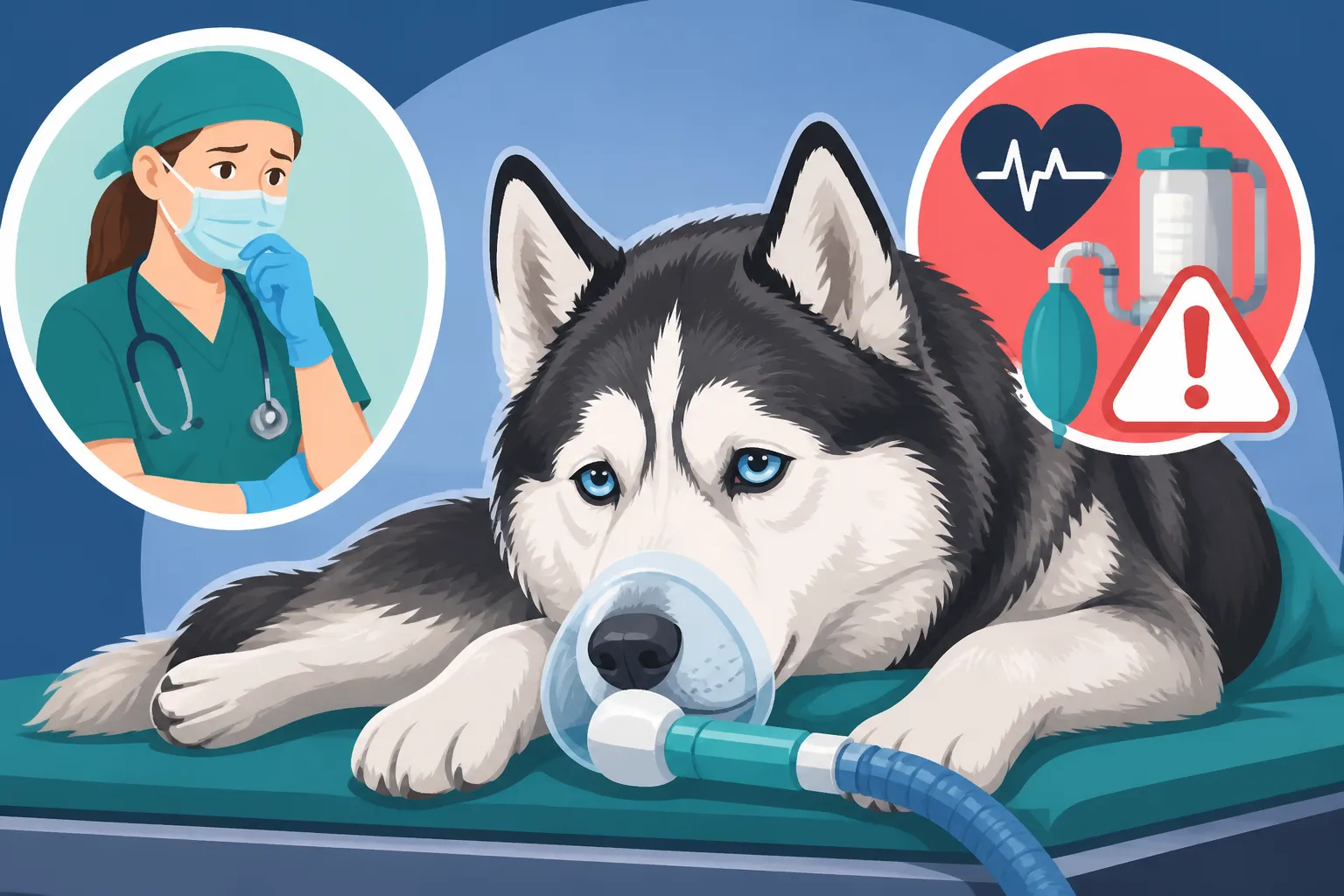
During the actual procedure, your senior Husky will receive continuous, comprehensive monitoring from a dedicated veterinary technician. This isn't just someone casually glancing at a machine; it's a skilled professional constantly interpreting vital signs and making real-time adjustments in communication with the veterinarian.
Here's what they'll typically be monitoring:
- Heart Rate and Rhythm: Using an ECG to detect any irregularities.
- Blood Pressure: Crucial for maintaining organ perfusion, especially for aging kidneys and brains.
- Oxygen Saturation: Measuring the amount of oxygen in the blood, often with a pulse oximeter.
- Carbon Dioxide Levels: Monitoring respiratory function, indicating how effectively your Husky is breathing and expelling CO2.
- Body Temperature: Senior Huskies can be more prone to hypothermia under anesthesia, so measures like warming blankets and fluid warmers are often used.
- Respiration Rate and Depth: Manual observation and sometimes respiratory monitors.
Intravenous fluids are almost always administered during anesthesia to help maintain blood pressure, support kidney function, and prevent dehydration. In some cases, specific medications might be on hand to quickly address drops in blood pressure or heart rate. This intensive level of care is a hallmark of safe anesthetic practices for older pets, and a crucial aspect of Caring for a Siberian Husky Past Ten. You want to ensure your chosen clinic offers this level of detailed, continuous oversight.
Here's a comparison of typical anesthetic approaches for young vs. senior Huskies:
| Feature | Young Siberian Husky (1-6 years) | Senior Siberian Husky (7+ years) |
|---|---|---|
| Pre-anesthetic Bloodwork | Recommended, often basic panel | Essential, comprehensive panel (CBC, chemistry, electrolytes) |
| Cardiac Assessment | Physical exam, potentially ECG if murmur present | Physical exam, ECG, chest X-rays, possibly echocardiogram |
| Anesthetic Drugs | Wider range of agents, standard doses | Kidney/liver friendly agents, lower doses, multi-modal approach |
| Fluid Support | Standard IV fluids | Careful IV fluid rates to avoid overload, often warmed |
| Monitoring | HR, RR, SpO2, Temp | HR, RR, SpO2, EtCO2, BP, Temp (continuous, dedicated) |
| Pain Management | Often post-operative | Pre-emptive (before, during, and after procedure) |
| Body Temperature Mgmt. | Generally stable | More prone to hypothermia, active warming measures crucial |
| Recovery Focus | Quick awakening, self-regulating | Slow, comfortable awakening, close observation for prolonged sedation |
Post-Anesthesia Care and Recovery
The work isn't over once your Siberian Husky wakes up from anesthesia. The recovery period, both at the vet clinic and especially once they are back home with you, is a critical phase for senior dogs. Proper post-anesthesia care can significantly influence their comfort, minimize complications, and ensure a smooth return to their normal routine.
Clinic Recovery and Discharge
Immediately after the procedure, your senior Husky will be moved to a warm, quiet recovery area where they can be closely monitored as the anesthetic drugs wear off. This stage is crucial because it's when some complications, such as prolonged sedation, hypothermia, or unexpected pain, are most likely to manifest. Veterinary staff will continue to monitor their vital signs, ensuring they are breathing steadily, their heart rate is stable, and their body temperature is returning to normal. They'll also assess for any signs of discomfort or nausea.
Once your Husky is more alert and stable, your vet will discuss their discharge instructions with you. These instructions will be very specific for a senior dog, covering things like medication schedules (pain relief, anti-inflammatories, or antibiotics), feeding guidelines (often small, bland meals), and activity restrictions. You might be told to monitor for specific signs, such as excessive lethargy, vomiting, lack of appetite, or difficulty walking. Don't hesitate to ask questions—it’s important that you feel completely confident in caring for your Husky once you get home. Remember, any ongoing health concerns, such as changes in Siberian Husky Weight and Joint Health, might require long-term post-operative management, which Healthy Paws can also help cover.
At-Home Comfort and Monitoring
Bringing your senior Husky home after anesthesia can be a bit nerve-wracking. The first 12-24 hours are usually the most critical. You should have a quiet, comfortable, and warm space ready for them. Provide easy access to water, and offer small amounts of their regular food unless directed otherwise. It's common for senior Huskies to be a bit groggy, disoriented, or even nauseous after anesthesia. They might sleep more than usual or seem a little "out of it."
Closely observe them for any signs of concern:
- Persistent vomiting or diarrhea: While some mild nausea is normal, continuous vomiting is not.
- Excessive lethargy or unresponsiveness: They should gradually become more alert.
- Difficulty breathing: Any labored breathing, gasping, or blue gums warrant immediate vet attention.
- Pale gums: Could indicate anemia or shock.
- Swelling or discharge at the surgical site: If applicable.
- Inability to stand or walk: While some weakness is expected, they should be able to move around with support.
Remember, if you have any doubts or concerns about your senior Husky’s recovery, contact your veterinarian immediately. It’s always better to err on the side of caution. Even minor dental procedures, which often require anesthesia, have a recovery period that needs careful attention. Keep an eye on any changes in their mouth after a dental cleaning, which can be a common reason for older Huskies to undergo anesthesia as Siberian Husky Dental Disease by Age Five is quite prevalent.
Long-Term Considerations for Senior Huskies
Anesthesia is often a necessity for older Siberian Huskies, whether for a routine dental cleaning, an eye exam for Siberian Husky Eye Disease and the Annual Exam, or a more serious surgical procedure. Thinking beyond the immediate recovery, there are several long-term considerations that pet owners need to keep in mind to continue providing the best quality of life for their aging companions. Proactive health management becomes even more vital after an anesthetic event.
Nutritional Support and Hydration
After an anesthetic event, especially if there was a surgical procedure involved, your senior Husky’s body will be working hard to heal and recover. This places increased demands on their nutritional intake. While they might have a decreased appetite initially, ensuring they receive easily digestible, nutrient-dense food is important. Your vet might recommend a specific recovery diet for a short period.
Beyond food, hydration is paramount. Ensure fresh water is always available, and encourage drinking. If your Husky is still a bit sluggish, offering water in a shallow bowl, adding a little low-sodium chicken broth to their water, or even hydrating wet food can help. Maintaining good hydration supports kidney function, aids in flushing residual medications, and contributes to overall well-being. Keeping an eye on their Kidney Values in an Aging Siberian Husky is a continuous process that good nutrition and hydration significantly impact.
Managing Post-Procedure Anxiety or Changes
It's not uncommon for some senior Huskies to exhibit temporary behavioral changes after an anesthetic event. This could manifest as increased anxiety, confusion, clinginess, or even a slight change in their sleep-wake cycle. The experience can be disorienting, and recovery from medication can sometimes leave them feeling a little "off."
Creating a calm, predictable environment at home is key. Maintain their routine as much as possible, provide reassurance, and avoid introducing new stressors. If behavioral changes are significant or persist for more than a few days, discuss them with your veterinarian. They might have suggestions for managing anxiety or rule out other underlying issues. Sometimes, just having a little extra patience and understanding goes a long way.
Planning for Future Anesthetic Needs
Having successfully navigated one anesthetic event with your senior Husky, you might find yourself wondering about future needs. Unfortunately, as dogs age, the likelihood of needing further procedures increases, whether for dental work, tumor removal (addressing potential Cancer Types Seen in Siberian Huskies), or managing chronic conditions.
It’s a good idea to maintain open communication with your vet about your Husky's ongoing health. Regular wellness exams become even more important as they age, allowing your vet to catch potential issues early. Keep a detailed record of any anesthetic events, including the drugs used and any complications, as this information is invaluable for future planning. Discussing a proactive health plan for your senior Husky, including regular blood work and preventative care, can help ensure that if another anesthetic procedure is needed, your Husky will be as prepared as possible. Many Healthy Paws policyholders find comfort knowing that a significant portion of these diagnostic tests and procedures are covered, making it easier to say "yes" to necessary care for their senior companions.
Disclaimer
The information provided in this article is for general informational purposes only and is not intended as a substitute for professional veterinary advice, diagnosis, or treatment. Always seek the advice of your veterinarian or other qualified health provider with any questions you may have regarding a medical condition or treatment for your Siberian Husky.