What to Do If a Siberian Husky Eats Something Bad
Siberian Husky ingestion of toxic substances requires immediate veterinary contact and assessment without inducing vomiting.
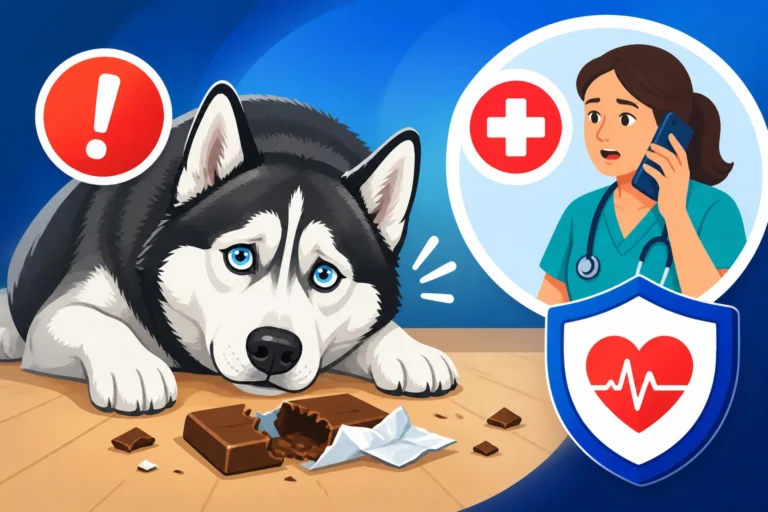
Siberian Husky ingestion of toxic substances requires immediate veterinary contact and assessment without inducing vomiting.

Common yard plants like azaleas, sago palms, and oleander contain toxins that cause severe vomiting and heart issues in Siberian Huskies.
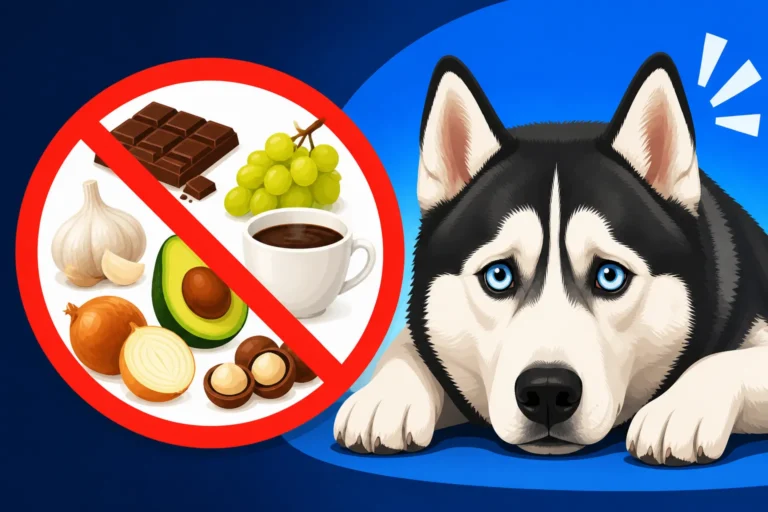
Siberian Husky toxic foods include chocolate, caffeine, grapes, raisins, and xylitol, which cause severe health problems.

Siberian Husky bone safety explains why cooked bones splinter and cause severe internal injuries while raw bones aid dental health.

Siberian Husky training treats that work require strong aromas and soft textures to motivate independent, scent-driven dogs.
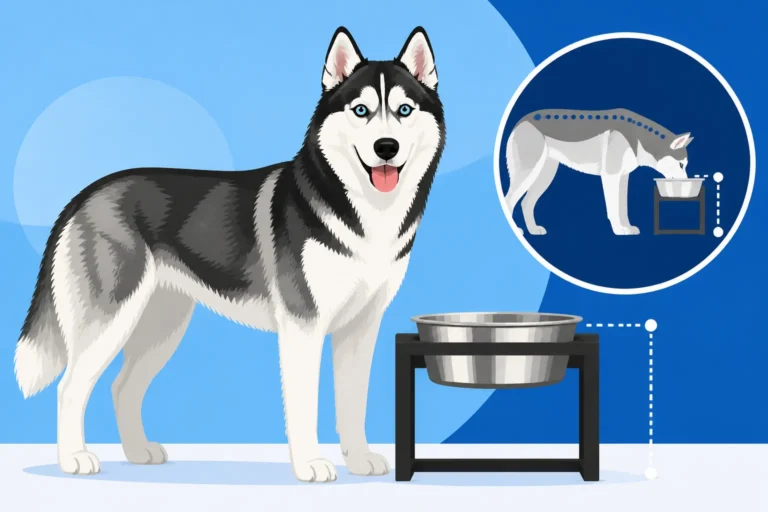
Elevated feeders were long believed to ease neck and joint strain and aid digestion, a conventional wisdom that left owners of energetic Huskies confused.

Proper post-run water intake rules help Siberian Husky owners monitor sticky gums and prevent overheating after exercise.

Siberian Husky eating habits, metabolism, and food preferences explain why these dogs sometimes rush meals or ignore food.
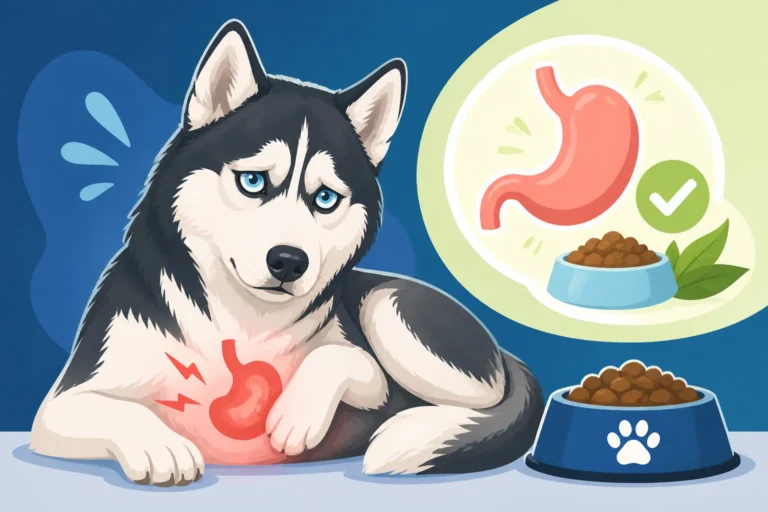
Siberian Husky digestive sensitivities, ancestral diet traits, and practical care adjustments to manage upset stomachs and improve health.

Siberian Husky food transitions require a careful process to prevent digestive upsets and manage health or age-related needs.