Caring for a Siberian Husky Past Ten
Senior Siberian Husky care involves recognizing aging signs, managing health shifts, and supporting the dog past age ten.

Senior Siberian Husky care involves recognizing aging signs, managing health shifts, and supporting the dog past age ten.

Siberian Husky health testing of parent dogs helps prospective owners identify responsible breeders and avoid genetic conditions.
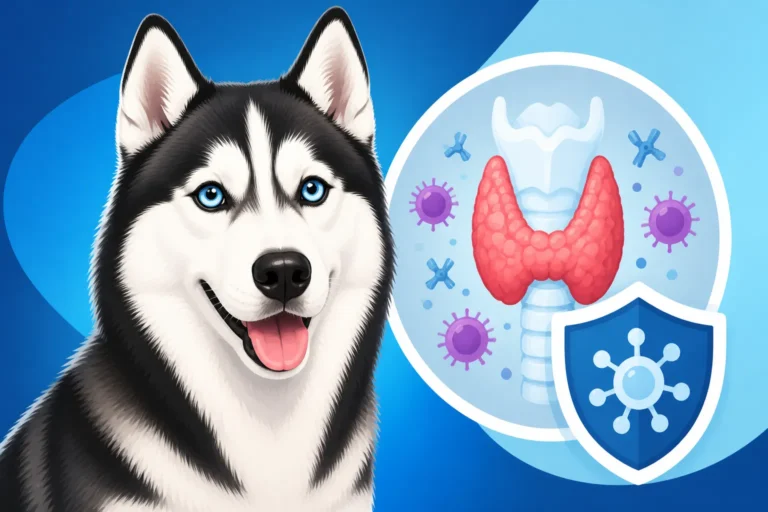
Siberian Husky thyroid and autoimmune disease risks stem from ancestral survival metabolism and genetic traits developed by the Chukchi people.
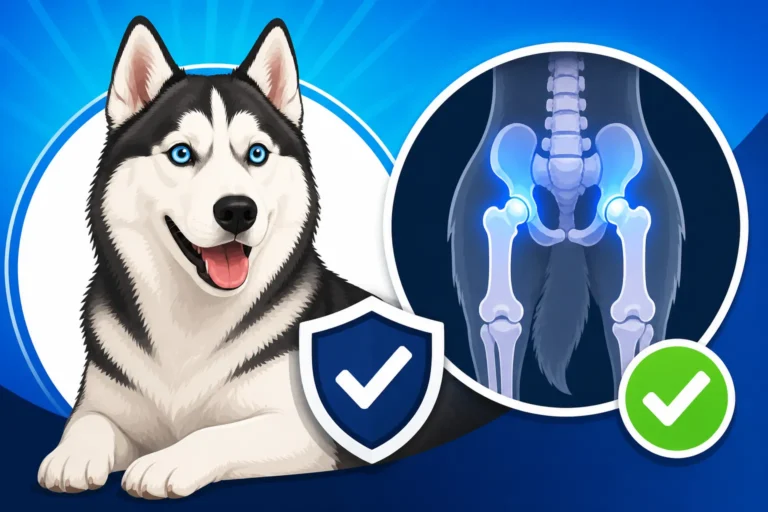
Siberian Husky hip dysplasia rates remain among the lowest for medium and large breeds due to ancestral endurance traits and selective breeding.
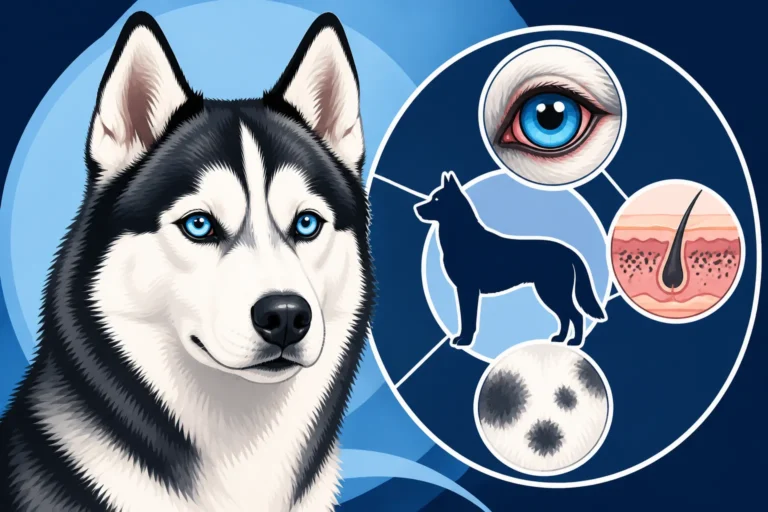
Uveodermatologic Syndrome is an autoimmune disorder that destroys pigment cells, causing severe eye inflammation and skin depigmentation in Huskies.
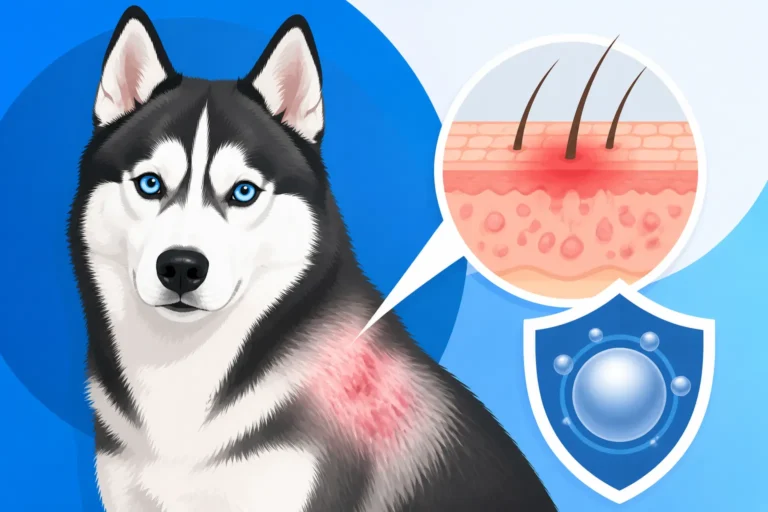
Zinc-responsive dermatosis in Siberian Huskies is a metabolic disorder causing crusty patches, hair loss, and inflammation.
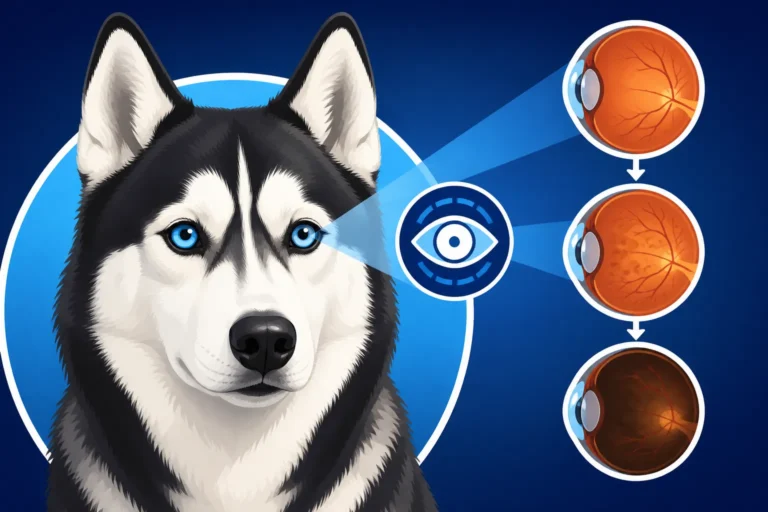
Progressive Retinal Atrophy in Siberian Huskies is an inherited genetic disease causing photoreceptor cell degeneration and blindness.
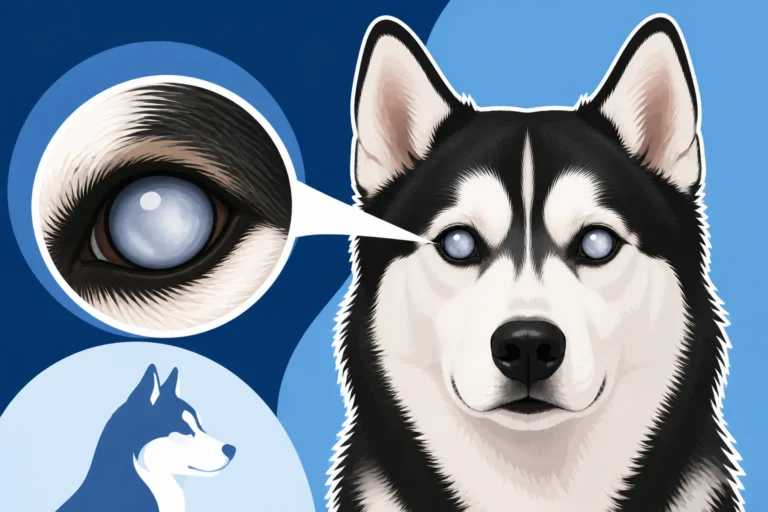
Juvenile cataracts in Siberian Huskies are hereditary eye opacities causing lens clouding, blurred vision, and potential blindness in young dogs.
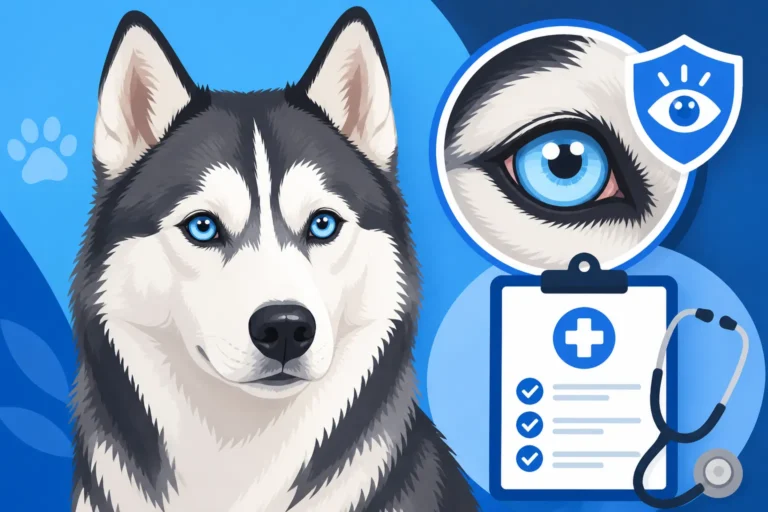
Siberian Husky eye diseases and genetic predispositions explained, detailing why annual veterinary exams protect vision health.

The average Siberian Husky lifespan and specific health issues like eye diseases and thyroid conditions that shorten it.