Corneal Dystrophy in the Siberian Husky
Corneal dystrophy causes lipid or calcium deposits in Siberian Husky corneas, creating cloudy eyes without causing pain or inflammation.
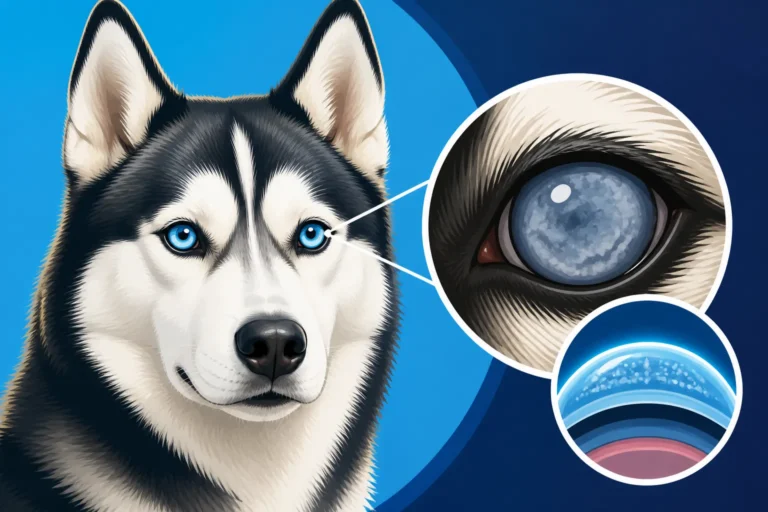
Corneal dystrophy causes lipid or calcium deposits in Siberian Husky corneas, creating cloudy eyes without causing pain or inflammation.
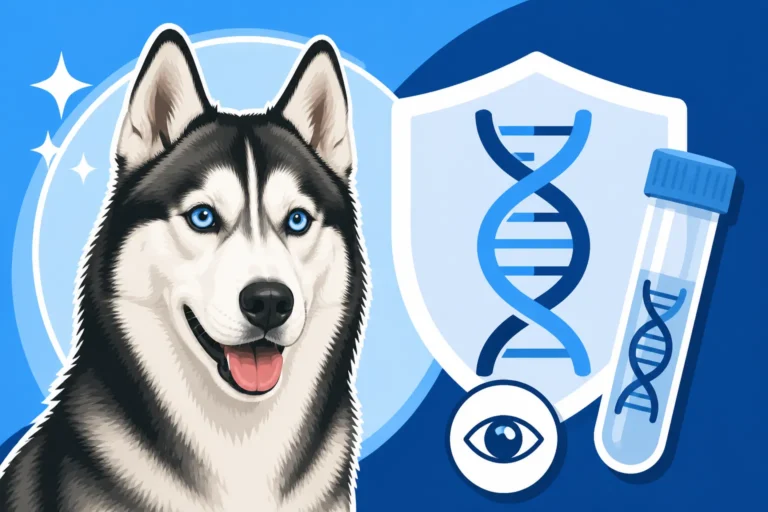
X-linked Progressive Retinal Atrophy 1 in Siberian Huskies causes blindness, which owners can manage using genetic testing.
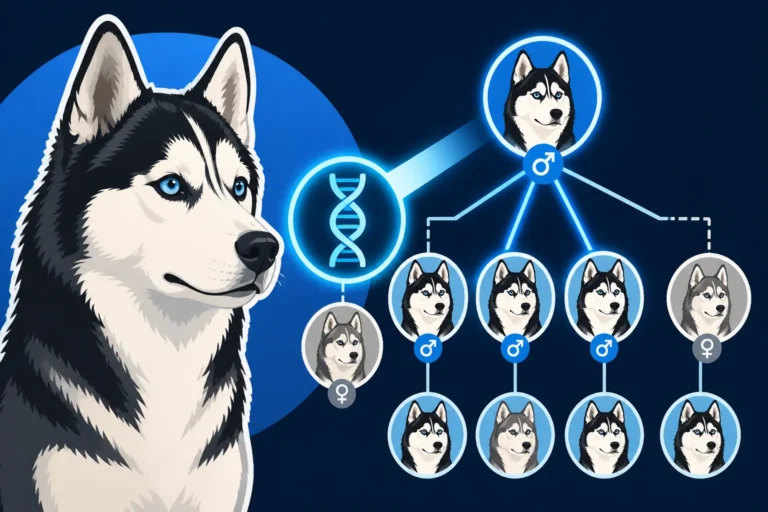
Progressive Retinal Atrophy in Siberian Huskies occurs mainly through the male line because the mutated gene is on the X chromosome.

Cataract surgery for Siberian Huskies provides a concrete way to restore vision clouded by genetic opacity and juvenile cataracts.

Siberian Husky cataracts and genetic juvenile types are explained, detailing when cloudy eyes appear and differ from normal aging.

Juvenile cataracts in Siberian Huskies are an inherited, early-onset eye condition causing lens cloudiness and impaired vision in young dogs.

Siberian Huskies need yearly eye checks to detect juvenile cataracts and progressive retinal atrophy before vision loss happens.

Siberian Husky health milestones span puppyhood to senior years, detailing growth plate concerns and early vaccinations.
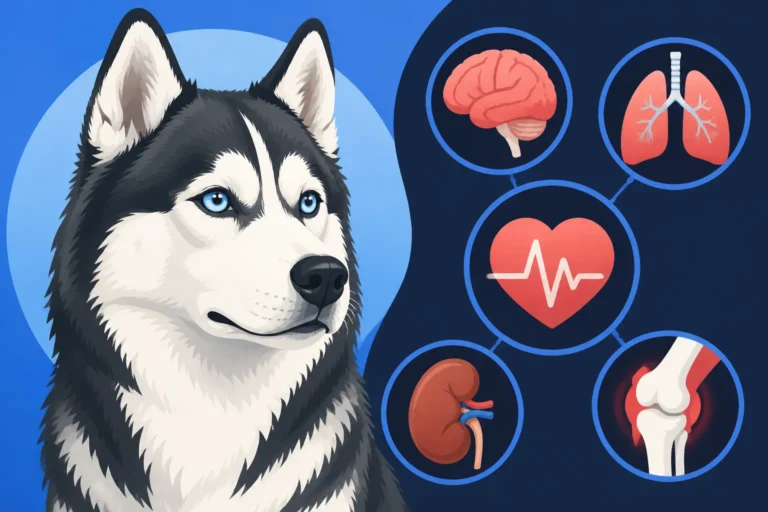
Siberian Husky mortality causes include age-related organ failure, debilitating arthritis, and various forms of aggressive cancer.

Siberian Husky lifespan averages 12 to 14 years, outliving Labrador and Golden Retrievers due to their robust genetic heritage.