Agouti and the Wolf-Gray Siberian Husky
Agouti and wolf-gray Siberian Husky coats differ through genetics and hair banding patterns that create wild appearances.
Is this the right one for you?
Origins and temperament, size and coat, what living with one is actually like, and how it compares to the breeds people weigh against it.
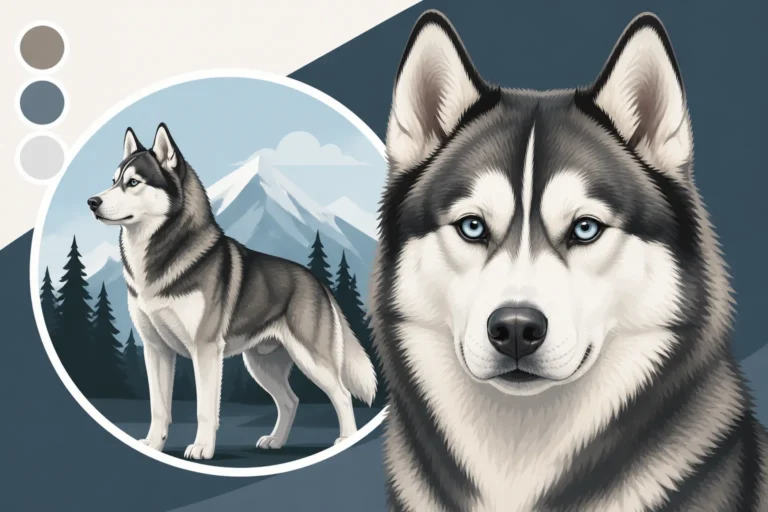
Agouti and wolf-gray Siberian Husky coats differ through genetics and hair banding patterns that create wild appearances.
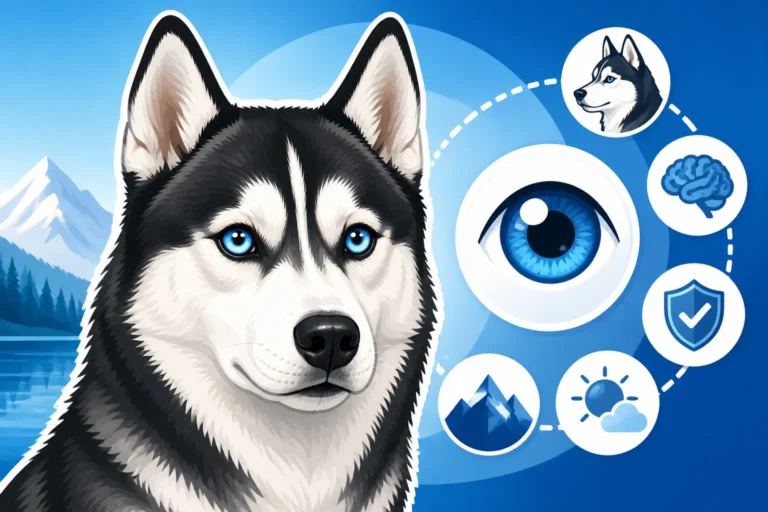
Siberian Husky blue eye color stems from iris melanin absence and a specific genetic mutation located near the ALX4 gene on chromosome 18.
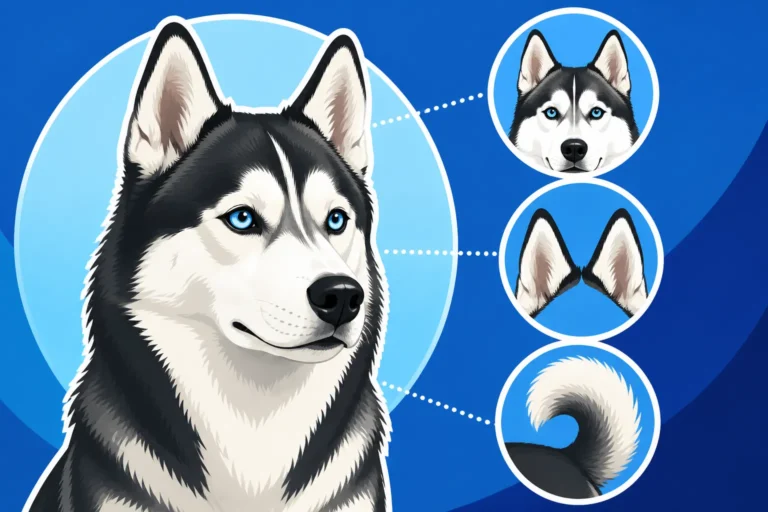
Siberian Husky head, ears, and tail features explain the breed standard, skull shape, muzzle strength, and facial expressions.
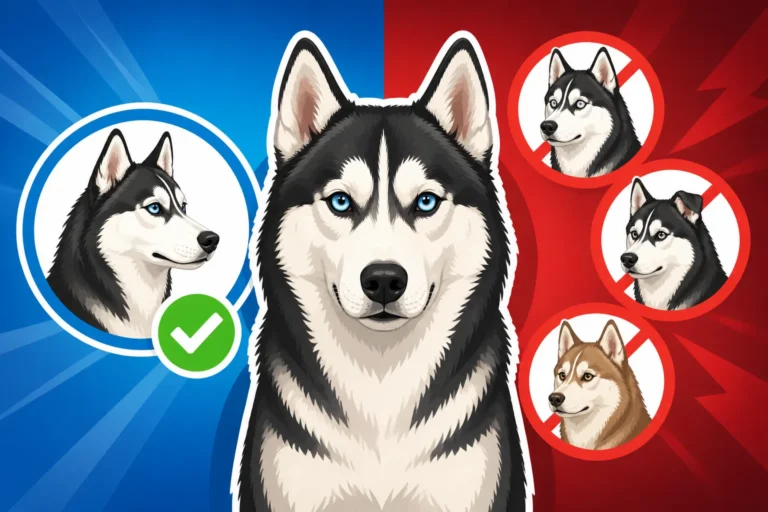
Siberian Husky faults and disqualifications defined clearly to explain official breed standard deviations and show ring rules.
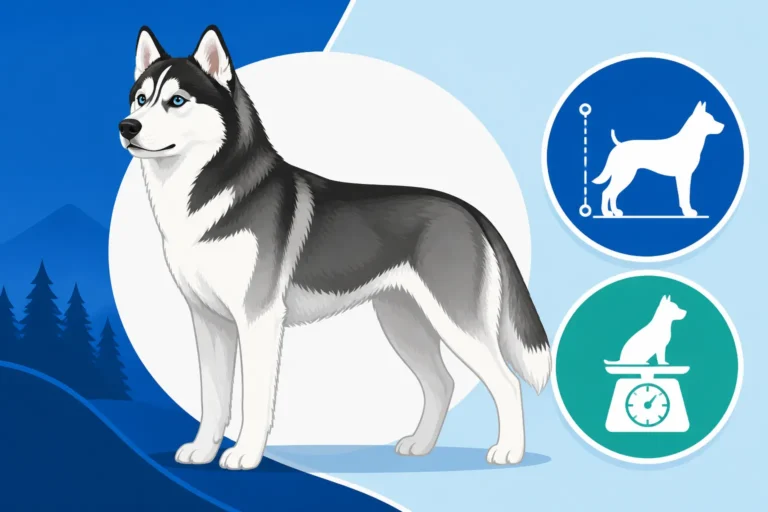
Siberian Husky official height and weight standards explain the ideal size ranges for maintaining the working breed functionality.
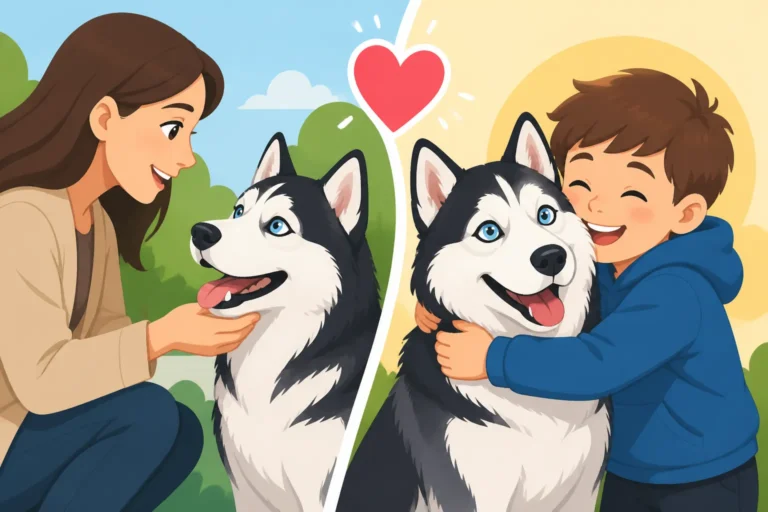
Siberian Husky temperament around strangers and children, explaining their friendly nature and why they do not make guard dogs.
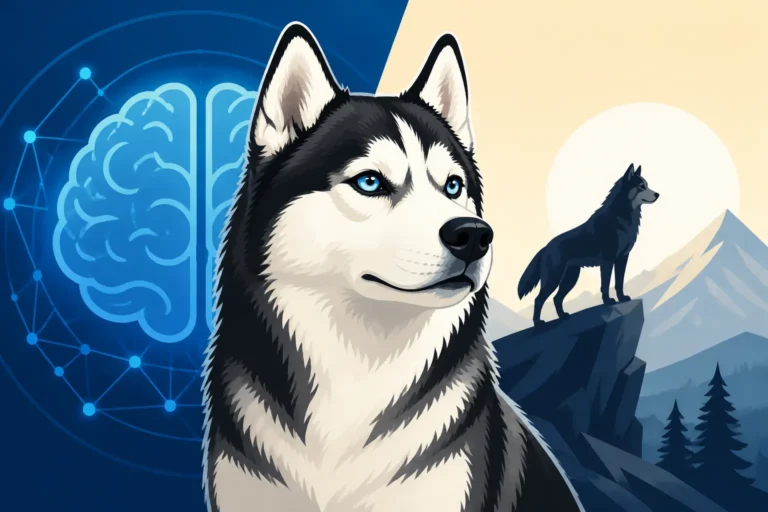
Siberian Husky independence stems from ancient survival traits requiring critical thinking and self-reliance instead of blind obedience.
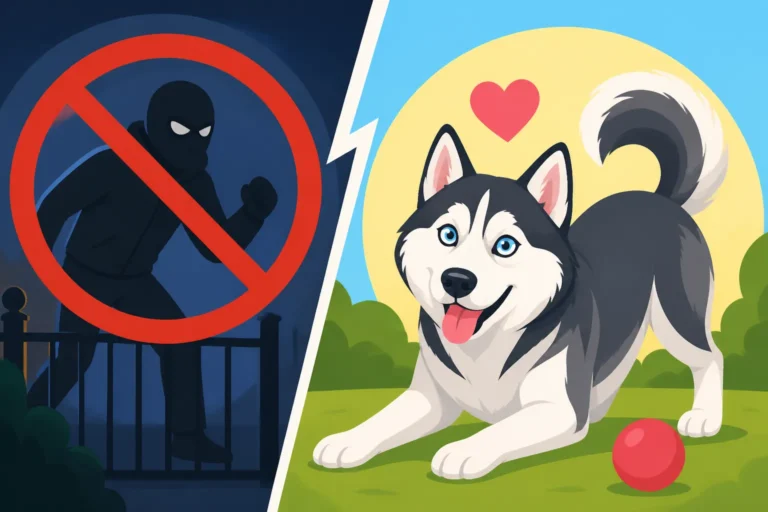
Siberian Husky temperament and history explain why this friendly sled dog breed fails as a protective guard animal.
The official American Kennel Club breed standard outlines the outgoing and amiable temperament expected of every Siberian Husky.
The National Siberian Husky Club protects breed traits, funds health research, and partners with the American Kennel Club.