What the Standard Says About Husky Friendliness
It’s a common scenario: you see a majestic Siberian Husky and immediately envision a super-friendly, outgoing companion who will greet every person and dog with unbridled enthusiasm. Yet, when you actually meet one, their behavior can sometimes leave you scratching your head, wondering why they aren't quite the golden retriever of the North you might have imagined. This guide will dive deep into what the official breed standard actually says about the Siberian Husky's friendliness, shedding light on their unique disposition and helping you understand what makes them tick.
Understanding the Breed Standard's Purpose
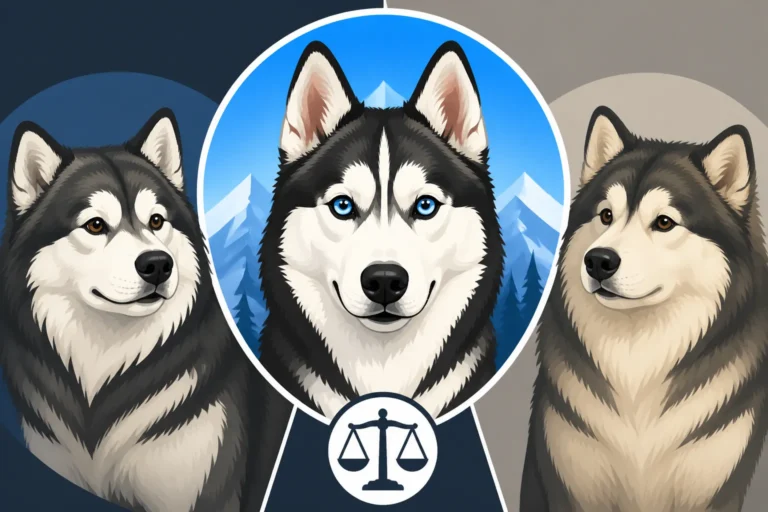
Before we dissect the specific words, it’s helpful to understand why breed standards exist. They're not just some dusty old document locked away in a kennel club vault. Think of them as the blueprint for what makes a Siberian Husky, well, a Siberian Husky. They describe the ideal characteristics—from physical appearance like coat color and eye shape to crucial elements like temperament. For a breed like the Siberian Husky, whose history is so deeply rooted in a specific job, the temperament aspect is absolutely vital.
More Than Just Pretty Faces: The Role of the Standard
The breed standard for the Siberian Husky, set by organizations like the American Kennel Club (AKC), is a comprehensive description of the ideal dog. It covers everything from their powerful, agile build to the distinctive markings, but critically, it also outlines their character. This isn't just about winning ribbons in the show ring; it’s about preserving the essence of the breed. When you understand the standard, you understand the foundational traits that breeders strive for, and what prospective owners should expect.
A well-bred Siberian Husky should embody the traits described in the standard because those traits enabled them to survive and thrive in their original role. For the Siberian Husky, that meant working cohesively in a team, enduring harsh conditions, and being a reliable companion to the semi-nomadic Chukchi people. Their friendly nature, as we’ll explore, was a key component of their utility and survival, not just a bonus.
Guiding Breeders and Owners: What the Standard Aims For
For breeders, the standard serves as a compass, guiding their breeding decisions to produce dogs that not only look the part but also behave as a Siberian Husky should. It helps them avoid breeding traits that would be detrimental to the breed's historical purpose or its role as a companion animal today. This means consciously selecting for dogs that exhibit the desired level of friendliness, independence, and intelligence.
For owners, knowing the standard helps set realistic expectations. It prevents the disappointment that can arise when a new owner expects a dog that is, say, fiercely protective, only to find their Husky is more inclined to greet a stranger with a happy wag than a warning bark. It helps you appreciate the breed for its true nature, rather than what popular culture or mistaken assumptions might lead you to believe. Understanding What a Siberian Husky Was Bred to Do truly illuminates why their temperament is the way it is.
The Siberian Husky Temperament Clause
Now, let's get to the heart of the matter: what does the breed standard actually say about a Siberian Husky's disposition? The language used is quite specific and paints a clear picture of their intended personality. It doesn't use vague terms; rather, it highlights characteristics crucial to their original working life and their adaptability to human companionship.
Decoding the "Outgoing and Amiable" Description
The standard describes the Siberian Husky's temperament as "outgoing and amiable." When you hear "outgoing," you might imagine a dog that bounds up to everyone, demanding attention. While many Huskies can be like this, especially when young, "outgoing" in this context speaks more to their general willingness to engage with the world and others, rather than being shy or reserved. They are typically not shrinking violets; they're curious and ready to interact.
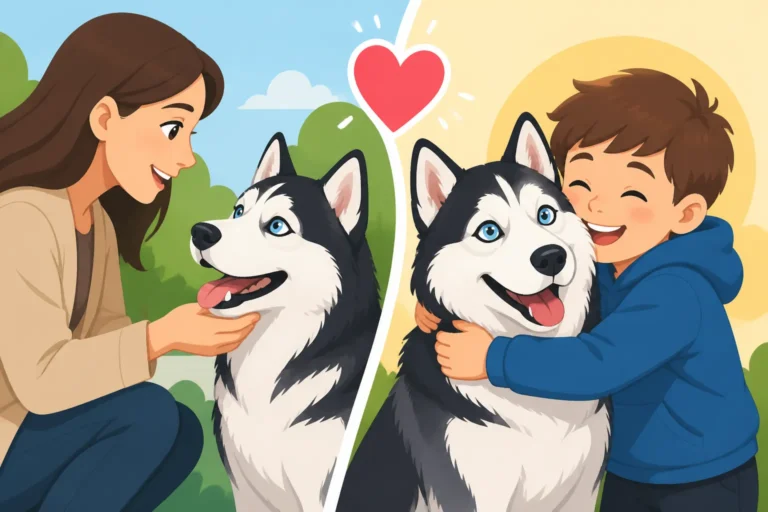
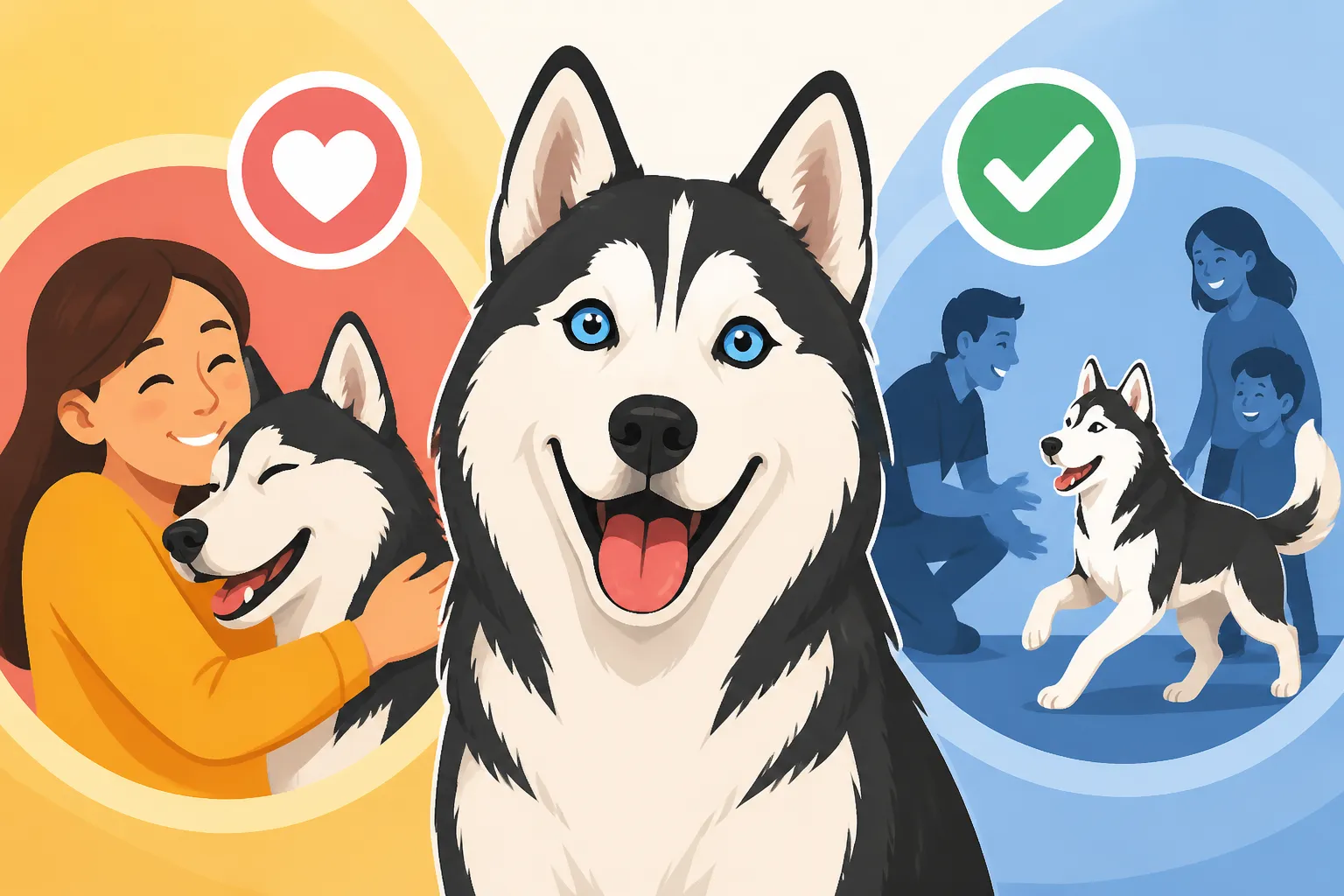
"Amiable" means friendly and pleasant, and this is truly a hallmark of the breed. Siberian Huskies were bred to live and work in close quarters with humans and other dogs, so an inherently aggressive or hostile nature would have been counterproductive. They needed to be easily managed and able to get along with both their human handlers and their teammates. This trait explains why Siberian Huskies With Strangers and Children often do so well, as their default setting is generally one of good-natured acceptance.
The Nuance of "Neither Possessive Nor Suspicious"
This particular phrase is incredibly telling about the Husky temperament. "Neither possessive nor suspicious" directly addresses their relationship with people and resources. A Husky is generally not going to guard their food bowl with a snarl, nor will they view every stranger as a threat. This trait goes hand-in-hand with their origins; the Chukchi people needed dogs that could be handled easily by different family members and wouldn't be territorial over meager food rations in harsh conditions.
This means that while your Siberian Husky will certainly bond deeply with you, they’re unlikely to be the type of dog that develops intense resource guarding over toys or food with you or other family members. Likewise, their lack of suspicion means they generally welcome new faces rather than being wary. It's why they might trot up to a stranger at the park with a friendly sniff, rather than hanging back. This specific characteristic really sets them apart from many breeds developed for guarding or protection.
What "Gentle and Alert" Truly Implies
The standard also calls for a temperament that is "gentle and alert." "Gentle" is a wonderful descriptor, particularly important for a breed that often lives in active family environments. It means they should be patient and tolerant, qualities that make them excellent companions, even for households with children. They're not prone to quick tempers or rough handling.
"Alert" refers to their awareness of their surroundings. This isn't the hyper-vigilance of a guard dog, but rather an intelligent responsiveness to what's happening around them. They notice things – a car pulling up, a squirrel darting across the yard, or a new person approaching – but this alertness rarely translates into aggression. They might let you know someone is at the door with a characteristic Husky "woo-woo" or a focused stare, but they're not typically going to follow that up with defensive barking or lunging. They're observant, which ties back to their survival instincts, but not necessarily protective in the traditional sense.
Independence vs. Affection
One of the most frequent misunderstandings about Siberian Husky friendliness comes from their inherent independence. People sometimes mistake their self-reliant nature for a lack of affection, and that's just not fair to the breed. Their affection is simply expressed differently than that of, say, a highly solicitous Labrador Retriever.
The Working Dog's Mindset: Focus on Task, Not Constant Cuddles
Remember, Siberian Huskies were bred to pull sleds over vast distances, often with minimal direct instruction and a strong reliance on their own judgment and that of their lead dog. This demanding job fostered a profound sense of independence and self-sufficiency. They are problem-solvers who can think for themselves, which is a fantastic trait for a working dog but can be a bit of a curveball for an owner expecting a constant cuddle bug.
This independent streak means they can be perfectly content to observe rather than participate in every family activity. They might be lying across the room, seemingly aloof, but they are still very much with you and aware of your presence. Their focus isn't always on seeking human validation or physical touch; sometimes, it's just on being present in their environment. This is part of Siberian Husky Intelligence and Independence that makes them so unique.
Demonstrating Affection on Their Own Terms
While a Husky might not be glued to your side 24/7, they absolutely form deep bonds with their families. Their affection is often shown in more subtle ways, or on their own terms. You might find them leaning against you unexpectedly, offering a gentle nudge, or giving you a quick "Husk-hug" (where they briefly wrap their neck around yours) before wandering off. They are known for their "talking"—a series of growls, yips, and howls—which can also be a unique expression of their bond and happiness to see you.
Many Husky owners can relate to the morning routine: their dog might stretch, give a big yawn, and then casually walk over for a head scratch or a brief lean, accepting affection but rarely demanding it with the intensity of some other breeds. It’s a quiet, confident love that respects personal space, both yours and theirs. This isn't a lack of love; it's just a different love language.
Why They Might Not Be Your Shadow Dog
If you're looking for a dog that follows you from room to room, never letting you out of their sight, a Siberian Husky might not be the best fit. Their independence means they are often comfortable amusing themselves or simply resting nearby without needing to be right underfoot. This can be a huge benefit for owners who appreciate a bit of personal space, or who need a dog that can handle periods of downtime without becoming anxious.
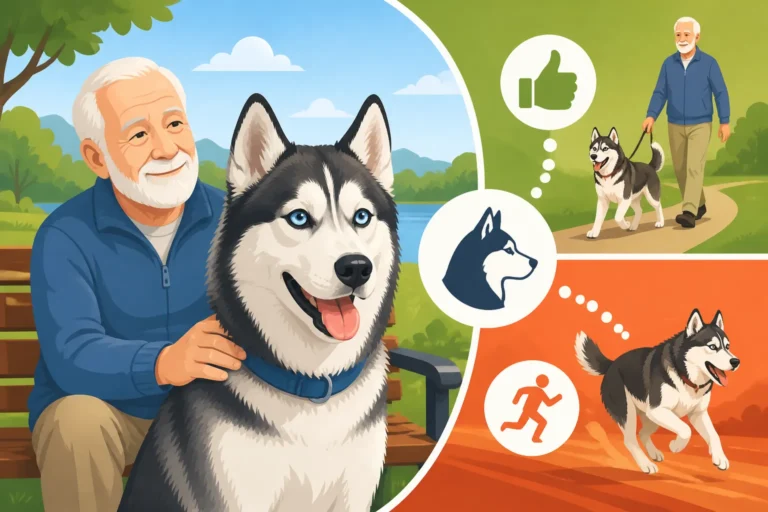
Their ability to entertain themselves can also manifest in ways that require supervision, like digging a new crater in the yard or investigating a fascinating scent trail in the woods. Their self-reliance is part of their charm, but it's also why phrases like Why a Siberian Husky Cannot Be Trusted Off Leash ring so true. Their independent drive to explore can often override the desire to stay close.
No Guard Dog Instinct
This is perhaps one of the most crucial points regarding Siberian Husky friendliness and a common misconception. Despite their wolf-like appearance, a Husky is inherently a terrible guard dog, and the breed standard reflects this by emphasizing traits that are directly opposed to guarding instincts.
Bred for Companionship, Not Protection
The Chukchi people who developed the Siberian Husky needed a dog that could survive in extreme conditions and work cooperatively. They weren't looking for a fierce protector of property or family. In fact, aggressive traits would have been a liability in their tightly-knit communities where dogs and people lived in close proximity. Their historical role was companion, worker, and an integral part of the family unit, not a deterrent for intruders.
This means that while a Husky might be "alert" to new people, they are highly unlikely to act aggressively or even defensively. Their default mode when meeting strangers is curiosity and friendliness, rather than suspicion or hostility. This is precisely why Why a Siberian Husky Will Not Protect the House is a statement you'll hear from experienced owners and read in all reputable breed descriptions.
Welcoming Strangers Rather Than Deterring Them
Imagine an unexpected visitor arriving at your door. Many breeds would bark furiously, position themselves between you and the stranger, and generally make it clear that this person is not welcome without permission. A Siberian Husky? They're more likely to greet the stranger with a wagging tail, a happy "roo-roo," and perhaps even an invitation for pets. They see a new person as a potential friend, an interesting scent, or a source of attention, rather than a threat.
This can be a delightful trait for those who enjoy social dogs and welcome guests, but it’s certainly not what you want if you’re hoping for a canine security system. Their open, trusting nature means that if someone were to try and enter your home, your Husky might be more inclined to show them where the treat jar is than to chase them away.
The Difference Between Alertness and Aggression
It's important to differentiate between being "alert" and being "aggressive." As mentioned, Huskies are alert to their surroundings. They'll notice things. They might even bark or howl to announce the arrival of a mail carrier or a car. This is their way of communicating what's happening. However, this alertness almost never escalates into aggression. They're telling you something is happening, not you are in danger.
A true guard dog is bred to escalate from alertness to a deterrent, often involving barking, growling, and possibly physical intervention. A Husky's alert behavior typically stops at the notification stage. They are observers and announcers, not defenders. If you're looking for a dog to actively deter unwanted visitors, the Siberian Husky is probably not the breed for you. They’re much better suited to being cheerful greeters.
Social Nature and Pack Dynamics
Given their history, it's no surprise that Siberian Huskies are highly social animals. They were bred to work in teams, sometimes large ones, and to live in close family units. This social wiring deeply influences their "friendliness," not just with humans but also with other dogs.
Thriving in a Human "Pack" Environment
Siberian Huskies naturally view their human family as their pack. They thrive on companionship and being part of the action, even if they aren't always directly participating. This strong pack drive contributes to their amiable nature; they want to get along with their family members and maintain harmony within the group. They are usually quite adaptable to different personalities within the household, from toddlers to grandparents.
Their social nature means they generally don't do well being isolated or left alone for extended periods. While independent, they are not solitary creatures. A lonely Husky can quickly become a destructive or vocal Husky. Providing plenty of interaction, consistent routines, and enrichment is key to a happy and well-adjusted companion. Enrichment items, whether puzzle toys or durable chews, can often be found at a place like Chewy, helping to keep their minds engaged.
Interacting With Other Dogs: A Different Kind of Friendliness
Their history of working in dog teams means that Siberian Huskies are generally quite social with other canines. They understand dog body language well and usually enjoy the company of other dogs. This makes them excellent candidates for multi-dog households or for enjoying visits to dog parks (with caution, given their escape artist tendencies and prey drive). Many owners find that having a second Husky can even help with Siberian Husky Separation Behavior, as they keep each other company.
However, it's important to remember that "social" doesn't always mean "universally accepting of all play styles." While often tolerant, individual personalities vary, and sometimes their high energy and play style can be overwhelming for more sedate dogs. Early socialization is still crucial to ensure they develop good manners with their canine peers. A well-socialized Husky usually fits in well with most respectful canine interactions.
Handling New People and Novel Situations
Because they're generally outgoing and not suspicious, Huskies tend to handle new people and novel situations with a calm curiosity. This can be a huge advantage for owners who enjoy taking their dogs to new places, meeting new friends, or traveling. They're often game for an adventure and aren't easily rattled by unfamiliar sights and sounds, assuming they've been properly socialized as puppies.
This adaptability and lack of fear make them fantastic companions for active families. Whether it's a bustling farmers market, a quiet trail, or a friend's backyard barbecue, a well-adjusted Siberian Husky is usually keen to experience it all, making new acquaintances along the way. This inherent desire to engage with their surroundings and the beings in it contributes to their widely recognized "Siberian Husky Temperament and What the Standard Says" regarding their cheerful nature.
| Trait in Standard | Common Expectation of "Friendly Dog" | Siberian Husky Reality |
|---|---|---|
| Outgoing & Amiable | Will instantly love and demand affection from everyone they meet, including strangers. | Generally pleasant and accepting of strangers, but might not seek intense interaction. Shows affection on their own terms. |
| Gentle & Alert | Will be a watchful guardian, warning off intruders with aggressive displays. | Observant of surroundings and new arrivals, but this rarely escalates to aggression. More likely to announce than to defend. |
| Independent | Will be a "shadow dog," always at your side and seeking constant attention. | Possesses a strong sense of self-reliance; capable of entertaining themselves. Bonds deeply but expresses affection uniquely and doesn't constantly demand it. |
| Neither Possessive Nor Suspicious | Will be loyal to one owner and wary of outsiders, guarding resources. | Generally non-territorial and trusting of new people. Happy to share attention and resources, reflecting their pack-oriented history. |
Debunking Misconceptions About Husky Friendliness
Despite the clear picture painted by the breed standard, there are still many lingering misconceptions about Siberian Husky friendliness. These often stem from comparing them to other breeds or misunderstanding their unique way of interacting with the world.
The Myth of the "Aggressive" Husky
One of the most damaging myths is that Siberian Huskies are aggressive. This is simply not true, and directly contradicts the breed standard. A well-bred, well-socialized Siberian Husky is rarely aggressive towards people. If you encounter a Husky that displays aggression, it is almost certainly a result of poor breeding, lack of socialization, fear, or abuse, rather than an inherent trait of the breed. It is a severe fault in the standard and something reputable breeders actively work to avoid.
Their friendly, outgoing nature, coupled with their lack of guarding instinct, means that they are far more likely to be a welcoming presence than a threatening one. Unfortunately, their striking, wolf-like appearance can sometimes lead to misinterpretations of their behavior, causing people to project aggression onto them even when none exists.
"Aloof" Isn't the Same as Unfriendly
Another common perception is that Huskies are "aloof" or uncaring, particularly if they don't constantly seek out physical affection. As we discussed, their independence can sometimes be misinterpreted this way. But being independent or not overtly clingy is not the same as being unfriendly. An "aloof" Husky is often just a comfortable Husky, confident in their surroundings and secure in their bond with you, even if they aren't draped across your lap.
Their form of affection might be a quiet presence, a head nuzzle, or a playful paw tap, rather than a demanding scramble for attention. For people who appreciate a dog that has its own personality and doesn't require constant fuss, this trait is actually a huge bonus. It’s a different kind of bond, one built on mutual respect and shared experience, rather than constant physical interaction. Siberian Husky Loyalty Against Retriever Loyalty often highlights this difference; both are loyal, but they show it in vastly different ways.
Understanding Their Unique Social Etiquette
Ultimately, understanding Siberian Husky friendliness means appreciating their unique social etiquette. They are dogs of the pack, valuing harmony and cooperation. They are generally good-natured, tolerant, and curious. They will likely be pleased to meet your friends, happy to interact with most other dogs, and generally possess a cheerful disposition.
However, they are not typically protective, clingy, or constantly seeking approval. Their friendliness is an open invitation to engage, but with the understanding that they have their own mind and will often do things on their own terms. If you approach a Siberian Husky with these understandings, you'll find a wonderfully engaging, affectionate, and truly friendly companion who brings immense joy to your life. Just remember that their adventurous spirit means you'll need reliable containment, even for the friendliest Husky; Why an Escaped Siberian Husky Is a Health Risk due to their independent nature is a very real concern for any owner.
Disclaimer
This article is for general informational purposes only and does not constitute professional advice. Laws, prices and regulations vary by location and change over time. Consult a qualified professional for guidance on your specific situation.