Siberian Husky Loyalty Against Retriever Loyalty
One of the most common questions I hear from potential dog owners is about loyalty—how loyal is this breed compared to that one? It's a completely natural concern, as we all dream of that unbreakable bond with our canine companions. But when you start comparing a Siberian Husky to a Golden or Labrador Retriever, you're not just comparing two breeds; you're often looking at two very different expressions of what "loyalty" even means, shaped by centuries of their very distinct purposes. This guide will explore those differences, helping you understand the heart of each breed.
Understanding "Loyalty" in Different Canine Contexts
When we talk about loyalty, our human minds often conjure images of unwavering devotion, a dog's eyes fixed solely on us, following our every command and seeking our constant affection. It's a beautiful ideal, but it's important to remember that dogs don't always operate on our exact definition of loyalty. Their behaviors, including how they express allegiance, are deeply rooted in their evolutionary history and the specific jobs they were bred to do alongside us.
The Human Definition of Loyalty vs. Canine Instincts
As humans, we often equate loyalty with things like constant attention, a desire to please, and perhaps even a degree of dependence. We want our dogs to be our shadows, to choose us above all else, and to respond instantly to our calls. This expectation, while understandable, doesn't always align with the intrinsic drives of every dog breed. For many breeds, their "loyalty" isn't about worshipping their owner, but about fulfilling their role within a social structure, whether that was hunting, herding, or, in the Husky's case, pulling. When a dog acts in a way that doesn't fit our mold of loyalty—say, running off to explore, or being friendly with strangers—it can feel like a personal rejection, even if it's just the dog being true to its genetic blueprint. This can be a huge source of frustration for owners who expect one thing and get another.
Loyalty as a Survival Mechanism
At its core, loyalty in dogs developed as a survival mechanism. Wild canids survive and thrive in packs, where cooperation and adherence to a social hierarchy are paramount. When dogs became domesticated, humans essentially became their new "pack leaders." The way a specific breed was developed dictates how this pack dynamic translates into a bond with humans. Some breeds were selected for intense partnership and constant communication with a human handler, while others were valued for their ability to make independent decisions within a larger group context, with humans as a more distant guiding force. Understanding this helps us appreciate that loyalty isn't a single, monolithic trait, but a spectrum of behaviors reflecting distinct needs and evolutionary paths. It's not that one dog is more loyal, but that they express it differently based on what historically ensured their survival and success within their human pack.
The Unique Loyalty of the Siberian Husky
Siberian Huskies are a breed that often baffles those unfamiliar with their history. They are deeply loyal, yes, but their loyalty is expressed in a way that can feel quite different from the "classic" dog-owner bond many people expect. It's not a lack of affection; it's a profound independence that demands a different kind of respect and understanding.
Pack Loyalty Over Human Dependence
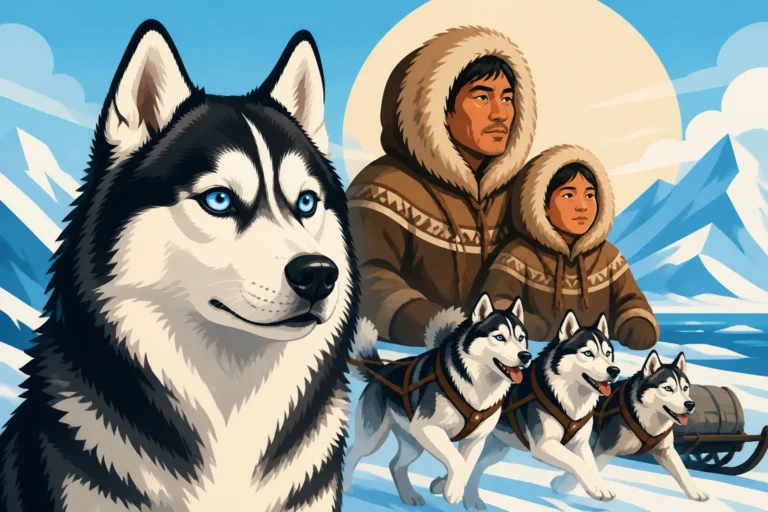
The Siberian Husky was bred by the Chukchi people in Siberia to pull sleds over vast distances in brutal conditions. This wasn't a job for a dog constantly looking to its handler for direction. Instead, Huskies needed to think for themselves, conserve energy, and work cohesively as a team with other dogs. Their survival depended on their intelligence, endurance, and ability to make decisions independently, sometimes overriding a musher's command if danger lay ahead. Because of this, their primary allegiance often lies with their "pack," which for a pet Husky, includes their human family and any other animals they live with. They see you as a cherished member of their pack, but not necessarily as the sole center of their universe. This is why a Husky might greet you enthusiastically, then wander off to chew a toy or investigate a scent, rather than stick to your side. They love you, but they also have their own agenda. They might seem aloof, but they are always aware of your presence. Siberian Husky Temperament and What the Standard Says provides more insight into their general demeanor.
Independence and Trust, Not Indifference
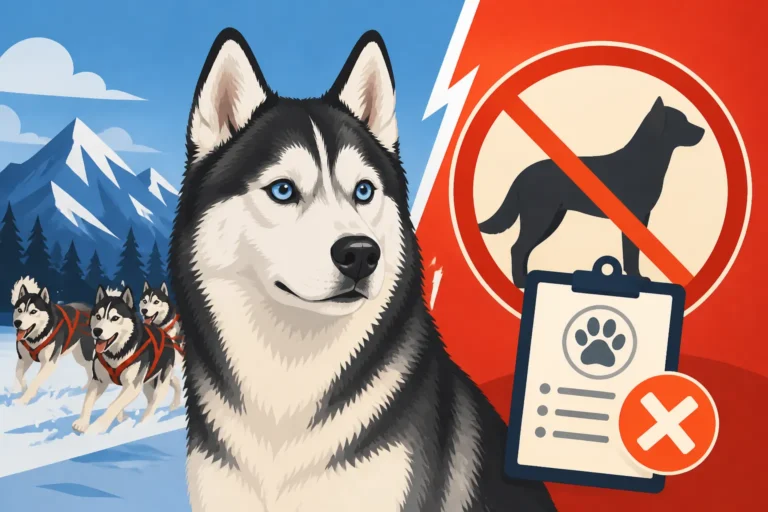
Many people mistake a Husky's independence for indifference, and that's just not fair to the breed. A Husky's loyalty is built on trust and mutual respect. They aren't trying to please you in the same way a Retriever might; instead, they appreciate consistency, clear boundaries, and the freedom to express their natural instincts. If you earn their trust through fair leadership, regular exercise, and understanding their unique needs, they will develop an incredibly strong, albeit distinct, bond with you. This loyalty means they count on you to provide their needs, keep them safe, and be a consistent presence. They might not be sitting on your feet all day, but they are observing, learning, and deeply connected in their own way. However, this independence is also why Why a Siberian Husky Cannot Be Trusted Off Leash is such a critical topic, as their wanderlust often outweighs their immediate desire to return to you.
The "Velcro Dog" vs. the "Shadow"
If you're looking for a "Velcro dog" — one that is constantly underfoot, following you from room to room, and craving physical contact — a Siberian Husky might not be the right fit. Huskies are more like a "shadow" that hovers nearby, always aware, but not always touching. They appreciate their personal space and often prefer to nap in a cool spot rather than cuddle on the couch for hours. This isn't to say they don't enjoy affection; they absolutely do, but often on their own terms and for shorter bursts. You might find them leaning against you while you work, or giving a quick, enthusiastic head butt, rather than settling in for a long snuggle. This difference can be a significant adjustment for owners used to more physically demonstrative breeds. Don't be fooled by their slightly detached demeanor; when it matters, they will be there for their pack. Whether a Siberian Husky Bonds With One Person explores this further, noting their connections can be broader than just one individual.
The Deep-Seated Devotion of Retrievers
Now, let's pivot to Retrievers. When most people envision a "loyal dog," they are often picturing a Retriever. Breeds like Golden Retrievers and Labrador Retrievers embody a different kind of devotion, one that is highly human-centric and deeply affectionate.
Breeding for Partnership and Compliance
Golden Retrievers and Labrador Retrievers were specifically bred to work in close partnership with human hunters. Their job was to "retrieve" game, which required immense focus on their handler, a strong desire to please, and the ability to follow complex commands over varying distances. This intense focus on human direction and approval is deeply ingrained in their DNA. They thrive on collaboration and seeing their human happy, making them incredibly compliant and eager learners. This historical role means they naturally look to their owners for guidance, affirmation, and tasks to perform. They are hardwired to be excellent companions and partners, which makes them inherently easy to train for many tasks, provided their human offers clear leadership and positive reinforcement. Their enthusiasm is boundless, and their primary goal in life often seems to be making their human smile.
The Desire to Please and Constant Presence
This breeding for partnership translates into a profound desire to please. A Retriever is often happiest when actively engaged with their human, whether it's playing fetch, going for a walk, or simply resting at your feet. They seek out interaction and often initiate it, bringing you toys or nudging your hand for pets. This can manifest as the quintessential "Velcro dog" behavior: following you to the bathroom, lying under your desk, and generally wanting to be involved in whatever you're doing. This constant presence is their way of showing devotion and staying connected to their beloved pack leader. They genuinely want to be where you are, doing what you're doing. This is why many Retriever owners find them to be incredibly comforting and integral parts of their daily lives. Even when you're just watching TV, they'll often be snuggled up beside you, content just to be in your orbit.
Sensitivity and Emotional Connection
Retrievers are renowned for their sensitivity and strong emotional connection to their families. They are often highly attuned to their owners' moods, offering comfort when you're sad or mirroring your excitement during playtime. This empathy is a huge part of their loyalty; they don't just stick by your side, they feel with you. They thrive on positive reinforcement and can become quite dejected if they feel they've displeased you. This emotional depth makes the bond with a Retriever incredibly profound and often deeply therapeutic for their human companions. Their desire to comfort and protect their family, often through gentle presence and affection, is a hallmark of their loyalty. You'll often find them nudging a wet nose into your hand when you're upset, or resting their head on your lap.
Practical Implications for Owners
Understanding these fundamental differences in how Huskies and Retrievers express loyalty is crucial for any prospective owner. It's not about which breed is "better," but which breed's expression of loyalty best aligns with your expectations and lifestyle. Choosing the right breed involves being realistic about what you want and what the dog is naturally inclined to give.
Building Trust with an Independent Siberian Husky
If you're bringing a Siberian Husky into your life, know that their loyalty needs to be earned through consistent, fair, and engaging leadership. They respect those who provide clear boundaries and ample opportunity for their boundless energy to be expended. Long walks, runs, hikes, or even harness sports like canicross or bikejoring are essential. A bored Husky is often a destructive or escaping Husky. Focus on positive reinforcement, short, engaging training sessions, and understanding that their independent spirit means they'll challenge you. They might not perform every command with the eager enthusiasm of a Retriever, but once they understand what's expected and trust you, they are incredibly dedicated companions. When training, instead of expecting blind obedience, aim for cooperation. Think of it as a partnership. Training an Independent Siberian Husky offers some great starting points. You'll also find that providing plenty of high-quality enrichment, like puzzle toys you can get from places like Chewy, can keep their intelligent minds occupied and deepen their bond with you.
Managing the Clinginess of a Retriever
For Retriever owners, the challenge isn't usually a lack of loyalty, but sometimes managing their intense desire for closeness. While many find this comforting, it can occasionally be overwhelming. It's important to teach Retrievers to be comfortable with independent downtime, even if it's just a short period in a separate room or a quiet chew session. Providing them with their own space, such as a comfortable dog bed in a quiet corner, can help them learn to settle without constantly being on top of you. Remember that their desire to please can also lead to separation anxiety if not managed, so practice leaving them alone for short periods from an early age. Enrichment toys, especially those that dispense treats, can also be a good way to give them an activity they can do by themselves. Finding interactive toys or long-lasting chews on Chewy can provide much-needed mental stimulation when you can't be actively engaging with them.
What to Expect from Each Breed in Daily Life
Siberian Husky in Daily Life:
- Greetings: Enthusiastic, often with vocal "talking" or howling, but then they might go off to do their own thing.
- Companionship: They'll be aware of your presence, but might not be glued to your side. They enjoy being in the same room, sometimes leaning against you briefly, but don't always seek constant physical contact.
- Training: Requires patience, consistency, and a strong understanding of their independent nature. They are intelligent but can be "stubborn" if they don't see the point. Why Siberian Huskies Look Stubborn Rather Than Slow is a must-read.
- Off-leash: Generally not reliable off-leash due to their high prey drive and desire to roam. Their loyalty doesn't typically override their instinct to explore. Why Siberian Huskies Run Rather Than Return explains this behavior in detail.
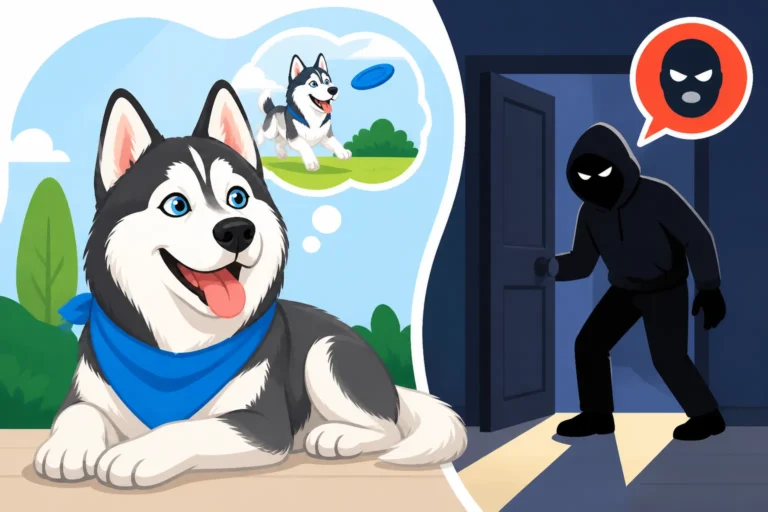
- Strangers: Usually friendly and outgoing, not prone to guarding. They'll greet almost anyone with enthusiasm, which can be lovely, but means they're not a deterrent for intruders.
Retriever in Daily Life:
- Greetings: Overjoyed, full-body wags, often bringing a toy, and seeking immediate physical affection.
- Companionship: Constant presence, often physically leaning, sitting on feet, or lying nearby. They are quintessential "Velcro dogs."
- Training: Highly motivated by praise and food, eager to please, and generally quick to learn. They thrive on having a job to do.
- Off-leash: With proper training, many can be quite reliable off-leash, especially in safe environments, due to their strong recall and desire to stay with their human.
- Strangers: Typically friendly and welcoming, though some may be a bit reserved initially. Their protective instincts are usually gentle, manifesting as concern rather than aggression.
Choosing between a Siberian Husky and a Retriever comes down to understanding what kind of relationship you truly want and are prepared to foster. Both breeds offer immense love and loyalty, but they express it in profoundly different ways, shaped by their ancestral roles and innate personalities. Whether you desire a highly collaborative, affectionate companion or an independent, adventurous partner, both can be wonderful additions to a family that understands and respects their true nature. Just make sure you're getting a dog that genuinely fits your lifestyle, and you'll find loyalty in abundance, no matter the breed.
| Trait \ Breed | Siberian Husky | Golden/Labrador Retriever |
|---|---|---|
| Expression of Loyalty | Pack-oriented, independent, respectful | Human-centric, eager-to-please, affectionate |
| Desire to Please | Moderate; motivated by mutual benefit/fun | High; thrives on human approval and collaboration |
| Independence | High; capable of making own decisions | Moderate; prefers guidance from human partner |
| Physical Affection | Selective; enjoys it on their own terms, less constant | High; loves cuddling, constant physical contact |
| Trainability | Intelligent but requires consistent, creative methods | High; eager learner, highly responsive to cues |
| Off-Leash Reliability | Low; strong wanderlust and prey drive | Moderate to High; good recall with training |
| Energy Level | Very High; needs significant daily exercise | High; needs regular exercise and mental stimulation |
| Relationship Style | Partner in adventure, respected individual | Devoted companion, eager co-worker |
| Vocalizations | Known for howling, "talking," and limited barking | Less vocal overall; occasional barking for attention |
Disclaimer
This article is for general informational purposes only and does not constitute professional advice. Laws, prices and regulations vary by location and change over time. Consult a qualified professional for guidance on your specific situation.