Zinc Doses Used in Siberian Huskies
Zinc-Responsive Dermatosis in Siberian Huskies explains specific zinc doses, absorption challenges, symptoms, and the veterinary diagnostic process.
Know what to watch for.
Breed-specific conditions, screening and DNA tests, what surgery actually costs, and the daily habits that stretch a healthy lifespan.

Zinc-Responsive Dermatosis in Siberian Huskies explains specific zinc doses, absorption challenges, symptoms, and the veterinary diagnostic process.
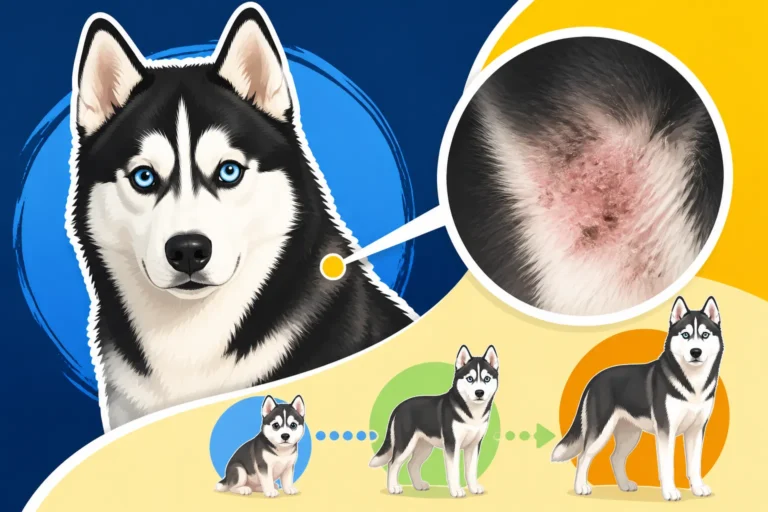
Siberian Huskies typically show initial zinc-responsive dermatosis symptoms like skin lesions between one and three years of age.

Siberian Huskies have a genetic predisposition preventing proper zinc absorption, causing crusty skin lesions and hair loss.
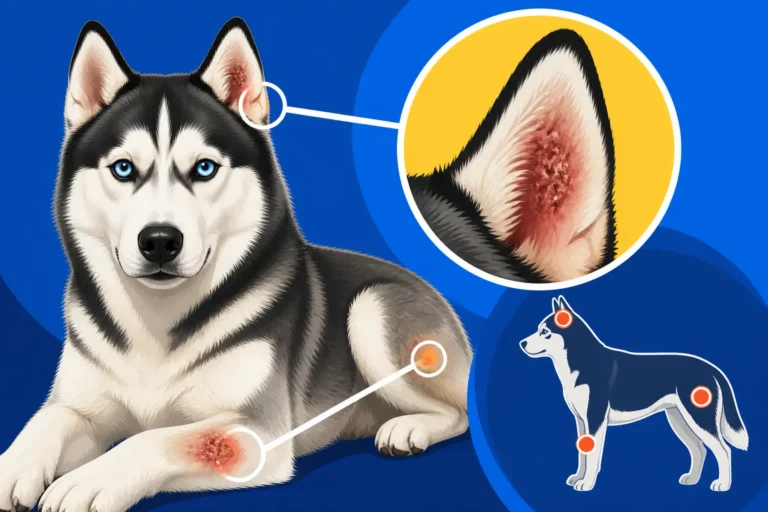
Zinc-responsive dermatosis lesions on Siberian Huskies first appear around the muzzle, eyes, ears, and pressure points as crusting or hair loss.
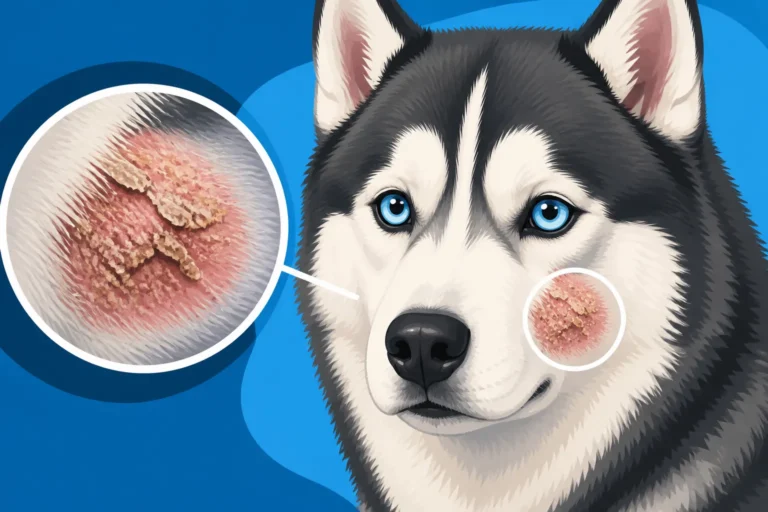
Zinc-responsive dermatosis and autoimmune diseases cause painful crusts on a Siberian Husky’s face, ears, and nose requiring veterinary diagnosis.

Siberian Husky glaucoma causes high eye pressure, severe pain, and rapid vision loss requiring fast emergency veterinary action.

Glaucoma pressure readings in Siberian Huskies indicate fluid buildup and high intraocular pressure causing permanent nerve damage.
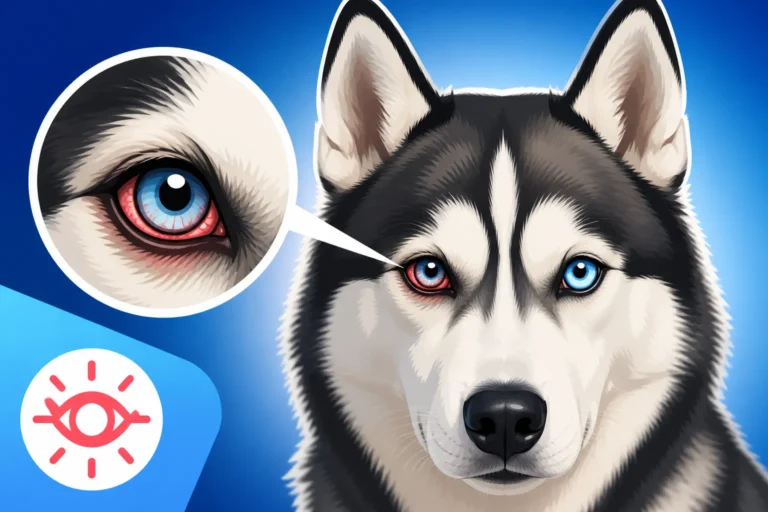
Siberian Husky eye redness and pain can signal conjunctivitis, foreign objects, or serious conditions like glaucoma and uveitis.
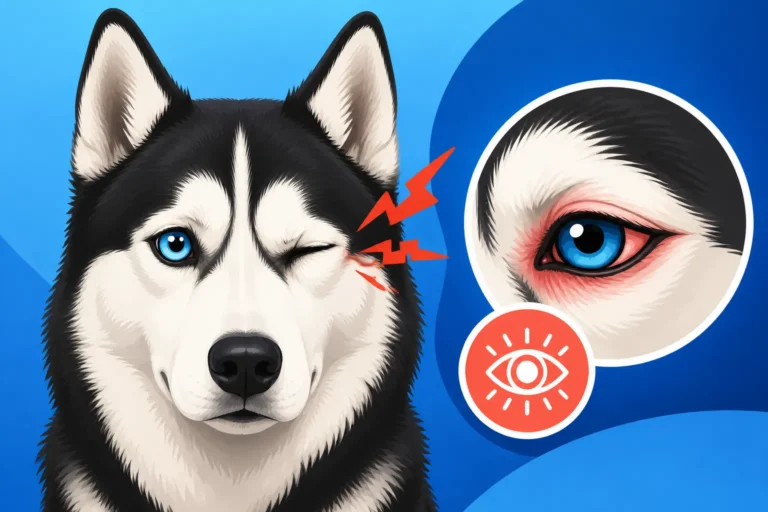
Siberian Husky eye pain and sudden squinting indicate potential injuries, infections, glaucoma, or inherited conditions requiring urgent veterinary care.
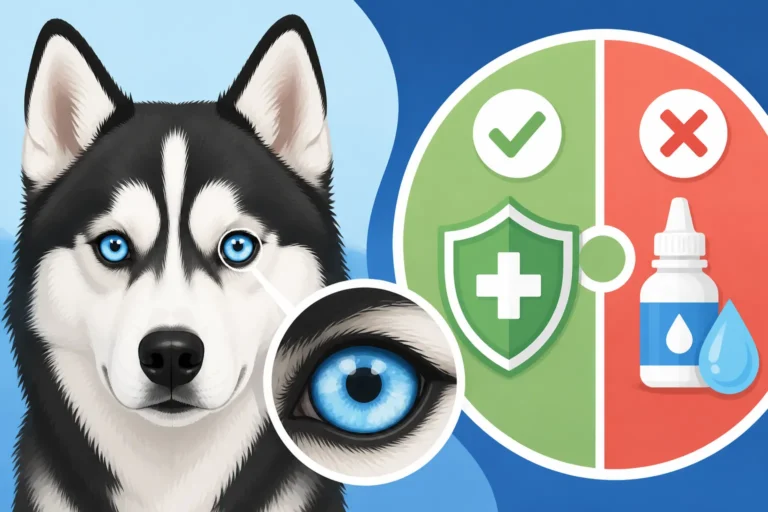
Stromal corneal dystrophy in Siberian Huskies causes cloudy lipid deposits, and this medical condition rarely requires immediate treatment.