Why a Siberian Husky Repeats a Cue Then Quits
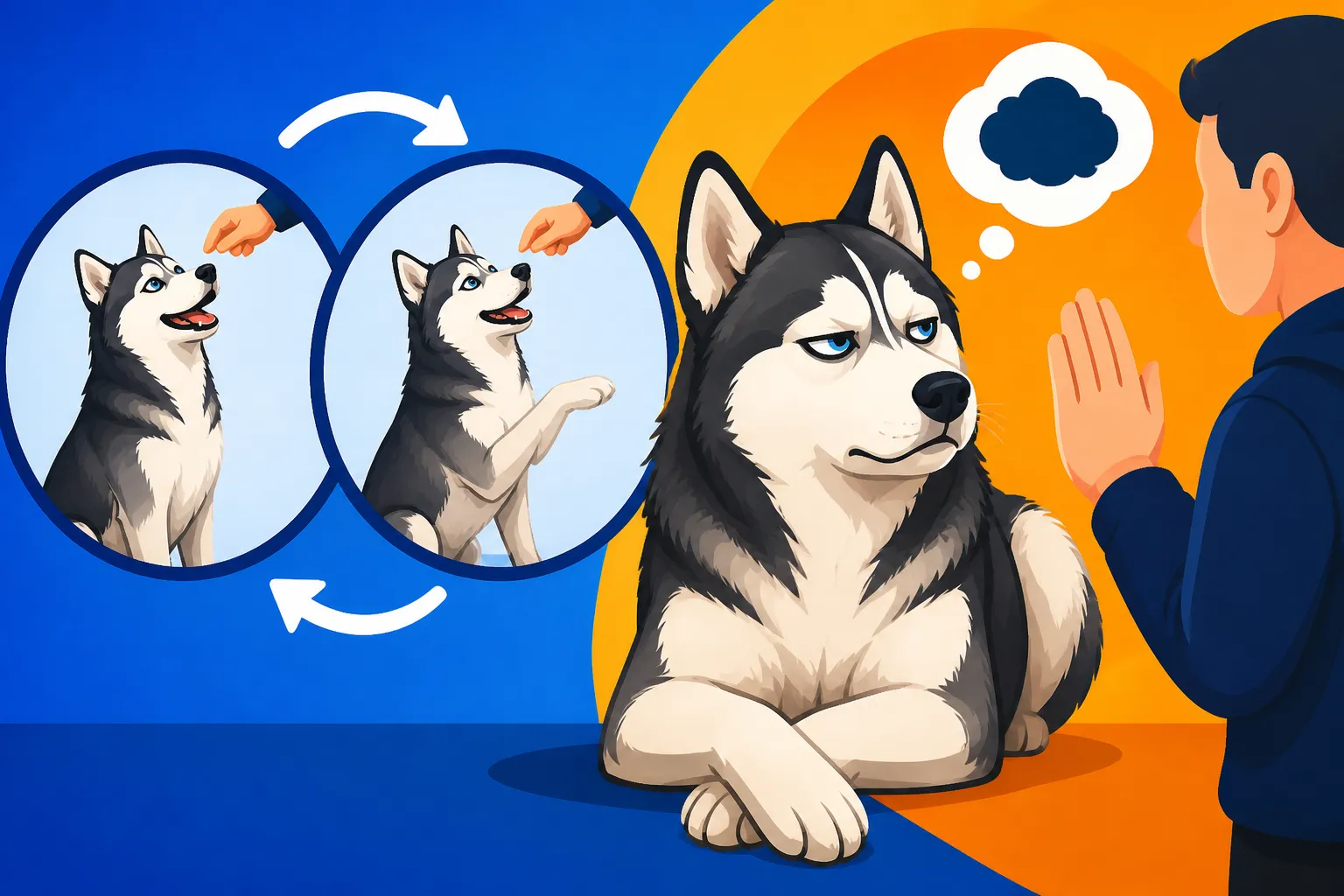
Oh, the classic Siberian Husky "repeat then quit" routine! If you've ever found yourself asking your Husky to "sit" five times, only for them to oblige twice beautifully and then stare at you like you're speaking a foreign language, you are not alone. It's incredibly frustrating when your dog clearly knows the cue, but suddenly decides they've done enough for one session. This guide is all about diving deep into the unique Husky mind to understand why they sometimes go on strike, and how we can adapt our training to keep them engaged and responsive, making those good behaviors truly stick.
The Husky Mindset: Why "Good Enough" is Often Enough
Understanding why a Siberian Husky repeats a cue a few times and then abruptly stops requires a deep dive into their intrinsic nature. These aren't your typical eager-to-please breeds that live for your every command. Huskies are independent, intelligent, and famously efficient – qualities that serve them well in their original purpose, but can be a head-scratcher for pet owners expecting endless enthusiasm.
Independent Thinkers, Not People-Pleasers
Siberian Huskies were originally bred by the Chukchi people in Siberia not to be pets in the modern sense, but as vital working partners. Their survival depended on their ability to make decisions independently, often miles from their handler, in harsh conditions. This ancient lineage means they often view requests as suggestions, rather than non-negotiable commands. They're smart enough to learn what you want, but whether they do it or not is often up to their own discretion, especially if they don't see an immediate benefit.
Imagine trying to get a seasoned CEO to do busywork. They'll do it a few times to show they understand and are capable, but if it feels redundant or unrewarding, their focus will quickly shift to something more stimulating or beneficial to them. This isn't stubbornness in a malicious sense; it's just how their brilliant, self-reliant brains are wired. They're not trying to be difficult; they're simply being a Husky. If you've ever wondered Why Siberian Huskies Look Stubborn Rather Than Slow, it's precisely this independent streak at play.
The Cost-Benefit Analysis: How Huskies Weigh Rewards
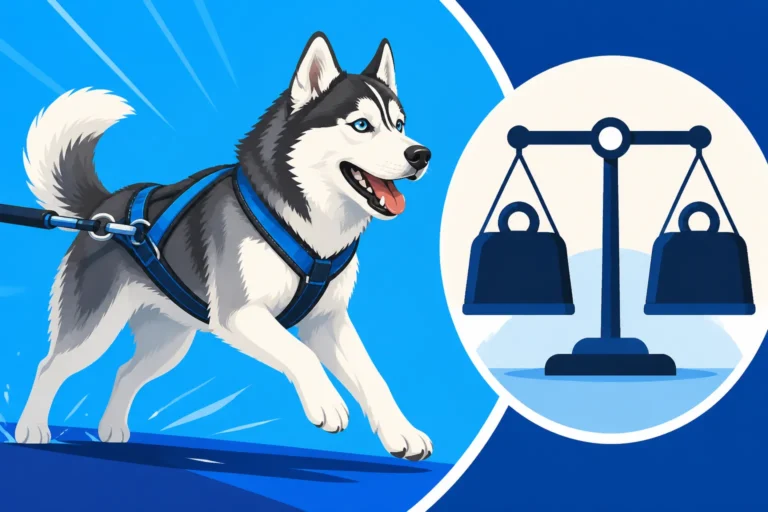
Every time you ask your Husky to perform a behavior, they're instinctively running a quick cost-benefit analysis. "Is doing this worth my effort right now?" If the reward for complying is fantastic, they might do it many times. If the reward is just okay, or if there's a more interesting squirrel across the park, or even if they're just not feeling it, their internal calculation changes. They've done it once or twice, proven they know how, and now the diminishing return on effort kicks in.
This is especially true if the reward is always the same boring kibble, or a lukewarm "good boy!" that they've heard a thousand times. They’re like tiny, furry economists. They'll expend effort as long as the perceived value outweighs the perceived cost (which could be anything from interrupting their sniff session to simply getting up from a comfy nap). To truly motivate them, you need to tip that scale heavily in your favor, consistently offering something they genuinely value, and keeping them guessing about what that might be.
Common Training Pitfalls That Lead to Quitting
Even the most well-meaning Husky owner can inadvertently create a scenario where their dog learns that quitting after a few repetitions is perfectly acceptable. It often comes down to predictable routines and unintentionally diminishing the value of both the cue and the reward.
Weak Reinforcement and Predictable Rewards
One of the biggest culprits behind a Husky repeating a cue then quitting is a predictable, low-value reward system. Think about it: if you get the same bland sandwich for lunch every single day, eventually you're going to lose enthusiasm for lunch, even if you're hungry. Huskies are no different. If they know that "sit" always means one piece of dry kibble, and that's it, the novelty wears off fast. They'll do it a couple of times out of habit or initial interest, but then they'll think, "Been there, done that, the reward isn't worth the next repetition."
Furthermore, if your reinforcement isn't strong or immediate enough, the connection between the action and the reward weakens. A delay of even a few seconds can be too long for a Husky to associate the treat with the specific behavior you desired. They need that instant gratification to truly understand that their action earned that high-value prize. Many trainers recommend using a clicker, which you can find easily on Amazon, to mark the exact moment of desired behavior before the treat is delivered, making that connection crystal clear.
Over-Repetition and Boredom
For many dogs, repetition is key to learning and cementing behaviors. For a Husky, excessive repetition is often the quickest way to turn them off. They're intelligent and catch on quickly. Once they understand a cue, drilling it 20 times in a row feels like pointless busywork. This isn't a Golden Retriever's joy in endless retrieve; it's a Husky's eye-roll at being asked to do something they've already mastered.
Imagine you're asked to solve the same simple math problem over and over again. You'd probably do it a few times, then get bored, maybe even frustrated. Huskies experience a similar mental fatigue. Their focus wanes, and their independent nature kicks in, leading them to disengage. This is why Keeping Siberian Husky Sessions Short is so incredibly important. A few successful repetitions, ending on a high note, is far more effective than forcing many repetitions until they quit. You want to leave them wanting more, not sighing with relief when you finally give up.
Inconsistent Expectations and Cue Poisoning
Another common pitfall is inconsistent application of cues and rewards, which can inadvertently "poison" the cue itself. If "come" sometimes means a great treat and sometimes means getting put in their crate after a fun run, your Husky learns to gamble. If they know you'll eventually give up and let them do what they want if they ignore a cue, they'll test those boundaries constantly.
Cue poisoning happens when a cue becomes associated with something unpleasant or simply meaningless. If you constantly repeat "sit, sit, SIT, SIIIIT!" before they finally plop down, they learn that the first few "sits" are optional. The cue itself loses its crisp meaning and becomes more like background noise. Over time, this leads to a general erosion of reliability, where they might start a behavior, consider it "done," and then ignore further requests because they know there's no real consequence for quitting. This is a common issue that makes training an independent Siberian Husky a unique challenge.
Strategies to Re-Engage and Maintain Motivation
So, how do we combat this "repeat then quit" tendency and foster consistent responsiveness in our clever, independent Huskies? It all comes down to strategic motivation, variety, and understanding their unique needs.
Varying Rewards and High-Value Treats
To keep that cost-benefit analysis tilting in your favor, you need to make the "benefit" truly outstanding. This means moving beyond predictable kibble and incorporating a rotating arsenal of high-value rewards. What's high-value for a Husky? Often, it's something meaty, smelly, and delicious. Think small pieces of cooked chicken, cheese, hot dogs, or even freeze-dried liver. You can find a vast selection of these types of treats on Amazon, ready to switch things up.
The key is variety. Don't let your Husky know exactly what they're getting. Sometimes it's a piece of chicken, sometimes it's a favorite squeaky toy, sometimes it's a quick game of tug, or even just exuberant praise and a good scratch behind the ears. This unpredictability keeps them engaged and eager, wondering what amazing thing they might earn next. If your Husky is food motivated, learning Food Rewards a Siberian Husky Will Work For is a game-changer.
Here's a quick look at reward types and their general effectiveness for Huskies:
| Reward Type | Description | Typical Husky Value | Best Use Case |
|---|---|---|---|
| High-Value Treats | Cooked chicken, cheese, hot dogs, freeze-dried meat. | Very High | New behaviors, proofing, distractions, keeping interest. |
| Medium-Value Treats | Specialty dog biscuits, softer training treats. | Medium | Known behaviors, less distracting environments. |
| Low-Value Treats | Kibble, plain biscuits. | Low | Very simple, established behaviors, or if very hungry. |
| Praise/Affection | Verbal praise, petting, belly rubs. | Variable | When combined with other rewards, or for a very bonded Husky. |
| Play/Toy | Quick game of tug, toss of a favorite ball. | High | Good for breaking up food rewards, or for non-food motivated Huskies. |
| Environmental | "Go sniff," permission to greet a friendly dog (if appropriate). | Variable | Life rewards for compliant behavior. |
Keeping Training Sessions Short and Sweet
As mentioned, Huskies have a low tolerance for boredom. Their keen intelligence means they grasp concepts quickly, but their independent spirit means they don't see the point in endless drills. Instead of long, drawn-out sessions, aim for multiple short bursts of training throughout the day. Think 2-5 minutes, max, per session. Focus on getting 3-5 perfect repetitions of a known cue, then immediately end the session on a positive note.
This approach keeps your Husky excited and engaged because they never have a chance to get bored or fatigued. They learn that training is fun, fast, and always ends with a big win. You'll find that doing two or three 3-minute sessions a day will yield far better results than one 20-minute session where they check out halfway through. This also applies to things like puzzle toys or enrichment items; if they finish them too quickly, consider more challenging options available through retailers like BAXTER & Bella's recommended gear list or general pet stores, or different puzzle feeders from Amazon.
Proofing and Generalization: Making Cues Stick Everywhere
A common mistake is assuming that once your Husky performs a cue perfectly in your quiet living room, they'll do it anywhere. Not so for a Husky! They are masters of context. "Sit" in the living room is not the same as "sit" at the park with squirrels, or "sit" when the doorbell rings. To overcome the "repeat then quit" cycle, you need to systematically "proof" the behavior in various environments and with increasing distractions.
Start in a quiet space, then move to a slightly busier room, then the backyard, then a quiet street, and eventually to a busy park. Each time you introduce a new environment or distraction, scale back your expectations and increase your reward value. It's like restarting training for that specific cue in that new context. Over time, your Husky will generalize the cue, understanding that "sit" means "sit" no matter where they are or what's going on. This helps build a stronger, more reliable response that won't just peter out after a few tries. Consider working through a structured online program like those offered by BAXTER & Bella, which often guide you through these proofing steps systematically.
Understanding Their "Why": Empathy in Training
Ultimately, successful training with a Siberian Husky comes from a place of empathy and understanding their core motivations. They are not robots; they have feelings, preferences, and a strong sense of self-preservation. If your Husky is quitting a cue, step back and ask yourself:
- Am I asking too much? Are they tired, hot, overstimulated, or just plain bored? Running a Siberian Husky in Summer Heat can significantly reduce their willingness to focus.
- Is the reward truly valuable to them right now? What's competing for their attention?
- Is my communication clear and consistent? Am I repeating the cue unnecessarily or showing frustration?
- Have I ended too many sessions on a bad note? Always try to end on success, even if it's just a simple "touch" command they nail.
By acknowledging their unique intelligence and independence, and by making training an exciting, rewarding, and varied experience, you can move past the frustration of the "repeat then quit" syndrome. You'll find that building that mutual respect and understanding will lead to a much stronger, more joyful bond with your incredible Siberian Husky.
Disclaimer
This article is for general informational purposes only and does not constitute professional advice. Laws, prices and regulations vary by location and change over time. Consult a qualified professional for guidance on your specific situation.