Checking Siberian Husky Pads After Trail Runs
After a thrilling trail run, watching your Siberian Husky bound through varied terrain is a joy, but it’s natural to feel a pang of worry: are those incredible paws holding up? Their paws are truly remarkable, built for endurance and harsh conditions, yet they aren't indestructible. This guide is dedicated to helping you meticulously check your Husky's paw pads after every adventure, understand what signs to look for, and how to provide the best care to keep them ready for the next trail.
The Marvel of Siberian Husky Paws and Their Limits
Our Huskies are magnificent athletes, bred for endurance and speed over vast, challenging landscapes. Their paws are a testament to this heritage, designed to withstand cold, rough terrain, and long distances. They possess thick, tough paw pads that act like natural shock absorbers and provide excellent traction. The dense fur between their toes offers insulation against extreme cold, and helps protect against snow and ice buildup, making them truly equipped for their original purpose.
However, even with this incredible natural engineering, their paws have limits. Modern trails often feature sharp gravel, asphalt, broken glass, or even chemical irritants like de-icers in colder urban environments. A paw designed for packed snow and natural ground isn't always prepared for the modern world's challenges. Overuse, sudden changes in terrain, or encountering hidden hazards can lead to painful injuries that sideline your active companion. It’s a common misconception that because they're Huskies, their feet are impervious. Trust me, I’ve seen enough tender paws to know that proactive checking and care are absolutely crucial.
Built for the Wild, Tested by the Trail
Think about their ancestors, pulling sleds across vast, unforgiving Siberian landscapes. Their paws evolved to handle snow, ice, and frozen earth. The thick pads provide a buffer against cold and impact, while the webbing between their toes offers better traction on slippery surfaces. It's a marvel of natural selection! But when we take them on rocky inclines, stretches of hot pavement, or trails littered with debris, we're asking those same paws to adapt to conditions they weren't necessarily optimized for. This is where we, as responsible owners, step in to bridge that gap with diligent care.
Why Even Tough Paws Need Your Attention
Just like a human runner's feet can develop blisters, calluses, or even stress fractures, a Husky's paws are susceptible to injury. A small cut can become infected, a torn pad can be excruciatingly painful, and prolonged exposure to extreme temperatures – both hot and cold – can cause significant damage. Neglecting paw care can lead to chronic lameness, changes in gait, or even more serious health issues if an infection spreads. It's not just about comfort; it's about preserving their mobility and overall quality of life. Regular checks are your first line of defense, catching minor issues before they escalate. You'd be surprised how stoic some Huskies can be, masking pain until it's quite severe, so your careful inspection is invaluable.
Immediate Post-Run Paw Inspection: What to Look For
Okay, the run is over, your Husky is panting happily, probably already looking for their next adventure or a comfy spot to nap. This is the perfect time to incorporate a paw check into your routine. Make it a positive experience, perhaps with a treat or some gentle praise. The goal is to be thorough without making it a chore for either of you. You're not just looking for obvious wounds; you're feeling for subtle changes and ensuring there are no lurking irritants.
A Step-by-Step Guide to a Thorough Paw Check
- Find a Quiet Spot: Settle your Husky in a comfortable, well-lit area. Having good lighting is key to seeing small details.
- Start With a General Overview: Before you even touch them, watch how your Husky stands and walks immediately after the run. Do they favor a paw? Are they limping slightly? A Siberian Husky Limping After Long Runs can be a subtle sign something is amiss.
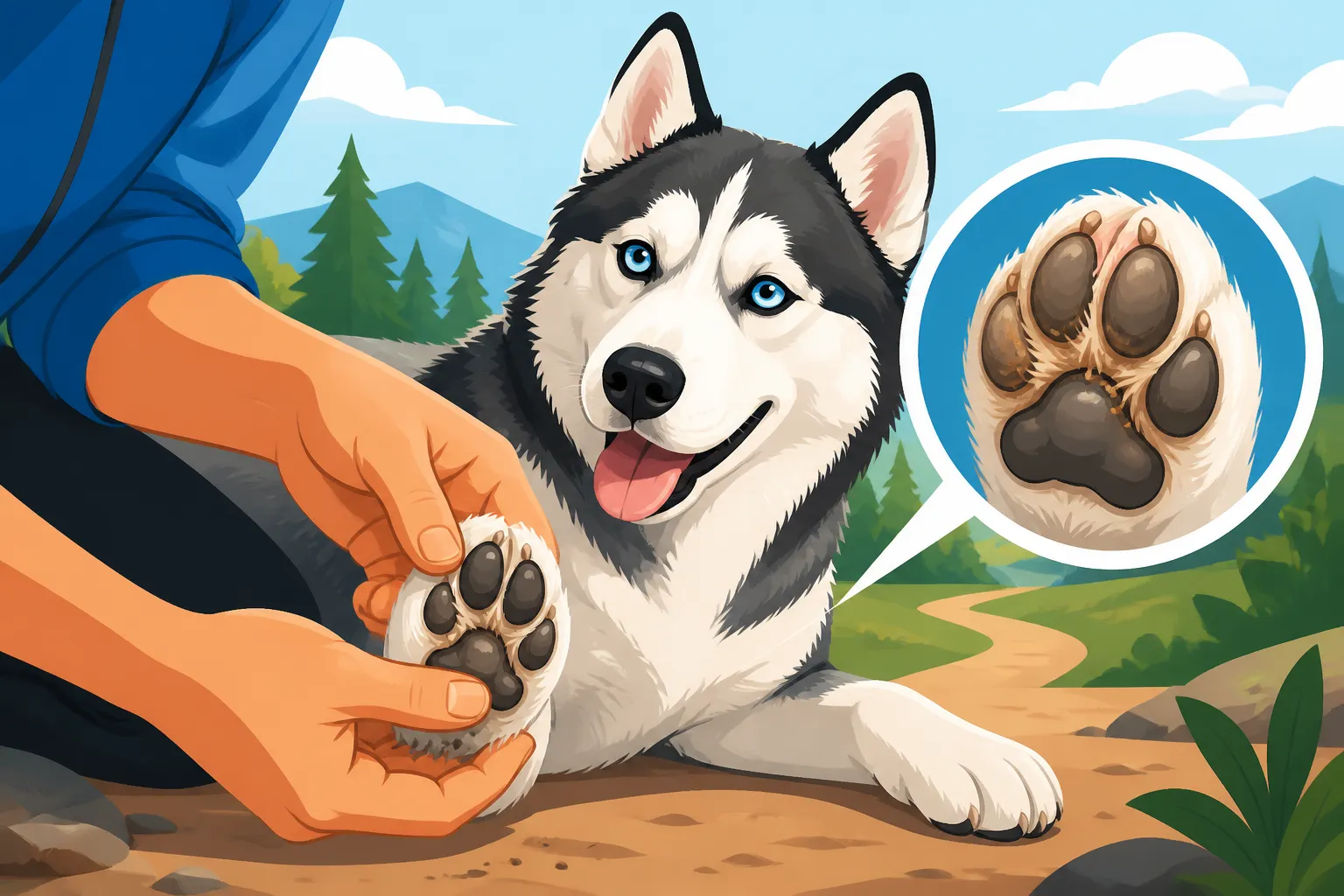
- Inspect Each Paw Systematically:
- Pads: Gently pick up each paw and examine the main pads. Look for cuts, scrapes, tears, punctures, excessive redness, swelling, or blistering. Feel the texture – are they unusually rough, thin, or tender? Check for any foreign objects embedded in the pads, like thorns or small pieces of gravel.
- Between the Toes: This area is a magnet for burrs, dirt, small sticks, or even matted fur that can cause irritation. Spread the toes apart gently and look deep into the crevices. Look for redness, swelling, or any discharge that might indicate an infection.
- Nails: Check each nail for cracks, breaks, or excessive length. Long nails can cause discomfort, alter their gait, and are more prone to tearing, which can be extremely painful.
- Underside of the Leg: Briefly run your hand up the leg a bit, feeling for any heat, swelling, or tenderness that might indicate a sprain or other injury higher up.
What Constitutes an Emergency or Vet Visit?
While many minor issues can be handled at home, some require immediate professional attention. Here's when to pick up the phone and call your vet:
- Deep Cuts or Lacerations: If a cut is deep, bleeding heavily, or exposes underlying tissue, it needs veterinary care to prevent infection and ensure proper healing.
- Significant Swelling or Pain: If a paw is noticeably swollen, hot to the touch, or your Husky is in severe pain (whining, refusing to bear weight, constantly licking), it could indicate a fracture, deep infection, or severe soft tissue damage.
- Persistent Limping: While mild lameness after a particularly strenuous run might resolve with rest, persistent or worsening limping over 24-48 hours warrants a vet visit. It could be a strain, sprain, or something more serious affecting joints or tendons.
- Torn Nail to the Quick: A torn nail that's bleeding profusely or exposes the quick (the sensitive part of the nail) is very painful and prone to infection. Your vet can properly trim it, clean the wound, and often prescribe pain relief and antibiotics.
- Puncture Wounds: These can be tricky because they often look small on the surface but can be deep, introducing bacteria. They can lead to abscesses if not properly cleaned and treated.
- Signs of Infection: Redness, heat, swelling, pus, or a foul odor around any wound or between the toes are all red flags for infection and require veterinary intervention.
- Ingrained Foreign Objects: If you can't easily and safely remove a foreign object (like a piece of glass or a deeply embedded thorn), don't force it. Pushing it deeper or breaking it off can cause more harm. A vet can remove it sterilely.
It’s always better to err on the side of caution. If you’re ever unsure, a quick call to your vet or a virtual consultation can provide peace of mind.
Addressing Common Paw Issues After Trail Runs
Even with the best preparation, accidents happen. Knowing how to react to common paw injuries can make a big difference in your Husky's comfort and recovery. Having a basic first-aid kit on hand is invaluable for these situations.
Cuts, Scrapes, and Minor Abrasions
These are probably the most frequent injuries for active Huskies. A small nick from a sharp rock or a superficial scrape from sliding on loose gravel.
- First Aid:
- Cleanliness is Key: Gently clean the wound with a mild antiseptic solution, like chlorhexidine or povidone-iodine diluted as instructed by your vet, or simply warm water and a dog-safe soap. Rinse thoroughly.
- Control Bleeding: For minor cuts, direct pressure with a clean cloth usually stops the bleeding within a few minutes.
- Apply Antiseptic Ointment: Once clean, you can apply a thin layer of a dog-safe antibiotic ointment (ensure it’s non-toxic if ingested, as they will undoubtedly try to lick it off!). Brands readily available through retailers like Chewy or Amazon often carry these.
- Bandage if Necessary: For cuts on the pad itself, a light bandage can help keep it clean and protected while it heals. Use non-stick pads and secure with self-adhering veterinary wrap. Be careful not to wrap too tightly, which can cut off circulation. You should be able to slip two fingers under the wrap easily. Change the bandage daily.
- Prevent Licking: An Elizabethan collar (e-collar) or a paw bootie can be essential to prevent your Husky from licking or chewing at the wound, which can introduce bacteria and delay healing.
Blisters and Torn Pads
Blisters typically form from excessive friction, especially on hot surfaces or with prolonged activity on rough ground. Torn pads are more serious, often caused by sharp objects or extreme twisting/shearing forces.
- Blisters:
- Gentle Care: If a blister is intact, try not to pop it. Keep it clean and dry. You can apply a protective layer of paw wax or a light bandage.
- Ruptured Blisters: If it's already open, clean it thoroughly with antiseptic and apply a protective ointment. Bandage if needed.
- Rest: Limit activity to allow the skin to heal and toughen up.
- Torn Pads: These are painful and require more intensive care.
- Immediate Cleaning: Clean the torn pad gently but thoroughly to remove any dirt or debris.
- Veterinary Attention: Most significant pad tears will benefit from veterinary assessment. The vet might need to trim away loose flaps of skin, clean the wound deeply, and possibly suture it, especially if it's a deep tear.
- Strict Rest: Healing a torn pad takes time and rest. This often means very limited walks, no running, and keeping the paw clean and bandaged. It can take several weeks for a torn pad to fully heal and toughen up again. You may need to invest in some good quality paw booties for protection during the healing process, especially if your Husky is keen to move around.
Foreign Objects
Burrs, thorns, splinters, and even tiny pieces of glass or metal can get lodged in paw pads or between toes.
- Safe Removal: If the object is superficial and easy to grasp (like a burr or small splinter), you can try to remove it with clean tweezers. Always pull in the direction it entered.
- When to Seek Vet Help: If the object is deeply embedded, you can't see the end of it, it's bleeding heavily, or your Husky is in pain and won't let you touch it, do not attempt to remove it yourself. A vet can remove it safely and ensure no fragments are left behind.
- Post-Removal Care: After removal, clean the area with antiseptic and monitor for signs of infection.
Soreness and Limping
Sometimes there's no visible wound, but your Husky is just sore or limping. This can be due to muscle strain, joint stress, or simply overexertion on the paws themselves.
- Rest and Observation: For mild soreness, a day or two of rest and reduced activity can often work wonders. Keep an eye on them.
- Cold Compresses: A cold compress applied to the paw or lower leg for 15-20 minutes a few times a day can help reduce inflammation and discomfort, especially if there's any swelling.
- Veterinary Check: If the limping persists, worsens, or is accompanied by swelling, heat, or obvious pain, it's time for a vet visit. It could be a sprain, a deeper bruise, or even something like Cruciate Tears in Working Siberian Huskies, though those are often more obvious. Early detection is key to a faster recovery.
Here's a quick reference table for common paw issues:
| Issue | Symptoms | First Aid / Action | When to See a Vet |
|---|---|---|---|
| Cuts/Scrapes | Minor bleeding, visible break in skin | Clean with antiseptic, apply ointment, light bandage | Deep cuts, heavy bleeding, signs of infection |
| Blisters | Swelling, fluid-filled pocket (intact/ruptured) | Keep clean & dry, apply paw wax/light bandage if open | Large, painful, infected, or not healing |
| Torn Pads | Flap of skin, bleeding, pain, limping | Clean, gentle pressure to stop bleeding, light bandage | Most significant tears, deep wounds, persistent pain |
| Foreign Objects | Limping, licking, visible object, swelling | Remove shallow objects with tweezers, clean | Deeply embedded, painful removal, bleeding, infection |
| Soreness/Limping | Favoring paw, subtle limp, reluctance to move | Rest, cold compress | Persistent (>24-48 hrs), worsening, swelling, heat |
Proactive Paw Care for Active Siberian Huskies
Preventative care is always better than reacting to an injury. By incorporating a few simple practices into your routine, you can significantly reduce the risk of paw problems for your adventurous Husky. Remember, consistency is key!
Conditioning and Toughening Paw Pads
You wouldn't run a marathon without training, and the same applies to your Husky's paws. Their pads need to be gradually conditioned for the terrains you expect them to tackle.
- Gradual Exposure: Don't go from soft grass to sharp rocks overnight. Introduce new terrains slowly. Start with shorter runs on varied surfaces and gradually increase the distance and difficulty. This allows their pads to naturally toughen without overstressing them.
- Vary Your Trails: Mix up your routes. If you always run on soft dirt, their pads won't develop the resilience needed for rocky trails. Incorporate different textures – some gravel, some pavement, some natural earth – to build a well-rounded paw.
- Hydration: Just like the rest of their body, well-hydrated pads are healthier. Ensure your Husky has plenty of water, especially after vigorous activity.
Using Paw Balms and Waxes
These products are fantastic tools for protecting and nourishing your Husky's paw pads.
- Protection: Paw balms and waxes create a protective barrier against harsh elements. In winter, they shield against snow, ice, and chemical de-icers. In summer, they can offer a layer of defense against hot pavement, which is especially important because Hot Pavement Under Siberian Husky Paws can cause burns surprisingly quickly.
- Moisture and Healing: They also help moisturize pads, preventing dryness and cracking, which can lead to painful splits. Look for balms with natural ingredients like beeswax, shea butter, and essential oils that are safe for dogs.
- Application: Apply a thin layer to your Husky's pads before walks or runs, especially if you anticipate challenging terrain or extreme temperatures. Reapply as needed. You can find excellent options from reputable pet supply retailers like Chewy or Amazon.
The Role of Protective Booties
While many Huskies resist booties at first, they can be a game-changer for serious trail runners or those navigating extreme conditions.
- Extreme Weather: In deep snow or on icy trails, booties protect against frostbite and snowballs forming between toes. Similarly, on scorching summer days, they offer a vital barrier against burning hot surfaces. Consider Booties for a Siberian Husky in Winter and also for summer heat.
- Rough Terrain: For trails with sharp rocks, abrasive gravel, or known debris, booties provide an extra layer of defense against cuts and abrasions. They can also protect healing wounds or sensitive pads.
- Training and Fit: It's important to introduce booties gradually and find a pair that fits well. A poorly fitting bootie can cause chafing or fall off. Let your Husky wear them for short periods around the house before hitting the trails. They'll eventually get used to them.
- Brand Options: Brands like Ruffwear and Musher's Secret (a wax, but often used in conjunction with or instead of booties for protection) are popular choices and readily available on platforms like Amazon.
Regular Nail Trimming
Often overlooked, proper nail length is crucial for paw health and overall comfort.
- Impact on Gait: Overly long nails can force your Husky's toes to spread unnaturally, affecting their balance and making them more prone to slipping or injury. It's like walking in shoes that are too small. This can impact their natural gait, potentially leading to joint issues over time.
- Preventing Cracks and Tears: Long nails are more likely to snag, crack, or tear, which, as discussed, is incredibly painful. Regular trims keep them at a healthy length, reducing this risk.
- How to Trim: If you're comfortable, you can use clippers or a dremel grinder. Be careful not to cut into the quick, which causes pain and bleeding. If your Husky has black nails, it can be harder to see the quick, so trim small amounts frequently. If you're nervous, your vet or a professional groomer can handle nail trims.
Proper Nutrition for Overall Paw Health
A healthy body supports healthy paws. Good nutrition contributes to strong nails, resilient pads, and robust skin.
- Balanced Diet: Ensure your Husky is on a high-quality, balanced diet appropriate for their activity level. Look for foods with good sources of protein, healthy fats (like Omega-3 and Omega-6 fatty acids), and essential vitamins and minerals. These nutrients contribute to skin elasticity, coat health, and nail strength.
- Zinc Supplementation (if needed): Siberian Huskies are known to have issues with zinc absorption, and zinc deficiency can manifest in skin and paw problems. While a balanced diet is important, sometimes it's not enough. If your Husky shows signs of issues like crusting skin around the muzzle or on paw pads, discuss zinc supplementation with your vet. It's not a common issue for all Huskies, but it's worth being aware of for the breed. For specific health concerns, always consult your veterinarian, who might recommend particular supplements available from stores like Chewy.
By consistently integrating these preventative measures into your routine, you'll ensure your Siberian Husky’s paws remain healthy, strong, and ready for whatever exciting trails lie ahead. Their well-being on the trail starts with careful attention at home.
Disclaimer
This article is for general informational purposes only and does not constitute professional advice. Laws, prices and regulations vary by location and change over time. Consult a qualified professional for guidance on your specific situation.