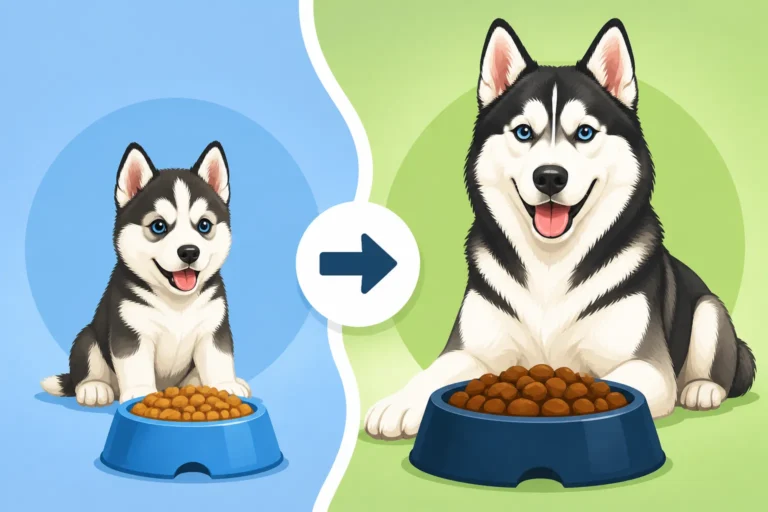
How Often a Siberian Husky Puppy Eats
Bringing a new Siberian Husky puppy home is an exciting, albeit sometimes overwhelming, experience. One of the biggest worries new owners face is figuring out the perfect feeding schedule: how much, what kind, and crucially, how often a Siberian Husky puppy needs to eat. It’s easy to feel lost with conflicting advice, but this guide will walk you through establishing a healthy feeding routine from those first tiny weeks right up to their transition into adulthood, focusing on the unique needs of this magnificent breed.
The First Few Weeks: Bringing Your Husky Puppy Home
Those initial days and weeks with your Husky pup are a whirlwind of discovery, learning, and often, a lot of questions. One of the most critical aspects of their early care is establishing a consistent and appropriate feeding schedule. Getting this right sets the foundation for their growth and overall well-being.
Mimicking the Breeder's Schedule
When you first bring your Siberian Husky puppy home, their world has just been turned upside down. They've left their littermates, their mother, and the only environment they've ever known. The best thing you can do to ease this transition is to maintain as much consistency as possible, especially with their diet and feeding schedule. Your breeder should provide you with a detailed feeding plan, including the type of food they were eating, how much, and exactly when. Stick to this plan for at least the first week or two.
Sudden changes in diet or feeding times can lead to digestive upset, which is the last thing you want with a new puppy. Diarrhea or vomiting can quickly dehydrate a small puppy and make an already stressful situation even worse. If you plan to switch foods, do so very gradually over 7-10 days, mixing increasing amounts of the new food with decreasing amounts of the old. This slow transition allows their delicate digestive system to adjust without too much distress. Remember, those first few days are all about making them feel safe and secure, and a consistent mealtime routine plays a huge part in that.
The Importance of Small, Frequent Meals
Very young Siberian Husky puppies, typically those under three to four months old, have tiny stomachs and incredibly fast metabolisms. This combination means they can't consume large quantities of food at once, nor can they go for long periods without eating. Their small size makes them particularly vulnerable to hypoglycemia, or dangerously low blood sugar, if they don't eat frequently enough. This is why breeders often send puppies home eating four times a day.
Imagine trying to fuel a rapidly growing body with an engine that's constantly running! Puppies burn through calories at an astonishing rate just for basic metabolic functions, let alone all the playing, exploring, and learning they do. Feeding them smaller, more frequent meals throughout the day ensures a steady supply of nutrients and energy, preventing those dangerous blood sugar dips. It also aids digestion, allowing their young systems to process food more efficiently and absorb all the goodness they need for healthy development. Don't underestimate how vital these regular meals are; they're not just about growth, but about maintaining stable energy levels and preventing serious health issues.
Adjusting the Feeding Schedule as Your Husky Grows
As your Siberian Husky puppy grows from a tiny fluffball into a more robust adolescent, their nutritional needs and capacity to hold food will change. It’s important to adjust their feeding schedule accordingly to support their developing body without overfeeding or underfeeding them.
From Four Meals to Three
Around three to four months of age, you'll likely notice your Siberian Husky puppy starting to manage longer stretches between meals without showing signs of hunger or low energy. This is usually the cue that they're ready to drop from four meals a day down to three. This isn't a hard and fast rule, as every puppy develops at their own pace, but it's a common milestone. Look for signs like leaving a little food in the bowl at one of the four feedings, or not seeming quite as ravenous for that mid-day snack.
When you make this change, simply redistribute the total daily amount of food across three meals rather than four. For example, if they were getting a cup of food four times a day (totaling four cups), you might adjust it to one and a third cups three times a day. Always monitor their weight and energy levels closely during this transition. A healthy Siberian Husky puppy should be energetic, playful, and growing steadily, not showing signs of lethargy or excessive weight loss. This period also often coincides with their final round of puppy vaccinations, so your vet can offer guidance during their Siberian Husky Vet Visits by Life Stage.
Transitioning to Two Meals a Day
The next big step in their feeding journey typically occurs when your Husky puppy is between six and twelve months old, as they near their full adult size and their metabolism begins to regulate. This is often the time to transition them to two meals a day – a schedule many adult Siberian Huskies maintain for the rest of their lives. For a breed known for its The Health Milestones of a Siberian Husky Year by Year, proper nutrition throughout these growth phases is paramount.
When making this shift, ensure you're still feeding a high-quality puppy formula, unless your vet specifically advises otherwise, as puppies still need higher calorie and nutrient densities than adult dogs. You'll again take their total daily food allowance and divide it into two larger meals, usually once in the morning and once in the evening. Keep a close eye on their body condition. You should be able to feel their ribs easily without seeing them protruding, and they should have a discernible waist when viewed from above. Remember, a common mistake is overfeeding, which can lead to rapid growth and potential joint problems, so careful portion control is crucial for Protecting a Siberian Husky Puppy's Growth Plates.
Understanding Your Husky Puppy's Unique Metabolism
Siberian Huskies are not your average dogs. Their ancestry as endurance sled dogs in harsh Arctic environments has blessed them with a remarkable metabolism that sets them apart from many other breeds. Understanding this unique physiology is key to feeding your puppy correctly.
Why Huskies Can Eat Less Than You'd Expect
One of the most surprising things many new Siberian Husky owners discover is that their dogs often require less food than similarly sized breeds. This isn't because Huskies are dainty eaters – quite the opposite when food is offered! It's due to their incredibly efficient metabolism, a trait honed over generations in the severe climate of Siberia. Their bodies are designed to extract maximum energy from minimal calories, allowing them to perform strenuous tasks on a comparatively lean diet. If you're comparing your Husky puppy's food intake to, say, a Labrador puppy of the same size, you might find your Husky eats considerably less. This is perfectly normal and a testament to their heritage. Why Siberian Huskies Eat Less Than a Labrador delves deeper into this fascinating metabolic advantage.
Overfeeding a Siberian Husky, especially during puppyhood, can lead to issues far beyond just excess weight. Rapid growth spurts caused by too many calories can put undue stress on their developing bones and joints, potentially contributing to orthopedic problems later in life. It's a delicate balance to provide enough fuel for their boundless energy and growth without going overboard. Always remember that a sleek, athletic build is the hallmark of a healthy Husky, not a chunky one. Their ancestors thrived on efficiency, and our modern Huskies retain that trait, making precise portion control an absolute must.
Monitoring Weight and Body Condition
Since Siberian Huskies have such an efficient metabolism, simply following the feeding guidelines on a bag of puppy food can often lead to overfeeding. Those guidelines are typically geared towards the average dog, not the unique Husky. This is why actively monitoring your puppy's weight and body condition is far more important than just adhering strictly to a chart. You need to learn how to "read" your Husky's body.
The best way to assess your Husky's condition is by both sight and touch. When looking at your puppy from above, you should see a clear waist tucking in behind their ribs. From the side, their abdomen should also tuck up, not hang low. When you run your hands along their sides, you should be able to easily feel their ribs beneath a thin layer of muscle and fat, but they shouldn't be visibly protruding. If you can't feel their ribs without pressing, they're likely carrying too much weight. Conversely, if their ribs are sharply defined or their hips and spine are prominent, they might need a bit more food. Regular vet check-ups are also crucial, as your veterinarian can provide objective assessments and ensure your Husky is on a healthy growth curve.
| Age Range | Recommended Meals Per Day | Key Considerations |
|---|---|---|
| 8-12 Weeks | 3-4 Meals | Small stomach, high metabolism, prevent hypoglycemia. |
| 3-6 Months | 3 Meals | Growing rapidly, still need frequent nutrient intake. |
| 6-12 Months | 2 Meals | Approaching adult size, metabolism stabilizing. |
| 12 Months+ (Adult) | 2 Meals (or 1, consult vet) | Maintain ideal body condition; efficient metabolism. |
Practical Tips for Feeding Your Siberian Husky Puppy
Beyond the frequency and amount, how you approach feeding your Siberian Husky puppy makes a big difference in their health, development, and even their behavior. Building good habits now will serve you both well into their adult years.
Choosing the Right Food and Portions
Choosing the right food for your Siberian Husky puppy is paramount. Look for a high-quality puppy-specific formula, as these are balanced to provide the concentrated calories, protein, and essential nutrients needed for rapid growth. Brands often categorize their puppy foods by "large breed puppy" or "all life stages," and while Huskies aren't giant breeds, a formula designed for healthy bone development is beneficial. You can find a wide variety of reputable puppy foods from popular retailers like Chewy or Amazon, making it easy to compare options and read reviews. Some owners even explore fresh food options from services like Ollie, which can offer customized meal plans, but always ensure they are nutritionally complete for puppies.
Once you have the right food, portion control is absolutely critical for a Siberian Husky. As discussed, their efficient metabolism means they can gain weight easily if overfed. Do not just "eyeball" it or scoop from the bag; invest in a kitchen scale and measure their food by weight. This is far more accurate than volumetric measurements (like cups) and ensures your puppy receives a consistent, appropriate amount of food. Weighing a Siberian Husky's Ration Instead of Scooping can help you get started with this precise method. Always adjust the portion based on their activity level, growth rate, and individual metabolism, consulting your vet as needed.
Establishing a Routine and Preventing Resource Guarding
Huskies thrive on routine, and mealtime is no exception. Establishing consistent feeding times helps regulate their digestive system and provides a sense of security and predictability. Feed your puppy in the same location each time, in a quiet area where they won't be disturbed. This consistent environment helps them focus on eating and can prevent potential anxieties around mealtime.
It's also a prime opportunity to teach good manners and prevent resource guarding. While your puppy is eating, occasionally walk past their bowl, talk to them calmly, or even drop an extra high-value treat into their bowl. This teaches them that human presence around their food is a good thing, not a threat. If you have other pets, always feed them separately to avoid competition and potential conflict. Early positive reinforcement around food can help foster a confident, well-adjusted adult Husky.
What to Do If Your Puppy Skips a Meal
It can be alarming when your energetic Siberian Husky puppy suddenly turns up their nose at mealtime. While it's always wise to err on the side of caution and consult your veterinarian if you're concerned, it's also important to know that Huskies can sometimes be a bit finicky or "prandial" – meaning they might skip a meal or two without it being a sign of serious illness. Their efficient metabolism allows them to manage short periods without food better than some other breeds. You can learn more about this common behavior in A Siberian Husky Puppy That Refuses Meals.
If your puppy skips one meal, don't panic. Watch them for other symptoms: are they still playful? Are they drinking water? Do they have normal bowel movements? If they seem otherwise fine, offer the next meal at the regular time. Avoid the temptation to leave food down all day, as this can encourage picky eating and attract pests. Free-feeding is generally not recommended for Huskies for these reasons and because it's harder to monitor their intake and body condition. Whether to Free Feed a Siberian Husky discusses why this method isn't ideal for the breed. If your puppy skips multiple meals, becomes lethargic, or shows any other signs of illness, contact your vet immediately. It's better to be safe than sorry when it comes to puppy health.
Disclaimer
This article is for general informational purposes only and does not constitute professional advice. Laws, prices and regulations vary by location and change over time. Consult a qualified professional for guidance on your specific situation.