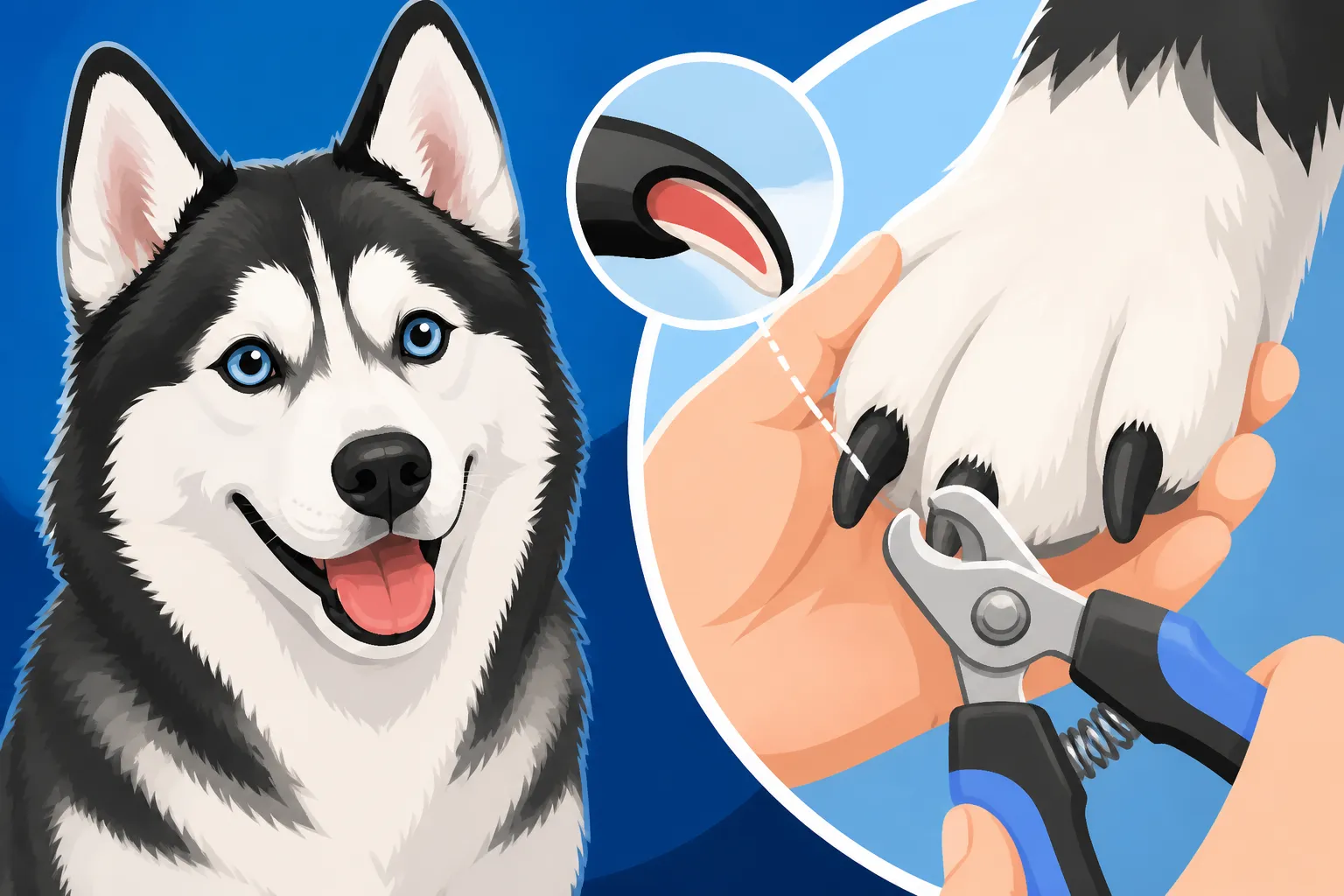
Cutting Thick Siberian Husky Nails
As a Siberian Husky owner, you know the struggle: those beautiful, strong paws come with incredibly thick, robust nails that can feel like they're made of steel. Trying to keep them trimmed can be a monumental task, leading to frustration for both you and your furry companion, and if left untended, they can cause real discomfort and even pain. This guide is here to walk you through everything you need to know about effectively and safely cutting those notoriously tough Siberian Husky nails, turning a dreaded chore into a manageable part of your dog's care routine.
The Unique Challenge of Siberian Husky Nails
If you've ever tried to trim your Husky's nails and felt like you were battling a concrete slab, you're not alone. Siberian Huskies are built for endurance and work, and their nails reflect that heritage. They aren't dainty little claws; they're formidable tools designed for traction and digging, which means they come with their own set of challenges when it comes to regular maintenance.
Why Husky Nails Are Different
Siberian Huskies have evolved with paws perfectly suited for traversing diverse terrain, from snow and ice to rocky paths. Their nails are inherently thicker, stronger, and often grow faster than those of many other breeds. This isn't just about appearance; it's about function. These nails provide crucial grip when they're running, pulling, or even just navigating their environment. Unlike many house dogs whose nails might wear down naturally on pavement or rough surfaces, a Husky's nails, even with regular outdoor activity, often retain their length and thickness. This means a proactive approach to Siberian Husky Paw Care Through Snow and Salt and regular trimming is absolutely essential.
Moreover, the quick—the living part of the nail containing nerves and blood vessels—often extends further down the nail in Huskies, especially if their nails have been allowed to grow long. This makes trimming a delicate operation, as cutting into the quick is painful for your dog and can cause bleeding, making future trims even more difficult due to negative association. The sheer density of the nail itself can also be daunting, requiring sharp, heavy-duty tools that might feel excessive for other breeds but are a necessity for a Siberian Husky.
The Risks of Neglecting Nail Trimming
Allowing your Siberian Husky's nails to become overgrown is more than just an aesthetic issue; it can lead to significant health problems and discomfort. Imagine trying to walk around all day with shoes that are several sizes too small, forcing your toes into an unnatural position. That's essentially what long nails do to a dog's paws.
When nails grow too long, they push against the ground, forcing the paw to splay and placing abnormal pressure on the toe joints. Over time, this can lead to painful arthritis, joint deformities, and even lameness. The dog's gait will change as they try to compensate for the discomfort, which can impact their balance and put strain on other parts of their body, like their hips and spine. You might notice your Husky hesitant to walk, jump, or even stand. Long nails are also more prone to snagging, breaking, or tearing, which can be incredibly painful and often requires a costly vet visit. These breaks can expose the quick, leading to infection and prolonged healing. Therefore, understanding Siberian Husky Nails and How Thick They Get and keeping them properly trimmed is a crucial part of preventative care.
Identifying the "Quick": What it Is and Why it Matters for Safe Trimming
The quick is the central, living core of your Siberian Husky's nail. It contains tiny blood vessels and nerves, making it extremely sensitive. When you look at your Husky's nail, especially if they have lighter-colored nails, you might be able to see a pinkish area in the center. That's the quick. In darker nails, it's much harder to spot, which is where many owners get nervous.
Cutting into the quick is not only painful but will cause the nail to bleed, sometimes quite profusely. This creates a negative experience for your dog, making them much more resistant to future nail trims. To avoid this, the goal is always to trim only the insensitive, dead part of the nail, just shy of the quick. If your Husky has long nails, the quick will have grown out with them. This means you can't just hack off a large section; you need to take small bits at a time, allowing the quick to recede naturally over several weeks or months. Regular, small trims encourage the quick to shorten, making it easier and safer to achieve an ideal nail length without discomfort.
Essential Tools for Effective Nail Care
Before you even think about tackling those formidable Husky nails, you need to make sure you have the right arsenal of tools. Trying to use dull or inadequate clippers will not only make the job harder but can also cause unnecessary pain and frustration for your dog, potentially leading to a lifelong aversion to nail trims. Investing in quality equipment specifically designed for robust nails is key to success.
Choosing the Right Clippers
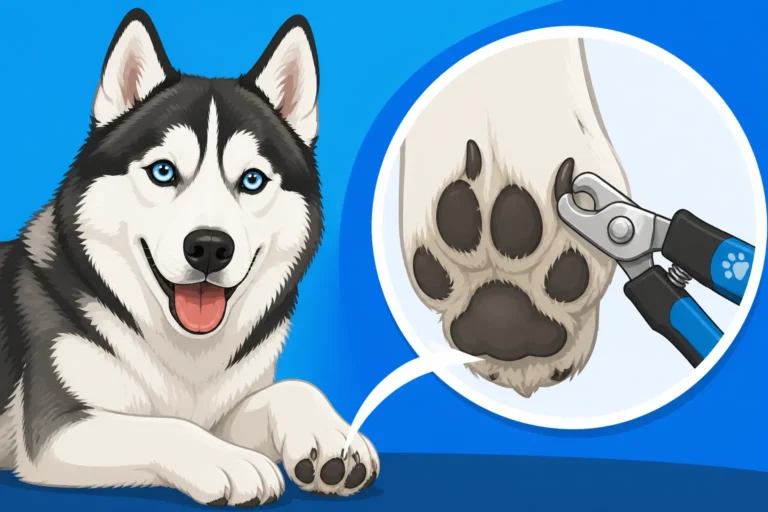
When it comes to clippers for a Siberian Husky, you'll generally find two main styles: guillotine-style and scissor-style. Both have their advocates, but for thick Husky nails, the scissor-style often proves to be more effective and comfortable for the dog.
- Scissor-style clippers resemble a sturdy pair of pliers with sharp, curved blades. They provide more leverage and control, allowing you to make a clean, precise cut through thick nails without crushing or splintering them. Brands like Millers Forge or Safari often make heavy-duty scissor-style clippers that are well-regarded by professionals. When shopping for these, look for a good spring mechanism that ensures a smooth return and comfortable handles for your grip. A sharp, durable blade is paramount, as dull clippers will only make the task more arduous and painful for your Husky. You can find a good selection of these on platforms like Chewy or Amazon, often with reviews from other large dog owners.
- Guillotine-style clippers have a small hole where you insert the nail, and a blade slides across to make the cut. While fine for smaller dogs, they can sometimes struggle with the sheer thickness of a Husky's nail, leading to a less clean cut or even crushing if not perfectly sharp and properly used. They also offer less visibility of the nail tip, which can be a disadvantage when trying to avoid the quick.
Regardless of the style you choose, ensure the clippers are sharp and designed for large, strong nails. Dull clippers will only squeeze and splinter the nail, causing discomfort and potentially leading to cracks that can become infected.
The Benefits of a Dremel or Nail Grinder
For many Siberian Husky owners, a nail grinder (often referred to generically as a Dremel, after a popular brand) becomes their best friend. While clippers cut the nail, a grinder sands it down gradually. This method offers several distinct advantages, especially for Huskies with thick nails or those who are sensitive to the "snip" sensation of clippers.
- Precision and Quick Avoidance: Grinders allow for much finer control. You can take off tiny layers at a time, making it easier to see the quick as it appears in cross-section (a small, dark dot in the center of the nail). This significantly reduces the risk of accidental quicking, which is a huge relief for both you and your dog.
- Smoother Finish: Grinders create a smooth, rounded edge, preventing the sharp corners that clippers can leave behind. This means less snagging on carpets, furniture, or your clothes, and it's generally more comfortable for your Husky.
- Less Pressure: The grinding action is often less alarming than the sudden pressure and sound of clippers for many dogs. Some Huskies simply tolerate the vibration and noise of a grinder better than the clipping sensation.
- Managing Black Nails: For Huskies with black nails, where the quick is invisible, a grinder is particularly invaluable. By grinding a little bit at a time, you can watch for the subtle change in the nail's appearance (a small, gray or black dot appearing in the center, which signifies you're nearing the quick) and stop just in time.
When choosing a grinder, look for one that is powerful enough for thick nails, relatively quiet, and offers multiple speed settings. Battery-operated models offer great portability, but ensure the battery life is sufficient for a full session. Many pet-specific grinders are available, but a standard rotary tool with a sanding band attachment can also work wonderfully.
Always Have Styptic Powder On Hand
Accidents happen, even to the most careful owners. Whether you're clipping or grinding, there's always a slight chance you might get a little too close to the quick. This is where styptic powder comes in. It's a miracle worker that every dog owner should have readily available before starting any nail trimming session.
Styptic powder contains agents that help constrict blood vessels and clot blood quickly. If you accidentally nick the quick and the nail starts to bleed, simply take a pinch of the powder and firmly press it onto the bleeding tip of the nail for a few seconds. The bleeding should stop almost immediately. Not having this on hand can turn a minor mishap into a stressful, messy ordeal for both you and your Husky. While it might sting momentarily, it's far preferable to prolonged bleeding. Make sure to have it within arm's reach every single time you trim your Husky's nails. You can find various brands at pet stores or online, and it's a relatively inexpensive item that provides immense peace of mind. For more detailed information on handling such situations, you might find Quicking a Siberian Husky Nail and What to Do helpful.
Other Helpful Accessories
Beyond the primary tools, a few other items can make your Siberian Husky's nail trimming experience smoother and more positive:
- High-Value Treats: Huskies are often highly food-motivated. Have a generous supply of their absolute favorite treats ready. These aren't just for after; use them during the process for positive reinforcement, even if it's just for touching a paw. Treat Spending Through Siberian Husky Training is a great philosophy to apply here.
- Non-Slip Mat: Place a non-slip mat or towel on the floor where you're working. This provides stability for your Husky, making them feel more secure and less likely to squirm.
- Good Lighting: Clear visibility is crucial. If you can, position yourself near a bright window or use a headlamp. This helps you clearly see the nail, especially if your Husky has dark nails, and better identify the quick.
- Calm Environment: Choose a quiet time and place where you won't be interrupted. Minimizing distractions helps keep your Husky focused and relaxed.
- Assistance: If your Husky is particularly squirmy or new to nail trims, having another person there to gently hold them, offer treats, and provide reassurance can make a huge difference.
A Step-by-Step Approach to Trimming
Alright, you've got your tools, your treats, and your game face on. Now it's time to actually get down to business. Remember, patience is your most valuable tool here. Huskies are intelligent and can be sensitive; rushing or forcing them will only make future sessions harder. Think of this as a collaboration, not a confrontation.
Creating a Calm Environment
Before you even touch a nail, take a moment to set the stage. A calm, positive environment is paramount, especially if your Siberian Husky is already a bit wary of nail trims.
Start by choosing a time when your Husky is naturally relaxed, perhaps after a good walk or a play session when they're a little tired. Avoid times when they're full of energy or easily distracted. Find a quiet spot in your home where you won't be disturbed. Turn off the TV, silence your phone, and make sure there are no other pets or family members running around. Lay down a non-slip mat or a thick towel to provide them with a stable surface to stand or lie on. This helps them feel more secure and prevents slipping, which can trigger anxiety. Speak to your Husky in a soothing, reassuring tone. Offer them a few high-value treats just for being present and calm in the designated area. The goal is to make this area and the initial steps as low-stress as possible, building a positive association from the very beginning.
Mastering the Clipper Technique
If you're using clippers, precision and confidence are key. Remember to take off small amounts at a time. It’s always better to take off too little than too much.
- Positioning: Gently hold your Husky's paw, extending one toe at a time. Support the paw firmly but not tightly. Make sure your Husky is comfortable, whether they're lying down, sitting, or standing.
- Identify the Quick: For light-colored nails, you'll see the pink quick. For dark nails, it's a bit of a guess. Look for the crescent-shaped tip that curls downward. The quick ends before the very tip of the nail. You'll typically be aiming for the point where the nail starts to curve, removing just that curled portion.
- Angle of Cut: Cut the nail straight across, or with a slight angle upwards, matching the natural angle of the nail as it touches the ground. Avoid cutting straight down into the pad.
- Small Cuts: Take off only tiny slivers of the nail at a time. After each snip, look at the cut surface. You're looking for a dry, white, or grayish center. As you get closer to the quick, you'll see a small, dark, moist-looking dot appear in the center—that's your cue to stop! That dark dot indicates the very tip of the quick.
- Praise and Reward: After each nail (or even just one snip if your Husky is nervous), give immediate praise and a high-value treat. This positive reinforcement is crucial for building good associations.
- Don't Forget the Dewclaws: Many Huskies have dewclaws (the thumb-like nail higher up on the leg). These don't touch the ground and therefore don't wear down naturally, making them especially prone to growing too long, curling around, and digging into the leg. Always check and trim these as well.
Grinding Your Husky's Nails Safely
Using a Dremel or nail grinder requires a slightly different approach but offers fantastic results, especially for thick Husky nails.
- Introduce the Grinder Slowly: Before you even touch a nail, let your Husky get used to the sound and vibration of the grinder. Turn it on near them, offer treats, and praise their calmness. Let them sniff it. You might need several short sessions just for this desensitization.
- Positioning and Grip: Just like with clippers, gently hold your Husky's paw. Make sure to hold the toe you're working on firmly but comfortably, ensuring no fur gets caught in the rotating head of the grinder. This can be painful and startling.
- Grinding Technique: Turn the grinder on a low to medium speed. Touch the grinder to the tip of the nail for only 1-2 seconds at a time. The friction generates heat, and prolonged contact can burn the quick. Lift the grinder, check your progress, and repeat.
- Shape the Nail: Grind the bottom of the nail first, then the sides, creating a nice, rounded edge. The goal is to shorten the nail while maintaining its natural curve. As you get closer to the quick, you'll see the same small, dark, moist dot appear in the center of the nail—stop immediately.
- Praise and Reward: Just like with clippers, consistent praise and treats are vital. Make it a positive experience, even if it's only one nail at a time initially.
- Dewclaws: Don't forget to carefully grind the dewclaws as well.
Desensitization and Positive Reinforcement
This isn't just about the tools; it's about building trust and positive associations. For many Huskies, the process of nail trimming can be intimidating due to past negative experiences, or simply because it feels unnatural. Desensitization is key.
Start small. Don't expect to trim all nails in one go, especially if your Husky is resistant. Begin by simply handling their paws regularly, praising and rewarding them for allowing it. Move on to touching the clippers or grinder to their paws (while off), then turn on the grinder nearby without touching them, again rewarding calmness. Gradually increase the intensity and duration of these sessions. The idea is to break the process down into tiny, non-threatening steps.
Every positive interaction, no matter how small, should be followed by immediate praise and a high-value treat. If your Husky pulls away, stop, but don't scold them. Wait a moment, then try again gently, perhaps backing up a step in your desensitization process. The goal is to make nail trims a predictable, rewarding, and calm experience. Consider making it a routine activity, like a post-walk cuddle, rather than a standalone chore. This constant positive reinforcement helps them understand that cooperating leads to good things, rather than fearing the tools or the process.
| Tool Type | Pros | Cons | Ideal For |
|---|---|---|---|
| Scissor Clipper | Powerful, clean cut for thick nails; good leverage; precise. | Can accidentally quick; less ideal for very dark nails; may crush if dull. | Owners confident in identifying the quick; quick trims when nails are long. |
| Guillotine Clipper | Simple to use for some; quick action. | Can struggle with Husky thickness; less visibility; may splinter. | Smaller dogs or less thick nails; generally not recommended for Huskies. |
| Nail Grinder (Dremel) | Precision; smooth finish; reduces quicking risk; less "forceful." | Can generate heat if held too long; takes more time; noise/vibration can scare some dogs. | Dark nails; fearful dogs; achieving shorter nails gradually; smooth finish. |
Troubleshooting and Long-Term Maintenance
Even with the best tools and techniques, you might run into challenges. Huskies are independent thinkers, and some will make it clear they're not thrilled about having their paws handled. The good news is that with consistency, patience, and sometimes a little professional help, these challenges are often surmountable.
When Your Husky Resists
It's a common scenario: you bring out the clippers, and your Siberian Husky suddenly becomes a statue, pulls their paw away, or even tries to mouth your hand. Resistance is often rooted in fear, past negative experiences, or simply a lack of trust. Force will only escalate the problem.
If your Husky is resistant, go back to basics with desensitization. Don't try to trim their nails right away. Instead, spend short, frequent sessions simply touching their paws, massaging their toes, and gently tapping their nails with your fingers. Always follow this with lavish praise and high-value treats. Gradually introduce the clippers or grinder by having them in the same room, then touching them to your Husky's paws (without actually trimming), then turning on the grinder for brief moments. Each step should be associated with positive reinforcement. If your Husky tolerates their paws being handled for a few seconds, that's a success! Reward it. If they are extremely stressed, consider breaking sessions into even smaller increments – perhaps one nail a day, or even just touching one nail with the tool. For some highly anxious dogs, professional groomers or veterinarians might be able to offer specific handling techniques or, in extreme cases, suggest mild sedation to get the nails back to a manageable length without causing trauma. Remember, building positive associations can take weeks or even months, but it's an investment in a calmer future for both of you.
What to Do If You "Quick" Your Husky
Despite all precautions, sometimes you might accidentally nick the quick. Don't panic! It's distressing for both of you, but it's usually not a serious emergency.
- Stay Calm: Your Husky will pick up on your anxiety. Take a deep breath.
- Apply Styptic Powder: Immediately grab your styptic powder. Take a generous pinch and firmly press it onto the bleeding tip of the nail. Hold it there for at least 10-15 seconds. The bleeding should stop within moments. If it doesn't, reapply more powder with firm pressure.
- Comfort Your Husky: Once the bleeding is controlled, gently reassure your Husky. Offer a special treat and plenty of calm praise. Don't make a big fuss about the injury itself; just help them feel safe and comfortable.
- Avoid Future Trauma: If the quicking was particularly traumatic, you might want to stop the session and try again another day. Consider using a grinder next time, as it offers more control and less risk of quicking. If your Husky has developed a strong aversion, focus heavily on desensitization and positive reinforcement before attempting another trim. Quicking a Siberian Husky Nail and What to Do is a great resource if you need more in-depth advice on this specific situation.
Establishing a Regular Routine
Consistency is perhaps the single most important factor in maintaining healthy Siberian Husky nails. If you wait too long between trims, the quick will grow out with the nail, making it harder to get them short without quicking, and you'll be back to square one.
Aim for nail trims every 2-4 weeks. For Huskies whose nails grow particularly fast or those whose quicks you are trying to encourage to recede, weekly or bi-weekly short trims with a grinder can be incredibly effective. By taking off small amounts frequently, you prevent the quick from extending, allowing the nail to gradually shorten over time. Incorporate nail checks and handling into your regular grooming routine. This makes it less of a surprise and more of an expected, normal part of their week. Regularity also ensures that your Husky stays accustomed to the tools and the process, reinforcing all the positive training you've put in. The more consistently you trim, the easier and quicker each session will become.
Diet, Exercise, and Natural Wear
While regular trimming is essential, diet and exercise also play a role in your Siberian Husky's overall nail health.
A balanced diet provides the necessary nutrients for strong, healthy nails and paw pads. While diet alone won't prevent overgrown nails, good nutrition supports the integrity of the nail itself, making it less prone to splitting or becoming brittle. Consider high-quality dog foods, and some owners explore fresh food options from services like Ollie if they're looking for different nutritional profiles. However, always consult with your veterinarian before making significant dietary changes.
Exercise is another critical factor. Siberian Huskies thrive on activity, and certain types of exercise can help with natural nail wear. Regular walks, runs, or hikes on hard, abrasive surfaces like pavement, concrete, or gravel can help naturally grind down the tips of their nails. However, be mindful of hot pavement in summer. While helpful, natural wear rarely eliminates the need for manual trimming altogether, especially for the thicker, stronger Husky nails. The pads of their paws are designed to protect them during these activities, but it's the consistent contact and friction that helps keep those nail tips in check. Combine active outdoor time with your regular trimming routine for optimal paw health.
When to Seek Professional Help
There are times when even the most dedicated owner should consider calling in the professionals.
- Extreme Overgrowth: If your Husky's nails are severely overgrown, curling into their paw pads, or causing obvious pain, a trip to the vet is in order. They can safely trim them, possibly under sedation if necessary, to prevent further discomfort and address any infections.
- Fear and Aggression: If your Husky is becoming genuinely aggressive, fearful, or highly resistant to the point of danger, don't push it. A professional groomer or veterinary technician has experience with difficult dogs and specialized handling techniques. They can often get the job done more safely and efficiently, and sometimes a fresh start with a professional can help reset your Husky's association with nail trims.
- Nail Injuries: If a nail is torn, broken, or appears infected, seek veterinary attention immediately. These injuries can be very painful and require proper medical care to prevent complications. Regular vet visits are also important for overall Siberian Husky Lifespan and What Shortens It and general health, allowing your vet to keep an eye on paw and nail health.
Don't feel like a failure if you need professional help. The goal is your Husky's health and happiness, and sometimes the best way to achieve that is to let an expert handle a tricky situation. Many groomers offer nail trimming as a standalone service, and it can be a relatively inexpensive way to maintain your Husky's paws, especially if you find the task too daunting yourself.
Disclaimer
This article is for general informational purposes only and does not constitute professional advice. Laws, prices and regulations vary by location and change over time. Consult a qualified professional for guidance on your specific situation.