Whether a Siberian Husky Needs Its Teeth Brushed
Oh, the age-old question that many a Siberian Husky owner has muttered under their breath while wrestling a furry, opinionated mouth! We all want what's best for our adventurous, vocal companions, but when it comes to dental hygiene, the sheer thought of trying to brush a Husky's teeth can feel like a fool's errand. It’s a common frustration, truly. This guide is here to shed some light on whether regular teeth brushing is actually necessary for your Siberian Husky and what practical steps you can take to keep those pearly whites healthy, even if your Husky gives you the side-eye the entire time.
Why Dental Health is a Big Deal for Siberian Huskies (and All Dogs!)
You might think bad breath is just part of having a dog, especially one with a penchant for investigating every interesting smell on a walk. But that "doggy breath" is often the first, most obvious sign that something deeper is going on in your Husky's mouth. Ignoring it isn't just unpleasant for you; it can have serious repercussions for your beloved canine's overall health and comfort. We put so much effort into their diet, their exercise, their joint health, but sometimes their dental care gets pushed to the back burner because, let's be honest, it's not always easy.
The Silent Threat of Periodontal Disease
Periodontal disease isn't just a fancy vet term; it's a progressive and painful condition that affects the tissues supporting your dog's teeth. It starts subtly, with plaque building up on the tooth surface. This plaque is a sticky film of bacteria, food particles, and saliva. If not removed, it hardens into tartar (calculus), which is that yellowish-brown buildup you often see near the gum line. And once it's tartar, brushing alone often isn't enough to get rid of it.
From there, things can escalate. The tartar irritates the gums, leading to inflammation called gingivitis. This is the stage where you might notice red, swollen gums or slight bleeding when your Husky chews on something hard. If left unchecked, gingivitis progresses to full-blown periodontal disease, where the inflammation spreads beneath the gum line, affecting the bone and other structures that hold the teeth in place. This can lead to loose teeth, painful abscesses, and eventually, tooth loss. Imagine living with that kind of chronic pain – it’s no wonder our Huskies can become a bit grumpy or refuse certain chews when their mouths are hurting.
Beyond Bad Breath: Systemic Health Impacts
It’s crucial to understand that dental health isn't just about teeth and gums; it's interconnected with your Husky’s entire body. The bacteria thriving in an infected mouth don't just stay put. They can enter the bloodstream through the inflamed gum tissue and travel to vital organs, potentially causing more serious health issues. This might sound dramatic, but it's a real concern that veterinarians consistently warn us about.
For instance, those bacteria can contribute to heart disease, kidney problems, and liver dysfunction. We dedicate so much attention to preventative care, like vaccinations and Parasite Prevention for an Outdoor Siberian Husky, yet dental care often gets overlooked until there's a problem. A healthy mouth contributes to a healthy body, plain and simple. Ensuring good dental hygiene is a proactive step in helping your Husky live a long, vibrant life, reducing the risk of these systemic complications later on.
The Truth About Brushing Your Siberian Husky's Teeth
So, you've heard the advice: brush your dog's teeth daily. But then you look at your Siberian Husky, with their strong will and even stronger jaws, and you think, "Daily? Are you serious?" The truth is, while daily brushing is the gold standard, the reality of achieving that with a breed as independent and sometimes resistant as a Husky is often a different story for many owners. It's about doing what you can consistently.
Is Daily Brushing Truly Necessary?
In an ideal world, yes, daily brushing with a dog-specific toothpaste is considered the most effective way to remove plaque before it hardens into tartar. Think of it like our own teeth – if we skipped brushing for days on end, imagine the buildup! Dogs are no different. However, we also have to live in the real world with real dogs. A Siberian Husky is not always keen on having their mouth handled, let alone having a brush rubbed on their teeth.
For many Husky owners, achieving daily brushing might be an unrealistic goal. Don's beat yourself up over it if you can't manage it every single day. The goal is consistency, whatever that looks like for your specific dog. If you can manage three or four times a week, that’s fantastic! Even a few times a week is significantly better than never. The key is to make it a positive experience, or at least a neutral one, rather than a battle that makes your dog dread your approach. Starting young, when they are Siberian Husky Puppy Eyes Change Color, can make a huge difference in their acceptance of oral care.
How to (Attempt to) Brush a Husky's Teeth
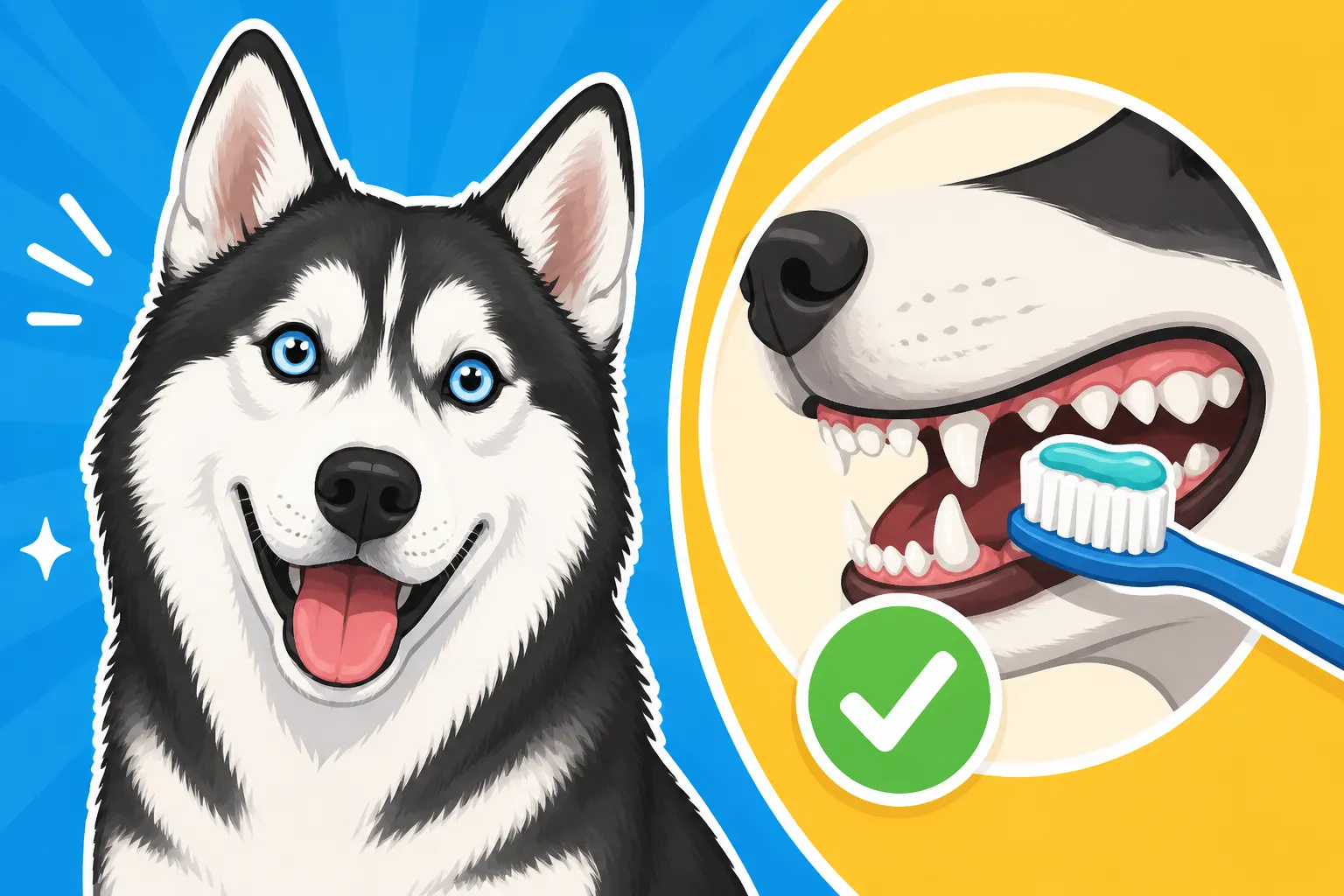
Alright, so you've committed to giving it a shot. How do you even begin to approach a Siberian Husky with a toothbrush? It requires patience, positive reinforcement, and realistic expectations. First, gather your supplies: a dog-specific toothbrush (finger brushes work well for some, or a brush with a long handle for easier reach) and enzymatic dog toothpaste (never human toothpaste, which contains xylitol and fluoride that are toxic to dogs). You can find a good selection of these on sites like Chewy or Amazon.
Here's a step-by-step approach:
- Start Slow, Build Trust: Don't just dive in. Begin by getting your Husky comfortable with you touching their muzzle and lifting their lips. Do this for a few days without a brush. Reward heavily with praise and a favorite treat.
- Introduce the Paste: Once they're okay with mouth handling, let them taste the dog toothpaste off your finger. Most dogs love the taste, which can be a huge motivator.
- Finger Brush First: Dip your finger in the paste and gently rub it on a few teeth, focusing on the outside surfaces, especially the canines and molars where plaque tends to accumulate most. Again, reward immediately.
- Bring in the Brush: Once they accept your finger, introduce the toothbrush with a tiny bit of paste. Start with just a few quick swipes on a couple of teeth. The goal isn't a deep clean initially, but rather acceptance. Gradually increase the number of teeth and the duration over several sessions or even weeks.
- Focus on the Outside: You primarily need to brush the outside surfaces of the teeth, those that face the cheek. The dog’s tongue does a pretty good job of cleaning the inside surfaces.
- Keep it Short and Sweet: Aim for short, positive sessions. If your Husky starts to resist strongly, end the session on a good note, even if you only brushed one tooth. You want them to associate it with a positive outcome, not a struggle.
Remember, every Husky is an individual. What works for one might not work for another. Be persistent but gentle, and always prioritize maintaining your bond and trust over achieving a perfect brush every time. This effort goes a long way towards preventing issues like Siberian Husky Dental Disease by Age Five.
Alternatives and Supplements to Support Husky Dental Health
Okay, so maybe daily brushing isn't happening, or you're looking for ways to supplement your brushing efforts. Don't worry, there are plenty of other tools in the dental health toolbox that can help keep your Siberian Husky's mouth in better shape. It's all about finding a multi-faceted approach that works for you and your furry friend.
Dental Chews and Toys
Dental chews can be a fantastic way to help scrape plaque off teeth, stimulate gums, and satisfy your Husky's natural urge to chew. Look for chews that are specifically designed for dental health, often labeled with the Veterinary Oral Health Council (VOHC) seal of acceptance. This seal indicates that the product has met standards for reducing plaque and/or tartar. Remember, these are not a substitute for brushing, but they are a great aid. Some popular options come from brands available on platforms like Chewy or Amazon.
It’s important to choose the right size and hardness for your Husky. Too hard, and you risk a fractured tooth, which is incredibly painful and expensive to fix. Too soft, and they won't provide enough abrasive action. Always supervise your Husky when they're enjoying a dental chew to ensure they're chewing safely and not attempting to swallow large pieces. Toys with textured surfaces can also help, but generally have less impact than dedicated dental chews. Even just a good, sturdy chew toy that encourages vigorous chewing can contribute to mechanical cleaning.
Water Additives and Oral Rinses
For those Huskies who simply won't tolerate a toothbrush (and trust me, many are in this camp!), water additives and oral rinses offer a less intrusive option. These products typically contain ingredients that help reduce bacteria in the mouth, freshen breath, and can even help prevent plaque from adhering to the tooth surface. They are usually added to your dog's drinking water or applied directly to the gums.
While they won't remove existing tartar, they can certainly help slow down the accumulation of new plaque and keep the bacterial load lower, contributing to better overall oral hygiene. Brands like Oxyfresh or those found on Chewy and Amazon often offer these kinds of products. Always read the instructions carefully and ensure the product is safe for canine consumption. This can be a great way to provide some continuous dental support with minimal fuss for a Husky who prefers to keep their mouth a no-go zone.
Professional Dental Cleanings: When They're Essential
Despite your best efforts with brushing, chews, and additives, professional dental cleanings will likely become essential at some point in your Siberian Husky’s life. Think of it like our own annual dental check-ups, but for dogs, it involves anesthesia because they can't simply open wide and say "ahhh." During a professional cleaning, your veterinarian or a veterinary dental specialist will:
- Perform a thorough oral exam: Often including dental X-rays to check for problems below the gum line.
- Scale the teeth: Using specialized tools to remove plaque and tartar from above and below the gum line.
- Polish the teeth: To smooth the tooth surface, making it harder for new plaque to adhere.
- Extract problematic teeth: If there are any severely diseased or broken teeth that are causing pain or infection.
Many Huskies will need their first professional cleaning by age three or four, though some might need it sooner or later depending on genetics, diet, and at-home care. The cost might seem significant, but consider it an investment in your Husky's long-term health and comfort. It's a proactive measure that can prevent more severe, and more costly, issues down the line. If your vet suggests it, take it seriously; they're seeing something you can't, often related to tartar under the gum line.
Recognizing Signs of Dental Trouble in Your Siberian Husky
Our Huskies are masters of stoicism. They're bred for endurance and often hide pain very well. This means that by the time you notice obvious signs of dental discomfort, the problem might be quite advanced. That's why being vigilant and knowing what to look for is so important. We can't expect them to tell us, so we have to be their advocates.
What to Look For at Home
Regularly checking your Husky's mouth can help you catch issues early. Try to incorporate a quick visual inspection into your routine, perhaps when they're relaxed and getting belly rubs. Here are some key things to keep an eye out for:
- Persistent Bad Breath (Halitosis): While some "doggy breath" is normal, a sudden increase in foul odor, especially a sickly sweet or rotten smell, is a major red flag. This often indicates a buildup of bacteria and infection.
- Red, Swollen, or Bleeding Gums: Healthy gums should be a pale pink (unless your Husky has naturally pigmented gums). Redness, swelling, or any bleeding when they chew or when you gently touch their gums are signs of inflammation (gingivitis).
- Yellow or Brown Tartar Buildup: This hard, crusty substance is easy to spot, especially on the canines and larger molars. It traps bacteria and pushes against the gum line.
- Broken or Loose Teeth: Your Husky loves to chew, so occasionally a broken tooth can occur. Look for missing chunks or teeth that seem wiggly. This requires immediate veterinary attention.
- Drooling or Pawing at the Mouth: Excessive drooling, especially if it's bloody or unusually thick, or if your Husky is constantly pawing at their mouth, can indicate pain or discomfort.
- Reluctance to Eat or Chew: If your usually food-motivated Husky suddenly becomes picky, chews on one side of their mouth, drops food, or avoids hard kibble or chews, it’s a strong sign of oral pain. This can sometimes also present as A Siberian Husky That Leaves Food in the Bowl.
- Changes in Behavior: Pain, even subtle dental pain, can make a normally playful Husky withdrawn, irritable, or less active. They might avoid having their head touched or be generally "off."
Keeping an eye on these signs is part of being a responsible Husky owner. It's a bit like watching for changes in their coat, or how their Siberian Husky Weight and Joint Health are holding up. It's all part of the holistic picture.
When to Call the Vet
If you notice any of the signs mentioned above, it's time to schedule a veterinary appointment. Don't wait until the problem becomes severe. Early intervention can prevent significant pain and more complex (and expensive) treatments later on. Your vet can perform a thorough oral examination, often while your Husky is awake if they're cooperative, to assess the situation.
They might recommend specific dental chews, a change in diet, or more likely, a professional dental cleaning under anesthesia. If your Husky has been diagnosed with a condition like Siberian Husky Eye Disease and the Annual Exam, you already know the importance of regular veterinary care. Dental care is no different. Sometimes, a general vet might even refer you to a veterinary dental specialist if the case is particularly complex, involves extractions, or requires advanced procedures like root canals. Taking action quickly when you suspect dental trouble is one of the kindest things you can do for your loyal, adventurous Siberian Husky.
| Dental Care Strategy | Effectiveness for Plaque/Tartar | Ease of Implementation | Husky Acceptance | Notes |
|---|---|---|---|---|
| Daily Brushing | High (Plaque) | Medium to Low | Varies, often low | Gold standard, but requires immense patience and positive reinforcement. |
| Dental Chews/Treats | Medium (Plaque/Tartar) | High | High | Look for VOHC seal. Supervise to prevent choking/fractured teeth. |
| Water Additives/Rinses | Low to Medium (Plaque/Bacteria) | High | High | Helps control bacteria and freshen breath, won't remove existing tartar. |
| Specialty Dental Diets | Medium (Plaque/Tartar) | High | High | Kibble designed to mechanically scrub teeth. Can be expensive. |
| Professional Cleaning | High (Plaque/Tartar) | Low (Requires Vet/Anesthesia) | N/A (Sedated) | Most effective for existing tartar and below-gumline issues. Essential. |
Disclaimer
This article is for general informational purposes only and does not constitute professional advice. Laws, prices and regulations vary by location and change over time. Consult a qualified professional for guidance on your specific situation.