Whether a Siberian Husky Would Warn You of an Intruder
Many of us, when bringing a dog into our homes, secretly harbor a hope that they’ll be our furry alarm system, ready to bark a warning at the first sign of trouble. It's a natural human instinct to want that added layer of security. However, if you're picturing a Siberian Husky as your steadfast, intimidating sentinel, ready to raise the alarm against intruders, you might be in for a surprise. This guide will delve into the unique temperament of Siberian Huskies, explaining why their alert system works a little differently than what you might expect from a traditional guard dog, and what their characteristic vocalizations truly signify.
Understanding the Siberian Husky Temperament: Not Your Typical Guard Dog
When people think of a dog that will warn them of an intruder, they often picture breeds like German Shepherds, Rottweilers, or Dobermans—dogs known for their protective instincts, territoriality, and sometimes, their suspicion of strangers. Siberian Huskies, on the other hand, march to the beat of a very different drum. Their genetic heritage as sled dogs bred by the Chukchi people in Siberia equipped them for endurance, teamwork, and an incredible tolerance for new faces, not for guarding.
A History of Friendliness, Not Ferocity
The original purpose of the Siberian Husky was to pull sleds over vast distances, often working in large teams and living in close quarters with their human families. The Chukchi people didn't need a dog to guard their camps from other humans; they needed dogs that were reliable, tractable, and friendly enough to be around children and other dogs without conflict. Aggression towards humans was a trait actively bred out of these lines because it was detrimental to their survival and usefulness. Imagine trying to manage a team of aggressive dogs on a long journey—it simply wouldn't work.
This historical context means that the modern Siberian Husky has an ingrained disposition that leans heavily towards being amiable and welcoming. They often view strangers as potential friends or sources of attention, rather than threats to be deterred. This isn't to say they can't be reserved or ignore a stranger, but outright aggression or a fierce protective stance is far from their natural inclination. It’s a trait that makes them wonderfully social companions but less-than-ideal candidates for a household seeking a formidable guard dog.
The Independent Spirit and Lack of Territoriality
Siberian Huskies are known for their independent nature. They were bred to make decisions on the trail, sometimes miles ahead of their mushers, and this self-reliance translates into a personality that isn't always looking to its human for cues on how to react to every stimulus. This independence means they might not feel the urgent need to "protect" their territory or their family in the way a more human-dependent, territorial breed might. Their loyalty is deep, but it often manifests as companionship and affection, rather than a possessive guarding instinct.
Unlike many breeds selected for protection, Siberian Huskies generally lack strong territorial instincts. They might not perceive a person entering your property as an invasion of "their" space in the same way a mastiff or a terrier might. For a Husky, a new person on the property could just be someone who's wandered into their personal exploration zone. They're more likely to investigate with curiosity or indifference than with alarm. This lack of inherent territoriality is a huge factor in Why a Siberian Husky Will Not Protect the House.
Husky Vocalizations: Howling, Talking, and the Rare Bark
When you hear a Siberian Husky "talking," it's truly a unique experience. They are one of the most vocal breeds, but their communication style is often misunderstood, especially when it comes to the idea of them warning of an intruder. Most Husky owners will tell you that their dogs are masters of expressive vocalizations, ranging from mournful howls to complex "woo-woos" and chortles, but sustained, alarm barking? That's typically not in their primary repertoire.
The Symphony of Howls and Woo-Woos
Siberian Huskies are renowned for their howling. It's an ancient form of communication, a direct link to their wolf ancestors, and they use it for a multitude of reasons. They might howl to express excitement, loneliness, boredom, or even to respond to sirens or other high-pitched sounds. A single Husky might let out a long, drawn-out howl that feels like it's straight from the wilderness, or a pair might engage in a beautiful, eerie duet. This howling is their way of communicating with you and the world.
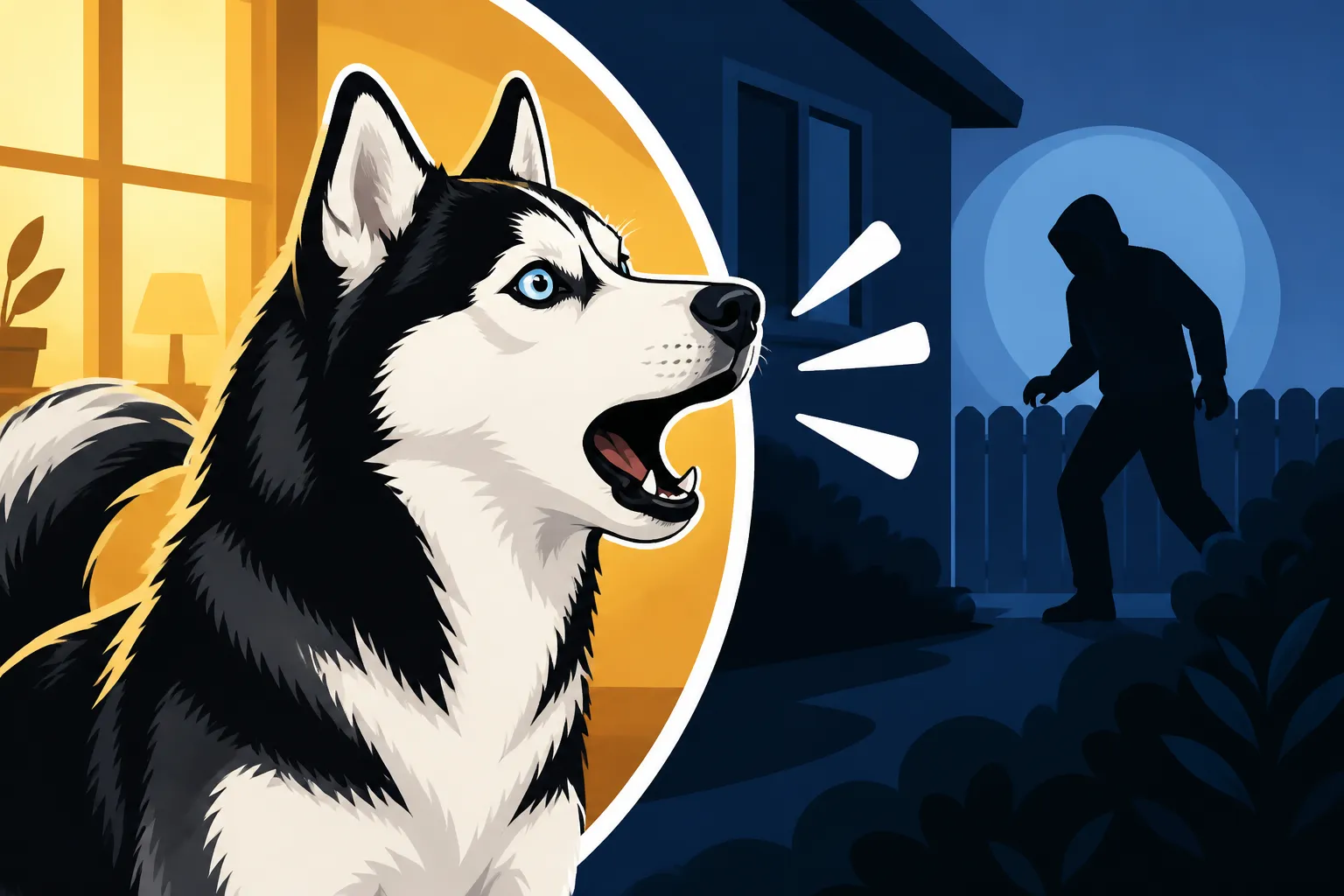
However, a howl is generally not a warning bark. If an intruder were to approach, a Husky might howl out of curiosity, or even in an attempt to engage the person, rather than as an aggressive warning. It's more of an "I'm here!" statement than a "Stay away!" threat. They tend to be more communicative through their diverse range of sounds than with the sharp, incessant barking you'd hear from many other breeds in an alarm situation. You can learn more about this by reading Why Your Siberian Husky Howls and Talks.
The Infrequent and Non-Threatening Bark
While a Siberian Husky can bark, it's typically not their default method of alerting or expressing displeasure. When they do bark, it's often more of a singular, attention-seeking bark, or a brief burst of excitement, rather than the sustained, intense barking that signifies a perceived threat. Many Husky owners find their dogs bark very little, if at all. Compared to breeds known for being excellent watchdogs, a Husky's barking tendencies are minimal.
Think of it this way: a traditional watchdog barks to say, "There's a threat here, stay away!" A Husky, if it barks at all in a new situation, might be barking to say, "Oh, something new! Come look!" or "Hey, you! Pay attention to me!" Their bark rarely carries the same aggressive or territorial undertones. So, if you're relying on your Husky's bark to scare off an intruder, you might be waiting a long time, or you might get a greeting instead.
Stranger Danger? More Like Stranger Enthusiasm
This is where the rubber meets the road for the question of a Husky warning you of an intruder. Their inherent friendliness towards people, including those they've never met, means they are far more likely to greet a stranger with a wagging tail than with suspicion.
The Welcome Wagon, Not the Guard Dog
Many Siberian Huskies are absolute social butterflies. They love people, and often, the more people, the better! If a stranger enters your home or approaches your property, a Husky's first reaction is often one of interest and potential engagement. They might approach the person, sniffing them, or even trying to solicit pets or attention. This is not the reaction you want from a dog meant to deter an unwelcome visitor. Whether Siberian Huskies Are Friendly With Strangers explores this trait in depth.
They simply don't have the "stranger danger" hardwired into them that many protective breeds possess. This trait, while endearing in many social settings, means they're unlikely to act as a deterrent. An intruder would likely find themselves greeted by a curious, friendly dog rather than a menacing one. It's a charming quality for a family pet but a liability for home security.
What Will a Husky Alert To?
While they may not alert to a human intruder in the traditional sense, Huskies will alert to things that pique their interest or concern them. This often includes:
- Other Animals: A squirrel in the yard, a neighborhood cat, or another dog passing by can often trigger a more intense vocalization, sometimes even a series of barks, from a Husky. Their strong prey drive means small, fast-moving creatures capture their attention far more effectively than a human walking quietly.
- Novelty or Unusual Sounds: A new sound outside, a strange truck, or an unfamiliar noise in the house might elicit a curious howl or a head tilt. It's more about "What's that?" than "Danger!"
- Your Departure: Many Huskies exhibit vocal protests when their owners leave, a clear sign of their strong bonding, but again, this isn't about guarding the property from an outside threat. It's about expressing their displeasure at being left alone. For some, this can escalate into destructive behaviors, which is a different kind of "warning" for owners! If your Husky gets destructive when left alone, it's crucial to explore Siberian Husky Destruction When Left Alone for management tips.
- Excitement: The arrival of a beloved family member, the jingle of car keys signaling a walk, or the sight of their favorite toy can all unleash a torrent of happy howls and excited vocalizations.
Essentially, a Siberian Husky's "alert system" is tuned to their own interests and emotions, which often don't align with human security concerns. They might alert you to the postal worker delivering a package, not because they perceive a threat, but because they're excited for a potential interaction or just found something interesting to observe.
The Practical Implications for Home Security
Given their unique traits, what does this mean for a Siberian Husky owner who is looking for some level of home security?
Don't Count on Them to Deter
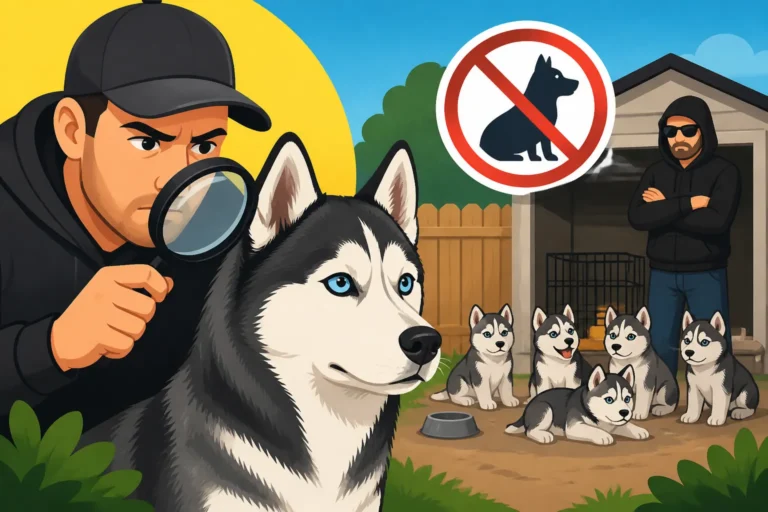
It's simply not realistic to expect a Siberian Husky to be a deterrent to crime. Their friendly demeanor means they're unlikely to scare anyone off, and their lack of territorial aggression means they're unlikely to defend property. In fact, a Husky might inadvertently help an intruder by distracting them with friendliness or even leading them to valuable items through curiosity.
For actual home security, you're much better off investing in traditional security measures like alarm systems, motion-sensor lights, and secure locks. Your Husky's presence offers companionship and joy, not a barrier against crime.
The "Look" Can Be Deceiving
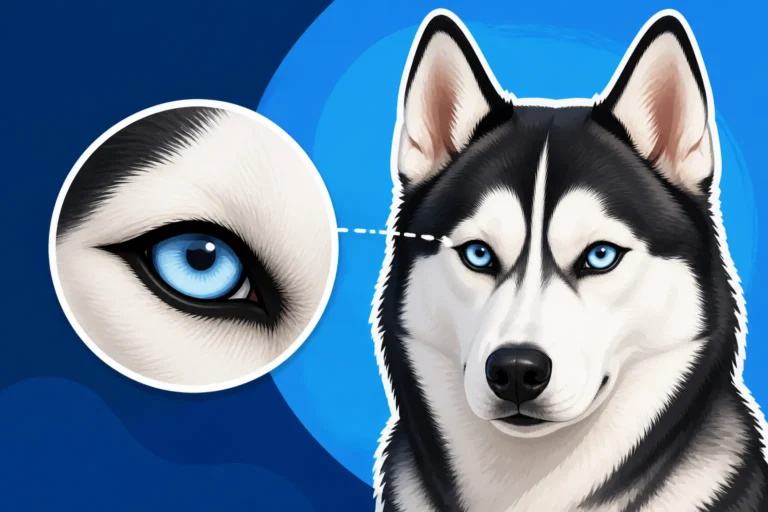
Many people are drawn to Siberian Huskies because of their striking, wolf-like appearance. With their piercing eyes, erect ears, and dense coats, they certainly look formidable. This aesthetic can sometimes give people a false sense of security, assuming that their majestic appearance translates to a protective instinct. However, as we've discussed, looks can be incredibly deceiving when it comes to temperament.
While an uninformed intruder might initially hesitate upon seeing a dog that resembles a wolf, that hesitation would likely vanish quickly once they encounter the Husky's typical welcoming nature. The visual intimidation factor wears off fast when met with a happy tail wag and an invitation for pets.
Training for Specific Behaviors (and Their Limits)
Can you train a Siberian Husky to bark at strangers or specific cues? To some extent, you can train any dog to perform certain behaviors on command. You could teach your Husky to bark at the doorbell, for instance, or when a specific person approaches the fence. However, this is training a trick, not harnessing an innate protective instinct. The dog isn't acting out of a desire to guard; it's performing a learned behavior for a reward.
Even with such training, it's highly unlikely to instill the deep-seated territoriality and suspicion required for true guarding behavior. Furthermore, if you do manage to train a bark-on-command for an "intruder," there's always the risk that your friendly Husky will still approach the person with happy intentions afterward. It’s a delicate balance, and often, not worth the effort for an inherently unsuited purpose. Instead, focus on training behaviors that truly benefit your Husky's well-being and your shared life, like a strong recall or good leash manners.
Here's a quick comparison of the traits common in traditional guard dog breeds versus Siberian Huskies:
| Trait | Traditional Guard Dog Breeds (e.g., German Shepherd, Rottweiler) | Siberian Husky |
|---|---|---|
| Alert Barking | Frequent, loud, deep, sustained, often aggressive | Infrequent, higher-pitched, more often curiosity or attention-seeking |
| Territoriality | High; strong instinct to protect property and family | Low; generally less concerned with property lines |
| Suspicion of Strangers | High; reserved or wary of unfamiliar people | Low; often friendly, curious, or indifferent towards strangers |
| Protective Instinct | High; strong desire to defend family members and resources | Low; more likely to seek interaction than defend |
| Vocalizations | Primarily barking, some growling | Primarily howling, "talking," infrequent barking |
| Independence | Moderate; eager to please, but can work alone | High; intelligent, but often works on their own agenda |
| Social Needs | Can be selective, bond strongly with family | Highly social, often enjoys meeting new people and dogs |
When considering a Siberian Husky for your home, it's best to appreciate them for their incredible athleticism, their unique vocalizations, their friendly nature, and their striking beauty. If you're looking for a dog to provide actual security, you'll need to look at breeds whose fundamental nature aligns with that purpose. Your Husky will give you endless love, adventure, and perhaps a lot of hair on your furniture, but probably not a robust warning system against an intruder.
If you're ever looking for ways to keep your Husky entertained and stimulated, which can actually prevent destructive behaviors that might be mistaken for an "alert," consider checking out durable toys and enrichment items from retailers like Chewy. Keeping their minds and bodies busy can channel their energy positively. Remember, a happy Husky is one that's well-exercised and mentally engaged, not necessarily one standing guard at the door.
Embracing your Siberian Husky for who they are means understanding that their greatest strengths lie in their companionship, their drive for adventure, and their charming, sometimes mischievous, personalities. They truly are a unique and wonderful breed, even if they aren't going to be your personal security detail. Knowing what to expect means you can set your home up for success, both for your family’s security needs and for your Husky's well-being.
Disclaimer
This article is for general informational purposes only and does not constitute professional advice. Laws, prices and regulations vary by location and change over time. Consult a qualified professional for guidance on your specific situation.