Whether Merle Siberian Huskies Are Legitimate
It's completely understandable to be captivated by the striking patterns of a merle-coated dog, and when you see a "merle Siberian Husky," it's natural to wonder if this unique look is a legitimate part of the breed or something else entirely. Many people are drawn to the distinct swirls and splotches, but this article will dive into the genetic realities and breed standards to clarify whether a merle coat is truly a characteristic of the Siberian Husky.
The Allure and Reality of Merle Patterns
Let's be honest, a merle coat is undeniably eye-catching. Those stunning, mottled patches of color, often combined with bright blue or heterochromatic eyes, can make a dog look truly exotic and unique. It’s no wonder that when people stumble upon images or puppies advertised as "merle Siberian Huskies," their interest is piqued. The Siberian Husky already has such a wild, wolf-like appearance, and adding a merle pattern seems to amplify that striking aesthetic. This visual appeal often leads to a lot of excitement and questions from prospective owners who are simply looking for a beautiful, distinct companion.
However, the reality of the merle pattern in a Siberian Husky goes beyond just looks. While the visual impact is profound, it's crucial to understand the genetic truth behind this coat color. In many breeds where merle occurs naturally, like the Australian Shepherd or the Catahoula Leopard Dog, it's a recognized and healthy part of their genetic makeup. For the Siberian Husky, it's a different story altogether. The gene responsible for merle is not a part of the original Siberian Husky genetic blueprint, and its presence indicates a crossbreed or, in some unfortunate cases, irresponsible breeding practices.
Why Merle Appears So Attractive
The merle gene creates a truly diverse and often mesmerizing coat. Imagine a Husky with patches of slate grey and black, swirled with lighter tones, or even striking liver and red patterns against white. These aren't just solid colors; they're intricate designs that vary from dog to dog, making each "merle Husky" seem like a one-of-a-kind work of art. Beyond the coat, the merle gene can also influence eye color, frequently resulting in those piercing blue eyes or captivating "parti-eyes" (eyes with multiple colors) that many Husky lovers adore. It’s a combination that, on the surface, appears to enhance the Husky's already majestic appearance, making it seem like an even more exotic version of the beloved breed.
This visual novelty, however, can mask important truths. People often don't realize that while these patterns are beautiful, they don't originate from the historical lineage of the Siberian Husky. When a breed standard has developed over centuries to define what a "true" example of the breed looks and acts like, any deviation, especially one involving a complex gene like merle, raises immediate questions. The attraction to the merle pattern often overrides the need to dig deeper into the dog's true heritage and potential health implications, leading many to unknowingly support questionable breeding.
The Genetic Truth Behind Merle
To really understand why merle Siberian Huskies are a talking point, we need to delve into genetics. The merle pattern is caused by a dominant gene (M locus) that dilutes eumelanin (black and liver pigment) in random patches of the dog's coat, creating lighter areas. It's a fascinating piece of genetic machinery, but it's a mechanism that has never been naturally present in the Siberian Husky breed. Historically, the Chukchi people, who developed the Siberian Husky, bred for specific traits related to pulling endurance, temperament, and a double coat that could withstand brutal Arctic conditions. Coat color was a secondary consideration, and the merle gene simply wasn't in their genetic pool.
Therefore, if you encounter a dog advertised as a "merle Siberian Husky," it means one of two things: either the dog is a crossbreed, likely with a breed that does carry the merle gene (like an Australian Shepherd, Border Collie, or Great Dane), or there's been an introduction of the merle gene through a less-than-reputable breeding practice, often without proper health screening or understanding of the genetic consequences. It’s not something that just "pops up" spontaneously in purebred Siberian Huskies; it requires specific genetic input that isn't native to the breed. This distinction is vital for anyone passionate about the integrity and health of the Siberian Husky.
Merle Genetics: Why It's Not "Husky"
When we talk about the genetic makeup of a Siberian Husky, we're discussing a carefully curated lineage that has evolved over centuries. The breed's genetic blueprint has been refined for specific traits, from its incredible endurance to its distinctive double coat and characteristic eye colors. The merle gene, simply put, does not exist in that blueprint. It's like finding a tropical fish in an Arctic lake – it shouldn't be there, and its presence suggests a very different origin story. Understanding this fundamental genetic absence is key to appreciating why merle patterns are not considered "legitimate" in the Siberian Husky world.
The merle gene itself is a fascinating mutation, but it's a dominant gene. This means only one copy of the gene is needed for the merle pattern to express itself in the coat. However, it also carries potential risks, especially when two merle dogs are bred together, resulting in what's known as "double merle" offspring. This breeding practice, often done by those who prioritize unique aesthetics over health, is where the most severe health problems arise. For a breed like the Siberian Husky, where the merle gene is not indigenous, its presence is a red flag indicating a departure from true breed characteristics and often, responsible breeding ethics.
The Origin of Siberian Husky Coat Colors
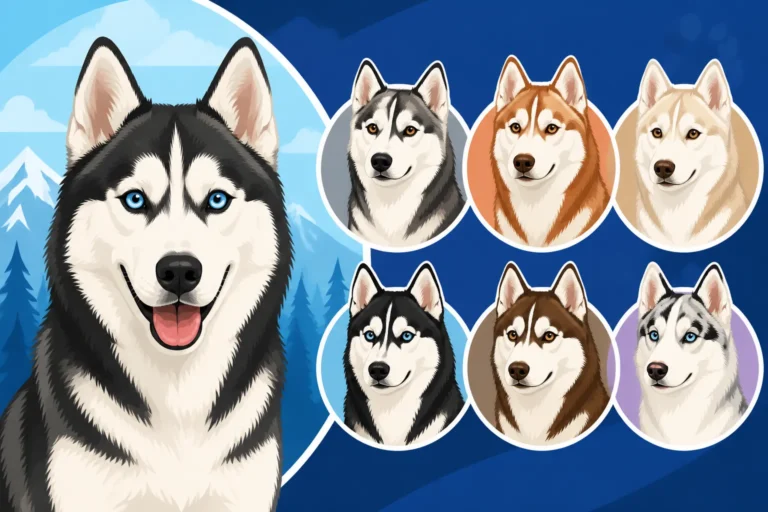
Siberian Huskies come in a truly stunning array of colors and patterns, all of which are recognized by breed standards and have been part of their genetic heritage for generations. We see everything from pure white, striking blacks, various shades of gray (silver, wolf gray, medium gray, dark gray), and beautiful reds (copper, light red, dark red). They can have intricate face masks, pinto markings, or be solid. All these variations are naturally occurring within the breed's historical development. For more on this, you can check out Siberian Husky Coat Colors and Markings. These coat colors are linked to specific genes that have been passed down through generations of working sled dogs, proven to thrive in their harsh environment.
The key here is natural occurrence. No reputable historical account or genetic study of the Siberian Husky has ever identified the merle gene as part of its native genetic code. The genes that create agouti patterns, sable, white, or various shades of red and black are well-documented and understood within the breed. The merle gene, however, operates on a completely different genetic locus and is simply not found there. This isn't just an arbitrary rule; it's based on generations of genetic stability and purity within the breed.
How Merle Enters the "Husky" Picture
So, if merle isn't natural to the Siberian Husky, how do these "merle Huskies" come about? There are typically two main scenarios. The most common is crossbreeding. A Siberian Husky might be bred with another breed that naturally carries the merle gene, such as an Australian Shepherd, a Collie, or even a Great Dane. The resulting puppies would be mixed breeds, and some might inherit the merle gene, displaying that sought-after pattern. These puppies are not purebred Siberian Huskies, even if one parent was a Husky. They might be marketed as "designer dogs" or simply mislabeled to command a higher price due to their unique appearance.
The second, and more concerning, scenario involves irresponsible breeders who may deliberately introduce the merle gene into a Husky line, often by breeding a Husky to a merle-carrying dog and then back-crossing the merle offspring to more Huskies, attempting to "create" a merle purebred. This is a dangerous practice as it dilutes the genetic integrity of the breed and can lead to significant health consequences, which we'll discuss next. Such breeders often prioritize novelty and profit over the health and welfare of the animals, a common trait of backyard breeders you can learn more about in Spotting a Backyard Siberian Husky Breeder. This is why, if a breeder claims to have "purebred merle Siberian Huskies," it should immediately raise a red flag.
The AKC Standard and Breed Integrity
The American Kennel Club (AKC) and other reputable kennel clubs worldwide establish a breed standard for each recognized breed. This standard is essentially the blueprint for what a purebred dog of that particular breed should look like, act like, and be structured like. It describes everything from ear set and tail carriage to temperament and, yes, acceptable coat colors and patterns. For the Siberian Husky, this standard is a testament to its history as a working sled dog and serves to preserve the breed's unique characteristics. When it comes to merle, the AKC standard is very clear, and understanding its position is crucial for anyone considering adding a Siberian Husky to their family.
The integrity of a breed is maintained by adhering to these standards, which are developed by breed clubs and accepted by the overarching kennel clubs. These standards aren't just about aesthetics; they often reflect the functional history and health considerations of the breed. Deviations from the standard, especially those involving genetic components not native to the breed, are taken seriously because they can compromise the very essence of what makes a Siberian Husky a Siberian Husky. This commitment to breed integrity helps ensure that future generations of Huskies possess the traits and health expected of the breed.
What the AKC Standard Says
The AKC's official Siberian Husky breed standard is quite specific about acceptable colors and markings. It states, "All colors from black to pure white are allowed. A variety of markings on the head is common, including many patterns not found in other breeds." While this sounds broad, it's referring to the naturally occurring color genes within the Siberian Husky. Crucially, the merle pattern is not listed, implied, or considered an acceptable coat pattern in the Siberian Husky breed standard. In fact, if a dog were to appear in the show ring with a merle coat, it would be disqualified as non-standard, immediately signalling that it does not fit the breed’s established criteria.
This isn't an oversight; it's a deliberate omission based on the genetic history of the breed. The standard aims to preserve the traits that define a Siberian Husky, and the merle gene simply isn't one of them. Therefore, any dog advertised as a "purebred merle Siberian Husky" cannot be registered as such with the AKC, nor can it compete in conformation events. This is a clear indicator that the merle pattern is an illegitimate color for the breed according to the leading authority on purebred dogs. You can read more about what the standard expects in What the AKC Standard Asks of a Siberian Husky.
Implications for Registration and Showing
For those passionate about purebred dogs, AKC registration and participation in dog shows are important aspects of the fancy. If you have a dog marketed as a "merle Siberian Husky," understanding its registration status is critical. As mentioned, a merle-patterned dog cannot be registered as a purebred Siberian Husky with the AKC or other major kennel clubs. This means no AKC pedigree, no show titles, and no official recognition as a purebred member of the breed. This can be a significant disappointment for owners who believed they were purchasing a purebred dog with unique markings.
Furthermore, if a dog is truly a crossbreed (e.g., Husky x Aussie), it would never be eligible for purebred registration as a Siberian Husky, regardless of its coat pattern. It might be eligible for registration as a mixed breed in some organizations, but it would never be considered a purebred Siberian Husky. This highlights the importance of asking for proper paperwork, including parentage and genetic health clearances, when purchasing a puppy. A reputable breeder will always provide you with What a Siberian Husky Breeder Should Hand Over, including registration papers if applicable, and transparent health information. The absence of these, especially for a "merle" puppy, is a significant warning sign, often linked to Why a Cheap Siberian Husky Puppy Is a Warning.
Health Risks: The Dark Side of Merle
While the merle pattern might be visually stunning, its presence, particularly in breeds where it's not naturally occurring, can come with significant and often severe health risks. This isn't just about aesthetics; it's about the welfare of the dog. The gene responsible for merle, when present, can affect more than just coat color; it can impact the development of the eyes and ears, leading to serious sensory impairments. For prospective Siberian Husky owners, understanding these potential health issues is paramount, as they can lead to heartbreaking challenges and substantial veterinary bills.
The most concerning situation arises when two merle-patterned dogs are bred together. This creates a chance for puppies to inherit two copies of the merle gene, a condition known as "double merle" (or homozygous merle). Double merle dogs are disproportionately affected by profound health problems. While a single merle gene can cause some issues, the double merle condition dramatically increases the severity and likelihood of debilitating conditions. This is why responsible breeders of merle-carrying breeds never breed merle to merle. For Siberian Huskies, where the gene itself is an unwelcome intruder, the risks are even higher because the breed's genetic background isn't adapted to handle its presence.
Common Issues in Merle-Carrying Dogs
Dogs carrying the merle gene, even just one copy, can be prone to a range of health issues, especially those related to sight and hearing. One of the most common problems is ocular defects. These can include microphthalmia (abnormally small eyes), colobomas (holes or defects in the eye structures), and even complete blindness. The merle gene can interfere with the normal development of the eye, leading to lifelong vision impairment or loss. This is a stark contrast to the robust eye health generally seen in well-bred Siberian Huskies, who primarily face specific breed-related issues like juvenile cataracts or progressive retinal atrophy, topics often covered in Siberian Husky Eye Disease and the Annual Exam.
Beyond eye issues, hearing problems are also a serious concern. Deafness, either partial or complete, in one or both ears, is frequently observed in merle-patterned dogs. The merle gene can affect the pigment cells in the inner ear, which are crucial for hearing development. This can manifest as anything from subtle hearing loss to profound deafness. Imagine trying to train and live with a Husky, a breed already known for its independent nature, if it cannot see or hear properly. These challenges are immense, and they are directly linked to the presence of the merle gene.
The Dangers of Double Merle
The health risks are drastically amplified for "double merle" dogs, those who inherit two copies of the merle gene. These dogs are at a significantly higher risk of severe eye and ear abnormalities. It's not uncommon for double merles to be born with underdeveloped or missing eyes, or to be completely blind from birth. Their hearing can also be severely compromised, often resulting in bilateral (both ears) profound deafness. These dogs are truly special needs animals, requiring immense dedication, resources, and understanding from their owners. It is a tragedy that is entirely preventable through responsible breeding.
Breeders who produce double merle dogs are considered highly unethical, as these outcomes are predictable and avoidable. This isn't a genetic lottery; it's a known consequence of poor breeding practices. Any breeder knowingly breeding two merle dogs, especially to "create" a unique color in a breed like the Siberian Husky where it doesn't belong, is prioritizing profit and novelty over animal welfare. The care for such a dog can be extensive, involving specialized training, adaptations to the home environment, and potentially ongoing veterinary support for associated health issues. Finding supplies for special needs dogs, like adaptive toys or specific grooming products, can often be found at retailers like Chewy, but the underlying issue of their creation is what needs addressing.
Responsible Breeding Practices and Avoiding Merle
For anyone considering bringing a Siberian Husky into their home, finding a responsible breeder is perhaps the most critical step. A good breeder prioritizes the health, temperament, and genetic integrity of the breed above all else. This means adhering to established breed standards, conducting thorough health testing, and having an in-depth understanding of genetics. When it comes to the merle pattern, a responsible Siberian Husky breeder will unequivocally tell you that it does not belong in the breed and will never produce or sell a "merle Siberian Husky."
The commitment to responsible breeding is what safeguards the future of the Siberian Husky. It ensures that puppies are born healthy, with predictable temperaments and true-to-breed characteristics. By choosing a reputable breeder, you're not just buying a puppy; you're supporting ethical practices that contribute to the overall well-being of the breed. Conversely, opting for a "merle Siberian Husky" from an unknown source often means inadvertently supporting practices that are detrimental to animal health and breed standards.
How to Identify a Reputable Siberian Husky Breeder
Identifying a reputable Siberian Husky breeder involves asking many questions and doing your homework. First and foremost, a good breeder will be transparent about their dogs' health clearances. They will happily share information about the parents, including their pedigrees, OFA (Orthopedic Foundation for Animals) hip scores, and CERF (Canine Eye Registration Foundation) or OFA eye exam results. Health testing is crucial for the breed, addressing concerns such as Siberian Husky Hips and Why the Rate Is Low and Siberian Husky Eye Disease and the Annual Exam. A reputable breeder will also be actively involved with the breed, often participating in dog shows, obedience trials, or sled dog racing, demonstrating their dedication beyond just breeding.
Furthermore, a responsible breeder will educate you about the breed's characteristics, potential challenges, and what to expect from a Siberian Husky. They will ask you many questions to ensure their puppy is going to a suitable home. They will not allow puppies to go to new homes before eight weeks of age, ensuring proper socialization with their littermates and mother. When discussing coat colors, they will only refer to those recognized by the AKC standard. If a breeder ever mentions "merle" as a desirable or legitimate color for a Siberian Husky, that's your cue to walk away. Always review Reading a Siberian Husky Puppy's Health Paperwork carefully.
What to Do if You Encounter a "Merle Husky"
If you see a dog advertised as a "merle Siberian Husky," your first instinct should be caution. It's important to approach these situations with an informed perspective. If the seller claims the dog is a purebred Siberian Husky, they are either misinformed or intentionally misleading buyers. You should never purchase a puppy from someone making such claims, as it indicates a lack of understanding of the breed, a disregard for ethical breeding, or both. Instead, politely decline and seek out breeders who demonstrate a deep commitment to the Siberian Husky breed standard and health.
If you already own a dog marketed as a "merle Siberian Husky," it's essential to understand that while its appearance is unique, it is likely a mixed breed. Love and care for your dog as you would any companion, but be aware of the potential health issues associated with the merle gene. Schedule regular veterinary check-ups, specifically mentioning the merle pattern to your vet so they can monitor for any developing eye or ear problems. You might even consider having a genetic test done to confirm its breed mix if you're curious about its heritage. Products for sensitive eyes or ears, if needed, are readily available from places like Chewy, but prevention through ethical breeding is always the best approach.
| Aspect | Purebred Siberian Husky (Standard Colors) | "Merle Siberian Husky" (Non-Standard) |
|---|---|---|
| Coat Colors | Black, white, grey, red, sable, agouti (all solid/patterned) | Mottled, patched, diluted colors, often with blue eyes |
| Genetic Origin | Naturally occurring genes within the breed's lineage | Merle gene (M locus) not native to the breed |
| AKC Recognition | Fully recognized, eligible for registration & shows | Not recognized, cannot be registered as purebred Siberian Husky |
| Health Risks (Merle) | General breed health concerns, not merle-specific | Increased risk of vision and hearing impairments (especially double merle) |
| Breeding Ethics | Responsible, health-tested, adheres to standard | Often from crossbreeding or unethical breeding practices |
| Likely Status | Purebred | Mixed breed or product of irresponsible breeding |
Disclaimer
This article is for general informational purposes only and does not constitute professional advice. Laws, prices and regulations vary by location and change over time. Consult a qualified professional for guidance on your specific situation.