Recovery After Siberian Husky Cataract Surgery
Facing the news that your beloved Siberian Husky needs cataract surgery can feel incredibly daunting, filling you with worry about their sight and the recovery journey ahead. It's a significant step, and knowing exactly what to expect in the weeks and months following the procedure is crucial for a smooth transition back to health. This guide will walk you through the entire recovery process, from immediate post-operative care to long-term management, ensuring you're fully prepared to support your Husky through every stage.
The Immediate Aftermath: Bringing Your Husky Home Post-Surgery
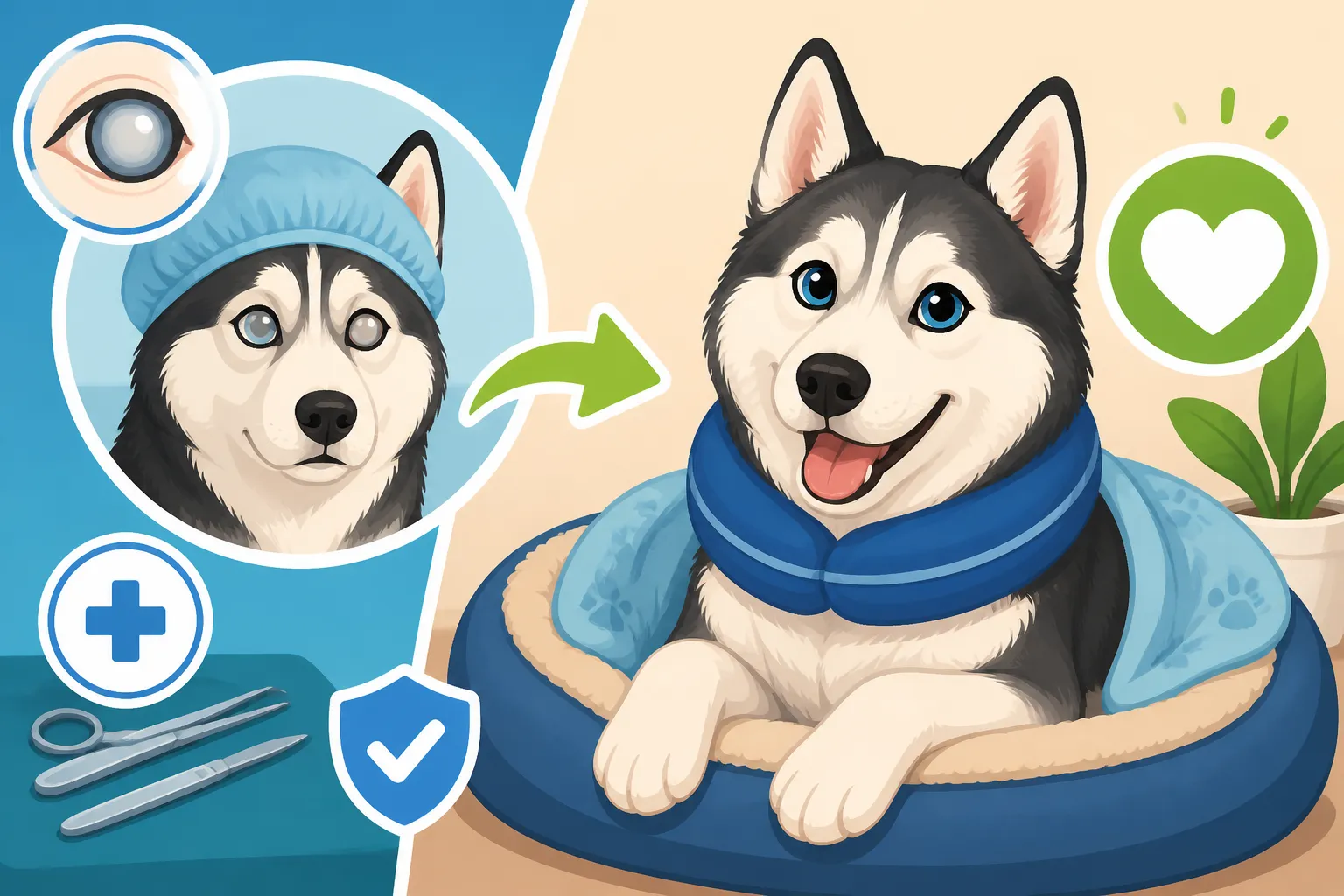
The moment you pick up your Siberian Husky after cataract surgery is often a mix of immense relief and fresh anxiety. They might be a bit groggy from anesthesia, their eyes might look a little different, and the dreaded "cone of shame" will likely be firmly in place. It's completely normal to feel overwhelmed, but remember, the veterinary team has given you specific instructions for a reason.
Initial Post-Op Instructions From the Vet
Before you even leave the clinic, your veterinary ophthalmologist or technician will go over a detailed set of instructions. Listen carefully, and don't hesitate to ask for clarification on anything that's unclear. They'll cover everything from how to handle your Husky on the ride home to the immediate medication schedule. Often, your Husky will have received pain medication and possibly initial eye drops before discharge, so they might be more comfortable than you expect, but still disoriented. Their pupils might be dilated, making them extra sensitive to light, so try to keep their environment dim on the way home. It's not uncommon for Huskies to be a bit whiny or restless as the anesthesia wears off, a stark contrast to their usual boisterous selves, which can be unsettling for owners.
Transporting your Husky home safely is paramount. They should be in a secure crate or restrained with a car harness to prevent them from jostling their head or attempting to rub their eyes against surfaces. Even a slight bump or an unexpected movement could disrupt the healing process or even damage the delicate surgical site. Many owners are surprised by how little their Husky sees immediately after surgery, even if the cataract was successfully removed. Their brain needs time to adjust to processing images again, and residual swelling can also temporarily impair vision. This is a critical time for careful handling, as they might misjudge distances or bump into things they usually navigate with ease.
Setting Up a Safe Recovery Space
Once you get your Husky home, having a pre-prepared, safe, and confined recovery space is essential. Think of it as a temporary nest where they can heal without accidentally hurting themselves. This space should ideally be a small room, like a laundry room or a quiet corner of the living area, free from stairs, sharp furniture corners, or anything they could trip over. It's absolutely crucial to prevent jumping, running, or any rough play, as these activities can significantly increase the risk of complications such as bleeding or even retinal detachment.
Lay down soft, clean bedding in their recovery area. A dog bed with raised sides can offer a sense of security, and many Huskies appreciate the opportunity to burrow into something cozy. Ensure their food and water bowls are easily accessible and that the E-collar doesn't impede their ability to eat or drink. Sometimes, elevated bowls can help. Keeping the environment calm and quiet will also aid their recovery. Avoid loud noises, boisterous children, or other pets that might try to engage them in play. Remember that your Husky might be feeling vulnerable and confused, and a peaceful retreat will make a world of difference. For Huskies who might be navigating with limited vision, even temporarily, simple changes can aid in their comfort and prevent accidents. Consider a consistent layout for their essentials and clearly marked pathways, similar to how one might create a safe environment for a dog with Keeping a Blind Siberian Husky Safely Contained.
Navigating the Critical Recovery Period at Home
The first few weeks after cataract surgery are the most critical. This is when your dedication to medication, activity restriction, and diligent observation will directly impact the success of the surgery and your Husky's long-term vision. It's a demanding period, requiring patience and a keen eye for detail.
Diligent Medication Administration
Administering eye drops to a Siberian Husky, known for their strong will and occasional stubborn streak, can be a monumental task. Yet, it is arguably the most vital part of the post-surgical care. Your vet will likely prescribe a cocktail of drops, typically including antibiotic drops to prevent infection, anti-inflammatory drops to reduce swelling and pain, and sometimes pupil-dilating drops to prevent adhesions within the eye. These often need to be given multiple times a day, sometimes just minutes apart, which can feel like a full-time job.
It's helpful to establish a routine. Try to give the drops when your Husky is calm and tired, perhaps after a short, controlled potty break. Positive reinforcement with high-value treats can make the process less stressful for both of you. Some Huskies respond better if you approach from behind, gently holding their muzzle with one hand and administering the drops with the other, letting the drops fall onto the white of the eye rather than directly onto the cornea. Make sure your hands are clean, and don't touch the tip of the dropper to your Husky's eye to prevent contamination. Consistency is key here; missing doses can lead to serious setbacks. Beyond the drops, your Husky might also be on oral pain medication and anti-inflammatory drugs for the first week or two. Adhere strictly to the prescribed dosage and schedule for these as well.
The Ever-Present E-Collar: A Necessary Evil
Ah, the infamous E-collar, or "cone of shame." No Husky owner relishes the thought of their active, playful dog being encumbered by this plastic barrier, but it is an absolute non-negotiable part of cataract surgery recovery. Its purpose is singular and critical: to prevent your Husky from rubbing, scratching, or pawing at their eyes, which could dislodge sutures, introduce infection, or cause severe damage to the healing tissue. Trust me, the consequences of a self-inflicted injury are far worse than the temporary inconvenience of the cone.
Your Husky might initially hate it. They'll bump into walls, struggle to eat and drink, and probably look utterly miserable. Your heart will ache, but you must resist the urge to take it off, even for a moment, unless explicitly instructed by your vet for specific tasks. There are various types of E-collars available, from traditional plastic cones to softer, inflatable donut collars. Discuss with your vet if an alternative might be suitable for your Husky, but always prioritize what offers the best protection. While the cone is on, make sure your Husky can still reach their food and water; you might need to use raised bowls or hold them for them. They'll adapt, and eventually, you'll find they can navigate quite well, even with their new appendage. This constant barrier is a short-term sacrifice for long-term vision.
Activity Restriction and Leash Management
Siberian Huskies are bundles of energy, and keeping them quiet and calm for weeks after surgery is perhaps the biggest challenge. However, restricting their activity is paramount for proper healing. Any sudden movements, jumps, or vigorous shaking of the head can cause internal bleeding, increase intraocular pressure, or even lead to complications like retinal detachment. This is especially true in the first two to four weeks post-surgery.
Your vet will likely recommend leash-only potty breaks, meaning no off-leash romping, no dog park visits, and absolutely no running or jumping onto furniture. Keep walks extremely short, just long enough for them to relieve themselves. Inside the house, you might need to use baby gates or keep them in their designated recovery area to prevent them from dashing around. Engaging their minds with puzzle toys, slow feeders, or quiet training sessions that don't involve physical exertion can help manage their boundless energy and boredom. Chew toys designed for quiet chewing can also be a lifesaver. This period of enforced rest is crucial for the delicate eye tissues to heal properly. Thinking about the long-term journey of your Husky's health, this careful management directly contributes to their overall well-being, much like understanding The Ages a Siberian Husky Changes Health-Wise can prepare you for different stages of their life.
| Recovery Phase | Key Focus | Typical Duration | Important Notes |
|---|---|---|---|
| Immediate Post-Op | Pain management, monitoring, confinement | First 24-72 hours | Husky may be disoriented; strict E-collar use. |
| Critical Healing | Medication adherence, strict activity restriction | Weeks 1-4 | Eye drops are paramount; observe for complications. |
| Intermediate Healing | Gradual activity increase, follow-up exams | Weeks 4-8 | Continue E-collar until vet advises removal. |
| Long-Term Monitoring | Regular vet checks, ongoing eye care | Months 3+ to Lifetime | Watch for signs of secondary issues like glaucoma. |
Recognizing and Responding to Potential Complications
While cataract surgery is generally successful, complications can arise, and knowing what to look for and how to react quickly is crucial for your Siberian Husky's recovery and vision.
Signs of Infection or Inflammation
It's normal for your Husky's eye to have some mild redness and discharge in the immediate post-operative period. However, knowing the difference between normal healing and potential trouble is vital. If you notice an increase in redness, swelling, excessive blinking or squinting, thick or colored discharge (yellow, green), or if your Husky seems to be in more pain, these could all be signs of infection or severe inflammation. These are emergencies and require immediate contact with your veterinary ophthalmologist.
Infection can compromise the surgical site and lead to irreversible vision loss if not addressed promptly. Inflammation, if uncontrolled, can lead to secondary complications like glaucoma. Your vet might prescribe stronger antibiotics, anti-inflammatory medications, or different types of eye drops. They might also need to flush the eye or perform other procedures to get the situation under control. Never try to self-diagnose or treat these issues at home; always seek professional veterinary advice. For any concerns about unusual eye symptoms, always err on the side of caution. If your Husky is experiencing Siberian Husky Eye Pain and Sudden Squinting, it warrants immediate veterinary attention.
Retinal Detachment or Glaucoma Post-Surgery
Two of the most serious potential complications after cataract surgery are retinal detachment and secondary glaucoma. While rare, they can happen and often lead to severe vision loss or even loss of the eye if not treated aggressively. Retinal detachment can cause a sudden, complete loss of vision in the affected eye. You might notice your Husky suddenly bumping into things on one side, or their pupil might appear unusually dilated and unresponsive to light. This requires emergency intervention.
Secondary glaucoma, an increase in pressure within the eye, can be a particularly painful complication. Signs of glaucoma include a red, painful eye, a dilated pupil that doesn't constrict in light, a cloudy appearance to the cornea, and often obvious discomfort or head pressing. This is another veterinary emergency. Early detection and treatment are critical for saving sight, as sustained high pressure rapidly damages the optic nerve. If you suspect either of these conditions, contact your vet immediately. The prognosis for retaining vision is significantly better with swift intervention, particularly for conditions like Glaucoma as a Siberian Husky Emergency, where every hour counts. Pet insurance, such as a policy from Healthy Paws, can be incredibly beneficial during such emergencies, helping to cover the often significant costs of diagnostic tests and emergency treatments, allowing you to focus on your Husky's care without added financial stress.
Dealing with Surgical Site Trauma
Despite your best efforts with the E-collar, sometimes accidents happen. Perhaps the collar briefly came off, or your Husky managed to rub their face against something. Any direct trauma to the surgical eye can be disastrous. If you notice any signs of physical damage to the eye, such as a new scratch on the cornea, bleeding, or if the eye looks sunken or unusually swollen after a bump, this is an immediate emergency.
It's crucial to ensure the E-collar is always fitted correctly and securely. A collar that is too loose can easily be pushed aside, allowing your Husky access to their eye. Double-check that all closures are firm. If trauma does occur, try to keep your Husky calm and prevent further self-harm by immediately securing the E-collar. Do not attempt to clean the eye or apply any unprescribed medications. Get to your veterinary ophthalmologist as quickly as possible. Time is of the essence in preventing further damage and preserving your Husky's vision.
Long-Term Care and Maintaining Vision
Recovery doesn't end when the E-collar comes off. Long-term care and diligent monitoring are essential to ensure the continued success of the surgery and your Siberian Husky's overall eye health.
Scheduled Follow-Up Appointments
Post-operative follow-up appointments are not optional; they are a crucial component of your Husky's ongoing eye care. Your veterinary ophthalmologist will schedule several check-ups, typically starting with weekly appointments for the first few weeks, then extending to monthly, quarterly, and eventually annual visits. During these appointments, the vet will meticulously examine your Husky's eyes, checking for signs of inflammation, infection, glaucoma, or any other complications. They will measure intraocular pressure, assess vision, and check the clarity of the lens implant (if one was used).
These visits are vital for catching any potential problems early, often before they become apparent to you at home. Many eye conditions, like a slow rise in intraocular pressure, might not show obvious symptoms until significant damage has occurred. Consistent follow-ups ensure that your vet can adjust medication dosages, make recommendations for ongoing care, and track the long-term health of your Husky's eyes. This commitment to regular checks is part of a lifelong strategy for managing your Husky's health, much like understanding the necessity for Siberian Husky Eye Disease and the Annual Exam every single year.
Ongoing Eye Health Management
For many Siberian Huskies, cataract surgery is a successful intervention that restores functional vision. However, some dogs may require lifelong eye drops, often anti-inflammatory ones, to prevent future inflammation or complications. This is particularly true for Huskies prone to chronic uveitis or those with a predisposition to glaucoma. Your veterinary ophthalmologist will guide you on any ongoing medication regimen. Regular, gentle cleaning of your Husky's eyes with a sterile saline solution or a vet-approved eye cleaner can help keep the area free of debris and reduce the risk of irritation. Always use a clean, soft cloth or cotton ball for each eye to prevent cross-contamination.
Even if your Husky's vision seems perfectly restored, continue to be observant. Look for any subtle changes in their eyes or behavior, such as excessive blinking, discharge, redness, or changes in how they navigate their environment. Early detection of any new issues is key to effective treatment. Owners often wonder about the financial commitment to such specialized care, and it's true that the What a Siberian Husky's Eye Care Costs Over a Lifetime can be substantial. This is where comprehensive pet insurance can make a real difference. Many pet owners find that policies from providers like Healthy Paws can alleviate a significant portion of the financial burden associated with ongoing medications, specialist visits, and any potential future eye treatments. Thinking ahead and enrolling in a plan like Healthy Paws can provide peace of mind and allow you to prioritize your Husky's health without undue financial stress.
Adapting to New Vision Levels
It's important to set realistic expectations for your Husky's vision post-surgery. While many dogs experience a dramatic improvement, not all achieve 20/20 vision, and some may have residual cloudiness or vision impairments. Your Husky's brain needs time to re-learn how to process visual information, especially if they were blind for an extended period. They might initially be a little hesitant or clumsy, even with improved sight. Patience and gentle encouragement are vital during this adaptation phase.
Maintain a consistent environment in your home, at least initially. Avoid moving furniture around, and ensure clear pathways. If your Husky's vision isn't fully restored, or if they have other existing visual impairments, continue to use verbal cues and maintain predictable routines. For example, if they've developed a reliance on auditory cues, continue to use them. The goal is to maximize their quality of life, whether that means fully restored vision or adapting to a new level of sight. Remember, a dog’s spirit and ability to enjoy life often transcend their visual acuity, and even a partially sighted Husky can still thrive and lead a full, happy life, often continuing with beloved activities like running, as explored in Whether a Blind Siberian Husky Can Still Run.
Disclaimer
The information provided in this guide is intended for general knowledge and informational purposes only, and does not constitute medical advice. Always consult with a qualified veterinary professional, especially a board-certified veterinary ophthalmologist, for any health concerns or before making any decisions related to your Siberian Husky's medical care. Individual recovery times and potential complications can vary.