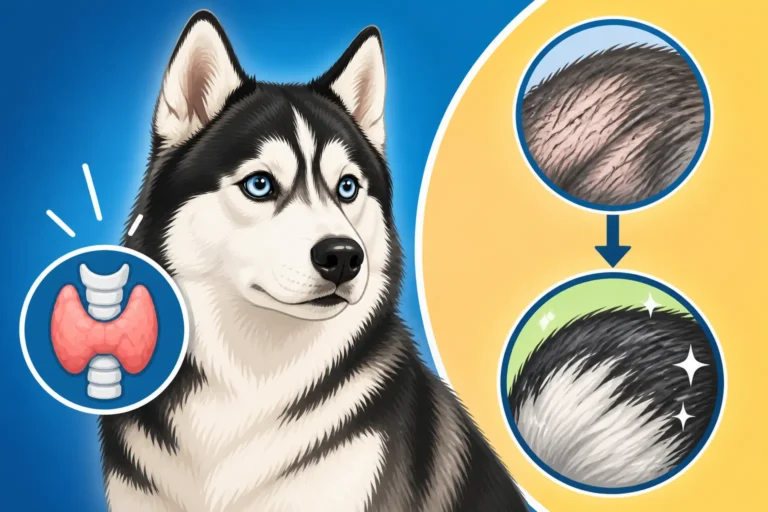
Whether a Husky Needs Zinc for Life
It’s a common, heartbreaking scenario: you’ve got a beautiful Siberian Husky, and suddenly, they start developing crusty lesions around their eyes, mouth, or pressure points. You’ve tried changing food, various topical creams, and maybe even steroids, but nothing seems to truly clear it up. This persistent problem often points to a specific issue within the breed: a unique challenge with zinc absorption, leading many Husky owners to wonder if their furry companion needs zinc for the rest of their days. This guide will help unravel the complexities of zinc deficiency in Siberian Huskies, explaining why for many, lifelong supplementation isn't just a recommendation, but a necessity to maintain their health and comfort.
Understanding Zinc-Responsive Dermatosis in Siberian Huskies
Siberian Huskies are magnificent dogs, known for their stunning looks and energetic personalities, but they also come with a few genetic quirks that owners need to be aware of. One of the most prominent health concerns unique to the breed is Zinc-Responsive Dermatosis. This isn't just a simple dietary deficiency that can be fixed with a few extra zinc-rich meals; it's a fundamental issue with how their bodies process this vital mineral.
Why Huskies Have Unique Zinc Needs
The core of the problem lies in the fact that many Siberian Huskies simply don't absorb zinc from their diet as efficiently as other breeds do. It's not necessarily that their food is lacking zinc; it's that their digestive system struggles to take it up and utilize it effectively. This makes it a genetic predisposition rather than a nutritional oversight on your part. You could be feeding the most expensive, zinc-fortified kibble on the market, and your Husky could still develop symptoms because their body just isn't getting what it needs from that food. This explains why a balanced diet does not fix Husky zinc loss, and why owners often feel so frustrated when conventional approaches fail.
This malabsorption issue is generally inherited, meaning if your Husky has it, they were likely born with the genetic markers that make them prone to it. It's not something they "catch." This is an important distinction, as it shapes the entire approach to treatment and management. Understanding why Siberian Huskies absorb zinc poorly is the first step toward effective, long-term care.
Recognizing the Early Signs of Zinc Deficiency
The signs of Zinc-Responsive Dermatosis can be quite distinct once you know what to look for, but in the early stages, they can be subtle and easily mistaken for other skin conditions. Typically, you'll start noticing skin changes around the eyes, muzzle, chin, and ears. These are areas with high cellular turnover, making them particularly vulnerable when zinc levels are low.
Initially, you might see some redness, scaling, and a thinning of the hair in these spots. As the condition progresses, the skin can become quite thickened, crusty, and inflamed. Owners often describe it as crusting skin on a Siberian Husky's face. The lesions can be symmetrical and may also appear on pressure points like the elbows, hocks, and genitals. It's an uncomfortable condition for your dog, often leading to itchiness, pain, and secondary bacterial or yeast infections because the compromised skin barrier is an open invitation for opportunistic pathogens.
It’s crucial to catch these signs early because without proper zinc supplementation, the condition will only worsen, causing more discomfort and potentially leading to more severe skin infections that require additional veterinary intervention. The age Husky zinc dermatosis starts can vary, but it's often seen in young adults.
The Lifelong Commitment to Zinc Supplementation
Once a Siberian Husky is diagnosed with Zinc-Responsive Dermatosis, the conversation often turns to long-term management. For the vast majority of affected Huskies, this isn't a temporary course of treatment; it’s a lifelong commitment. The underlying genetic issue with zinc absorption doesn’t just disappear, meaning regular, consistent supplementation is essential to keep symptoms at bay and ensure your Husky remains comfortable and healthy.
When Supplementation Becomes a Permanent Fixture
Think of zinc supplementation for a Husky with this condition much like insulin for a diabetic. It manages a chronic, often lifelong, metabolic issue. While some dogs might show improvement and even seem symptom-free after a few weeks or months of zinc therapy, stopping the supplementation almost invariably leads to a relapse of symptoms. This cycle of improvement and recurrence can be incredibly frustrating for owners, making them question if they're doing something wrong. But it’s simply the nature of the condition – it's a management game, not a cure.
Veterinarians experienced with Siberian Huskies will often advise owners that once a diagnosis of Zinc-Responsive Dermatosis is confirmed and the dog responds positively to zinc, it’s best to assume that they will require zinc for life. This preventative approach avoids the discomfort of recurring flare-ups and the need for more aggressive treatments later on. For many Huskies, a consistent daily or every-other-day dose keeps them completely symptom-free.
Navigating Different Types of Zinc Supplements and Dosages
When it comes to zinc supplementation for a Siberian Husky, it's not a one-size-fits-all situation. Several forms of zinc are available, and the right choice, along with the correct dosage, is critical for effectiveness and safety. This is where your veterinarian's expertise, especially one familiar with the breed, becomes invaluable.
Common forms of zinc used for supplementation include:
- Zinc Sulfate: This is often the first line of treatment due to its bioavailability and relatively lower cost. It's usually given orally.
- Zinc Gluconate: Another common and well-absorbed form, often found in human supplements, which can also be effective for dogs.
- Zinc Methionine (Zinc Chelate): This form is chelated, meaning the zinc is bound to an amino acid, which can improve absorption in some cases. Brands like Zinc A.G. or Zylkene often use chelated forms.
The dosage is highly individual and depends on the specific form of zinc, your Husky's weight, and the severity of their symptoms. Starting doses are often higher to quickly bring symptoms under control, after which a maintenance dose is established. It's crucial to follow your vet's instructions precisely, as too little zinc won't be effective, and too much can be toxic. You can learn more about specific zinc doses used in Siberian Huskies by consulting your vet.
Here’s a general overview of common zinc forms and considerations:
| Zinc Form | Absorption Rate | Common Usage | Considerations |
|---|---|---|---|
| Zinc Sulfate | Good | Initial treatment, cost-effective | Can cause gastrointestinal upset if given on an empty stomach. |
| Zinc Gluconate | Very Good | Maintenance, often found in pet/human supplements | Generally well-tolerated. |
| Zinc Methionine | Excellent | For dogs with persistent malabsorption | Often more expensive, less likely to cause GI upset. |
| Zinc Picolinate | Variable | Less commonly used in veterinary medicine | May be effective but less studied in dogs for this specific condition. |
Always give zinc supplements with food to minimize gastrointestinal upset, especially with zinc sulfate, which can be irritating on an empty stomach. Regular follow-up appointments with your vet will be necessary to monitor your Husky's response and adjust the dosage as needed.
Managing Your Husky's Zinc Needs for the Long Haul
Living with a Siberian Husky with Zinc-Responsive Dermatosis means integrating their ongoing care into your daily routine. It's not just about giving a pill; it's about vigilant observation, understanding their unique physiology, and sometimes, navigating the financial aspects of chronic care.
Monitoring Your Husky's Response and Adjusting Treatment
Once your Husky begins zinc supplementation, you should start to see improvement in their skin condition within a few weeks. The crusts will begin to heal, inflammation will subside, and hair growth should return to normal. However, this isn't the point to stop or reduce the dosage without veterinary guidance. Continued monitoring is key.
Your veterinarian will likely recommend periodic check-ups to assess your Husky's skin, coat quality, and overall health. In some cases, blood tests may be performed, though serum zinc levels aren't always a perfect indicator of tissue zinc levels or absorption efficiency. Often, the response of your Husky's skin is the best gauge. If symptoms recur, it might indicate that the dosage needs adjusting, the form of zinc needs to be changed, or there might be another concurrent skin issue. Telling Husky zinc dermatosis from an allergy can sometimes be tricky, so accurate diagnosis is crucial.
It's also vital to be aware of the potential for over-supplementation. While zinc is essential, too much zinc hurts a Siberian Husky. Excess zinc can interfere with the absorption of other vital minerals like copper, leading to other health problems such as anemia. This is another reason why self-medicating or deviating from your vet's prescribed dosage is highly discouraged.
Dietary Considerations and Common Misconceptions
There’s a common misconception that simply switching to a zinc-rich diet can fix the problem. Unfortunately, for Huskies with Zinc-Responsive Dermatosis, this is rarely the case. As we discussed, their issue isn't typically a lack of zinc in the food, but a problem with absorbing it. Therefore, while feeding a high-quality, balanced diet is always recommended for overall health, it usually won't negate the need for supplemental zinc if your Husky is truly affected by this condition. This is precisely why a balanced diet does not fix Husky zinc loss.
Some owners explore raw diets or home-cooked meals, hoping to boost nutrient absorption. While these diets can be balanced and healthy, they still won't correct the inherent malabsorption issue specific to Huskies with this condition. In fact, some ingredients in raw or home-cooked diets might even interfere with zinc absorption (e.g., high levels of calcium or phytates in certain grains and legumes, though many Huskies are fed grain-free). It's always best to discuss any significant dietary changes with your veterinarian, especially when managing a chronic condition that requires specific supplementation.
The goal isn't to find a food that magically provides enough zinc; it's to provide the necessary zinc in a form and dosage that your Husky's unique physiology can utilize, usually through direct supplementation.
The Financial Reality of Lifelong Care
Let's be realistic: managing a chronic condition like Zinc-Responsive Dermatosis for life does come with financial implications. There's the cost of the zinc supplements themselves, which, while not exorbitant, add up over years. Then there are the regular veterinary check-ups to monitor the condition, potential blood tests, and if secondary infections arise, the cost of antibiotics or other medications. You might also want to look into zinc supplement costs for a Siberian Husky to budget accurately.
This is where pet insurance can be a real lifesaver. Many owners find that having a good pet insurance policy, especially one that covers chronic conditions, significantly eases the burden. Companies like Healthy Paws can provide coverage that helps with the ongoing costs of managing conditions like Zinc-Responsive Dermatosis, from the initial diagnosis to the lifelong medication. When choosing a policy, it’s crucial to understand what is covered, waiting periods, and how pre-existing conditions are handled. It's also worth noting that some policies may consider zinc dermatosis and Siberian Husky claims if the condition wasn't present before enrollment. Planning ahead and securing insurance early in your Husky's life can make a big difference in ensuring they receive consistent, quality care without breaking the bank.
Ultimately, while the idea of lifelong medication can seem daunting, for a Husky suffering from Zinc-Responsive Dermatosis, it’s a relatively simple and highly effective way to ensure a comfortable, healthy, and happy life, free from painful skin issues. With consistent care, your Husky can thrive.
Disclaimer
This article is intended for informational purposes only and does not constitute medical advice. Always consult with a qualified veterinarian for any health concerns or before making any decisions about your pet's health or treatment plan.