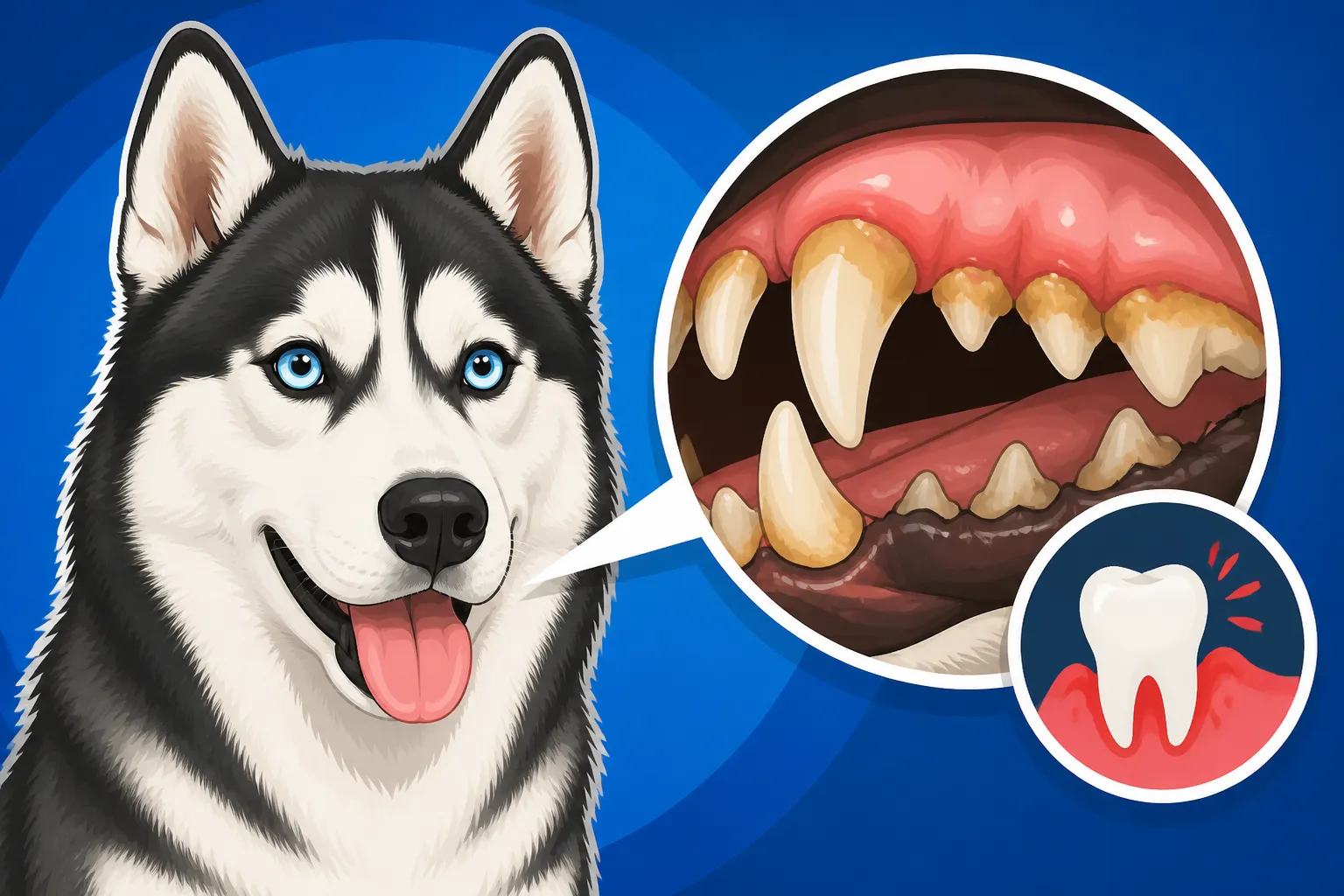
Siberian Husky Dental Disease by Age Five
It's a frustrating reality for many Siberian Husky owners: you're doing your best, providing good food and plenty of exercise, and then your vet delivers the news that your energetic four-legged family member, barely out of puppyhood, already has signs of dental disease. It’s disheartening to think that by the tender age of five, your Husky might be facing issues like tartar buildup, gingivitis, or even more serious periodontal problems. This guide is here to walk you through why dental disease is so common in our beloved Huskies, how to spot the early warning signs, and most importantly, what proactive steps you can take to keep their mouths healthy and their smiles bright.
Why Dental Disease Strikes Siberian Huskies So Early
It feels unfair, doesn't it? You see other dogs, sometimes even older ones, with seemingly pearly whites, while your Husky, who might still act like a mischievous pup, is already developing issues. There are a few reasons why Siberian Huskies can be particularly prone to dental disease, often showing noticeable signs by age five, if not sooner. It's not just about what they eat, but also their unique physiology and inherent behaviors.
Genetic Predisposition and Oral Anatomy
Like many purebred dogs, Siberians can inherit certain predispositions. While not as widely discussed as some other breed-specific health issues, there’s evidence that genetics can play a role in dental health, influencing things like tooth alignment and the composition of their saliva, both of which can impact plaque and tartar accumulation. Sometimes, their teeth might be slightly more crowded than ideal, creating little nooks and crannies where food particles and bacteria can hide and flourish, undisturbed by normal chewing.
Think about it: even if you brush your own teeth twice a day, some people are just more prone to cavities or tartar buildup due to their individual biology. It's similar for our Huskies. Their unique oral anatomy, combined with these potential genetic factors, can create a perfect storm for bacteria to start forming plaque, which quickly hardens into tartar. Once tartar forms, it's like a rough surface that invites even more bacteria to cling on, escalating the problem.
Impact of Diet and Chewing Habits
What your Husky eats, and how they eat it, plays a monumental role in their dental health. Many commercial dry kibbles, while certainly convenient, aren't designed to provide much mechanical cleaning action. If your Husky gulps their food down quickly, which many do, there's even less opportunity for the kibble to scrape against the tooth surface, which is the tiny bit of "brushing" some dry foods offer.
Beyond kibble, consider their chewing habits. Huskies are known for being powerful chewers, and while some assume this naturally keeps their teeth clean, it really depends on what they're chewing. Hard, non-dental-specific toys or bones can actually cause more harm than good, leading to fractured teeth. Conversely, too many soft chews or table scraps can leave residue that contributes to plaque. Finding the right balance of appropriate, safe chews designed for dental health is key. It's a fine line to walk, as we want to give them things to satisfy that natural chewing instinct, but we also want those items to contribute positively to their dental hygiene, not detrimentally. If you’re ever wondering about Feeding a Siberian Husky on an Efficient Metabolism, remember that their dietary needs extend to dental health too.
Recognizing the Early Signs of Dental Disease
The tough thing about dental disease in dogs is that they are masters at hiding pain. It's an instinct that goes back to their wild ancestors – showing weakness makes you vulnerable. So, while your Husky might be suffering from a toothache or sore gums, they'll often continue to eat, play, and act normal right up until the disease is quite advanced. This is why regular at-home checks and knowing what to look for are so incredibly important. Don't wait for them to cry out; by then, the problem is likely severe.
Bad Breath and Gum Changes
The most common, and often earliest, sign of dental disease is halitosis, or plain old bad breath. Now, "dog breath" is a thing, we all know that, but a truly foul, pungent odor is usually a red flag. This isn't just unpleasant; it's often caused by an overgrowth of bacteria in the mouth. If you notice a distinct, persistent smell that makes you recoil, it’s time to investigate.
Beyond the smell, take a look at their gums. Healthy gums should be a nice bubble-gum pink, firm, and hug tightly around the teeth. If you gently lift your Husky's lip and see gums that are red, swollen, or bleeding when touched, that's gingivitis – inflammation of the gums. As the disease progresses, you might notice the gums receding, exposing more of the tooth root, or even pus around the gumline. Sometimes, you might see small growths or lumps on the gums, which should always be checked by a vet.
Visible Tartar Buildup and Behavioral Cues
If you can see a yellowish or brownish crust on your Husky's teeth, particularly on the outer surfaces of the upper molars, that's tartar. Plaque is soft and clear, but once it mineralizes into tartar, it's firmly stuck and cannot be brushed off effectively at home. The more tartar, the more surface area for bacteria, leading to further inflammation and infection.
While subtle, behavioral changes can also hint at dental discomfort. Does your Husky suddenly seem hesitant to chew on their favorite hard toy? Do they drop food from their mouth while eating, or chew on one side of their mouth more than the other? You might notice them pawing at their mouth or rubbing their face against furniture or the floor. Some dogs might become less interested in meals, or you might see a slight weight loss because eating is painful. Even something as simple as a slight head tilt while eating can be a sign. These are all subtle cues that your vigilant eye can pick up on, giving you an early warning that something isn't right.
Proactive Prevention and Home Care Strategies
The good news is that much of dental disease is preventable, or at least manageable, with consistent effort. It requires a bit of dedication on your part, but trust me, preventing costly and painful dental procedures down the line is well worth it. Think of it as investing in your Husky's long-term health and comfort, much like you would regular Siberian Husky Vet Visits by Life Stage.
Daily Brushing: The Gold Standard
Just like for humans, daily tooth brushing is the most effective way to prevent plaque buildup and keep gums healthy. Yes, I know, the thought of wrestling a Husky to brush their teeth sounds daunting, but with patience, positive reinforcement, and starting early, it’s absolutely doable. You'll need a dog-specific toothbrush and toothpaste – never use human toothpaste, as it often contains xylitol, which is toxic to dogs, and fluoride, which can upset their stomachs.
Start slowly. Let them lick the toothpaste off your finger, then introduce the brush for short periods, focusing on the outer surfaces of their teeth. Keep it positive, follow with praise and a favorite treat. Aim for at least a minute a day, every day. It might feel like a chore initially, but it quickly becomes part of your routine. Many Huskies actually come to enjoy the taste of the enzymatic toothpaste, making the process much smoother.
Dental-Specific Foods, Chews, and Water Additives
While brushing is king, other tools can help supplement your efforts, especially if daily brushing isn't always possible. Look for dental-specific kibbles that are formulated with unique textures or coatings designed to mechanically scrub the teeth as your Husky chews. Brands like Hill's Prescription Diet t/d or Royal Canin Dental are specifically designed for this purpose and have the Veterinary Oral Health Council (VOHC) seal of acceptance.
Beyond specialized food, incorporating VOHC-approved dental chews into their routine can also be beneficial. These chews are designed to reduce plaque and tartar, and their texture helps scrape the teeth. Just be sure to supervise your Husky while they're enjoying a chew to prevent choking or gulping. Water additives can also offer an extra layer of protection by reducing bacteria in their drinking water. While these aren't a substitute for brushing or professional care, they contribute to a healthier oral environment. Don’t forget that even some training treats can have dental benefits; when considering Treat Spending Through Siberian Husky Training, you can prioritize those with dental health in mind.
| Dental Care Method | Effectiveness | Ease of Use | Cost Factor (initial/ongoing) | Notes |
|---|---|---|---|---|
| Daily Brushing | High | Medium | Low (toothpaste/brush) | Gold standard. Requires commitment and patience. |
| Dental Kibble | Medium | High | Medium (specialized food) | VOHC-approved options provide mechanical cleaning. |
| Dental Chews | Medium | High | Low-Medium (ongoing purchase) | VOHC-approved chews help scrape plaque. Always supervise. |
| Water Additives | Low-Medium | High | Low-Medium (ongoing purchase) | Reduces oral bacteria; a good supplement but not a primary solution. |
| Professional Cleanings | High | Low (vet visit) | High (procedure cost) | Essential for removing established tartar and addressing underlying issues. |
Regular Veterinary Check-ups
Your veterinarian is your best partner in maintaining your Husky's dental health. During routine wellness exams, your vet will perform a basic oral assessment. They can spot early signs of disease that you might miss, and they can advise you on the best home care strategies for your individual Husky.
Don't shy away from discussing dental health during annual check-ups. These visits are crucial, especially as your Husky approaches and passes the age of five. They can help you stay ahead of potential issues, recommend professional dental cleanings when necessary, and catch problems before they become severe and more complicated to treat. Many insurance providers, like Healthy Paws, recognize the importance of these preventative measures and offer coverage for unexpected dental issues, which can be a huge relief if your Husky does need more extensive care.
When Professional Intervention is Needed
Despite the most diligent home care, many Siberian Huskies will still require professional dental cleanings under anesthesia at some point in their lives. This isn't a failure on your part; it's often a necessary step in managing their oral health, especially once tartar has firmly established itself or if deeper periodontal disease is present.
The Professional Dental Cleaning Process
A professional dental cleaning at your veterinarian’s office is far more comprehensive than anything you can do at home. Because it involves sharp instruments and a thorough examination, it must be performed under general anesthesia. This allows your vet to safely and effectively:
- Perform a full oral examination: This includes checking every tooth surface, the gums, tongue, and other soft tissues for any abnormalities, growths, or signs of disease that might be hidden while your Husky is awake.
- Take dental X-rays: This is perhaps the most critical part, as about two-thirds of dental disease lies below the gumline, where it's invisible to the naked eye. X-rays reveal bone loss, abscesses, unerupted teeth, and root problems that can be incredibly painful and are impossible to diagnose otherwise.
- Scale the teeth: Using specialized ultrasonic and hand instruments, the vet or vet technician will meticulously remove all plaque and tartar from above and below the gumline. This is vital because the bacteria under the gumline are the main culprits behind periodontal disease.
- Polish the teeth: After scaling, the teeth are polished to smooth out any microscopic etches left by the instruments. This creates a smooth surface that makes it harder for new plaque to adhere, slowing down future buildup.
- Perform extractions or other treatments: If X-rays or the visual exam reveal severely diseased teeth, fractures, or infections, extractions may be necessary. Your vet will discuss these findings with you before proceeding, ensuring you understand the extent of the treatment needed. These procedures can get expensive, so understanding Dental Cleaning Costs for a Siberian Husky beforehand is a good idea. Having a pet insurance plan from a provider like Healthy Paws can certainly help mitigate some of these substantial costs, especially for procedures like extractions.
Post-Procedure Care and Long-Term Management
After a dental cleaning with or without extractions, your Husky might be a bit groggy from the anesthesia. They might be sent home with pain medication or antibiotics, especially if extractions were performed. Your vet will provide specific instructions for post-op care, which usually includes feeding soft food for a few days and temporarily avoiding hard chews.
Long-term, the goal is to maintain the benefits of the professional cleaning. This means recommitting to a diligent home care routine, including daily brushing. Regular check-ups with your vet will help monitor their dental health and determine when future professional cleanings might be necessary. Some Huskies, due to their genetics or ongoing issues, might need annual cleanings, while others can go longer. It’s a personalized approach, always in consultation with your veterinarian, to ensure your Husky lives a comfortable life free from the pain of dental disease. Ensuring your Husky's overall health, including their dental care, contributes to a robust Siberian Husky Lifespan and What Shortens It.
Disclaimer
This article is intended for informational purposes only and does not constitute veterinary advice. Always consult with a qualified veterinarian for any health concerns or before making any decisions about your pet's health or treatment.