Whether Siberian Huskies Get Overweight Easily
It's a common worry for many Siberian Husky owners, seeing their beautiful, fluffy companions and wondering if they're carrying a little extra weight under all that magnificent fur. Unlike many dog breeds that seem to pack on pounds just by looking at a treat, Huskies have a reputation for being lean and athletic. But does that mean they can't get overweight easily? This comprehensive guide will peel back the layers (both literally and figuratively!) to explore the unique metabolism of Siberian Huskies, how to accurately assess their weight, and what you can do to ensure your furry friend stays at a healthy, happy weight throughout their life.
The Truth About Siberian Husky Metabolism: Built for Lean Efficiency
Siberian Huskies are truly remarkable animals, sculpted by centuries of selective breeding by the Chukchi people in the harsh, unforgiving Arctic. Their bodies are finely tuned instruments of endurance, designed to cover vast distances on minimal rations while pulling sleds in sub-zero temperatures. This history has endowed them with a metabolism that is distinctly different from many other domesticated breeds.
An Ancient Engine Designed for Hard Work
Imagine a sled dog team, pulling for miles across icy tundra. They couldn't afford to carry excess weight, nor could they rely on a constant, abundant food supply. Their bodies evolved to be incredibly efficient, capable of extracting maximum energy from what little food was available and conserving it wisely. This means they are often described as having an "efficient metabolism." While many dog breeds will readily convert extra calories into fat stores, a husky's body is generally geared towards burning fuel effectively for sustained energy, rather than storing it.
This efficiency is why you might hear experienced husky owners say their dogs eat less than you'd expect for their size. It's not a myth; their bodies simply don't require as many calories per pound of body weight as a comparably sized Labrador or Golden Retriever. They convert food to fuel with remarkable prowess, a testament to their working heritage.
Why Modern Living Can Be a Metabolic Mismatch
Here's where the challenge often arises for today's pet Huskies. While their ancestors were running hundreds of miles a week, our beloved companions are more likely to be enjoying comfy couches and daily leash walks. This stark contrast between their genetic blueprint and their modern lifestyle is the primary reason why, despite their efficient metabolism, Siberian Huskies can and do get overweight.
The same genetics that allowed them to thrive on sparse rations now mean that even a slightly generous diet or a modest reduction in exercise can quickly tip the scales. A sedentary or under-exercised husky receiving the standard "recommended" feeding amount listed on a bag of dog food (which is often formulated for less active, less metabolically efficient breeds) is a prime candidate for weight gain. It's not that their metabolism wants to store fat; it's that the input (calories) far exceeds the output (energy expenditure) for a system designed for a different kind of life. Understanding this fundamental mismatch is the first crucial step in preventing and managing weight issues in your Siberian Husky.
Decoding Your Husky's Body: Beyond the Fluffy Coat
One of the biggest hurdles in recognizing weight gain in a Siberian Husky is their magnificent double coat. That thick, insulating fur can be incredibly deceptive, easily hiding extra pounds until they've become a significant problem. Relying solely on a visual assessment, especially from a distance, can lead to serious underestimates of your husky's true body condition.
The "Rib Check" and Body Condition Scoring
Forget the scales for a moment – the real secret to assessing your husky's weight lies in using your hands. This is where the "rib check" comes in, and it's far more accurate than just looking. When you're Feeling for a Waist Under a Siberian Husky Coat, you're actually looking for something specific.
Here's how to do it:
- Run your hands along your husky's sides: With light pressure, you should be able to easily feel their ribs, almost like feeling the knuckles on the back of your hand. You shouldn't see them prominently, but you should definitely feel them.
- Check for a waistline: From above, your husky should have a noticeable "tuck" or waistline behind their ribs, before their hips. It shouldn't be a straight line from chest to tail.
- Assess the abdominal tuck: From the side, their abdomen should appear tucked up, not sagging or hanging low.
If you struggle to feel their ribs without applying significant pressure, or if there's no discernible waistline, it's a strong indicator that your husky is carrying too much weight. Veterinarians use a Body Condition Score (BCS) system, typically on a scale of 1 to 9 (with 5 being ideal). A healthy husky generally sits around a 4 or 5.
Here's a simplified look at the Body Condition Score:
| Score (1-9) | Description | Ribs | Waist/Abdominal Tuck | Overall Appearance |
|---|---|---|---|---|
| 1-3 | Underweight/Emaciated | Very easily visible and palpable | Pronounced tuck | Severe muscle loss, prominent bones |
| 4 | Lean/Ideal | Easily palpable with minimal fat covering | Clearly visible tuck | Athletic appearance, slightly visible muscle |
| 5 | Ideal | Easily palpable with slight fat covering | Well-proportioned waist | Lean and well-muscled, good body proportions |
| 6-7 | Overweight | Palpable but with difficulty, moderate fat | Less distinct waist, slight abdominal sag | Rounded appearance, fat deposits over loins |
| 8-9 | Obese | Difficult/impossible to feel due to fat | No waist, significant abdominal distention | Heavy fat deposits, enlarged abdomen, labored movement |
Subtle Signs That Your Husky is Carrying Extra Weight
Beyond the tactile checks, your husky might display other, more subtle signs that they're getting a bit too fluffy. These aren't always obvious but can be key indicators if you know what to look for:
- Reduced Energy Levels: While Huskies are known for bursts of speed, a generally overweight husky might seem less enthusiastic about walks or play. They might tire more quickly or even become more lethargic.
- Reluctance to Exercise: If your husky, typically a ball of endless energy, starts lagging behind on walks, refusing to get up for playtime, or showing less interest in their usual activities, it could be a sign that extra weight is making movement uncomfortable.
- Labored Breathing: Even moderate activity can cause an overweight husky to pant excessively or breathe with more effort than usual. This is particularly concerning in a breed prone to heat exhaustion.
- Difficulty Grooming: Huskies are fastidious groomers, often cleaning themselves like cats. If you notice they're struggling to reach certain spots, it might be due to a lack of flexibility caused by excess weight.
- Changes in Coat Quality: While a dull or thinning coat can be a sign of many things, including Siberian Husky Hypothyroidism and Coat Change, obesity can also impact overall health and nutrient absorption, indirectly affecting coat luster.
Paying close attention to these subtle shifts in behavior and physical comfort can help you intervene before a minor weight gain becomes a major health concern.
Your Action Plan: Keeping Your Husky Lean and Healthy
Preventing and managing weight in a Siberian Husky boils down to a holistic approach that balances diet, exercise, and regular health monitoring. It's about respecting their unique physiology and making choices that support their natural athleticism.
Precision Feeding: Ditching the Guesswork
The single biggest factor in preventing weight gain is controlling caloric intake. This is where most owners, often with the best intentions, go wrong.
- Ignore the Bag's Recommendations (Mostly): Most dog food bags provide a broad feeding guideline, usually for an "average" dog of a certain weight. For a metabolically efficient Siberian Husky, these recommendations are often far too high. You'll likely find that Calories a Fifty-Pound Siberian Husky Needs Daily is less than what a bag might suggest. Start with about 60-70% of the suggested amount for an active dog of their weight and adjust from there based on their body condition.
- Weigh, Don't Scoop: Scooping food is notoriously inaccurate. Even a slight variation can add significant calories over days and weeks. Invest in a digital kitchen scale and literally weigh your husky's daily ration. This practice of Weighing a Siberian Husky's Ration Instead of Scooping ensures consistency and precision.
- Choose High-Quality Food: Opt for a high-quality, protein-rich kibble with moderate fat content. Avoid foods laden with fillers or excessive carbohydrates, which can contribute to weight gain and provide less nutritional value.
- Limit Treats (Seriously!): Treats are often calorie bombs. If you use treats for training, choose small, low-calorie options like freeze-dried liver or plain cooked chicken. Factor these calories into their daily total. For a breed that can sometimes be a bit of a picky eater and even be A Siberian Husky That Leaves Food in the Bowl, it's tempting to offer more palatable (and often higher calorie) alternatives, but consistency with their main meals is key.
- Consider Supplements Wisely: While not directly for weight loss, certain supplements like fish oil can support joint health, which is crucial for an active breed and helps prevent discomfort that could lead to inactivity. For Huskies specifically, some may require Zinc Supplementation for a Siberian Husky if they have issues absorbing zinc from their diet, which can manifest as skin problems, but this isn't directly related to weight management. Always consult your vet before adding supplements.
Exercise: More Than Just a Walk in the Park
A husky's body craves movement, and plenty of it. Their exercise needs are high, and meeting them is paramount for weight management and mental well-being.
- High-Intensity, Consistent Activity: Daily walks are a start, but they are often not enough. Huskies thrive on opportunities to run, pull, and burn serious energy. This could mean off-leash running in a securely fenced area (if your husky has impeccable recall, which is rare for the breed!), long jogs with you, or even engaging in dog sports.
- Embrace Harness Sports: Activities like canicross and bikejoring with a Siberian Husky are fantastic ways to channel their natural instincts to pull and run. These are not just exercises; they are jobs that fulfill their inherent drives.
- Vary Your Routine: Keep things interesting! Hitting the same loop every day can become boring for an intelligent husky. Explore new trails, try different parks, or incorporate puzzle toys and scent work to engage their minds as well as their bodies. The more enjoyable and varied their exercise, the more consistent you'll be.
- Monitor Joint Health: Heavy exertion on a husky carrying extra weight can lead to problems like Siberian Husky Weight and Joint Health issues down the line. Keep an eye out for limping or stiffness. Maintaining a lean body is the best way to protect their joints throughout their life. Really, knowing How Much Exercise a Siberian Husky Really Needs is critical to their overall health.
The Role of Regular Veterinary Care
Your veterinarian is your best partner in ensuring your husky maintains a healthy weight.
- Annual Wellness Exams: These are crucial for overall health monitoring. Your vet will weigh your husky, assess their body condition score, and discuss their diet and exercise routine. They can spot subtle changes you might miss and offer tailored advice.
- Screen for Underlying Conditions: Sometimes, weight gain isn't just about food and exercise. Conditions like hypothyroidism (though less common in Huskies than some other breeds, it's still possible) can lead to weight gain. Regular blood tests can catch these issues early.
- Medication Adjustments: If your husky is on any long-term medications, your vet can advise if those might impact weight and how to adjust accordingly.
- Emergency Care & Preventative Costs: While we always hope for the best, having a plan for unexpected health issues is important. Regular preventative care helps. Pet insurance providers, such as Healthy Paws, can offer peace of mind by helping to cover the costs of unexpected illnesses or injuries that might be exacerbated by weight issues, or simply occur during a long, active life. Remember that preventative care like flea/tick medications and heartworm pills are often dosed by weight, making Preventives Priced at Siberian Husky Weight a factor to consider in your budget.
Tackling Common Husky Weight Challenges
Even with the best intentions, some aspects of husky ownership can make weight management feel like an uphill battle. Let's address some of those challenges head-on.
When Your Husky is a Picky Eater
It's ironic, isn't it? A breed known for needing fewer calories per pound can also be notoriously picky about what they do eat. Huskies are famous for going on "hunger strikes" or simply not finishing their meals, which can be incredibly frustrating.
- Don't Panic, Don't Overcompensate: If your husky leaves food in the bowl, resist the urge to immediately offer something tastier or more calorie-dense. A healthy husky will not starve itself. Often, they are simply self-regulating. Continuously offering new foods or high-value additions can teach them to be even pickier.
- Stick to a Schedule: Feed at consistent times and remove the bowl after 15-20 minutes, regardless of whether they've finished. This establishes a routine and teaches them that food is available at certain times, not on demand.
- Consider Enrichment: Some Huskies eat better when their meals are a "challenge." Use puzzle feeders or scatter their kibble in the yard (weather permitting) to engage their natural foraging instincts. This can also slow down eating if they tend to gobble.
Busting the "Big-Boned" Myth
"Oh, he's just big-boned!" This is a phrase often heard, but rarely true, especially for a Siberian Husky. While some individual Huskies might be at the higher end of the breed standard for weight (males typically 45-60 pounds, females 35-50 pounds), they are meant to be athletic, lean, and agile. They are not a "heavy-boned" breed like a Mastiff or a Great Dane.
Any assertion that your husky is "big-boned" when they are clearly carrying extra fat is often just an excuse. The breed standard emphasizes an agile, medium-sized dog, not a bulky one. Embracing this truth is crucial for helping your husky live their healthiest life. A husky that appears "big-boned" is almost certainly overweight.
The Long-Term Impact of Excess Weight
The consequences of allowing a Siberian Husky to become overweight extend far beyond aesthetics. Just like in humans, obesity in dogs can drastically shorten their Siberian Husky Lifespan and What Shortens It, and severely diminish their quality of life.
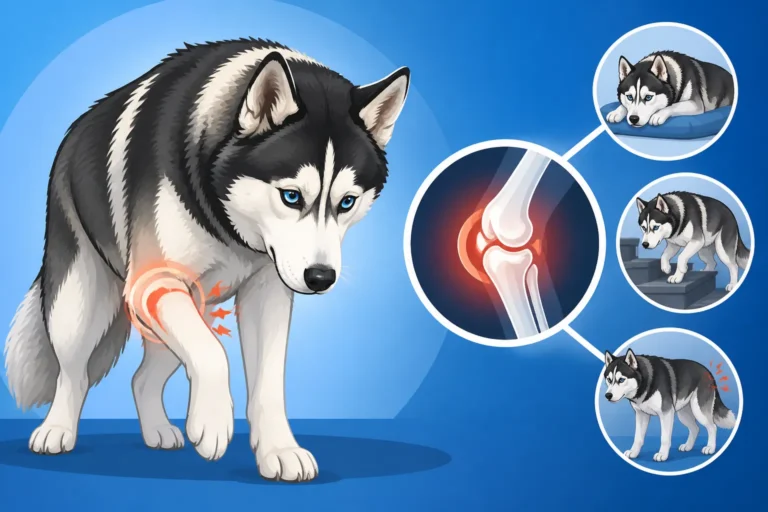
- Joint Issues: Excess weight puts incredible strain on joints, accelerating the onset and severity of conditions like arthritis. This is particularly concerning for an active breed that loves to run and jump.
- Diabetes: Obesity is a major risk factor for developing canine diabetes, a chronic condition requiring lifelong management.
- Heart Disease: Carrying extra pounds makes the heart work harder, increasing the risk of various cardiovascular problems.
- Respiratory Problems: Overweight dogs often have reduced lung capacity, leading to labored breathing and decreased stamina. This is especially dangerous for Huskies, who are already sensitive to heat.
- Increased Surgical Risk: Anesthesia risk, for example, is notably higher for overweight dogs, impacting everything from routine procedures to emergency surgeries, as highlighted in concerns like Anesthesia Risk in a Senior Siberian Husky.
- Reduced Quality of Life: Simply put, an overweight husky cannot enjoy life to its fullest. They'll have less energy for play, be less comfortable, and generally experience more aches and pains.
By understanding their unique metabolism and actively managing their diet and exercise, you can help your Siberian Husky stay lean, healthy, and enjoy a long, vibrant life by your side. It takes consistency and dedication, but the rewards are immeasurable.
Disclaimer
This article is for general informational purposes only and does not constitute professional advice. Laws, prices and regulations vary by location and change over time. Consult a qualified professional for guidance on your specific situation.