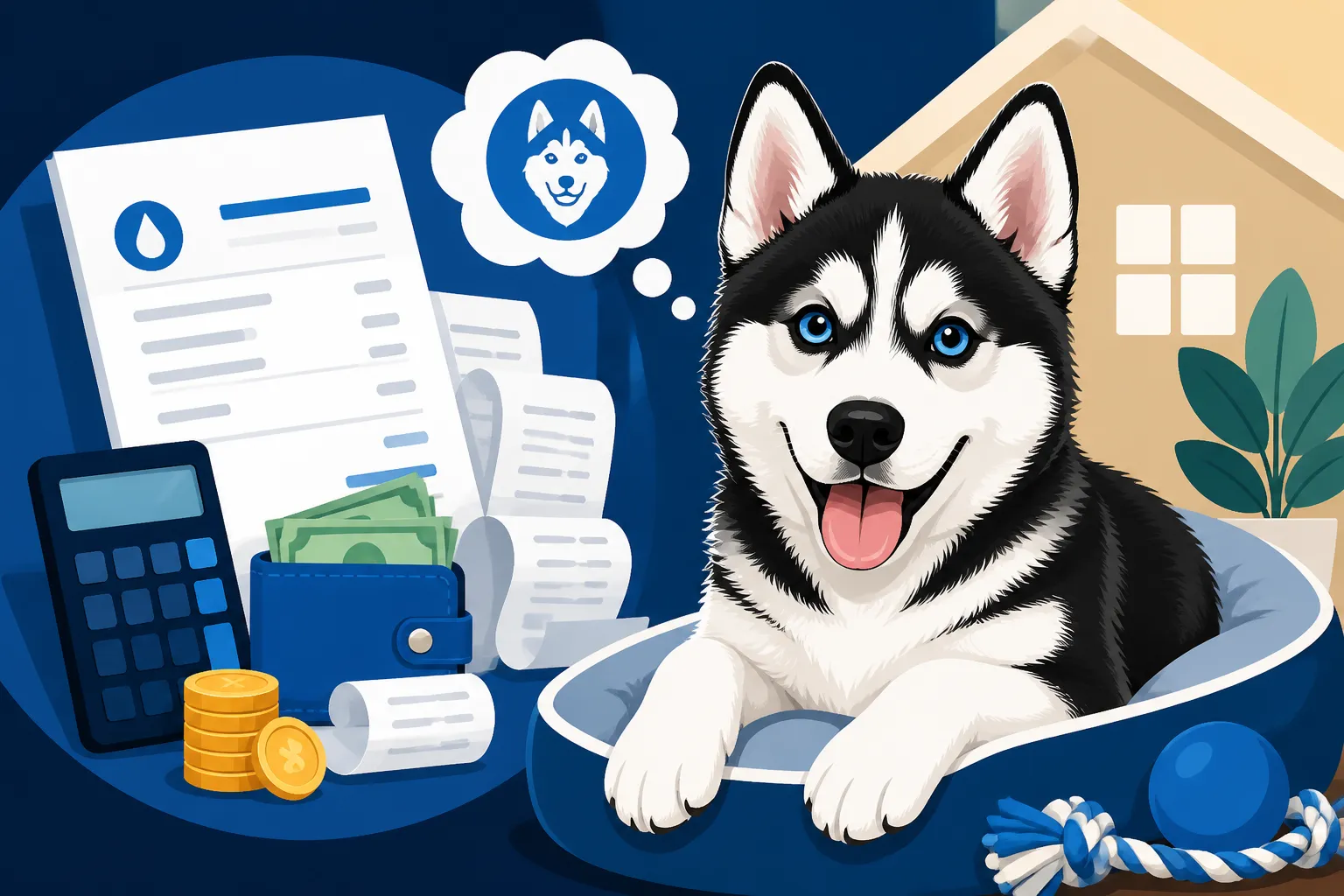
The Bills Before a Siberian Husky Comes Home
Bringing a Siberian Husky into your home is an incredibly exciting prospect, full of dreams of snowy adventures and devoted companionship. However, many hopeful owners underestimate the significant financial investment required before that fluffy bundle of energy even sets a paw inside. This guide will meticulously break down those often-overlooked pre-arrival bills, helping you budget wisely and ensure your new Husky has everything they need for a safe, healthy, and happy start.
Initial Acquisition Costs: Puppy or Rescue?
The very first bill you'll face is, of course, the cost of bringing your Husky home, whether that's from a reputable breeder or a dedicated rescue organization. It’s easy to focus solely on this number, but it's crucial to understand what you're paying for and what additional costs will immediately follow.
Breeder Expenses
If you’re dreaming of a tiny, fluffy Siberian Husky puppy, you'll be looking at breeder prices. These can vary wildly, often depending on the lineage, the breeder's reputation, health testing of the parents, and even regional demand. A well-bred puppy from a responsible breeder will almost certainly cost more upfront than one from a less diligent source, and for good reason. They've invested in health clearances, proper nutrition for the mother, and early socialization for the pups. Don't be tempted by suspiciously low prices, as these often come with hidden health or behavioral problems down the line, turning a "bargain" into a long-term financial nightmare. You might want to read our article on Why a Cheap Siberian Husky Puppy Is a Warning for more insights into this.
Beyond the sticker price, many breeders require a non-refundable deposit to reserve a puppy from an upcoming litter. This deposit secures your spot and commits you to the purchase. Before you even visit, ensure the breeder provides evidence of appropriate health testing for the parent dogs, particularly for common Siberian Husky issues like eye disease. Understanding what goes into Health Testing Before You Buy a Siberian Husky can help you discern a responsible breeder from one who is cutting corners.
Rescue Adoption Fees
Choosing to adopt a Siberian Husky from a rescue can be a incredibly rewarding experience, offering a loving home to a dog in need. While adoption fees are generally lower than breeder prices, they are still a significant initial investment. These fees aren't about profit; they go towards covering the extensive costs the rescue incurs for each dog. This typically includes a thorough veterinary check-up, spaying or neutering, up-to-date vaccinations, microchipping, and often addressing any immediate health concerns or behavioral assessments the dog might need.
Rescue organizations often pour a tremendous amount of resources into preparing their dogs for new homes, ensuring they are healthy and as well-adjusted as possible. So, while you're saving a life, you're also benefiting from the comprehensive care your new companion has already received. You might be surprised at the amount of effort and money that goes into saving a single dog, so these fees are vital for their continued work. For a deeper dive into what these costs cover, check out our piece on Rescue Fees for an Adult Siberian Husky.
Initial Veterinary and Health Investments
Even if your new Husky comes with a clean bill of health from the breeder or rescue, there are immediate veterinary steps you need to take upon their arrival to ensure a smooth transition and proactive care.
First Vet Check-up and Vaccinations
Within the first few days of bringing your Siberian Husky home, scheduling an initial vet check-up is absolutely non-negotiable. This isn't just a formality; it's a critical step to establish a baseline for your dog's health and to catch any potential issues early. Your vet will conduct a full physical examination, discuss their previous medical history (if known), and make recommendations for any further vaccinations or parasite treatments needed.
For puppies, this initial visit is crucial for continuing their vaccination schedule and beginning regular deworming. Even if they've had their first rounds, a new vet will want to confirm everything and plan the next steps. For adult rescues, the vet will verify their health records and ensure they're fully protected. It's a proactive measure that can save you significant heartache and expense down the road by catching problems before they escalate. You can learn more about the importance of timely vaccinations in our article on Vaccinating a Siberian Husky Puppy on Schedule.
Microchipping and ID
While many rescues and some breeders will microchip their dogs before adoption, it's essential to confirm this and register the microchip in your name immediately. A microchip is a tiny, permanent form of identification that can be scanned by veterinary clinics or shelters, greatly increasing the chances of your Siberian Husky being returned to you if they ever get lost. Given the Husky's notorious escape artist tendencies and strong prey drive, this is an absolutely vital pre-emptive measure.
Beyond the microchip, ensure you have a sturdy collar with an ID tag clearly displaying your current contact information. This visible form of identification is often the first thing people look for if they find a lost dog. It's a small cost for immense peace of mind. Even if your dog is chipped, a visible tag can prevent them from even needing a scanner to find their way home.
Essential Gear and Home Preparations
Before your Siberian Husky even crosses the threshold, you'll need a range of essential supplies to make their new environment safe, comfortable, and stimulating. These aren't luxuries; they are fundamental necessities for a happy Husky household.
Crate and Bedding
A sturdy, appropriately sized crate is an absolute must-have for a Siberian Husky, especially during their puppy and adolescent phases. Huskies are known for their Houdini-like abilities, so investing in a heavy-duty, secure crate from the start can save you a world of trouble. Look for crates made with thick wire or, for extreme escape artists, even solid construction. This isn't just for containment; a crate provides a safe den-like space for your Husky, aids in house-training, and can prevent destructive behaviors when you can't directly supervise them. You definitely want to avoid flimsy options, as a determined Husky can bend bars and escape faster than you might imagine. For more on this, check out Crates a Siberian Husky Cannot Break Out Of.
Inside the crate, or in their designated sleeping area, provide comfortable and durable bedding. Huskies have thick coats, so they might not need overly plush beds, but something washable and resistant to chewing is ideal. Keep in mind that some Huskies will meticulously un-stuff and destroy bedding, so opt for something practical over overly fancy.
Food and Bowls
Even if your breeder or rescue sends you home with a small supply of their current food, you'll need to have a larger bag on hand. Research good quality kibble brands that cater to active breeds, or consider fresh food options like those offered by Ollie, which can be tailored to your Husky's specific metabolic needs. Siberian Huskies have efficient metabolisms, so the general feeding guidelines on food bags often lead to overfeeding. Be prepared to monitor their weight and adjust portions accordingly. You'll also need sturdy food and water bowls. Stainless steel is often recommended for hygiene and durability. For fast eaters, a slow-feeder bowl can be a good investment to prevent gulping and potential digestive upset. You can find many great options and learn about food quantity in our article Monthly Food Spend for an Adult Siberian Husky.
Collar, Leash, and Harness
Every Siberian Husky needs a secure collar, a durable leash, and a well-fitting harness. Given their strong pulling instinct and incredible talent for slipping out of collars, this is not an area to skimp on quality. Many Husky owners find martingale collars indispensable for walks, as they tighten slightly to prevent escape without choking the dog. A front-clip harness can also be very effective in managing their pulling power, guiding them from the chest rather than allowing them to lean into a traditional back-clip harness.
Invest in a strong leash, preferably one that is six feet long and made of nylon or leather, to provide both control and a bit of slack for sniffing. Retractable leashes are generally discouraged for Huskies due to the lack of control they offer and the potential for injury. For training recall, especially in large, open, and secure areas, a long line (30-50 feet) is another crucial piece of equipment you'll want to purchase before your Husky's arrival. This allows them to practice distance recalls safely. Read more about specific collar types in Martingale Collars for a Siberian Husky.
Toys and Chews
Siberian Huskies are intelligent and require mental and physical stimulation to prevent boredom, which often manifests as destructive behavior. Stock up on a variety of durable toys before they arrive. Think puzzle toys that dispense treats, tough rubber chew toys, and perhaps some ropes for tug-of-war. Avoid flimsy toys that will be shredded in minutes.
Chew toys are especially important for puppies going through teething, but even adult Huskies benefit from having appropriate outlets for their chewing instincts. Rotate toys regularly to keep things fresh and interesting, and always supervise new toys to ensure they are safe and durable enough for your specific dog.
Securing Your Home and Yard
This category is non-negotiable for Siberian Husky owners. Their innate desire to roam, incredible athleticism, and digging prowess mean that standard fences and household security are often no match for a determined Husky. Prioritizing these preparations before your Husky arrives can prevent heartbreaking escapes and costly damages.
Fence Reinforcement
If you have a yard, assume your Siberian Husky will test every single weakness in your fence. They are notorious climbers, jumpers, and diggers. A standard four-foot fence is usually insufficient; a minimum of six feet is generally recommended. But height isn't enough. Consider adding an "L-footer" or burying chicken wire along the base of your fence to prevent digging underneath. These involve extending the fence material or another barrier horizontally underground or along the ground inside the fence line, making it impossible for a Husky to dig a tunnel out.
Gate security is paramount. Huskies are surprisingly adept at opening latches, so double-locking mechanisms or heavy-duty carabiners are often necessary. Check for any gaps or weak spots that could be exploited. This proactive approach to securing your perimeter is an investment in your Husky’s safety and your peace of mind. For comprehensive advice on securing your yard, delve into The Six-Foot Fence a Siberian Husky Needs and Stopping a Siberian Husky Digging Along the Fence.
Indoor Proofing
It’s not just the yard you need to secure. A bored or anxious Siberian Husky can inflict surprising damage indoors. Before they arrive, survey your home with a critical eye. Are there valuable items within reach? Wires that could be chewed? Low shelves with breakable objects? Huskies are known for scratching doors, chewing trim, and even tearing up carpets or flooring if left unsupervised or under-exercised.
Consider baby gates to restrict access to certain areas, especially when you're not home. Dog-proof trash cans are also a wise investment. Think about temporary covers for windows or doors if your Husky is likely to scratch at them. The goal is to minimize temptations and potential hazards, giving your Husky appropriate outlets for their energy and curiosity, rather than letting them discover the structural integrity of your home.
Initial Training and Socialization Investments
Setting your Siberian Husky up for success involves more than just physical needs; it requires an investment in their mental and social development from day one. Early training and socialization are crucial, and sometimes, this means bringing in professional help.
Puppy Classes or Trainer Consultations
For puppies, enrolling in a positive reinforcement puppy socialization class as soon as they are fully vaccinated is highly recommended. These classes provide a safe, structured environment for your pup to interact with other dogs and people, learning crucial social skills during their critical developmental window. They also offer invaluable guidance for you, the owner, on basic obedience, house-training, and addressing common puppy behaviors.
For adopted adult Huskies, or if group classes aren't feasible, consider an initial consultation with a professional dog trainer who has experience with northern breeds. Huskies have a unique blend of intelligence and independence, and a trainer can help you understand their specific motivators and challenges. Investing in training early on can prevent more serious behavioral issues from developing, which are far more difficult and expensive to fix later. A trainer can provide tailored advice on navigating their distinct personality.
Long Lines and Recall Gear
We touched on long lines earlier, but their importance for a breed with such a powerful prey drive and wanderlust cannot be overstated. A long line isn't just for practice; it's a safety tool. Before your Husky arrives, have a 30 to 50-foot long line ready for safe outdoor exploration in open areas. This allows them to experience a sense of freedom while still being securely attached to you.
Alongside the long line, consider investing in high-value training treats – something your Husky will find utterly irresistible. Given their independent nature, finding the right motivation is key to effective training, especially when teaching a reliable recall. Without these tools and a commitment to consistent, positive reinforcement training, your dream of a well-behaved Husky might quickly turn into a frustrating chase through the neighborhood. Our article Starting Long Line Work With a Siberian Husky offers practical advice on this training method.
Summary of Initial Siberian Husky Costs
To give you a clearer picture, here's a general overview of the bills you might face before your Siberian Husky comes home. Keep in mind these are estimates and can vary significantly based on location, breeder/rescue, and product choices.
| Category | Estimated Puppy Cost (Breeder) | Estimated Adult Cost (Rescue) | What It Covers |
|---|---|---|---|
| Acquisition | Moderate to High | Low to Moderate | Puppy price or adoption fee, initial vet care included by rescue |
| First Vet Visit & Shots | Moderate | Often covered by rescue | Initial check-up, deworming, continuation of vaccine series |
| Microchip & ID Tag | Low | Often covered by rescue | Chip registration, durable collar & tag |
| Crate & Bedding | Moderate | Moderate | Secure, durable crate and chew-resistant bedding |
| Initial Food Supply | Low to Moderate | Low to Moderate | First bag/delivery of quality kibble or fresh food (e.g., Chewy, Ollie) |
| Collar, Leash, Harness | Low to Moderate | Low to Moderate | Martingale collar, secure harness, 6ft leash, long line |
| Toys & Chews | Low to Moderate | Low to Moderate | Durable chew toys, puzzle feeders |
| Fence Reinforcement | Variable (High potential) | Variable (High potential) | L-footers, gate locks, burying wire for digging prevention |
| Indoor Proofing | Low to Moderate | Low to Moderate | Baby gates, trash cans, protective coverings |
| Training (Optional/Initial) | Moderate | Moderate | Puppy classes, initial private trainer consultation |
Remember, these are just the costs before your Husky comes home. Long-term costs, including ongoing food, regular vet care, grooming, and potential pet insurance from providers like Healthy Paws, will continue throughout their lifespan. Planning for these initial bills is the first step in responsible Siberian Husky ownership and sets the foundation for a wonderful life together.
Disclaimer
This article is for general informational purposes only and does not constitute professional advice. Laws, prices and regulations vary by location and change over time. Consult a qualified professional for guidance on your specific situation.