Zinc Dermatosis and Siberian Husky Claims
The moment you notice crusting skin around your Siberian Husky's muzzle or eyes, a sinking feeling can set in. You know something's wrong, and a trip to the vet is inevitable, often leading to a diagnosis of Zinc-Responsive Dermatosis, or ZRD. This guide will walk you through what ZRD means for your Husky, the often-surprising costs involved, and how pet insurance might (or might not) help ease the financial burden of managing this chronic condition.
Understanding Siberian Husky Zinc-Responsive Dermatosis
Siberian Huskies are magnificent dogs, known for their striking eyes, plush coats, and boundless energy. However, like many purebreds, they come with a predisposition to certain health conditions, and Zinc-Responsive Dermatosis (ZRD) is unfortunately one of the more common ones. This isn't just a simple skin rash; it's a genetic metabolic issue that means their bodies simply can't absorb zinc effectively from their diet, no matter how balanced or high-quality that diet might be. It’s a lifelong condition that requires ongoing management, and understanding it is the first step in providing your Husky with the best quality of life.
Why Huskies Are Prone to Zinc-Responsive Dermatosis
It's a common misconception that ZRD is caused by a poor diet lacking in zinc. While true zinc deficiency can occur in any dog fed a truly inadequate diet, in Siberian Huskies, it's almost always about absorption. Their digestive systems, due to a genetic quirk, struggle to take up and utilize zinc from food, even when ample amounts are present. Think of it like a leaky faucet – you can fill the bucket with water, but if the faucet leaks, the bucket will never stay full. Their bodies just can't hold onto enough of this crucial mineral.
This genetic predisposition means that even a Husky eating a top-tier kibble or a perfectly balanced raw diet can develop ZRD. It’s not about blame; it’s about biology. This is why a simple dietary change isn't enough to fix it; most Huskies with ZRD will require lifelong zinc supplementation. This genetic factor also highlights the importance of Health Testing Before You Buy a Siberian Husky, as responsible breeders strive to minimize such conditions in their lines.
Recognizing the Symptoms and Diagnosis
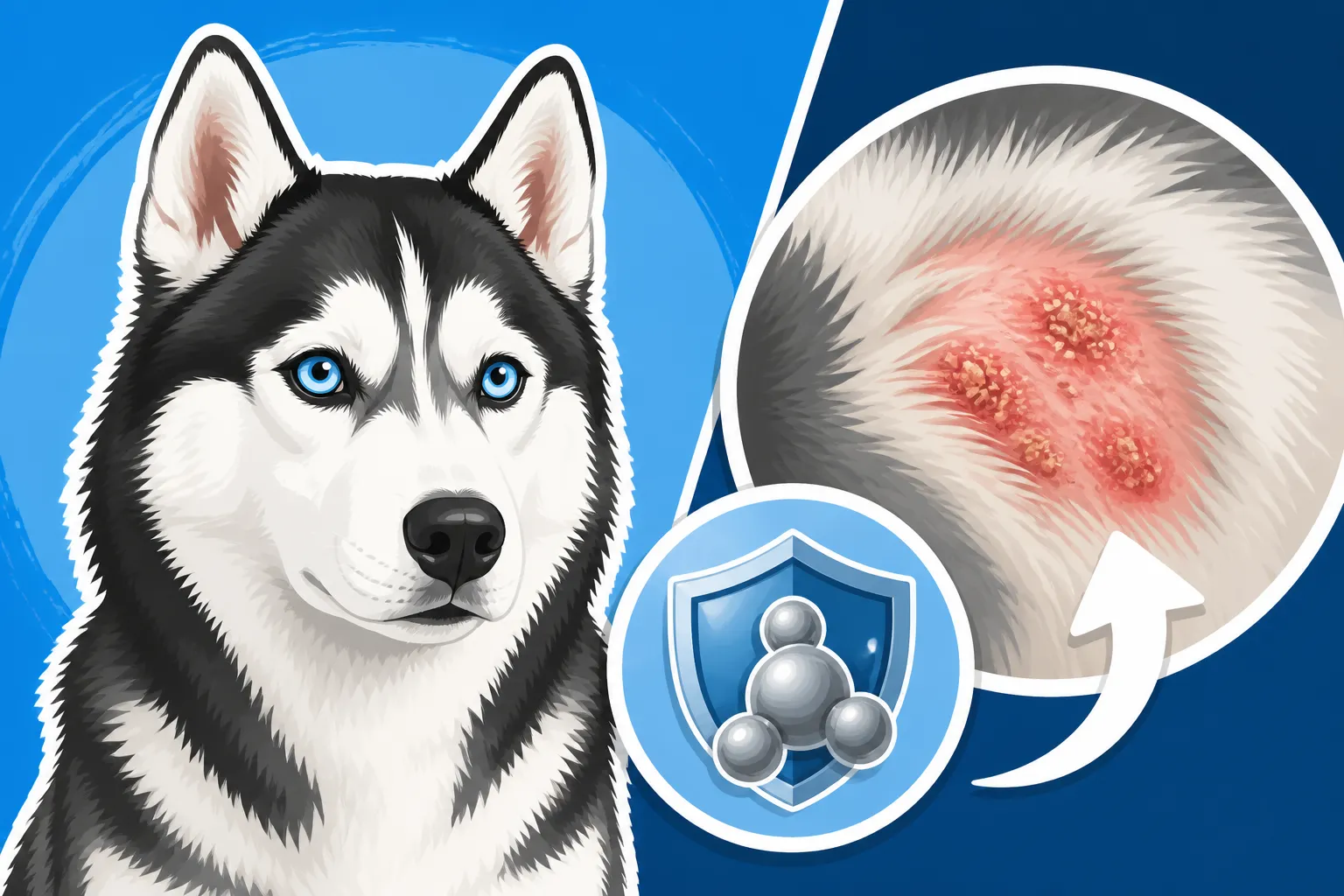
ZRD typically manifests as skin lesions, often symmetrical, and concentrated around areas of the face like the muzzle, eyelids, and chin. You might also see it on the ears, elbows, hocks, and other pressure points. What does it look like? Imagine crusting, scaling, hair loss, and redness. The skin can become thickened, cracked, and sometimes very itchy and painful. Owners often mistake early signs for allergies, food sensitivities, or even an external parasite infestation, leading to delays in proper diagnosis.
When you bring your Husky to the vet with these symptoms, they'll likely run a series of tests to rule out other skin conditions. A definitive diagnosis often involves a skin biopsy, where a small tissue sample is taken and examined under a microscope. This biopsy can show characteristic changes in the skin cells that point directly to ZRD. Blood tests might also be used to assess zinc levels, though these aren't always conclusive on their own due to the complex nature of zinc metabolism. Once diagnosed, your vet will prescribe a specific zinc supplement, and often, initial treatment might include antibiotics if secondary bacterial infections have set in due to the compromised skin barrier. The immediate relief once proper supplementation begins can be quite dramatic, which is often a strong indicator that ZRD was indeed the culprit.
The Financial Burden of Managing ZRD
Getting a diagnosis for Zinc-Responsive Dermatosis in your Siberian Husky can be a relief because you finally have answers, but it also opens the door to a new set of ongoing expenses. This isn't a one-and-done treatment; it's a chronic condition, much like diabetes in humans, requiring continuous care. Over the lifespan of your dog, these costs can add up, becoming a significant part of your overall The Yearly Cost of Owning a Siberian Husky. It’s vital to be prepared for this reality.
Initial Diagnostics and Treatment Costs
The road to a ZRD diagnosis can start with several general vet visits for unexplained skin issues. Each of these visits incurs consultation fees. Then come the diagnostic tests: skin scrapes to rule out mites, fungal cultures for ringworm, blood panels, and potentially that all-important skin biopsy. Biopsies involve sedation or anesthesia, the procedure itself, and then the pathology lab fees. All these steps, while necessary, quickly add up. You might also be sent home with various creams, special shampoos, or antibiotics for secondary infections before a definitive ZRD diagnosis is even reached.
Once ZRD is confirmed, the immediate treatment typically involves starting a zinc supplement. Your vet will prescribe a specific type and dosage, which is crucial because not all zinc supplements are created equal, and incorrect dosing can be ineffective or even harmful. There might also be follow-up vet visits to monitor your Husky's response to the zinc and adjust the dosage as needed. This initial phase, from first symptom to stable management, can be the most intense financially.
Ongoing Medication, Supplements, and Special Care
After the initial treatment, the costs shift to the long-term maintenance of ZRD. Your Husky will likely need zinc supplementation for the rest of their life. While a single bottle of zinc might seem inexpensive, these are not one-time purchases; they become a standing monthly or bimonthly bill. Depending on the size of your Husky and the required dosage, Zinc Doses Used in Siberian Huskies can vary, impacting the cost.
Beyond the core zinc supplements, some owners explore additional supportive therapies. This might include special diets aimed at improving skin health, which can be pricier than standard kibble. You might find yourself regularly ordering specific supplements or prescription diets from online retailers like Chewy. Some owners explore fresh food options, perhaps through services like Ollie, to see if dietary changes can support zinc absorption, though the primary treatment will remain the zinc supplement itself. Periodic blood tests might be recommended to monitor zinc levels and liver function, adding to the routine vet check-up expenses. And, should a flare-up occur, with new crusting or secondary infections, you'll be looking at additional vet visits, antibiotics, or medicated topical treatments. This highlights why understanding Whether a Husky Needs Zinc for Life is so important for budgeting.
| Cost Category | Initial Phase (Diagnosis & Stabilization) | Ongoing Phase (Maintenance) |
|---|---|---|
| Veterinary Consultations | Multiple visits for symptom assessment and follow-up | Annual check-ups, occasional visits for flare-ups |
| Diagnostic Tests | Skin scrapes, fungal cultures, bloodwork, skin biopsy (with sedation/anesthesia) | Periodic blood tests to monitor zinc levels/organ function |
| Medications/Supplements | Initial zinc prescription, antibiotics for secondary infections, topical creams | Lifelong zinc supplementation, sometimes additional skin supplements |
| Specialized Diet | May be recommended for a short period or for long-term skin support | Ongoing purchase of prescription or specialized skin support foods |
| Other Care | Potentially medicated baths or specialized grooming | Routine grooming, attentive skin monitoring |
Navigating Pet Insurance Claims for ZRD
When faced with a chronic condition like Zinc-Responsive Dermatosis, many Siberian Husky owners naturally wonder if their pet insurance can help cover the costs. The answer is often nuanced and heavily dependent on when you enrolled your Husky and the specifics of your policy. It's a challenging area to navigate, and understanding the fine print can save you from unexpected financial strain. The goal of pet insurance is to help with unexpected illnesses and accidents, but ZRD, once diagnosed, becomes a known, ongoing factor.
The Challenge of Pre-Existing Conditions
The biggest hurdle for ZRD claims, and indeed for most chronic conditions, is the "pre-existing condition" clause found in virtually all pet insurance policies. Simply put, if your Husky showed any symptoms of ZRD, or was officially diagnosed with it, before your insurance policy's effective date and the end of its waiting periods, the condition will almost certainly be excluded from coverage. This means that all those ongoing zinc supplements, specialized vet visits for flare-ups, and diagnostic tests related to ZRD would be out-of-pocket expenses.
The tricky part is that sometimes early symptoms, like mild skin flakiness or sparse hair, might not be immediately identified as ZRD. However, if these symptoms were noted in your vet records before you got insurance, or during the waiting period, an insurer could still deny claims related to ZRD, even if the formal diagnosis came later. This is why it's so critical to consider pet insurance when your Siberian Husky is a healthy puppy, ideally before any minor health issues, even seemingly insignificant ones like a few dry patches on the nose, appear.
What to Look for in a Policy
If you're considering pet insurance for your Siberian Husky, especially if you're aware of breed predispositions like ZRD, you need to read the policy documents carefully. While ZRD might be excluded if it's pre-existing, a good policy can still be invaluable for covering new illnesses or accidents that might arise. Here’s what to pay attention to:
- Waiting Periods: All policies have waiting periods before coverage kicks in, usually 14 days for illness and sometimes shorter for accidents. Ensure you enroll your Husky as young and healthy as possible to get past these periods before any issues emerge.
- Coverage for Chronic Conditions: Look for policies that explicitly state they cover chronic conditions if they are not pre-existing. Most comprehensive plans will, but it's important to verify.
- Deductibles and Reimbursement: Understand your deductible (how much you pay before coverage starts) and your reimbursement percentage (what portion of the vet bill the insurer pays after the deductible).
- Annual Limits: Some policies have annual payout limits. If your Husky developed ZRD and it was covered, you'd want a high enough limit to cover ongoing zinc costs and potential flare-ups throughout the year.
Many pet insurance providers, like Healthy Paws, have clear policies on pre-existing conditions, making it vital to enroll your pet while they are young and healthy to maximize potential coverage for conditions that might develop later in life. This foresight can be a lifesaver for unexpected medical bills, though less so if ZRD is already a known issue.
Making a Claim and Documentation
If your Siberian Husky was enrolled in pet insurance before showing any signs of ZRD, and you believe it should be covered, meticulous documentation is your best friend. Every vet visit, every diagnostic test, every prescription for zinc or other medications should be clearly recorded and dated in your vet's records. When you submit a claim, you'll typically fill out a form and then your vet's office will send over your Husky's medical history.
The insurance company will review these records to determine if the condition meets their criteria for coverage and, crucially, if it originated after your waiting periods were satisfied and without any prior symptoms. This process can sometimes feel like an uphill battle, especially with chronic conditions that have subtle beginnings. Be prepared to provide detailed vet notes and, if necessary, discuss the timeline of symptoms and diagnosis with your insurer. Persistence and clear records are key to a smooth claims process, even for conditions like Zinc Dermatosis and Siberian Husky Claims.
Alternative and Supplemental Support for ZRD Management
Managing Zinc-Responsive Dermatosis in a Siberian Husky isn't just about giving a pill; it's a holistic approach that focuses on maintaining their overall health and skin integrity. While zinc supplementation is the cornerstone, thoughtful dietary choices and consistent preventative care can significantly contribute to their comfort and quality of life. This integrated approach can also potentially reduce the frequency and severity of flare-ups, which in turn helps manage long-term costs.
Dietary Considerations Beyond Supplements
While the primary issue in ZRD is zinc absorption, rather than a lack of zinc in the food, certain dietary choices can still play a supportive role in overall skin health. Your vet might recommend a high-quality diet specifically formulated for sensitive skin or those rich in omega fatty acids, which are known to support skin barrier function and reduce inflammation. These diets often contain easily digestible proteins and avoid common allergens, which can sometimes exacerbate skin issues.
Some owners also explore fresh or lightly cooked food options, believing that more bioavailable nutrients might aid general health. Brands like Ollie focus on human-grade ingredients and balanced formulations, which could be an option to discuss with your vet. However, it's crucial to understand that these dietary changes are supplementary to the prescribed zinc; they are not a replacement. Never stop zinc supplementation without explicit veterinary guidance. The goal is to provide the best possible nutritional foundation to complement the targeted zinc therapy and keep the skin as healthy as possible. Remember Why a Balanced Diet Does Not Fix Husky Zinc Loss entirely on its own.
Regular Monitoring and Preventative Care
Consistent monitoring and preventative care are paramount for a Husky with ZRD. This means adhering strictly to the prescribed zinc dosage and never missing a dose. Regular check-ups with your veterinarian will be necessary to assess your Husky's skin condition, monitor for any secondary infections, and potentially re-evaluate zinc levels or adjust dosages. You might also want to become familiar with checking your Husky's skin regularly, especially around the typical problem areas, so you can spot any early signs of a flare-up.
Keeping their skin clean with gentle, vet-approved shampoos can also help prevent secondary bacterial or yeast infections, which are common when the skin barrier is compromised. Maintaining a clean living environment and ensuring they have a comfortable, clean bed can reduce irritation on pressure points. Avoiding harsh chemicals or excessive bathing can also protect their delicate skin. Being proactive in these areas can prevent minor irritations from escalating into painful, costly infections.
Long-Term Outlook and Quality of Life
With proper diagnosis and consistent management, Siberian Huskies with ZRD can lead full, happy lives. The key is adherence to their zinc regimen and regular veterinary oversight. The skin lesions usually clear up significantly, and discomfort diminishes once the zinc levels are stabilized. It's a condition that requires lifelong attention, but it doesn't have to define your Husky's existence.
However, owners must remain vigilant. Any interruption in zinc supplementation can lead to a rapid return of symptoms. Stress, changes in diet, or even other illnesses can sometimes trigger a flare-up, requiring temporary adjustments to their care plan. The goal is to minimize these episodes and maintain a good quality of life. Understanding that ZRD is a manageable, chronic condition rather than a temporary ailment is crucial for long-term success, helping you and your beloved Husky navigate life together, comfortably and happily.
Disclaimer
This article is for general informational purposes only and does not constitute professional advice. Laws, prices and regulations vary by location and change over time. Consult a qualified professional for guidance on your specific situation.