Adjusting Siberian Husky Food After Neutering
Siberian Husky diet adjustment after neutering explains metabolic shifts, weight management, and safe food portion changes for the breed.
The daily stuff, done right.
Feeding amounts by life stage, coat and skin routines, dental and nail care, exercise needs, and what changes as they age.

Siberian Husky diet adjustment after neutering explains metabolic shifts, weight management, and safe food portion changes for the breed.
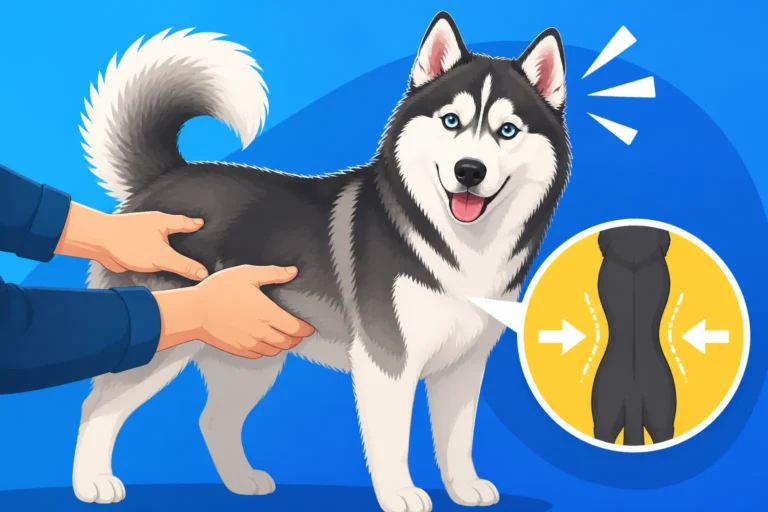
Siberian Husky weight evaluation uses a hands-on method letting owners feel for the ribs, spine, and waist under thick fur.
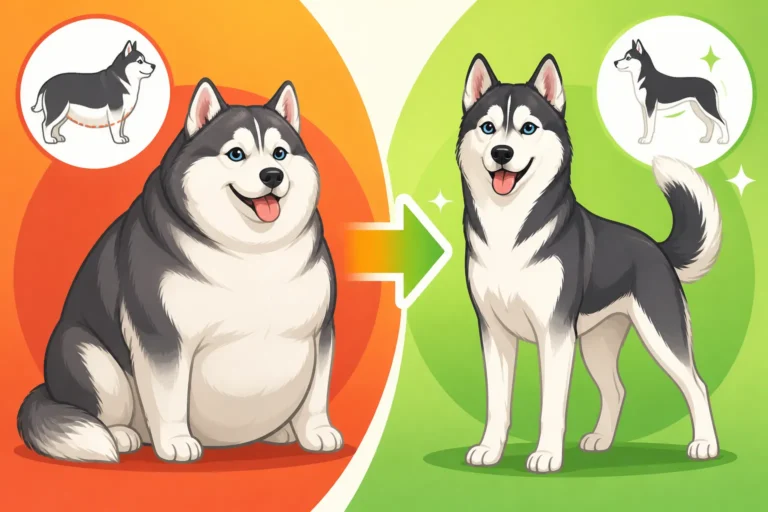
Siberian Husky weight loss methods explain metabolism myths, daily calorie amounts, and rib checks to help overweight dogs return to health.

Siberian Husky metabolism facts and AKC breed standards help owners identify healthy body condition and weight gain steps.

Siberian Husky eating habits, ancient metabolisms, and efficient energy use explain why these dogs rarely overeat standard food portions.

Siberian Husky metabolism, ancestral traits, and environmental factors explain why this breed often leaves food untouched in bowls.

Siberian Husky free feeding risks weight gain because efficient survival metabolisms require fewer calories than other dog breeds need.

Siberian Husky feeding schedules explain whether two daily meals or a single meal better fits their metabolism and prevents weight gain.

Weighing a Siberian Husky dog food portion with a digital scale prevents overfeeding caused by inaccurate scoop measurements.

Siberian Husky metabolism uses fat for fuel efficiently, explaining why this medium-large breed eats less than a Labrador.