The Only Places a Siberian Husky May Be Trimmed
Siberian Husky coat trimming guidelines explain the specific areas between paw pads where fur can be safely cut for hygiene.
The daily stuff, done right.
Feeding amounts by life stage, coat and skin routines, dental and nail care, exercise needs, and what changes as they age.
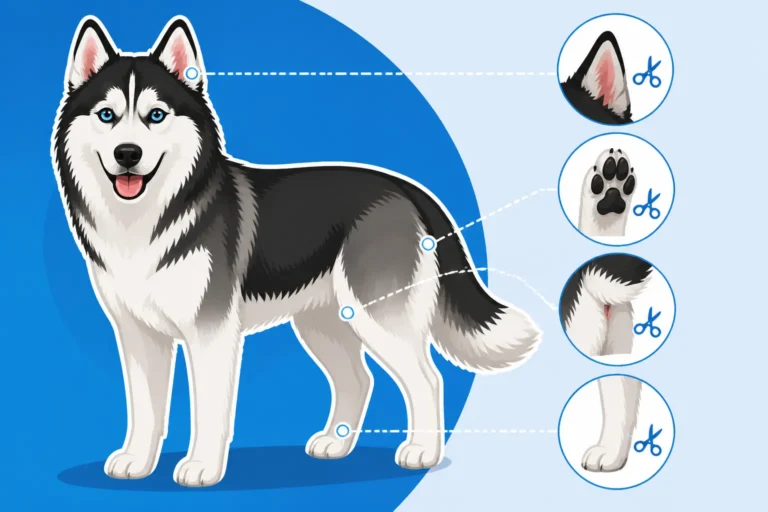
Siberian Husky coat trimming guidelines explain the specific areas between paw pads where fur can be safely cut for hygiene.
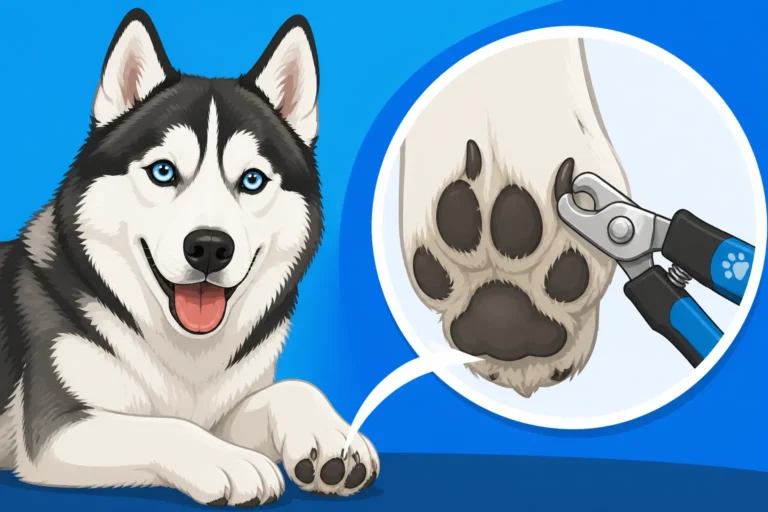
Trimming hair between a Siberian Husky’s paw pads improves comfort and health without the severe risks of a full body shave.
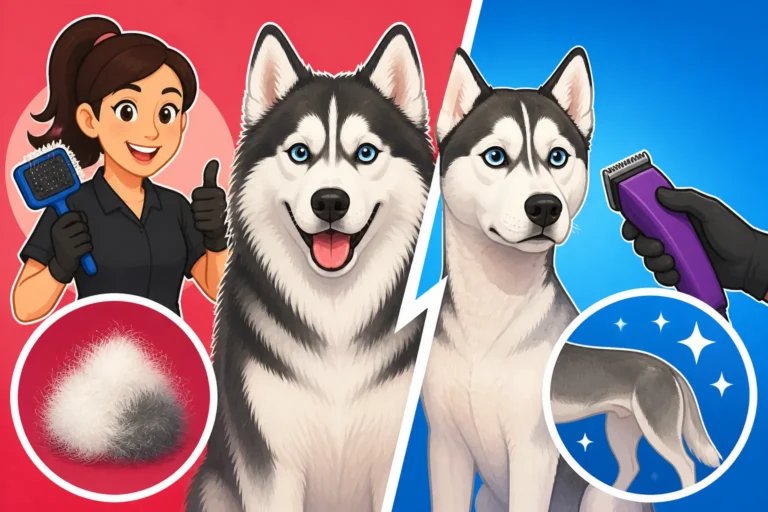
Groomers willing to shave a Siberian Husky destroy the natural double coat protection, leaving skin exposed to direct sunlight and heatstroke.
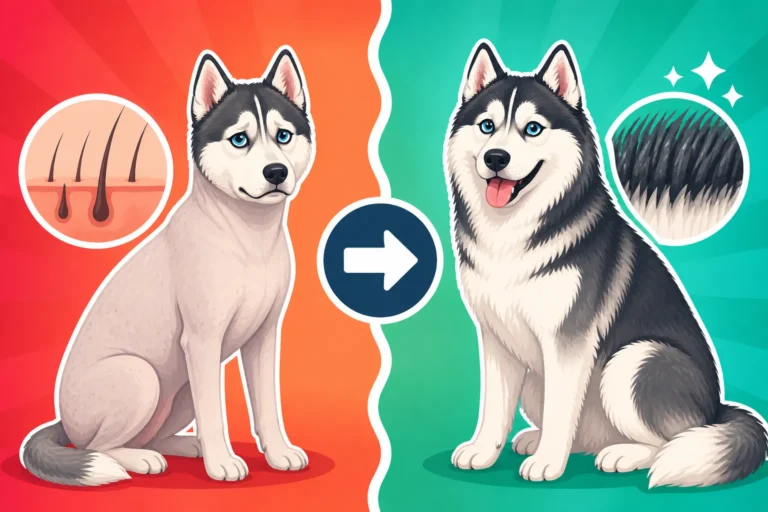
Siberian Husky coat recovery after shaving remains uncertain, explaining whether guard hairs and the undercoat ever grow back the same.
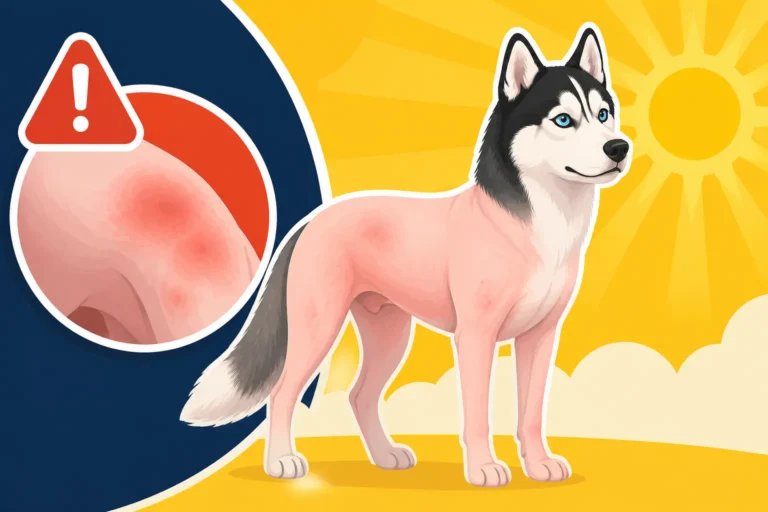
Shaving a Siberian Husky removes natural sun protection, exposing their delicate skin to painful sunburn and disrupting heat regulation.
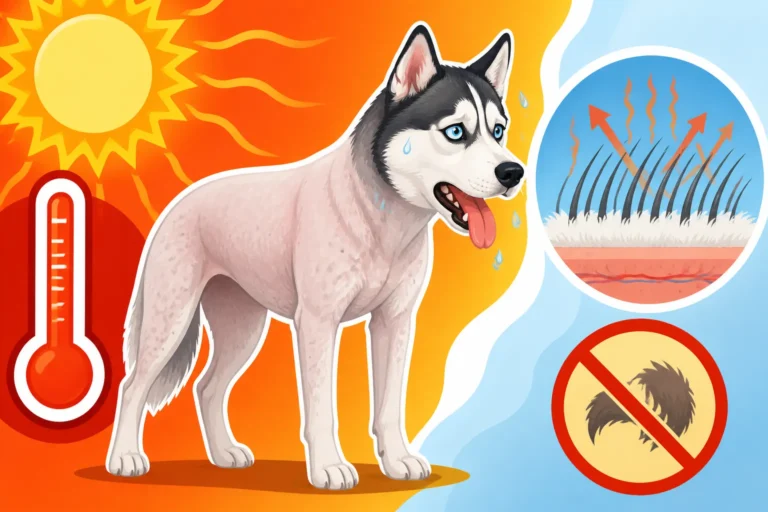
Shaving a Siberian Husky removes the double coat, disrupting natural thermoregulation and exposing skin to heat and sunburn.
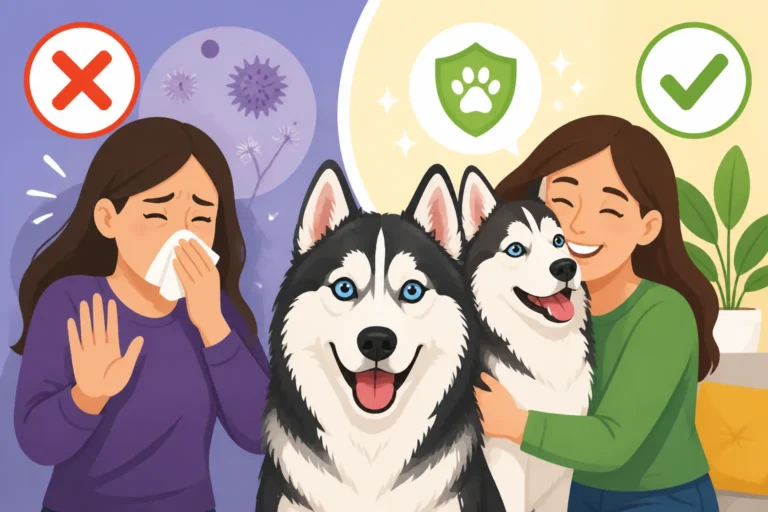
Siberian Husky allergies and heavy shedding explained, detailing how dog dander and double coats trigger allergic reactions.
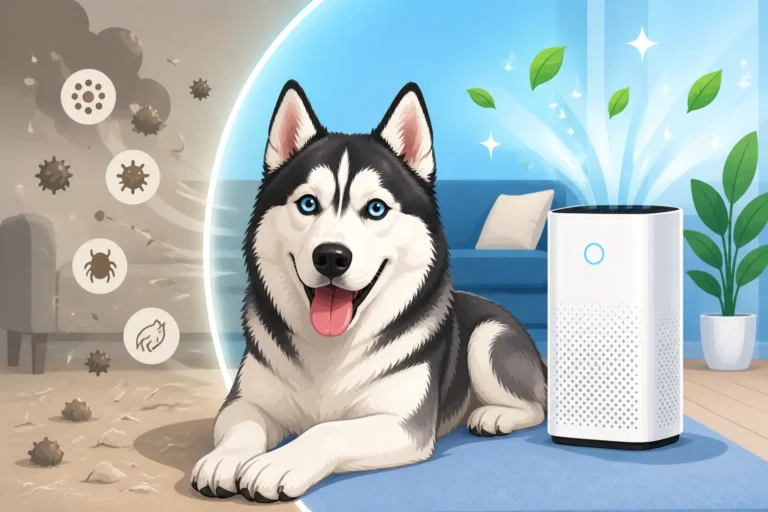
Air filters in Siberian Husky homes trap airborne fur, dander, and allergens released during twice-yearly seasonal coat blows.
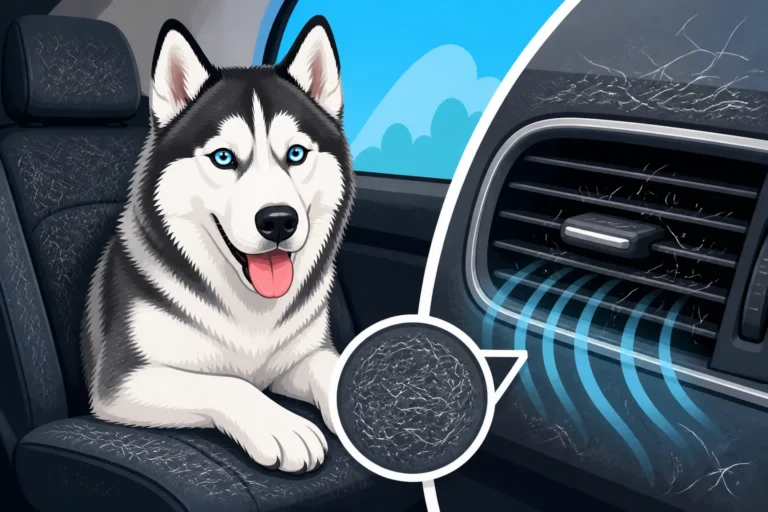
Siberian Husky double coat shedding causes car seat and vent fur accumulation, and removal strategies reduce vehicle hair.
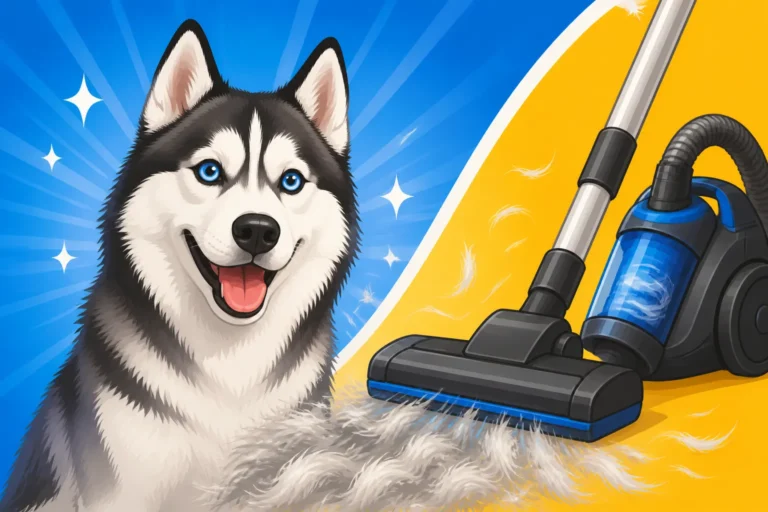
Siberian Husky double coat shedding requires specialized vacuums to remove dense undercoat hair from home carpets and furniture.