Force Drying a Siberian Husky After a Bath
Force drying a Siberian Husky removes trapped moisture from both coat layers to prevent painful hot spots and skin conditions.
The daily stuff, done right.
Feeding amounts by life stage, coat and skin routines, dental and nail care, exercise needs, and what changes as they age.
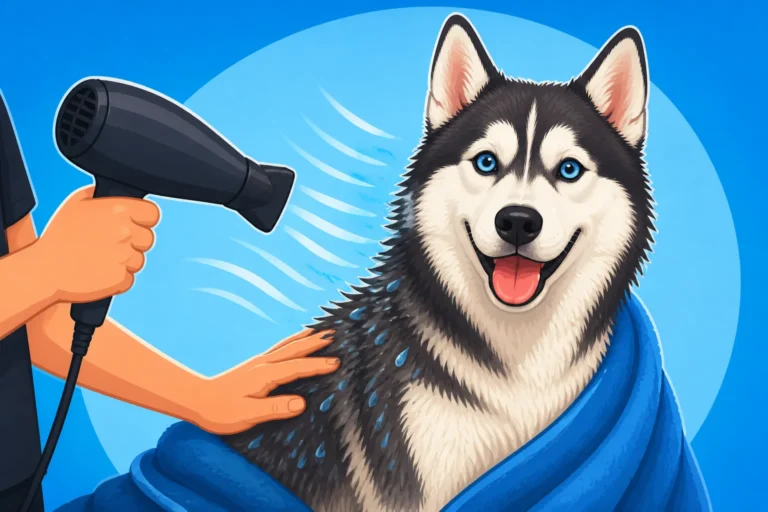
Force drying a Siberian Husky removes trapped moisture from both coat layers to prevent painful hot spots and skin conditions.
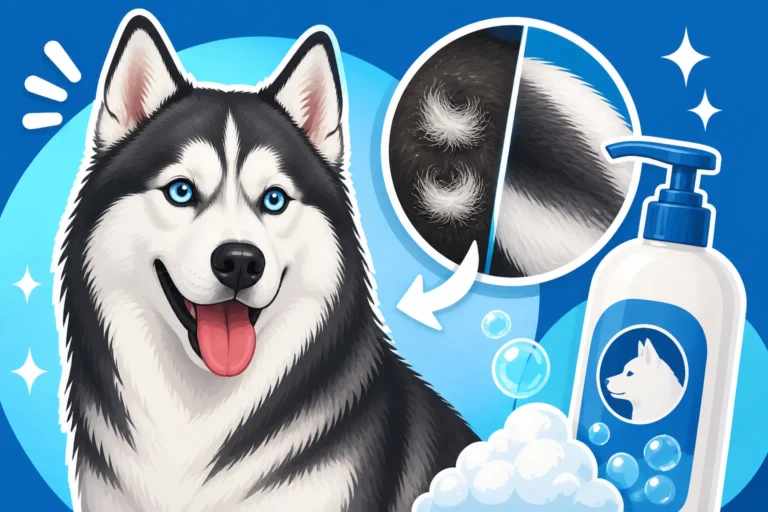
Deshedding shampoo for a Siberian Husky targets the dense woolly undercoat during spring and fall coat blow events to reduce loose fur.
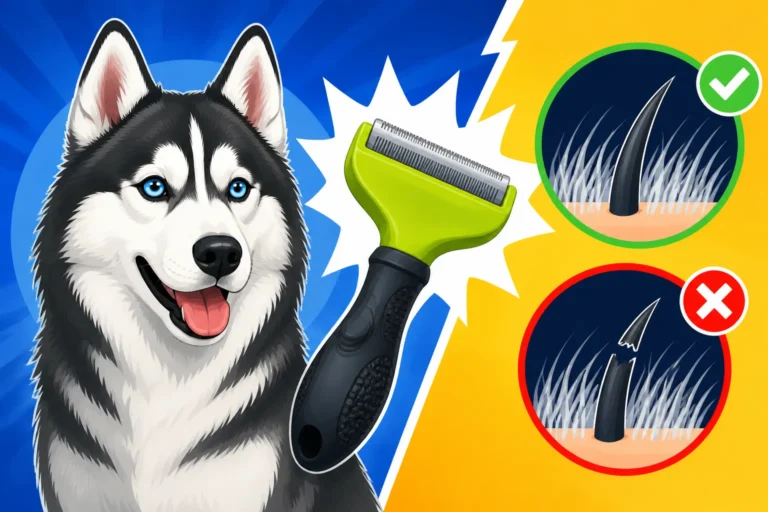
Siberian Husky double coat grooming explains how Furminator tools interact with outer guard hairs and woolly undercoats during seasonal shedding.
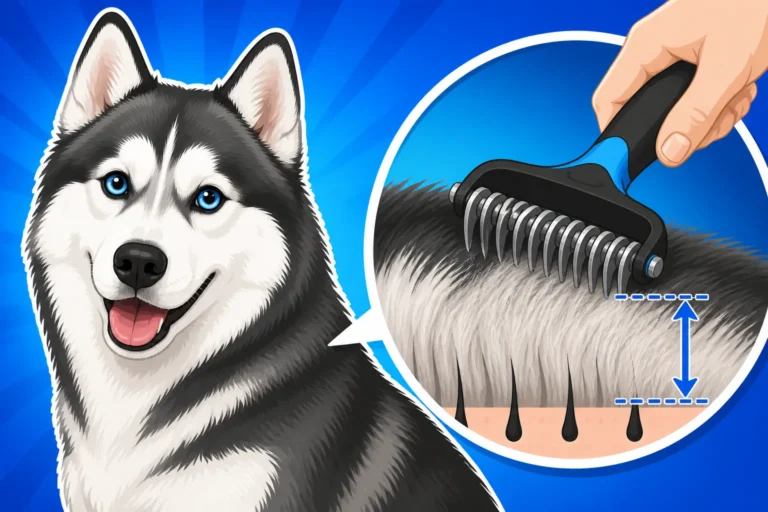
Proper undercoat rake depth on a Siberian Husky bypasses guard hairs to safely remove dense shedding winter insulation layers.

Daily Siberian Husky brushing for six weeks controls undercoat shedding, stops mats, and prevents skin irritations.

Spaying a Siberian Husky alters hormonal balance, potentially changing coat density, shedding patterns, and coat blow cycles.
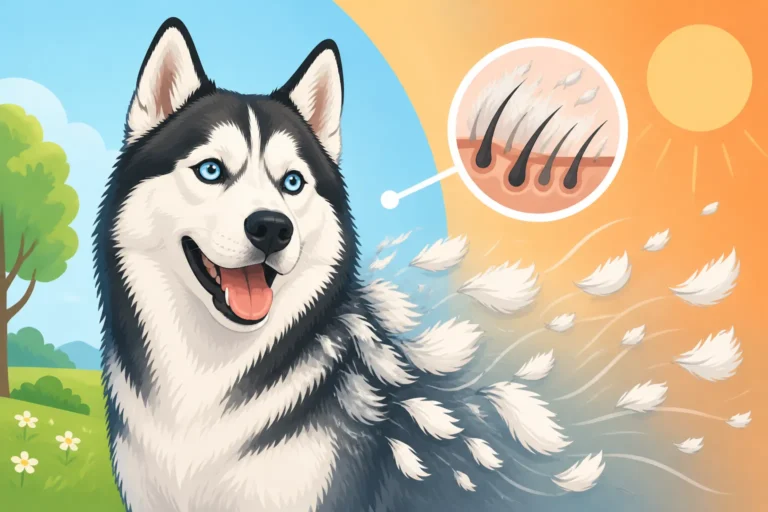
Siberian Husky off-season shedding occurs due to artificial lighting, indoor temperatures, and constant hair turnover confusing biological rhythms.
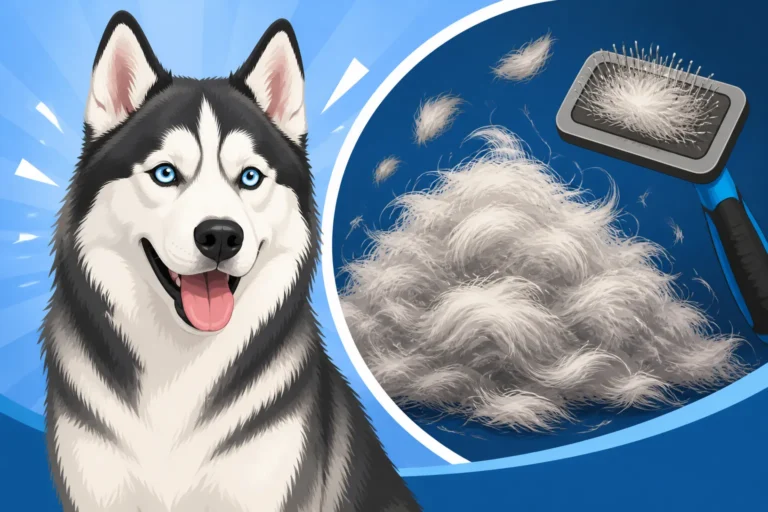
Siberian Husky shedding involves losing a staggering amount of dense, soft undercoat twice a year during seasonal coat blows.

Siberian Husky shedding cycles and double coat biology explain the spring and fall coat blow process and natural insulation layers.

Siberian Husky coat blows happen twice yearly in spring and fall, shedding thick undercoat layers to regulate body temperature.