Weight Gain in a Hypothyroid Siberian Husky
Hypothyroidism in Siberian Huskies causes weight gain and low energy when the underactive thyroid slows their metabolism.
Know what to watch for.
Breed-specific conditions, screening and DNA tests, what surgery actually costs, and the daily habits that stretch a healthy lifespan.
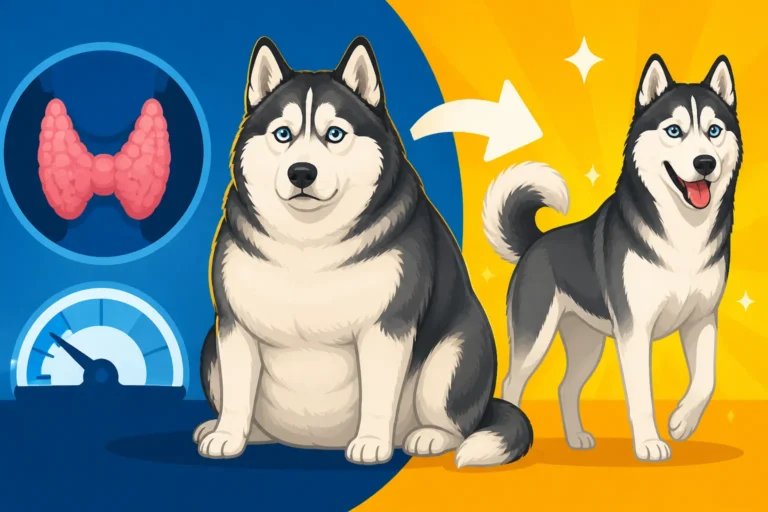
Hypothyroidism in Siberian Huskies causes weight gain and low energy when the underactive thyroid slows their metabolism.

Veterinary thyroid medication doses for a Siberian Husky require full thyroid panels to manage hypothyroidism symptoms accurately.

Siberian Husky hypothyroidism is frequently overdiagnosed due to naturally lower baseline thyroid hormone levels and unique breed physiology.

Thyroid blood panels for Siberian Huskies measure hormone levels to help diagnose hypothyroidism, low energy, and coat changes.
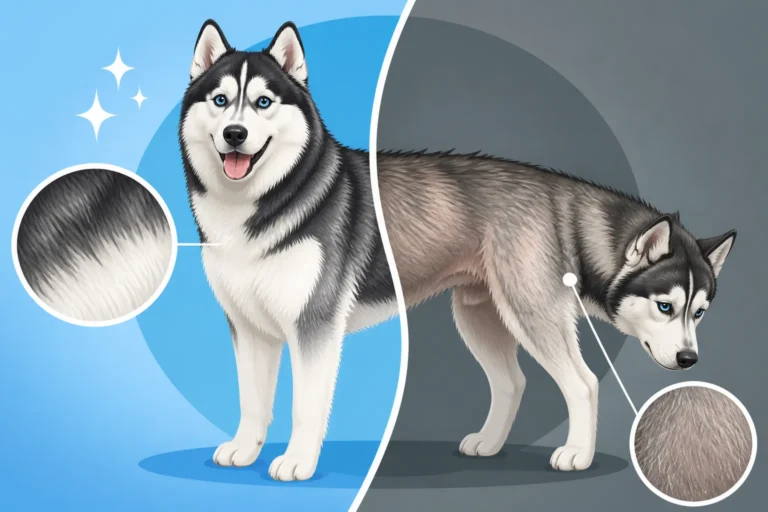
Siberian Husky coat health issues, common nutritional deficiencies, and practical steps to restore dull or thin double fur.
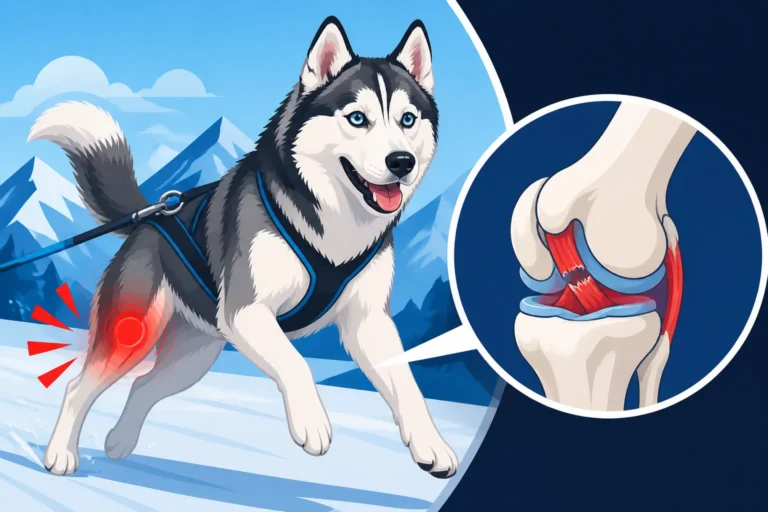
Cruciate ligament tears in working Siberian Huskies destabilize the stifle joint, causing tibia and femur pain and progressive arthritis.
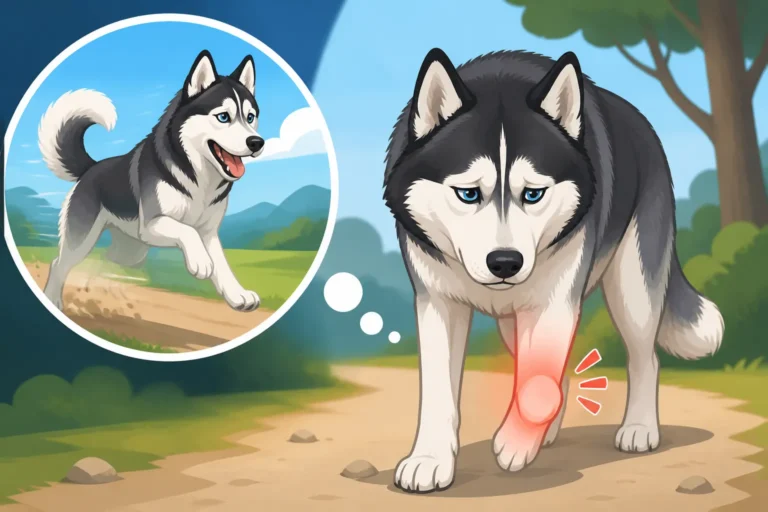
Siberian Husky post-run limping explains minor muscle fatigue, injuries, and when to seek veterinary attention for dogs.
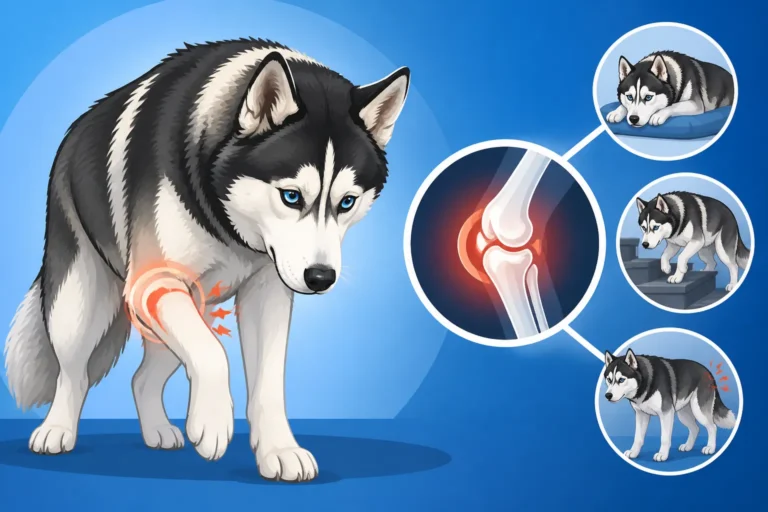
Early arthritis signs in a Siberian Husky include morning stiffness, hesitation before jumping, and pain in hips or elbows.

Siberian Husky breeders typically use OFA hip evaluations instead of PennHIP because the breed has low hip dysplasia rates.

Siberian Husky OFA certification requires specific dog ages for accurate orthopedic health and genetic disease screening results.