Searching for a Siberian Husky That Ran
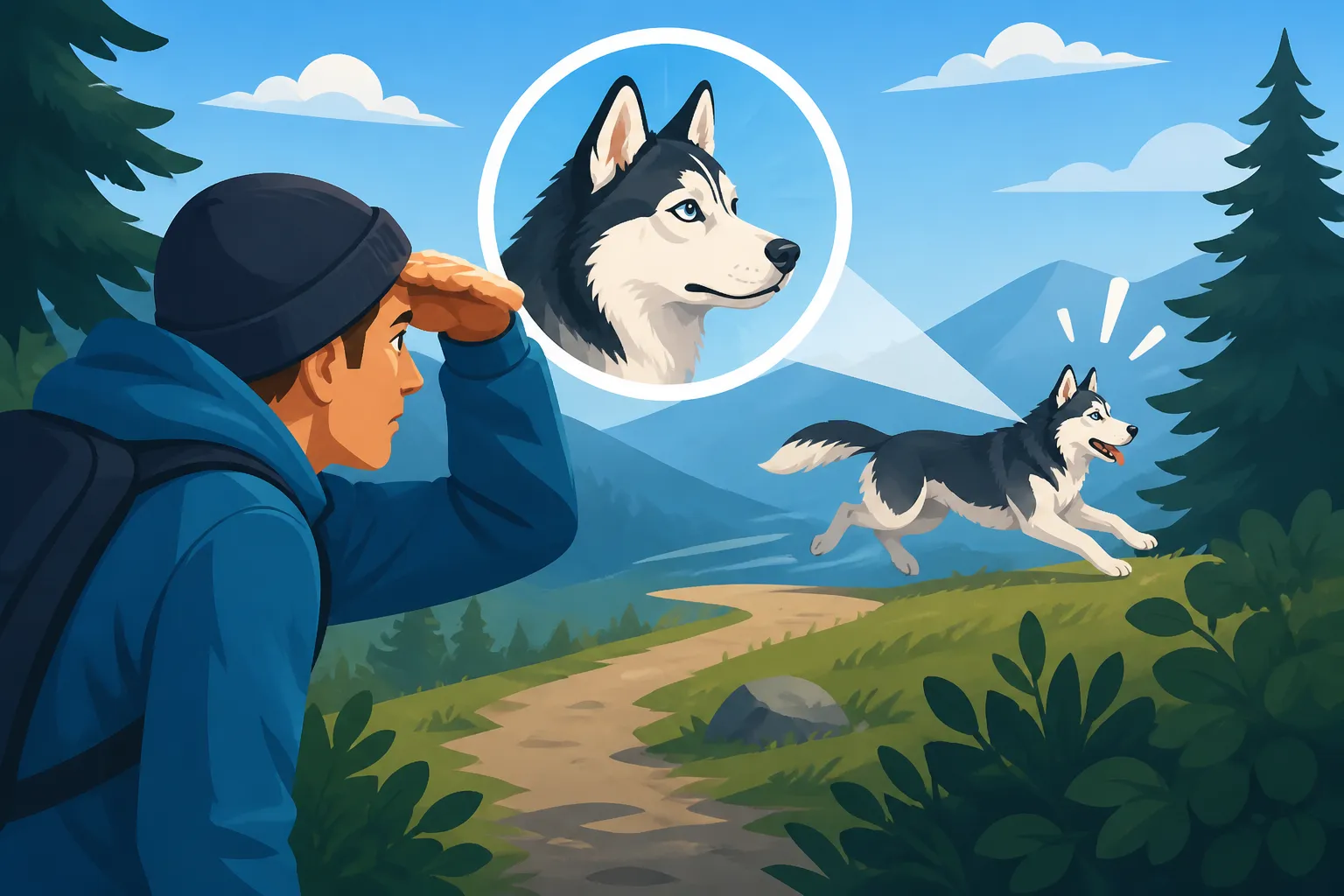
The moment you realize your Siberian Husky isn't just out of sight, but truly gone, is a gut-wrenching experience. That sudden, cold dread in your stomach, the frantic calls, the endless scanning of the horizon – it's a fear no dog owner wants to face. Huskies are notorious escape artists and wanderers, and finding one who has decided to embark on an adventure can feel like searching for a needle in a vast, snow-covered haystack. This guide is here to help you navigate those terrifying moments and give you actionable steps to bring your beloved four-legged family member home.
Understanding Why Your Siberian Husky Ran Off in the First Place
Before diving into the search, it helps to understand why your Siberian Husky might have bolted. This isn't about blame; it's about recognizing the deep-seated instincts that drive these incredible dogs, instincts that can make them incredibly challenging to contain. Knowing their motivations can actually help you anticipate their movements and areas they might be drawn to.
The Inherent Wanderlust and Prey Drive
Siberian Huskies were quite literally bred to run. Their ancestors spent centuries covering vast distances across frozen landscapes, pulling sleds and living a semi-nomadic existence with the Chukchi people. This isn't just a preference; it's an intrinsic part of their being, a deep, primal urge to explore what's over the next hill, down the next trail, or around the corner. When a gate is left ajar, or a fence post gives way, that ancient call of the wild is often too strong to resist. They don't run away because they don't love you; they run because their genetics are screaming, "Adventure awaits!"
Coupled with this wanderlust is an incredibly strong prey drive. That squirrel dashing across the yard, the rabbit darting into the bushes, or even a distant deer in a field – these are irresistible targets for a Husky. Once they lock onto a scent or sight, their focus narrows, and the chase instinct takes over completely. All training, all boundaries, all calls to "come!" can vanish in a puff of fur as they become single-minded hunters. This means a lost Husky might not be simply wandering; they could be actively pursuing something, which can lead them miles from home in an astonishingly short amount of time. If you’ve ever wondered Why Siberian Husky Recall Fails at the Worst Moment, this prey drive is often the culprit.
Houdini-Level Escape Artists
If you own a Siberian Husky, you know their reputation as escape artists is well-earned. They are intelligent, persistent, and incredibly resourceful. A flimsy fence or a simple latch is merely a puzzle to be solved, not an insurmountable barrier. Many Husky owners can share stories of their dogs learning to unlatch gates, chew through wooden fences, or scale chain link with surprising agility. They will test every weak point in your yard, every loose board, every slightly open window.
Digging is another primary method of escape. Their powerful paws and strong instincts mean they can excavate impressive tunnels in very little time. An L-footer or buried wire along your fence line might seem like overkill to some breeds, but for a Husky, it's often a necessary deterrent to prevent them from simply tunneling under your perimeter. A Husky who goes missing might have simply found the one spot in the fence line you hadn't reinforced yet, or they might have slipped past you when you opened the door for just a second too long. It's not malicious; it's just how they're wired.
The "Deaf Ear" Phenomenon: Why Recall Fails
It's a common, heartbreaking scenario: your Husky gets out, you call their name, and they look at you, maybe even wag their tail, before turning and running even faster in the opposite direction. This isn't because they're spiteful or untrained; it's a testament to their independent nature and the fact that whatever external stimulus caught their attention is, at that moment, more rewarding than coming back to you. Their priorities shift entirely in the heat of the moment, and their desire for freedom or the thrill of the chase completely overrides any learned commands.
This independent streak also means that traditional "bribes" like treats might not always work once they've hit their stride. While a high-value treat might work in a controlled training environment, out in the wide-open world with a million exciting scents and sights, a piece of kibble might be no match for the adventure unfolding before them. This can be incredibly frustrating and disheartening for owners who have put in countless hours of training, only to see it evaporate when their dog truly gets loose. Understanding this "deaf ear" behavior is crucial because it informs how you approach searching for them – chasing them is almost always counterproductive.
Immediate Actions When Your Husky Goes Missing
The first few hours after your Siberian Husky goes missing are the most critical. While panic is a natural reaction, focusing that energy into swift, organized action can significantly increase your chances of a reunion. Every minute counts, so take a deep breath and start working through these steps.
The Critical First Hours: Time is of the Essence
As soon as you realize your Husky is gone, don't waste time. Grab your keys, a leash, and some high-value treats – something truly irresistible like cooked chicken or cheese. Start by checking your immediate surroundings. Call their name in a calm, clear voice, avoiding any tone of anger or panic, which might make them wary or even speed up their escape. Walk or drive slowly through your neighborhood, checking common escape routes, favorite walking paths, or nearby parks. Huskies are known for covering ground quickly, but they might also be drawn to familiar smells or simply taking in new territory. Pay special attention to areas with thick brush, culverts, or under sheds where a curious or scared dog might hide.
It’s also crucial to alert anyone who was home or nearby at the time. Did a gate get left open? Did someone forget to secure the front door? Knowing the escape point can sometimes give you clues about their initial direction. If you have other dogs, their scent can sometimes be used to help track your lost Husky later, so try to keep a blanket or toy they've recently used handy. This initial, intense sweep of the immediate area, focusing on where they were last seen and where they might naturally gravitate, is your absolute priority.
Harnessing Technology and Local Resources
As you conduct your initial search, simultaneously start leveraging technology and community resources. First and foremost, if your Husky is microchipped, call your microchip company immediately to report your dog as missing and ensure your contact information is up to date. Many companies have hotlines for this exact purpose. If a kind stranger finds your Husky and takes them to a vet or shelter, a microchip is often their fastest ticket home. It's a non-negotiable step for any dog owner, especially with a breed prone to wandering.
Next, contact your local animal control, humane societies, and all surrounding animal shelters. Provide them with a detailed description of your Husky, including their name, age, color, markings, and any distinguishing features like a specific eye color or a unique collar. Send them a clear photo. Don't just call once; follow up regularly, as new animals arrive daily. Remember that a Husky might travel across jurisdictional lines, so contacting shelters in neighboring towns and counties is also essential. Even better, make a point to visit these shelters in person if you can, as sometimes descriptions can be misinterpreted, and you know your dog best.
Spreading the Word Effectively
Word of mouth and clear communication are your allies. Create a "Lost Dog" poster with a large, clear photo of your Siberian Husky. Include their name, your contact number, and a brief description. Crucially, do not include sensitive information like your home address, and consider omitting a defining characteristic (like a specific collar color or a less common marking) that you can use to verify callers are genuine. Print these posters and distribute them widely – at veterinary clinics, pet supply stores, grocery stores, community centers, and lamp posts in your neighborhood. Remember, many people don't use social media, so traditional posters are still incredibly effective.
Simultaneously, unleash the power of social media. Post on local lost pet groups on platforms like Facebook, Nextdoor, and Craigslist. Include multiple photos, your contact number, and the last known location. Be prepared for an outpouring of support and tips, but also be wary of scams. Share your post with friends and ask them to share it widely. In your posts, ask people to call you immediately if they see your Husky, rather than approaching or chasing them, as this can scare them further away. A great tip for anyone who spots your dog is to sit down, avoid eye contact, and offer treats or talk softly, allowing the dog to approach on their own terms – remember Getting a Loose Siberian Husky to Come to You often means letting them decide when it's safe.
Strategies for a Longer-Term Search
Sometimes, despite your best immediate efforts, your Husky might not turn up right away. This is where patience, persistence, and expanding your search tactics become crucial. It can be emotionally exhausting, but every day you continue searching increases the chances of a successful reunion.
Expanding Your Physical Search Radius
While Huskies can cover miles quickly, they also have a habit of looping back or settling in an area with resources. Don't limit your search to just your immediate neighborhood. Expand outwards, keeping in mind that a Husky running from a fright might travel several miles, while one simply exploring might stay closer to an appealing area. Think about natural boundaries like rivers, busy roads (which they might be reluctant to cross), or large wooded areas. Check local dog parks, walking trails, and even construction sites where they might find shelter or abandoned food.
A powerful tool in a longer-term search is using scent. Place a strong-smelling item from your home, like a worn t-shirt or blanket that smells strongly of you, at the last place your Husky was seen, or near a common crossing point like a local park entrance. You can also place their unwashed dog bed or a kennel with some of your worn clothes in it in your yard, especially if it’s securely fenced. This familiar scent beacon, especially at night when things are quieter, can draw a wandering Husky back towards safety and home. Replenish food and water at these spots regularly, making sure they are protected from other animals if possible, and check for signs of your Husky visiting.
Utilizing Community Networks and Traps
Engage your community beyond just posters and social media. Contact local delivery drivers, postal workers, garbage collectors, and landscapers – people who are out in the community daily and cover a wide area. They often notice things others miss. Ask them to keep an eye out and report any sightings. Offer a small, respectful reward for genuine tips that lead to your dog's recovery, but be cautious about offering a large reward initially, as this can unfortunately attract hoax calls or scams.
If you have specific sightings but can't catch your Husky, or if they are particularly timid or scared, a humane trap might be necessary. These are large, cage-like traps designed to safely capture animals. You can often rent these from local animal shelters or wildlife control services. Place the trap in an area where your Husky has been sighted, bait it with high-value, aromatic food (like sardines, grilled chicken, or strong-smelling wet food), and camouflage it slightly. It is critical to monitor these traps constantly – ideally every hour – to ensure no other animals are caught and that your Husky, if trapped, isn't left in distress. Be especially mindful of leaving any trap unmonitored overnight. This is where the local authorities can often provide guidance or assistance; they sometimes have personnel experienced in deploying such traps safely and effectively. Remember, Why Chasing a Loose Siberian Husky Makes It Worse is key here – a trap lets them approach on their own terms.
Maintaining Hope and Persistence
Searching for a lost pet can be an emotional rollercoaster, filled with false alarms, dashed hopes, and immense worry. It's easy to feel overwhelmed and discouraged, but maintaining hope and persistence is paramount. Huskies are incredibly resilient and resourceful, and many have been reunited with their families weeks, months, or even years after going missing. Don't give up. Continue to update your posters, refresh your social media posts, and follow up with shelters.
Consider dedicating specific times each day to your search, even if it's just an hour. Divide tasks among family and friends. Create a dedicated "lost dog" email address or phone number if you're getting inundated with calls. Take care of yourself too – the stress is immense. Remember that your Husky needs you to be their advocate. Stories abound of dogs traveling hundreds of miles or surviving harsh conditions, only to be found. Every day is a new chance for a reunion, and your continued effort is the best gift you can give your lost companion.
Preventative Measures to Keep Your Husky Safe
The best offense is a good defense, especially when it comes to a breed as adventurous and intelligent as the Siberian Husky. While no system is foolproof, taking robust preventative measures can significantly reduce the risk of your Husky ever going missing.
Securing Your Home and Yard
The perimeter of your yard is your first line of defense. For a Siberian Husky, a standard four-foot fence is often more of a suggestion than a barrier. Aim for a secure fence that is at least six feet tall, ideally made of solid wood or sturdy chain-link. Inspect your fence regularly for loose boards, damaged wire, or any spots where your Husky might be able to squeeze through or climb over. Remember, they are agile jumpers and climbers. The Six-Foot Fence a Siberian Husky Needs is often just the starting point.
But height isn't the only factor; depth matters too. Huskies are champion diggers. To prevent them from tunneling under your fence, consider installing an L-footer. This involves burying a section of wire mesh or concrete pavers horizontally along the bottom of your fence, extending inward into your yard. This makes it impossible for them to dig their way out. You might also consider placing large rocks or heavy landscaping timbers along the fence line. Don't forget the gates! Standard latches are often no match for a clever Husky. Install sturdy, double-locking mechanisms, or even padlocks, to ensure your gates remain securely closed. And always, always be mindful of open doors and windows. A screen is rarely a deterrent for a determined Husky. You can find many effective fence-reinforcement products on Amazon, from L-footer kits to heavy-duty gate latches. For more tips on preventing subterranean escapes, check out Stopping a Siberian Husky Digging Along the Fence.
Robust Training and Containment Strategies
While instincts are strong, consistent and positive reinforcement training is vital. Your Husky needs to understand boundaries, both inside and outside the home. Basic obedience commands like "stay," "wait," and a strong "come" (even if it's only reliable in a fenced area) are essential. Long-line training, where you practice recall with a very long lead (30 to 50 feet) in a safe, open area, can be incredibly valuable. This gives them the feeling of freedom while you maintain control and can reel them in if they get too distracted. Long Lines and Recall Gear for a Siberian Husky can be a game changer for building a safer outdoor experience.
Investing in high-quality, escape-proof gear is also crucial. A sturdy harness (not just a collar) can prevent them from slipping out if they suddenly pull or back up. Make sure it's properly fitted and secure. If your Husky is prone to counter-surfing or chewing, ensuring they have appropriate outlets for their energy and mental stimulation can reduce destructive behaviors that might lead to an escape. Puzzle toys, regular exercise, and consistent training can all help keep a Husky mentally and physically satisfied, making them less likely to seek "adventure" outside the home. Resources from platforms like BAXTER & Bella can offer structured training programs and tips specifically tailored to independent breeds, helping you build a stronger bond and better manage their unique traits.
Microchipping and ID Tags
These are non-negotiable for any dog, but especially for a Siberian Husky. A microchip is a tiny transponder implanted under your dog's skin, typically between the shoulder blades. It contains a unique identification number that can be scanned by a vet or shelter. Make sure your microchip is registered with your current contact information, and update it immediately if you move or change phone numbers. It's astounding how many found pets have microchips that lead to outdated information. Consider it a permanent ID that can't be lost or removed.
Complementing the microchip, ensure your Husky always wears a collar with a current ID tag. This tag should include your phone number and potentially your dog's name (though some people omit the name to prevent strangers from having an easy way to lure the dog). Many people also add a tag with "Microchipped" to encourage anyone who finds them to have them scanned. For an extra layer of security, especially if your Husky spends time outdoors or has a strong wanderlust, a GPS collar can provide real-time tracking, giving you precious minutes to intervene before they get too far. While no collar is 100% escape-proof, a GPS option can be an invaluable tool for peace of mind. Check out GPS Collars Worth Buying for a Siberian Husky for more detailed options.
| Action Category | Immediate (First 24-48 hours) | Longer-Term (Days/Weeks) | Prevention (Ongoing) |
|---|---|---|---|
| Physical Search | – Walk/drive neighborhood, call name calmly | – Expand radius to miles, check natural boundaries, parks | – Secure fences (6ft+), L-footers, secure gates |
| Contacting Others | – Alert microchip company, local animal control & shelters | – Contact delivery drivers, postal workers, offer small reward | – Ensure microchip info is current, dog wears ID tags |
| Public Outreach | – Create & distribute "Lost Dog" posters | – Maintain social media posts, update shelters | – Consistent training (recall, boundaries) |
| Scent & Lures | – Leave familiar scent items (worn clothes) at escape point | – Set up humane traps (monitored!), scent stations with food | – Provide mental/physical stimulation to reduce wanderlust |
| Emotional State | – Manage panic, focus on actionable steps | – Maintain hope, dedicate daily search time, seek support | – Routine checks of containment, review safety protocols annually |
Disclaimer
This article is for general informational purposes only and does not constitute professional advice. Laws, prices and regulations vary by location and change over time. Consult a qualified professional for guidance on your specific situation.