A Siberian Husky That Escapes a Kennel Run
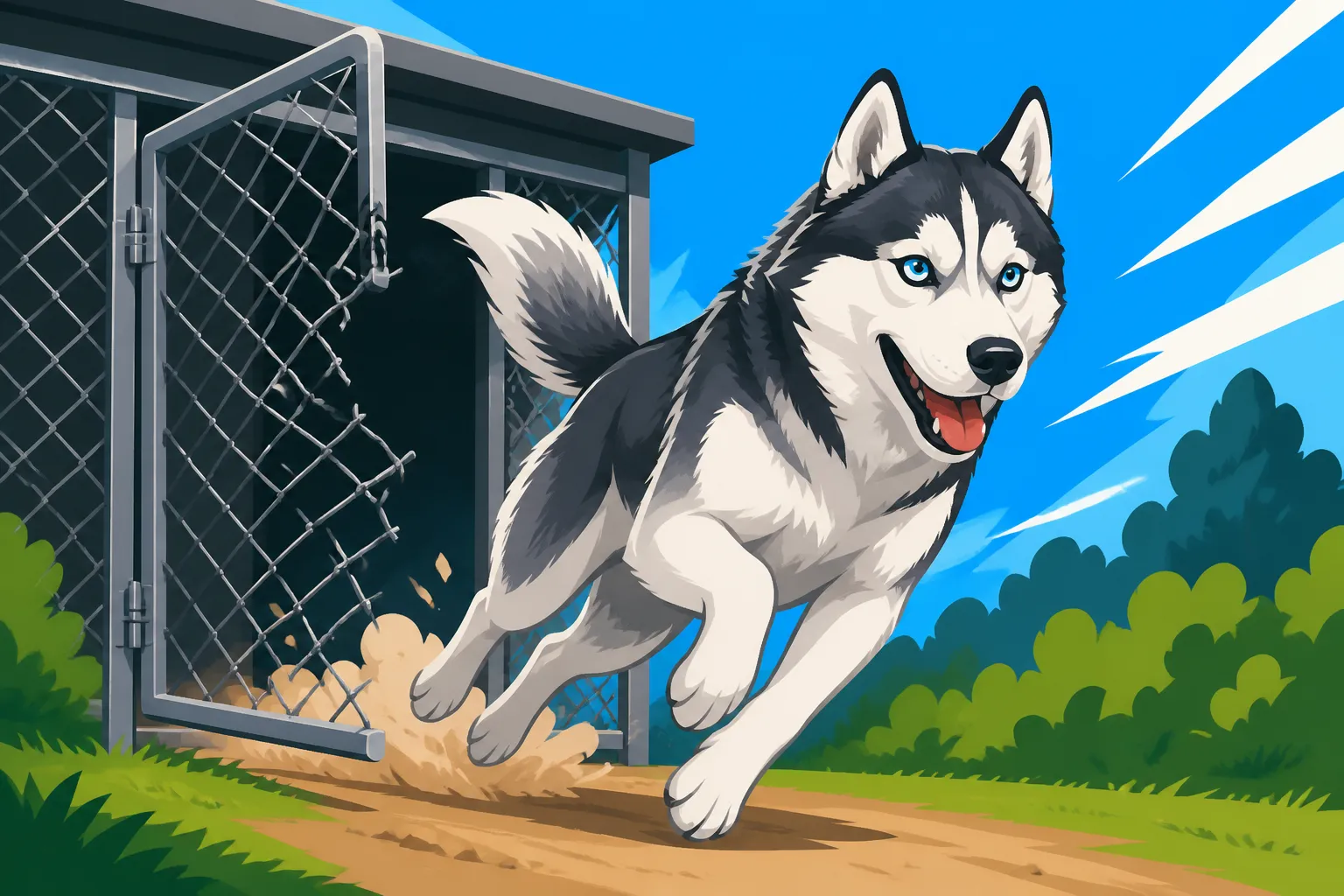
It’s a heart-stopping moment many Siberian Husky owners know all too well: you step outside, look towards your otherwise perfectly adequate kennel run, and realize… it’s empty. Your Husky, the furry Houdini you love, has pulled off another disappearing act. It’s not just the immediate panic of a lost dog; it’s the worry for their safety, the potential harm they could cause, and the sheer frustration of investing in what you thought was a secure enclosure, only to have it fail. This guide is here to walk you through the unique challenges Siberian Huskies pose to traditional kennel security and offer realistic, battle-tested strategies to create an escape-proof haven for your adventurous companion.
Understanding the Husky's Drive to Escape
Before you can truly secure a kennel run against a Siberian Husky, you have to understand the brilliant, stubborn, and deeply ingrained instincts that fuel their escape artistry. It’s not about defiance; it’s about who they are, deep down in their very genes.
The Instinct to Roam
Siberian Huskies were bred for endurance. They were developed by the Chukchi people in northeastern Asia to cover vast distances, pulling sleds over snow and ice with an almost tireless energy. Their ancestors were true nomadic dogs, often left to find food for themselves when not working. This history has instilled in them an incredibly strong drive to explore, to run, and to traverse wide-open spaces. Confining a Husky in a small, static space goes against their very nature, and they will often view any barrier not as a boundary, but as a puzzle to be solved to get to the "other side."
Imagine a vast, open tundra in their ancestral lands. A Husky wouldn't see a fence; it would see a path to the horizon. In your backyard, that translates to them constantly testing the perimeter, looking for a weak spot, or simply a way to stretch their legs beyond the confines of what they perceive as a temporary holding pen. This isn't naughtiness; it's thousands of years of evolutionary programming screaming, "Go!" This inherent wanderlust is a primary reason why Why Siberian Huskies Run Rather Than Return is such a common owner lament, and why you can never truly trust them off leash.
High Intelligence and Problem-Solving Skills
Many people mistake a Husky's independence for a lack of intelligence, or simply stubbornness. They couldn't be more wrong. Siberian Huskies are incredibly smart, observant creatures with excellent problem-solving skills. They watch you. They learn how latches work. They understand cause and effect. If a loose piece of wire gives way under their paw, they'll remember. If a gate squeaks in a certain way when not fully latched, they'll investigate.
I've heard stories of Huskies learning to open complex gate latches, unzipping kennel covers, and even manipulating sliding bolt locks with their noses and paws. They’re not just trying to push through a barrier; they are actively seeking out the mechanism that opens it. They remember what worked before, and they will try it again and again. Their intelligence, combined with their strong will, means that if there’s a way out, a Husky will likely find it. This makes training an independent Siberian Husky a unique challenge, requiring creativity and consistency.
Boredom and Energy Levels
A bored Husky is a destructive Husky, and a destructive Husky will find a way out of any kennel run that isn't built like Fort Knox. These dogs need a tremendous amount of physical exercise and mental stimulation. Leaving a Husky in a kennel run for hours on end without proper enrichment is like putting a super-intelligent, high-energy child in a closet and expecting them to sit quietly. They will turn their energy and intelligence towards escape.
If they're not adequately exercised, they'll have excess energy to burn, and that energy will often manifest as digging, climbing, or testing the integrity of their enclosure. If they're not mentally stimulated, they'll become frustrated, and that frustration can drive them to obsessively work on an escape route. A regular walk, even a long one, is often not enough for these athletes. They need to run, to pull, to engage their minds with training and puzzles. Without this crucial outlet, your kennel run becomes a prison, and escape becomes their primary occupation. Understanding How Much Exercise a Siberian Husky Really Needs is fundamental to mitigating this drive.
Common Kennel Run Weaknesses Huskies Exploit
When a Husky escapes, it's rarely a fluke. They systematically exploit weak points in a kennel run's design or construction. Knowing these common vulnerabilities is the first step in creating a truly secure space.
Latch and Door Mechanisms
Standard gate latches, especially simple spring-loaded or hook-and-eye types, are child's play for a clever Siberian Husky. They learn to nudge, paw, or even use their mouth to manipulate these mechanisms. A dog can easily figure out how to lift a simple latch or push a bolt if there's enough play. Even heavy-duty barrel bolts can be worked loose if they aren't secured with a secondary locking mechanism.
I remember a client whose Husky, Loki, would meticulously study their large kennel gate. They thought they had a solid, heavy-duty latch, but Loki would stand on his hind legs, nudge the bolt with his nose, and then give a final push with his body. One day, they realized he was using his paw to slide the bolt back, just like a human thumb. They needed to upgrade to a system that required simultaneous actions or had a lock that couldn't be physically manipulated by a paw or snout. This is why Siberian Huskies That Learn Gate Latches is a real and present danger for owners.
Digging Under Barriers
This is perhaps the most famous Husky escape tactic. Their digging instinct is legendary, harkening back to their need to dig dens for shelter or to find rodents in the wild. A Husky can excavate a surprising amount of dirt in a very short amount of time. A simple wire fence or panel buried only a few inches deep is utterly useless against a determined digger. They will start at the weakest point, usually along the perimeter where the fence meets the ground, and tunnel out.
Often, owners will discover a small trench along the bottom edge of the kennel, slowly deepening over days or weeks, until one day, it's deep enough for them to squeeze under. They don't need a huge gap; if their head fits, the rest will follow. Some Huskies are so dedicated they'll dig several false tunnels to distract you before hitting the real escape route. Addressing this requires more than just burying the fence a little deeper; it requires a structural solution.
Climbing and Scaling
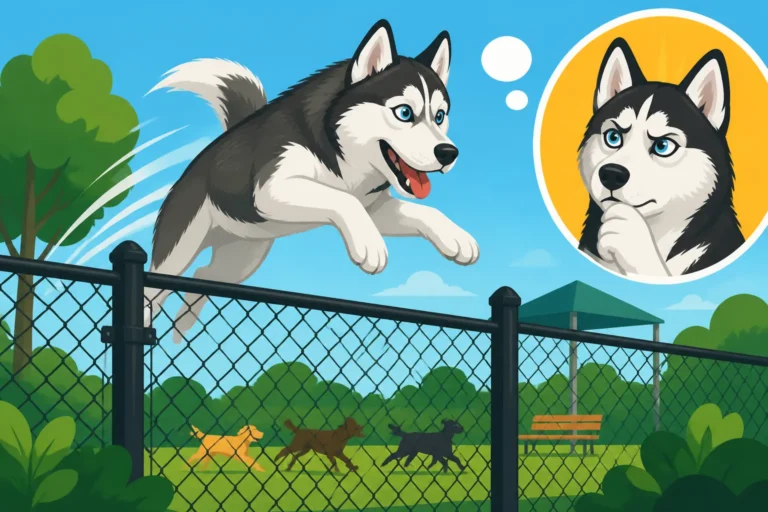
While not all Huskies are champion climbers, enough of them are to make it a serious concern. Their athletic build, strong hind legs, and often surprising agility mean they can scale heights you might not expect. Chain-link fences offer excellent toeholds, allowing them to literally climb up and over. Even smooth surfaces can sometimes be overcome if there's a nearby object to launch from, like a dog house, a woodpile, or a sturdy snowdrift.
I've seen photos of Huskies perched atop six-foot fences, looking down with an almost mischievous glee. They will test the height. They will test the give of the fence material. If there's any lean or an easy angle, they'll use it. Some will even "climb" by pushing off the fence with their back paws, essentially walking up the wall. This is why The Height a Siberian Husky Can Clear is often much more than you might imagine.
Structural Integrity and Materials
Many pre-fabricated kennel runs are simply not built for the relentless determination of a Siberian Husky. Thin-gauge wire, weak welds, plastic panels, or lightweight wooden frames can easily be compromised. A Husky can chew through wood, bend thin wire, or even break plastic components if given enough time and motivation. They'll find the weakest link, whether it's a rusted bolt, a sagging panel, or a flimsy attachment point.
Even seemingly sturdy structures can have weak points at corners or where panels meet. If the hardware connecting the sections isn't robust, or if the posts aren't deeply anchored, a Husky might be able to create enough leverage to push a panel out of place. It's a game of force meeting a poorly designed or assembled enclosure, and the Husky usually wins.
Practical Strategies to Secure a Husky Kennel Run
Securing a kennel run for a Siberian Husky isn't about building a prison; it's about building a fortress that respects their intelligence and drive while keeping them safe. It requires a multi-layered approach that addresses every potential escape route.
Reinforcing the Structure
The foundation of an escape-proof kennel run starts with its very construction. You need materials and methods that can withstand a determined Husky.
- Heavy-Gauge Wire or Panels: Opt for heavy-gauge chain link (at least 9-gauge) or solid metal panels that cannot be bent or chewed through. Welded wire mesh, such as cattle or hog panels, can be an excellent choice as it's typically very strong and offers fewer toeholds for climbing than chain link. Ensure the spacing of the mesh is small enough that a Husky cannot get its head through.
- Secure Posts: Posts should be dug deep, ideally into concrete footings, so they cannot be wiggled loose. Consider setting posts in a continuous concrete curb around the perimeter for added digging deterrence.
- Roofing: For ultimate security against climbing, a fully enclosed roof is crucial. This can be solid metal sheeting, heavy-duty wire mesh, or even a strong tarp framework, as long as it's securely attached to the side walls and strong enough to prevent a Husky from pushing it upwards. For those who can't build a full roof, consider slanted panels at the top inward-facing to prevent climbing straight up.
- Flooring: While a concrete slab is ideal for preventing digging and is easier to clean, it's not always feasible. If you have a dirt floor, you must implement digging prevention strategies, which we'll cover next. If using concrete, ensure it's not simply a floating slab but integrates with the walls or has a lip that prevents digging around it.
Here’s a quick checklist for structural reinforcement:
| Feature | Weak Point (Husky Exploit) | Reinforcement Strategy |
|---|---|---|
| Walls | Thin wire, bent panels, toeholds | Heavy-gauge welded wire (e.g., 9-gauge), solid metal panels, smooth surfaces, smaller mesh size. |
| Posts | Shallow, loose, easily pushed over | Deeply set in concrete footings, continuous concrete curb. |
| Roof | Open top, climbable | Full solid or heavy-gauge wire roof, inward-slanting top panels. |
| Flooring | Dirt, easily dug under | Concrete slab with integrated walls, or buried wire "L-footer" system. |
| Connections | Weak bolts, loose ties | Welded joints, heavy-duty clamps, multiple attachment points, secure hardware. |
Enhancing Latches and Locks
This is where many owners fail because they underestimate a Husky's dexterity. You need more than just one latch.
- Double-Locking Mechanisms: Use at least two distinct locking mechanisms on any gate. A heavy-duty barrel bolt combined with a strong carabiner clip through the latch's eye, or a padlock, is a good starting point.
- Gate Locks: Look for gate locks designed for livestock or industrial use, which often require two separate actions to open, or are difficult for paws to manipulate. These often have a spring-loaded bolt that also needs to be lifted or rotated.
- Carabiners and Padlocks: Always use heavy-duty, screw-gate carabiners or padlocks on top of existing latches. Place them high enough that your Husky cannot reach them, even when standing. Brands like Amazon offer a wide array of industrial-grade hardware that can be adapted for kennel security. A simple, sturdy padlock can make all the difference, but remember to remove the key to prevent accidental unlocking.
- Outward-Opening Gates: Whenever possible, design the gate to open outwards. An inward-opening gate can be pushed open from the inside by a determined Husky if the latch fails. An outward-opening gate, even if the latch is compromised, relies on the pressure of the dog against the doorframe to keep it closed.
Addressing Digging and Climbing
These are the two most persistent challenges. You need specialized solutions.
- L-Footers or Skirts: This is the gold standard for preventing digging. Bury a section of heavy-gauge wire mesh or solid material (like hardware cloth) horizontally under the ground, extending inward from the base of the fence for at least 18-24 inches. The fence material itself should also be buried a foot or more vertically. When your Husky tries to dig down at the fence line, they'll hit the buried wire "L-footer" and be deterred. Think of it like an underground shelf that they can't get under. This is a critical component of preventing digging, as discussed in Burying Fence Wire Against a Digging Siberian Husky.
- Concrete Aprons: Pouring a concrete apron around the inside perimeter of the kennel, extending a foot or two inward from the fence line, is another effective digging deterrent. This can be combined with burying the fence posts within the concrete for extra stability.
- Overhangs or "Coyote Rollers": To prevent climbing, install an inward-slanting panel or "coyote rollers" along the top of your fence. Coyote rollers are smooth, round bars or pipes that rotate freely, preventing a dog from getting purchase to climb over. These can be found at farm supply stores or online. Alternatively, you can use an inward-angled section of fence material to create an overhang that makes it impossible for them to clear the top. Coyote Rollers on a Siberian Husky Fence are specifically designed for this purpose.
- Eliminate Launch Points: Remove anything near the fence line inside or outside the kennel that your Husky could use as a launchpad. This includes dog houses, storage bins, woodpiles, or even snowdrifts.
Minimizing the Drive to Escape
Physical security is paramount, but it's only one half of the equation. A deeply unhappy or bored Husky will continue to look for ways out, no matter how strong your fortifications. You need to address the underlying motivation.
Exercise and Mental Stimulation
A tired Husky is a good Husky, and a mentally engaged Husky is less likely to obsess about escape. Their extreme energy levels mean they need significant physical exertion every single day.
- Intense Physical Activity: This isn't just a leisurely stroll around the block. Huskies need to run, often for miles. Activities like canicross, bikejoring, skijoring, or even long, brisk hikes can help. If you're not an avid runner or cyclist, consider enrolling in dog sports or working with a trainer on activities that burn both physical and mental energy. Don't underestimate How Much Exercise a Siberian Husky Really Needs.
- Mental Enrichment: Puzzle feeders, chew toys, and regular training sessions are vital. Engage their intelligent minds with obedience training, trick training, or scent work. Rotate toys to keep things fresh. Products available on platforms like Amazon include many interactive puzzle toys that can keep a Husky engaged for a while.
- One-on-One Time: Huskies thrive on companionship. Spending quality time interacting with your Husky, whether through play, training, or simply cuddling, reduces their desire to escape in search of connection.
Training for Containment
While training might not stop a physically determined escape attempt, it can certainly help reduce the desire to escape and build a positive association with their designated space.
- Positive Reinforcement: Make the kennel run a positive place. Feed meals there, offer high-value treats, and provide stimulating toys. Never use the kennel as punishment.
- Gradual Introduction: If your Husky is new to the kennel, introduce it gradually. Start with short periods of time, increasing duration as they become comfortable and relaxed. Stay nearby at first, then gradually extend your absences.
- "Kennel Up" Command: Teach a clear "kennel up" or "place" command, rewarding them for calmly entering and staying in their run. This helps build a sense of routine and acceptance.
- Professional Help: If your Husky exhibits severe anxiety or destructive behavior when left in the kennel, consider working with a professional dog trainer or behaviorist. They can help identify the root cause of the behavior and develop a tailored plan. Organizations like BAXTER & Bella offer comprehensive online training programs that can be invaluable for consistent positive reinforcement training.
Supervision and Routine Checks
Even the most robust kennel run needs regular oversight. Huskies are masters of finding new weaknesses.
- Constant Vigilance: Routinely inspect your kennel run for any signs of wear, damage, or new escape routes. Check latches, look for newly dug holes, and examine panels for bending or compromise. Small issues can quickly become major problems.
- Supervised Initial Stays: Never leave your Husky unsupervised in a new or newly modified kennel run until you are absolutely certain it is secure. Watch them closely. They will often reveal weak points in their first few attempts.
- Seasonal Adjustments: Be mindful of seasonal changes. Snowdrifts can create ramps over fences, and heavy rains can erode soil, making digging easier. Adjust your security measures as needed.
Dealing with a Siberian Husky that escapes a kennel run is a journey of understanding, adaptation, and continuous vigilance. It's about respecting their incredible instincts while providing a safe, secure, and enriching environment. By combining strong physical barriers with consistent mental and physical stimulation, you can transform your escape artist into a secure and happy companion.
Disclaimer
This article is for general informational purposes only and does not constitute professional advice. Laws, prices and regulations vary by location and change over time. Consult a qualified professional for guidance on your specific situation.