Whether Spaying Changes a Siberian Husky’s Shed Cycle
One of the biggest concerns many Siberian Husky owners grapple with, beyond the boundless energy and the escape artist tendencies, is the sheer volume of fur. It seems like the shedding never truly stops, and when a full coat blow hits, it can feel like living in a blizzard of undercoat. So, it's completely natural to wonder if a major life event like spaying your female Husky might change this furry reality, potentially easing the shedding burden or perhaps, making it even more intense. This guide will explore the connection between spaying and your Siberian Husky's shedding patterns, helping you understand what to realistically expect.
Understanding the Siberian Husky Shed Cycle
Before we dive into how spaying might influence your Husky's coat, it's crucial to understand what a "normal" Siberian Husky shed cycle actually looks like. These dogs are purpose-bred for cold climates, meaning they come equipped with an incredible, dense double coat designed for insulation. This isn't just a bit of fluff; it's a meticulously engineered system of fur.
The Double Coat's Purpose
Imagine two distinct layers of protection. The outer layer consists of guard hairs – these are longer, coarser, and slightly stiffer hairs that are water-repellent and protect against snow, ice, and even sun. They give your Husky that beautiful, sleek outline. Beneath these guard hairs lies the undercoat, a thick, soft, woolly layer that is incredibly dense and provides the bulk of their insulation. This undercoat is what truly keeps them warm in frigid temperatures and, perhaps surprisingly, can also help them stay cool by trapping a layer of air next to their skin in warmer weather, much like insulation in a house.
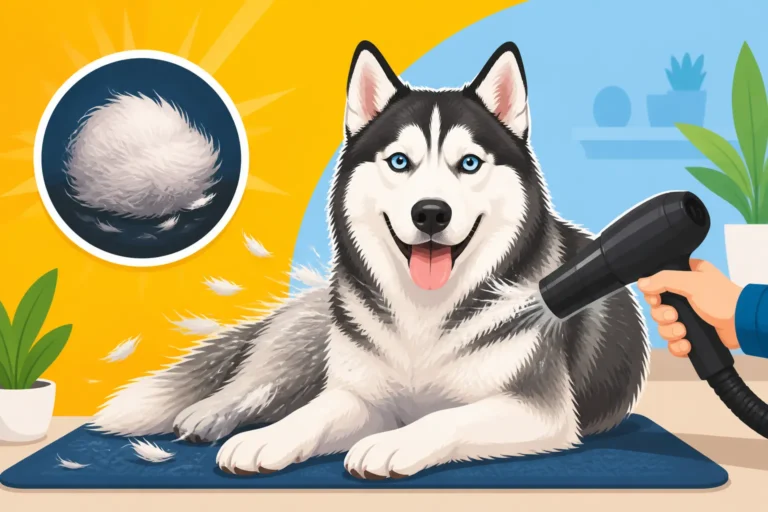
During a "coat blow," it's this incredibly dense undercoat that detaches in massive clumps. It doesn't just fall out gradually; it comes out in handfuls, often looking like you could knit a whole new dog. The guard hairs shed too, but usually far less noticeably. This natural system is incredibly efficient for survival in harsh environments, but it does mean a lot of vacuuming and brushing for us pet parents! For more on managing the fur, you might find our guide on Siberian Husky Coat Blow and the Six Weeks It Lasts helpful.
Natural Triggers for Shedding
The natural shedding cycle of a Siberian Husky is primarily dictated by environmental factors, mainly changes in daylight hours and temperature. As the days lengthen in spring, a Husky's body signals it's time to shed the heavy winter undercoat to prepare for warmer weather. Conversely, as days shorten in the fall, they'll shed the lighter summer coat to make way for the dense winter protection. This is why you often hear of Huskies having two major "coat blows" a year – spring and fall.
However, it's not always a perfectly predictable two-times-a-year event. Indoor living, with consistent artificial light and temperature, can sometimes disrupt this natural rhythm. Some Huskies in temperate climates might shed more consistently year-round, or have less dramatic, but more frequent, mini-blows. Factors like diet, overall health, and stress can also play a role, making their shedding pattern unique to each individual dog. Understanding these natural triggers helps set the stage for discussing how spaying might introduce another variable.
Hormones and Hair Growth: The Link to Spaying
Now, let's get into the nitty-gritty of hormones, because they absolutely play a role in hair growth and shedding in all animals, including our beloved Huskies. When we talk about spaying, we're talking about a significant hormonal shift in a female dog's body, and it's logical to wonder how that might ripple into something as visible as her coat.
How Spaying Changes Hormonal Balance
Spaying, or ovariohysterectomy, is the surgical removal of a female dog's ovaries and usually her uterus. The ovaries are the primary producers of estrogen and progesterone, two major reproductive hormones. Once these are removed, the dog's body no longer cycles through heat, and the levels of these hormones drop dramatically and permanently.
Estrogen, in particular, has a known effect on skin and coat health. It's often associated with maintaining a healthy, shiny coat in intact females. During pregnancy or heat cycles, hormonal fluctuations can certainly lead to temporary changes in hair growth or shedding. By removing these fluctuating hormones, spaying creates a more stable, albeit different, hormonal environment. This new balance, or rather, the absence of the old balance, can sometimes manifest in observable ways on the coat. It's a fundamental change that affects many bodily systems, and the integumentary system (skin and coat) is definitely one of them.
The Post-Spay Coat: What to Expect
Here's where it gets interesting, and sometimes, a little frustrating for owners. While not every spayed Husky will experience a dramatic change, many owners report alterations in their dog's coat after spaying. The most commonly noted change is often an increase in the density of the undercoat, which can lead to more frequent or heavier shedding, or what's sometimes called "spay coat" or "post-operative alopecia."
Why does this happen? Without the cyclic influence of estrogen, the hair follicles might spend more time in the anagen (growth) phase or grow a denser undercoat. This denser undercoat, while perhaps still functional for insulation, can lead to more matting if not diligently groomed, and when it does shed, there's simply more of it to come out. Some owners also notice a softer, perhaps duller, texture to the guard hairs, or even a slight change in coat color, though this is less common than the density increase. It's not a universal guarantee, and some Huskies won't show much change at all, but it's a common enough phenomenon that it's worth being prepared for. It's one of those things that falls into Whether Neutering Changes a Siberian Husky's Coat category, which can definitely be a big deal for owners.
Managing Post-Spay Coat Changes and Shedding
So, if your beautiful Husky's coat does decide to go into overdrive after spaying, don't despair! There are definitely proactive steps you can take to manage the increased shedding and keep her coat healthy and comfortable. It's all about consistent care and sometimes, a little extra attention to their overall well-being.
Grooming Adjustments for a Spayed Husky
If you notice a denser undercoat or more shedding post-spay, your grooming routine will need to step up a notch. Regular brushing becomes even more critical, not just during coat blows, but year-round. You'll want to invest in good quality grooming tools designed for double-coated breeds. An undercoat rake is your best friend here, as it can gently pull out loose undercoat without damaging the guard hairs. A slicker brush can also be useful for smaller areas and to fluff out the coat. During a full coat blow, you might even consider a high-velocity dog dryer – these are fantastic for literally "blowing" the loose undercoat out, making a huge difference in reducing shedding in the house. You can find many excellent options for these tools on sites like Chewy or Amazon.
Aim for brushing several times a week, and daily during heavy shedding periods. This not only helps control the fur in your home but also prevents matting, which can be uncomfortable and even lead to skin issues. A professional grooming appointment a couple of times a year for a thorough de-shedding treatment can also be a lifesaver, especially if you're not equipped with a high-velocity dryer at home. The key is consistency, preventing the build-up of dead undercoat that can become trapped and cause problems.
Here’s a quick comparison of useful grooming tools:
| Tool Type | Primary Function | Best For | Frequency of Use |
|---|---|---|---|
| Undercoat Rake | Reaching deep to pull out loose undercoat | Major coat blows, dense undercoats | 2-3 times/week |
| Slicker Brush | Removing loose hair and light mats, smoothing | Daily touch-ups, after raking | Daily |
| Pin Brush | Detangling and fluffing, gentle on guard hairs | General brushing, spreading natural oils | Daily |
| High-Velocity Dryer | Forcibly blowing out dead undercoat after a bath | During heavy coat blows, professional use | 2 times/year |
| Dematting Comb | Breaking up small mats without cutting the coat | Targeted mat removal (use with caution) | As needed |
Nutritional Support for Coat Health
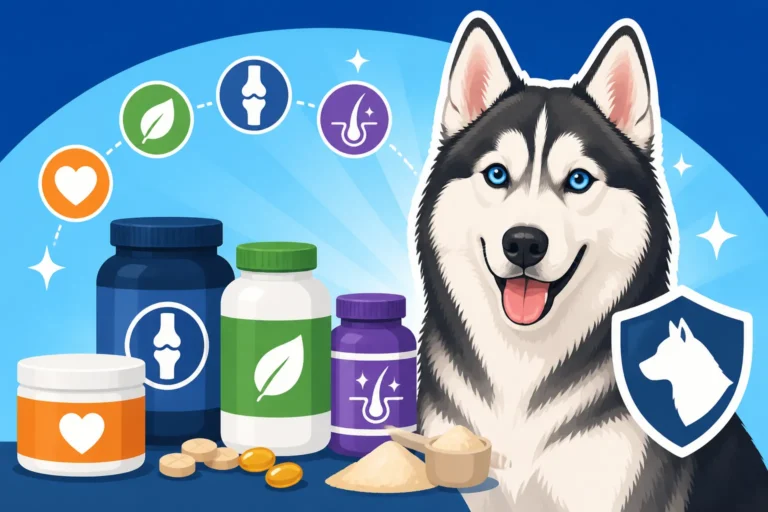
A healthy coat starts from the inside out, so nutrition plays a vital role, especially if your Husky's coat changes post-spay. Ensure your dog is on a high-quality, balanced diet rich in essential fatty acids like Omega-3 and Omega-6. These fatty acids are crucial for skin health and a shiny, resilient coat. Many premium dog foods, like those found from brands available on Ollie, already include good levels of these. However, you might consider adding a supplement, such as fish oil, to her diet if recommended by your vet.
Zinc is another nutrient important for skin and coat health in Huskies, as some are prone to zinc deficiency (zinc-responsive dermatosis). While a balanced diet is usually sufficient, if you notice any skin issues or dullness, discussing a zinc supplement with your veterinarian could be beneficial. Remember, always consult your vet before adding any supplements to your dog's diet, as too much of certain nutrients can be harmful. Proper nutrition supports not just the coat, but overall health, which in turn reflects in the quality of the fur. Our guide on Why a Balanced Diet Does Not Fix Husky Zinc Loss explains more about the unique zinc needs of the breed.
When to Consult Your Vet About Coat Concerns
While some coat changes are common after spaying, not everything is "normal." If you observe any of the following, it's definitely time to schedule a visit with your veterinarian:
- Excessive Hair Loss or Bald Patches: Beyond normal shedding, large areas of hair loss or patches of bald skin are not typical and could indicate an underlying health issue.
- Skin Irritation or Redness: If your Husky is constantly scratching, licking, or chewing at her skin, or if you see redness, rashes, or sores, it could be allergies, infections, or other dermatological problems that need medical attention.
- Dull, Brittle, or Greasy Coat: While some texture changes can occur, a coat that consistently looks unhealthy, feels excessively greasy, or breaks easily can point to nutritional deficiencies, hormonal imbalances (beyond just spaying), or other internal issues.
- Sudden or Extreme Changes: If the coat change is very sudden, dramatic, or accompanied by other symptoms like lethargy, changes in appetite, or weight fluctuations, it's important to rule out other medical conditions.
- Persistent Matting Despite Grooming: If you are diligently grooming and still battling severe, persistent matting, it might be that the coat texture has changed significantly enough to warrant a vet visit to discuss solutions, or to rule out any skin conditions contributing to the problem.
Your vet can perform a thorough examination, possibly some diagnostic tests, and help determine if the coat changes are simply a variation of normal post-spay or if there's something else at play that needs addressing. They can also offer tailored advice on grooming, nutrition, or even specialized treatments if necessary. For general health insights, you might also look at The Health Milestones of a Siberian Husky Year by Year.
Ultimately, spaying is a common and often beneficial procedure for female Huskies, preventing unwanted pregnancies and reducing the risk of certain health issues. While coat changes can be a side effect, they are usually manageable with attentive grooming and proper care. By being informed and proactive, you can ensure your Siberian Husky remains healthy, happy, and as beautiful as ever, even if you find yourself vacuuming a little more often.
Disclaimer
This article is for general informational purposes only and does not constitute professional advice. Laws, prices and regulations vary by location and change over time. Consult a qualified professional for guidance on your specific situation.