The Only Places a Siberian Husky May Be Trimmed
One of the biggest misconceptions about owning a magnificent Siberian Husky is that they need to be shaved or extensively trimmed, especially when the weather warms up. It's a natural thought to want to lighten their load when you see that thick coat, but trust me, this impulse often comes from a place of not fully understanding their incredible natural insulation system. This guide will walk you through the very few, specific areas where a Siberian Husky's coat can be safely and beneficially trimmed, and why you should absolutely avoid taking clippers to the rest of their unique double coat.
The Basics of the Siberian Husky Double Coat
Before we even consider touching a pair of shears to your Siberian Husky, it's absolutely crucial to understand the marvel that is their double coat. This isn't just fur; it's a sophisticated, multi-layered system designed by nature to protect them in extreme conditions, both hot and cold. Many new Husky owners, or even seasoned dog owners unfamiliar with northern breeds, struggle to grasp just how vital this coat is to their dog's overall health and comfort.
Understanding Guard Hairs vs. Undercoat
When you look at your Husky, you're seeing two distinct layers of fur. The outer layer consists of what we call "guard hairs." These are the longer, coarser hairs that give your Husky its color and pattern, and they feel a bit stiff to the touch. Their primary job is to repel water, dirt, and snow, acting like a waterproof, wind-resistant outer shell. Think of it as their all-weather jacket.
Beneath this protective layer lies the "undercoat." This is the soft, dense, downy fluff that you find in alarming quantities during "coat blow" season. The undercoat is the true insulation. In cold weather, it traps warm air close to the body, keeping them toasty. In warmer weather, it actually helps to keep them cool by preventing direct sun exposure to their skin and allowing air to circulate, creating an insulating layer that works in reverse, much like the insulation in your house. When people decide to shave their Husky, they often remove both of these vital layers, leaving the dog vulnerable. Understanding Guard Hairs and Undercoat in a Siberian Husky is key to appreciating why extensive trimming is so detrimental.
The Purpose of the Double Coat in All Seasons
It seems counterintuitive, right? A thick coat in summer? But this is where the Husky's evolutionary brilliance shines. In the brutal Arctic winters, their coat provides unparalleled warmth, allowing them to thrive in temperatures that would send other breeds shivering. The guard hairs prevent frostbite and ice build-up, while the dense undercoat holds in body heat.
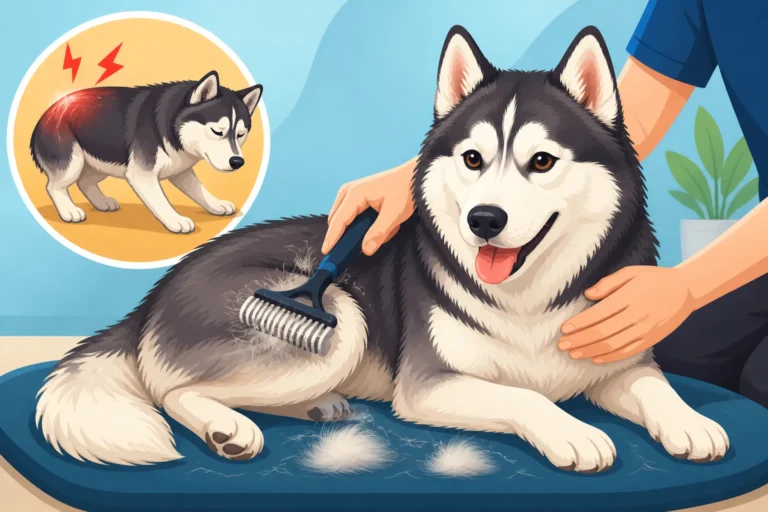
However, in the warmer months, this same coat acts as a natural air conditioner. The guard hairs shield the skin from harsh UV rays, preventing sunburn, while the undercoat, when properly maintained and not matted, creates an airy buffer zone. It allows for convection, meaning cool air can circulate near the skin and warm air can dissipate. When a Husky "blows" its coat in spring, it sheds the thickest part of this undercoat, making the remaining layer thinner and more efficient for warmer weather. Many people ask Whether a Siberian Husky Needs a Summer Trim, and the answer is almost always no. Instead of trimming, regular grooming to remove loose undercoat during a Siberian Husky Coat Blow and the Six Weeks It Lasts is far more beneficial.
Where Trimming Is Acceptable and Sometimes Necessary
While the vast majority of your Siberian Husky's body should remain untouched by clippers, there are a few very specific, practical areas where a light trim can be beneficial for hygiene, comfort, and safety. These aren't cosmetic trims; they're functional and support the dog's well-being.
The Paws and Their Purpose
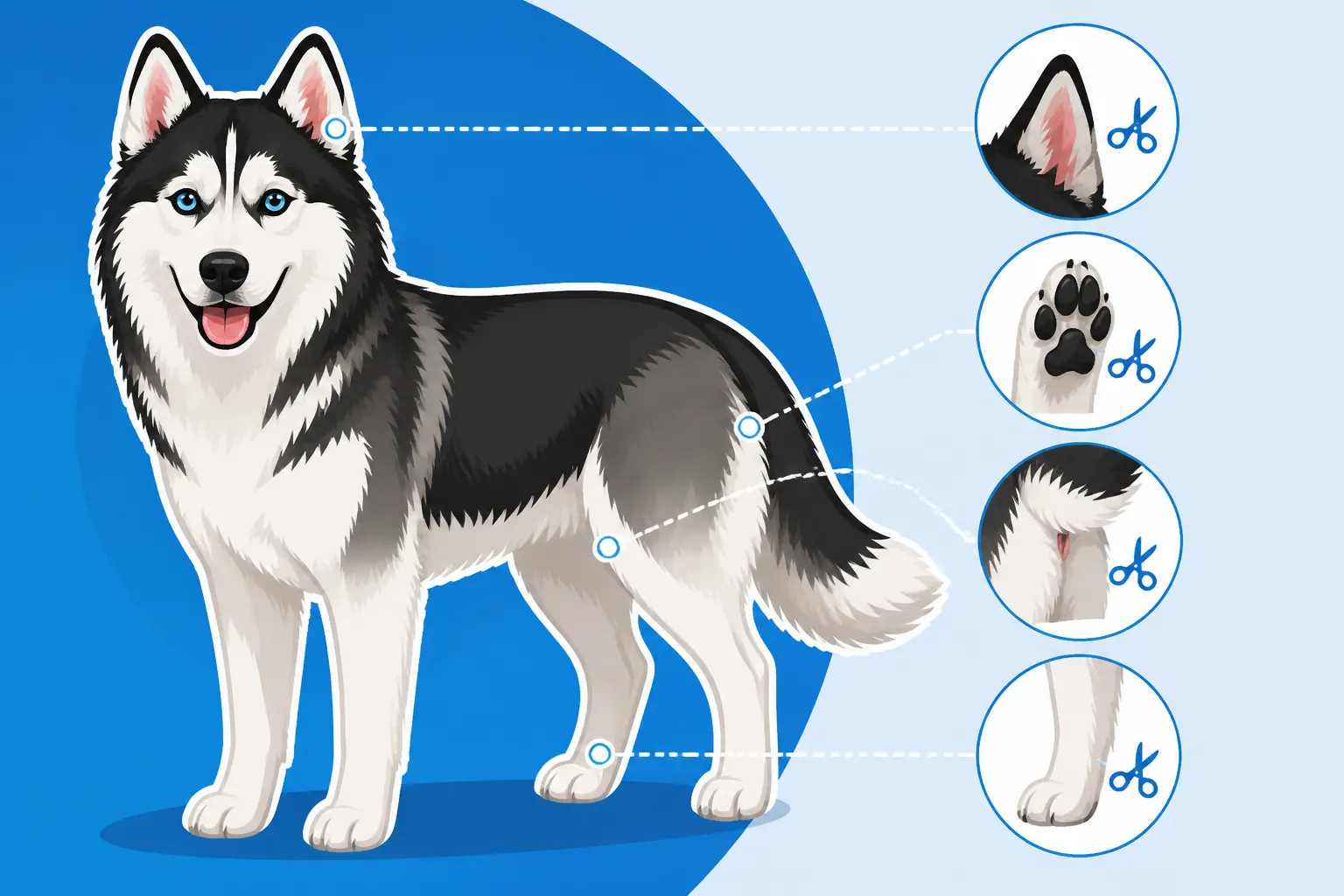
One of the most common and acceptable places to trim a Siberian Husky is between their paw pads. This isn't about making their feet look pretty; it's about function. Huskies have hairy feet, and the fur between their pads can grow quite long. This can lead to several issues:
- Traction: Excess fur can reduce traction on slippery surfaces, making your Husky prone to slips and falls, especially on hardwood floors or ice. Keeping it neat ensures better grip.
- Hygiene: Long fur here can trap dirt, mud, snow, ice, burrs, and even small stones. This can be uncomfortable, lead to matting, or even cause skin irritation and infections if left unchecked. Imagine walking around with tiny pebbles stuck between your toes all day – not pleasant!
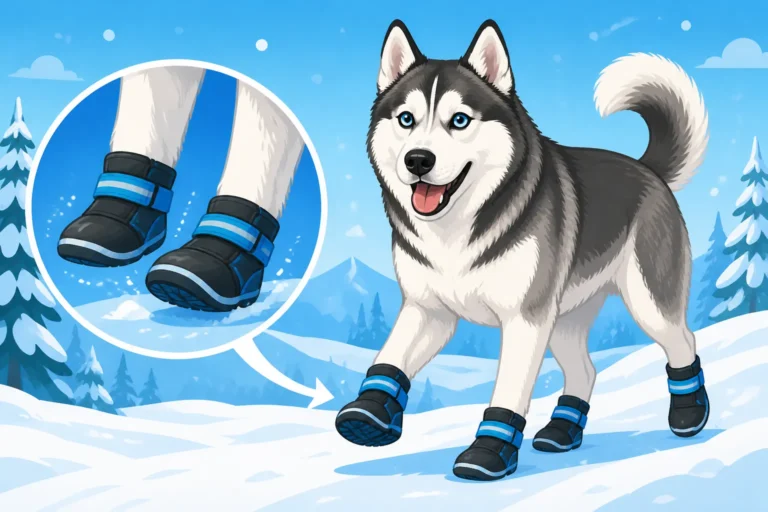
- Snow and Ice: For Huskies living in snowy climates, the fur between their pads can accumulate "snowballs" or "ice clogs," which can be painful and lead to frostbite. A tidy trim helps prevent this.
When trimming, you want to carefully use blunt-nosed scissors or a small, quiet clipper to trim the hair even with the pads, ensuring no hair protrudes past them. Always be gentle and lift the paw to see clearly. You can find excellent blunt-nosed scissors designed for this purpose on Amazon, or specialized paw trimmers on Chewy. This helps with Siberian Husky Paw Care Through Snow and Salt, making winter walks much more comfortable for your dog.
Sanitary Trims for Cleanliness
Another area where a light trim is perfectly acceptable, and often recommended, is for "sanitary" purposes. This refers to the fur around your Husky's private parts and under the tail. Again, this isn't for aesthetics but for cleanliness and preventing discomfort.
Long fur in these areas can easily become soiled with urine or feces. This isn't just gross; it can lead to skin irritation, matting, and an unpleasant odor for both you and your dog. A quick, careful trim with blunt-nosed scissors can keep these areas neat and tidy, making it easier for your Husky to stay clean after doing their business. This is especially helpful for females and for older Huskies who might not be as flexible in cleaning themselves. Always use extreme caution when trimming around these sensitive areas, or have a professional groomer handle it if you're unsure.
Whiskers and Eyelashes: To Trim or Not to Trim
This is an interesting one because unlike the paw pads or sanitary areas, trimming whiskers and eyelashes offers no practical benefit and can actually hinder your Husky's sensory perception.
- Whiskers (Vibrissae): Your Husky's whiskers are highly sensitive sensory organs. They are deeply rooted in nerve-rich tissue and send important signals to their brain about their surroundings. Whiskers help them navigate in the dark, sense changes in air currents, judge space, and detect objects close to their face. Trimming them is like blindfolding your dog in a subtle way; it removes a crucial part of their sensory system. It's generally advised not to trim whiskers.
- Eyelashes: Eyelashes serve a protective function, helping to keep dust, dirt, and debris out of your Husky's eyes. Unless they are extremely long and irritating the eye, which is rare, they should also be left alone. If you ever notice an eyelash causing irritation, consult your veterinarian, as it might require medical attention rather than a simple trim.
The Risks of Improper Trimming or Shaving
Now that we’ve covered the very few exceptions, let’s dive into why you should never shave your Siberian Husky or perform extensive body trims. The consequences can be far more serious than you might imagine, impacting their health, comfort, and even their coat's ability to recover.
Damage to the Coat and Skin Issues
When you shave a double-coated breed like a Husky, you're not just removing hair; you're fundamentally altering the structure and function of their coat. The guard hairs grow back much slower than the undercoat. This means that after a shave, the softer, denser undercoat tends to grow back first and can become impacted beneath the slower-growing guard hairs. This can lead to several problems:
- "Clipper Alopecia": This condition, sometimes called "post-clipping alopecia," means the coat simply doesn't grow back correctly, or sometimes not at all in patches. The texture can change, becoming coarse or patchy, and the insulation properties are permanently compromised. You might wonder Whether a Shaved Siberian Husky Coat Ever Recovers, and sadly, it often doesn't fully.
- Matting: The new growth can become incredibly prone to matting and tangling because the protective guard hairs are gone. This can lead to painful skin infections, hot spots, and general discomfort.
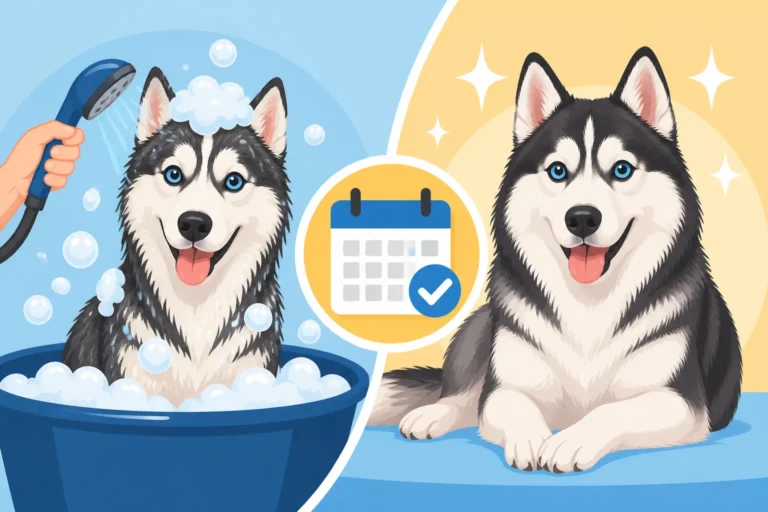
- Skin Irritation: Shaving can also cause razor burn, folliculitis (inflammation of hair follicles), and make the skin more susceptible to external irritants or allergens. A proper grooming routine for your Husky's regular coat, using products found on sites like Chewy for bathing and brushing, is a far safer and more effective way to manage their coat.
Overheating and Sunburn Dangers
This is perhaps the most critical reason why shaving a Husky to "cool them down" is a dangerous misconception. As we discussed, their double coat is a natural insulator against both cold and heat. Removing it leaves their delicate skin exposed to the sun's harsh UV rays, which can lead to severe sunburn. Just like humans, dogs can get skin cancer.
Moreover, without the insulating layer of their undercoat, their body struggles to regulate temperature efficiently. Instead of staying cooler, they can actually overheat faster because their natural cooling system has been stripped away. You might think you're helping them, but you're actually making them more vulnerable to heatstroke. Sunburn Risk on a Shaved Siberian Husky is a very real danger, as is the risk of them simply getting too hot because their coat can no longer do its job of thermal regulation. Instead, focus on providing shade, fresh water, and timing walks during cooler parts of the day.
Behavioral Changes and Discomfort
While not always directly linked to a single shave, repeated improper coat care can contribute to a Husky's overall discomfort, which in turn can lead to behavioral changes. A dog that is constantly itchy, matted, sunburnt, or struggling with temperature regulation is not a happy dog. They might become more irritable, less playful, or even withdrawn.
Think about it: their coat is a huge part of their identity and comfort. Removing it can make them feel exposed and vulnerable. While they won't articulate it, the loss of their natural protection can lead to a general sense of unease. It's our job as responsible Husky owners to understand and respect their unique needs, including their incredible coat. Feeding a high-quality diet, perhaps exploring options from Ollie that support skin and coat health, combined with proper, non-shaving grooming, contributes immensely to their overall well-being.
To summarize the grooming rules for your magnificent companion:
| Grooming Area | Trimming Recommendation | Rationale |
|---|---|---|
| Paws (between pads) | Light trim recommended | Improves traction, prevents matting, reduces dirt/snow accumulation |
| Sanitary Area | Light trim recommended | Maintains hygiene, prevents soiling, reduces odor |
| Body (Torso, Legs) | Absolutely NO trimming/shaving | Destroys natural insulation, leads to sunburn, coat damage, overheating |
| Whiskers | No trimming | Essential sensory organs for navigation and perception |
| Eyelashes | No trimming (unless veterinarian advises otherwise) | Protects eyes from debris |
| Ears (outer fur) | No trimming | Part of natural insulation and protection |
| Tail | No trimming | Part of natural insulation and communication |
Ultimately, the best approach for maintaining your Siberian Husky's coat is regular brushing, especially during their twice-yearly "blows," and professional de-shedding services, if needed. Leave the clippers for the very few, specific areas mentioned, and always prioritize the health and natural design of your incredible Husky.
Disclaimer
This article is for general informational purposes only and does not constitute professional advice. Laws, prices and regulations vary by location and change over time. Consult a qualified professional for guidance on your specific situation.