A Siberian Husky That Leaves Food in the Bowl
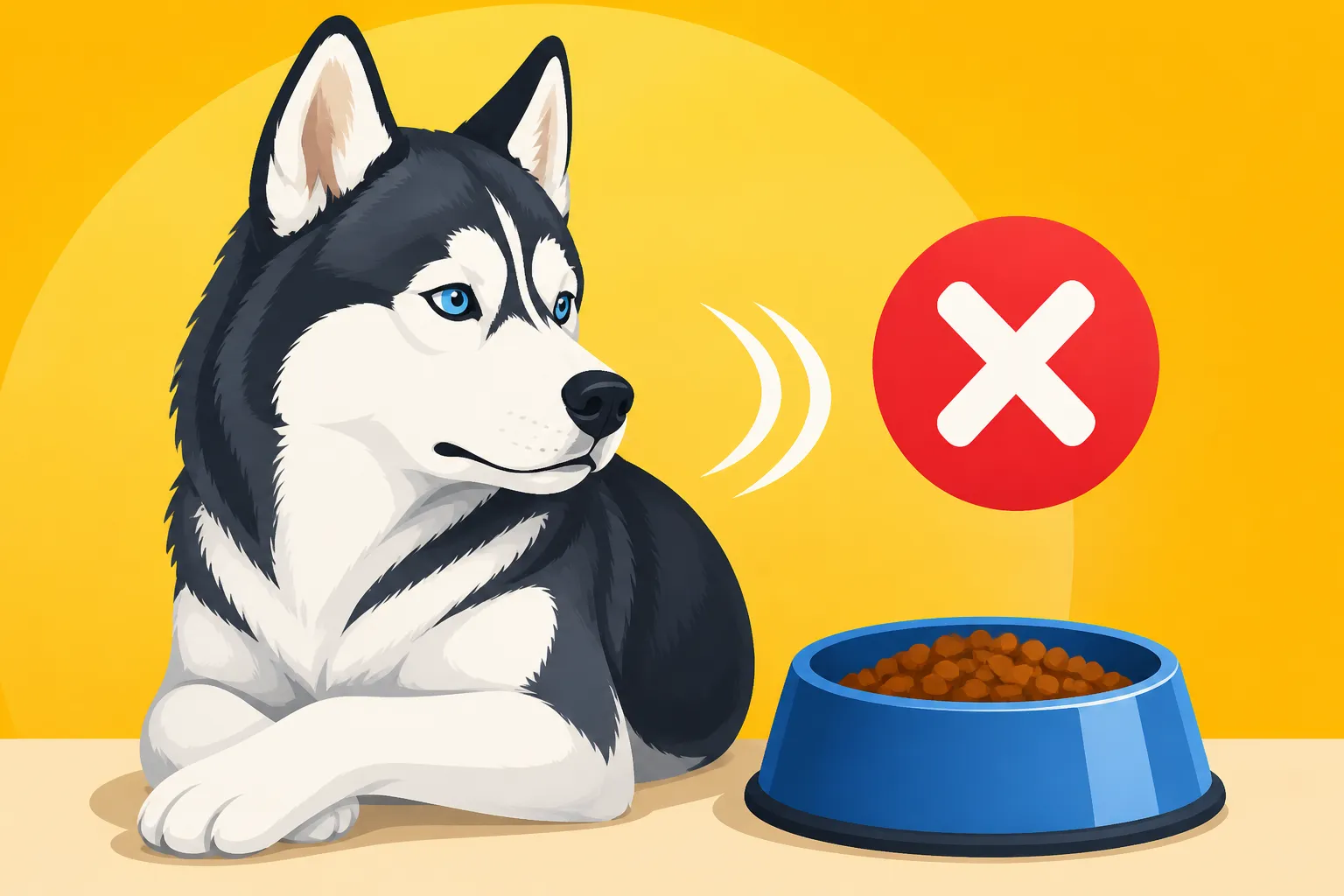
It's a scene many of us Siberian Husky owners know all too well: you put down a fresh bowl of food, expecting your energetic companion to devour it, only to find it sitting there, often untouched, hours later. You might wonder if they're sick, if the food is bad, or if your husky is just being, well, a husky. This common and often perplexing behavior can certainly cause worry, but there are many reasons a Siberian Husky might leave food in their bowl, and understanding them is the first step to finding a solution. This guide will help you decipher your husky's dining habits and offer practical advice to ensure they're getting the nutrition they need.
The Unique Siberian Husky Metabolism: Less Is Often More
One of the most crucial things to understand about Siberian Huskies is their incredible, almost baffling, metabolism. Unlike many other breeds that seem to be constantly hungry, huskies were bred for endurance in harsh conditions where food wasn't always plentiful. Their bodies are incredibly efficient at converting calories into energy, meaning they often require less food than you might expect for their size and activity level. This isn't just a quirk; it's a deeply ingrained part of their genetic makeup.
Why Their Ancestors Ate Sparingly
Think about their heritage, pulling sleds across vast, icy expanses. Their Chukchi ancestors weren't feeding them lavish banquets every day. These dogs learned to thrive on what was available, making the most of every morsel. This means a husky's body doesn't necessarily scream "I'm starving!" at the sight of a meal, especially if they haven't expended a massive amount of energy that day. It's a survival trait that translates into a lower daily caloric need for many modern huskies. You might find yourself measuring out what seems like a small portion, only to have them leave some behind. Don't immediately assume they're unwell; they might simply be satisfied. In fact, many owners discover they feed their Siberian Husky on significantly 60 Percent of the Label.
The Illusion of Pickiness Versus Efficiency
What looks like pickiness to us can often be pure metabolic efficiency for a husky. If your husky eats a little, then walks away, they might not be turning their nose up at the food itself, but rather signaling that they've consumed enough for their current energy demands. It's not uncommon for a husky to skip a meal entirely, only to eat with gusto at the next one. This isn't necessarily a cause for alarm unless it becomes a consistent pattern leading to weight loss or other symptoms. Many owners report A Siberian Husky That Skips Meals regularly without any ill effects, especially if their dog maintains a healthy weight. This is a stark contrast to breeds known for their insatiable appetites; you might even find Why a Siberian Husky Eats Less Than a Labrador.
Behavioral and Environmental Factors Affecting Appetite
Beyond their unique metabolism, a Siberian Husky's eating habits can be heavily influenced by their environment, routine, and even their mood. These dogs are intelligent and can be sensitive to changes, or simply have strong preferences.
Stress, Anxiety, and Routine Changes
Huskies, despite their independent nature, can be creatures of habit. A sudden change in routine, a new pet in the house, visitors, or even moving furniture can be enough to throw them off their stride and impact their appetite. They might feel a little anxious, and a stressed dog often won't eat. Think about it: if you're feeling unsettled, is a big meal your top priority? Probably not. Similarly, if your husky is experiencing separation anxiety, they might not eat when left alone. Observing if the food refusal correlates with specific events can give you clues.
Eating Location and Distractions
Where your husky eats can make a difference. Some huskies prefer a quiet, low-traffic area where they won't be interrupted. If their bowl is in a busy hallway, near a noisy appliance, or constantly disturbed by kids or other pets, they might feel uncomfortable and leave their meal. Similarly, too many distractions – squirrels outside the window, other dogs playing, or even you moving around – can pull their attention away from the food bowl. Try moving their bowl to a calmer spot, perhaps a crate or a less-frequented corner of the room, to see if a peaceful mealtime helps.
Boredom with Food or Bowl Type
Yes, huskies can get bored, even with their food. While it's generally not recommended to constantly switch foods due to potential digestive upset, a husky might express disinterest if they've been on the same bland kibble for years. Sometimes, simply adding a little warm water, a spoonful of canned pumpkin, or a few safe human food toppers can reignite their interest. Brands like Chewy often offer a wide variety of food toppers and different kibble flavors you can explore carefully. The type of bowl can also play a minor role; some dogs prefer ceramic or metal over plastic, or a wider, shallower bowl that doesn't feel restrictive around their muzzle.
Competing with Other Pets
In a multi-dog household, a husky might feel pressure or anxiety around food, even if you don't notice overt aggression. Some huskies are polite and will step away if another dog approaches, even if it means not finishing their own meal. Others might feel intimidated by a more assertive housemate. Observe meal times carefully. Do they eat when the other dog isn't around? Are they guarding the food, even if they're not eating it themselves? Ensuring each dog has their own separate, undisturbed feeding area can help mitigate this.
Health Concerns That Lead to Food Refusal
While many instances of a husky leaving food are benign, it's crucial not to dismiss food refusal, especially if it's sudden or accompanied by other symptoms. A loss of appetite can be a primary indicator of underlying health issues.
Dental Pain or Oral Discomfort
Imagine trying to eat with a toothache. Not fun, right? Your husky feels the same way. Dental problems like fractured teeth, gum disease, or even something stuck between their teeth can make eating incredibly painful. If your husky approaches the food, sniffs it, tries to eat a piece, and then backs away, or whines while attempting to chew, oral discomfort should be high on your list of suspicions. A routine check-up with your vet is essential, as Siberian Husky Dental Disease by Age Five is more common than many owners realize.
Gastrointestinal Upset
Nausea, stomach ache, or diarrhea will almost certainly put a husky off their food. This could be due to eating something they shouldn't have, a sudden food change, parasites, or more serious conditions like pancreatitis or inflammatory bowel disease. Look for other signs: vomiting, diarrhea, lethargy, or a hunched posture. If these symptoms accompany food refusal, it’s time for a vet visit. Your vet might suggest a bland diet or medication to settle their stomach.
Illness and Pain Elsewhere in the Body
Any illness or pain can suppress a husky's appetite. This includes infections, organ dysfunction (like kidney or liver issues), arthritis, or even a subtle injury. If your husky is otherwise acting lethargic, withdrawn, limping, or showing any signs of discomfort, the refusal to eat is likely a symptom of a larger problem. A Siberian Husky that stops wanting to walk could also be experiencing pain that impacts their desire to eat. Don't delay in seeking veterinary attention if you suspect your husky is truly ill.
Hormonal or Metabolic Imbalances
Conditions such as hypothyroidism, though sometimes Why Husky Hypothyroidism Is Overdiagnosed, can sometimes contribute to a general sluggishness that includes a reduced appetite, though weight gain is more commonly associated with it. More rarely, other metabolic conditions could impact hunger signals. If your husky exhibits other vague symptoms alongside food refusal, your vet might recommend blood tests to check for underlying imbalances.
Strategies for Encouraging Your Husky to Eat Consistently
Once you've ruled out any serious health issues with your veterinarian, you can start to implement strategies to encourage your husky to eat more consistently. Remember, patience is key, and what works for one husky might not work for another.
Implement a Strict Feeding Schedule
Free-feeding, where food is left out all day, often encourages pickiness in huskies. They learn that the food is always available, so there's no urgency to eat. Instead, offer meals at specific times, typically twice a day. Put the food down for 15-20 minutes. If your husky doesn't eat it, pick it up until the next scheduled meal. This teaches them that food is a finite resource offered at set times, creating a sense of routine and expectation. It can be tough to be consistent at first, especially when you feel bad picking up a full bowl, but it's often very effective.
Adjust Portion Sizes and Calorie Content
Given their efficient metabolism, many husky owners inadvertently overfeed their dogs. If your husky is leaving food, they might simply not be hungry for that much. Consult your vet to determine the ideal Calorie Targets for an Adult Siberian Husky for your individual dog based on their age, weight, and activity level. You might be surprised to find that a lower portion is more appropriate. High-quality kibble is often calorie-dense, so even a small reduction can make a difference. Keep a close eye on their body condition; you should be able to Reading a Siberian Husky's Ribs Under the Coat without seeing them protrude excessively. This is especially important as they age and their activity levels naturally decrease, requiring you to consider Adjusting Siberian Husky Food After Neutering.
| Symptom / Behavior | Potential Cause | Initial Action | When to Call the Vet |
|---|---|---|---|
| Leaves food, acts normal | Efficient metabolism, not hungry | Reduce portion, strict schedule, quiet eating spot | If weight loss, lethargy, or other symptoms appear |
| Sniffs, tries to eat, backs off | Dental pain, oral issue | Check mouth for visible problems | Immediately, for examination and pain relief |
| Vomiting, diarrhea, lethargy | GI upset, illness | Offer bland food (if advised by vet) | Immediately, especially if severe or persistent |
| Sudden change, new stressor | Anxiety, stress | Identify stressor, provide quiet space, enrichment | If severe anxiety, prolonged refusal, or weight loss |
| Ignores old food, eats new | Boredom, pickiness | Add topper, try new flavor (gradually) | If refusal of all food types persists for days |
| Eats when alone, not with others | Competition, insecurity in multi-dog home | Separate feeding areas, supervise carefully | If aggression, resource guarding, or weight loss |
Enhance Food Appeal with Toppers or Different Formats
Sometimes a little extra incentive is all it takes. Consider these options:
- Warm Water/Broth: Adding a splash of warm water or low-sodium chicken broth can enhance the smell and palatability of kibble.
- Safe Human Foods: A small amount of plain cooked chicken, scrambled egg, plain yogurt, or canned pumpkin can act as a tempting topper. Just ensure these are vet-approved and given in moderation to avoid unbalancing their diet. You can find many options from retailers like Amazon that specialize in pet-safe supplements and meal toppers.
- Wet Food or Fresh Food: If your husky consistently turns away from kibble, a high-quality wet food or a fresh food diet (like those offered by brands such as Ollie) might be more appealing. Just be sure to transition gradually to avoid stomach upset. This can be one of The Siberian Husky Costs Owners Never Expect, so budget carefully.
- Puzzle Feeders: For some huskies, making mealtime a game can increase interest. A puzzle feeder or snuffle mat can slow down their eating and engage their brain.
Ensure Adequate Exercise Before Meals
A tired husky is often a hungry husky. Ensure your dog is getting sufficient physical and mental exercise before meal times. A good run, a long walk, or a mentally stimulating training session can burn off energy and stimulate their appetite. Remember that How Much Exercise a Siberian Husky Really Needs is considerable, and an under-exercised husky may simply not have worked up an appetite.
Avoid Excessive Treats Between Meals
If your husky is filling up on treats throughout the day, it's no wonder they're not hungry for their main meals! Treats should be used sparingly, primarily for training, and factored into their daily calorie intake. For a breed with an efficient metabolism, even a few extra treats can significantly impact their hunger at mealtime. Be mindful of Treat Spending Through Siberian Husky Training.
Rule Out Medical Issues First and Foremost
Before you start experimenting with different foods or feeding strategies, always consult your veterinarian to rule out any underlying medical conditions. A physical exam, and potentially blood work or dental X-rays, can help identify health problems that are causing the appetite loss. This is the most responsible first step whenever your husky exhibits a significant change in eating habits.
Ultimately, understanding your Siberian Husky's unique physiology and personality is key to navigating their eating habits. While it can be frustrating to see an untouched bowl, with a little observation, patience, and professional guidance when needed, you can help your husky maintain a healthy appetite and optimal well-being.
Disclaimer
This article is for general informational purposes only and does not constitute professional advice. Laws, prices and regulations vary by location and change over time. Consult a qualified professional for guidance on your specific situation.