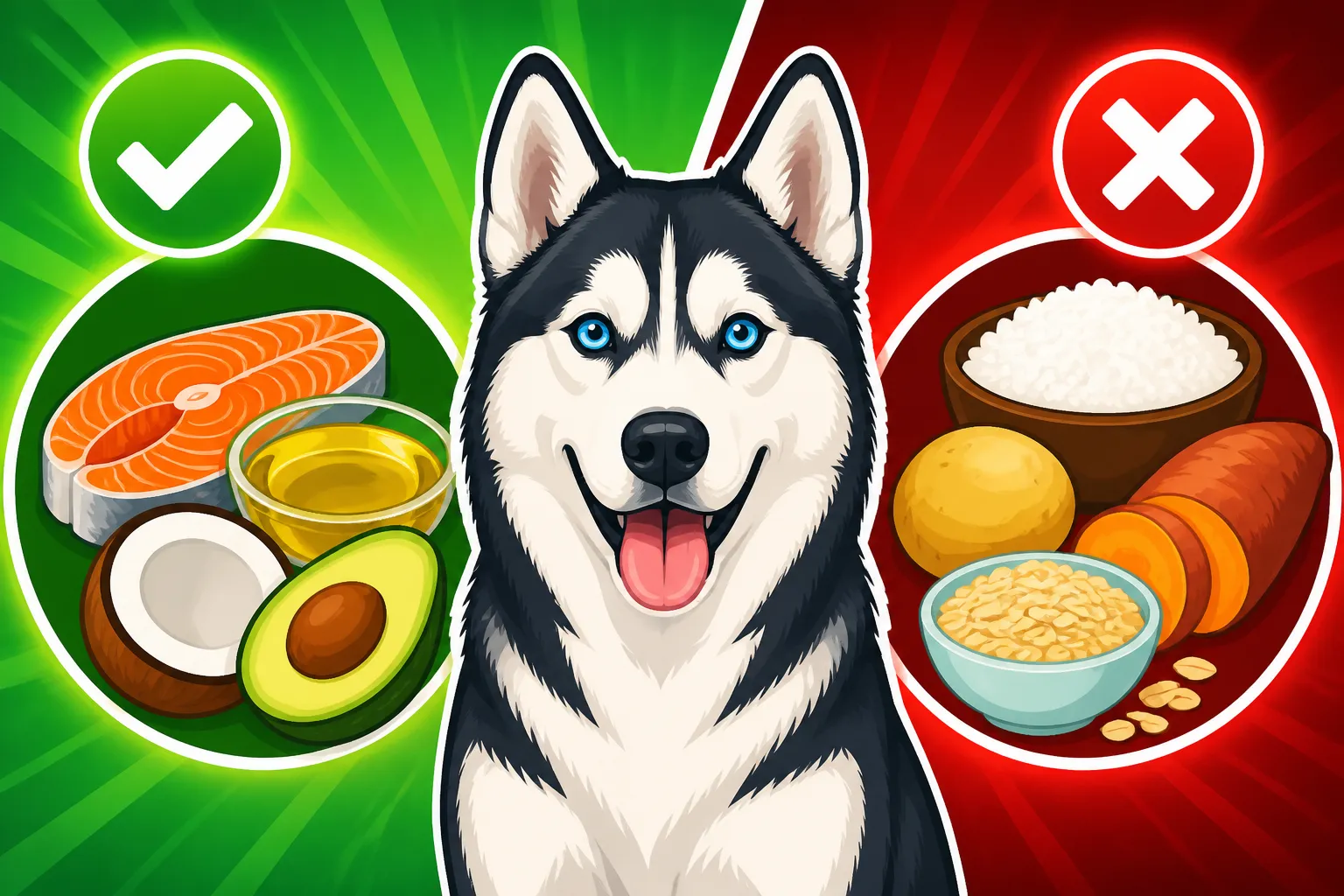
Why Fat Matters More Than Carbs for a Husky
Many Siberian Husky owners struggle to understand why their energetic, active dogs seem to eat less than expected, or why traditional "high-performance" dog foods don't always hit the mark. It's a common frustration, especially when you see conflicting advice everywhere. The truth is, your Husky's unique, ancient metabolism means that not all calories are created equal for them; for these incredible endurance athletes, fat is undeniably king, playing a far more critical role than carbohydrates in sustaining their health and energy. This guide will deep dive into why fat is so vital for your Husky and how to best incorporate it into their diet for optimal well-being.
The Unique Siberian Husky Metabolism: Built for Endurance, Not Storage
If you've ever owned another breed before a Siberian Husky, you've probably noticed something different about their eating habits and energy levels. They aren't like a Labrador that seems to live to eat, or a high-strung terrier that burns through calories at an alarming rate. Huskies are in a league of their own, metabolically speaking, a direct result of their history.
The Ancestral Diet and How it Shaped Their Needs
Imagine the unforgiving Arctic environment where the Siberian Husky originated. The Chukchi people bred these dogs for relentless endurance, pulling sleds over vast distances in freezing temperatures, often with limited food resources. They didn't have easy access to fields of grain or corn; their diet would have been rich in animal proteins and fats from hunts, with very minimal carbohydrates. This intense selective pressure over thousands of years sculpted a metabolism designed for extreme efficiency, one that prioritizes fat as its primary fuel source.
This ancestral diet meant that the dogs that thrived were those that could efficiently convert fat into energy, conserving their glycogen stores (energy from carbohydrates) for bursts of speed or emergencies. They evolved to be incredibly lean, almost never carrying excess body fat, and remarkably capable of extracting maximum nutrition from high-fat, high-protein meals. It's why many owners notice their Huskies often eat less than the recommended amounts on typical dog food bags – their bodies are just that efficient. This is a crucial concept to grasp, as trying to feed a Husky like a typical domestic dog can lead to dietary imbalances.
Understanding the "Glucose Sparing" Mechanism
One of the most fascinating aspects of the Siberian Husky's metabolism, and sled dogs in general, is what's known as "glucose sparing." In most mammals, including humans and many other dog breeds, carbohydrates (glucose) are the go-to fuel for high-intensity exercise. Your body breaks down carbs into glucose, stores it as glycogen, and then uses that glycogen for quick energy.
Huskies, however, have developed an incredible ability to spare their glucose. When they engage in prolonged exercise, like pulling a sled for hours, their bodies rapidly shift to burning fat as the primary energy source. They do this by increasing the activity of fat-burning enzymes and transporting fatty acids into their muscles more efficiently. This means they can maintain sustained effort without depleting their precious glycogen reserves, which are then available for those sudden bursts of speed or critical moments of exertion. Think of it like a hybrid car that knows when to switch from electric to gas to maximize efficiency.
This "glucose sparing" mechanism means that loading a Husky up with high-carbohydrate foods, while not inherently harmful in small amounts, isn't as beneficial for their sustained energy as a diet rich in healthy fats. In fact, too many carbs can be counterproductive, potentially leading to gastrointestinal upset or simply being stored as fat, rather than efficiently used as energy, which is something a truly fit Husky rarely does. This efficient metabolism is why understanding why Siberian Huskies eat less than a Labrador is so important.
Why Fat is the Husky's Fuel of Choice
For a Siberian Husky, fat isn't just about weight gain; it's the very bedrock of their incredible endurance, their gleaming coat, and their overall vitality. When we talk about their diet, fat is truly the hero nutrient.
Providing Sustained Energy for Their Active Lifestyle
Think about your Husky's natural drive: they want to run, explore, and exert themselves. Whether they're tearing around the backyard, joining you on a long hike, or, in some cases, truly working in harness, they need a consistent, reliable energy source. Fat provides just that. Unlike carbohydrates, which offer quick, short-lived bursts of energy followed by a crash, fat provides a slow, steady release of energy that can power them for hours. This aligns perfectly with their ancestral job of long-distance hauling.
When a Husky's body is efficiently burning fat, they avoid the "bonking" or energy depletion that can occur when glycogen stores run out. This translates to better stamina, more consistent performance, and less fatigue during and after exercise. If your Husky seems to tire easily, or lacks that characteristic boundless energy, a look at their dietary fat intake might be a good first step. Brands that focus on performance dog foods, often available on platforms like Chewy, frequently emphasize higher fat content for this very reason.
Essential Fatty Acids for Coat, Skin, and Overall Health
Beyond just energy, the right kinds of fats, specifically essential fatty acids like Omega-3 and Omega-6, are absolutely crucial for your Husky's health. These aren't just trendy supplements; they are vital components of every cell membrane in their body and play a huge role in anti-inflammatory processes.
- Skin and Coat Health: Have you ever seen a Husky with a dull, dry coat or flaky skin? Often, the culprit is a lack of sufficient healthy fats. Omega-3s (found in fish oil, flaxseed) and Omega-6s (in many plant oils and animal fats) contribute to a thick, lustrous coat and supple, healthy skin. They help maintain the skin's barrier function, protecting against environmental irritants and reducing itching. A healthy coat isn't just for looks; it's vital for their thermoregulation, both in cold and moderate weather.
- Joint Health: For a breed designed to move, joint health is paramount. Omega-3s, particularly EPA and DHA, have potent anti-inflammatory properties that can help reduce joint pain and stiffness, especially as a Husky ages. This can be a game-changer for active dogs who put a lot of wear and tear on their bodies.
- Brain and Eye Development: These fats are also critical for neurological development in puppies and maintaining cognitive function in older dogs. DHA, in particular, is a major structural component of the brain and retina.
- Immune System Support: Adequate essential fatty acids support a robust immune system, helping your Husky fight off illness and recover more quickly.
It's clear that fat isn't just fuel; it's a foundational nutrient for nearly every system in their body. For more on their specific dietary needs, check out The Protein Level a Siberian Husky Needs.
The Satiety Factor: Keeping a Husky Feeling Full
One common observation among Husky owners is that their dogs can be picky eaters or seem to eat less than expected. Given their efficient metabolism, a smaller quantity of nutrient-dense, fat-rich food often satisfies them more than a larger volume of carb-heavy kibble. Fat is more calorically dense than protein or carbohydrates, meaning a smaller amount provides more energy.
Moreover, fat takes longer to digest, contributing to a feeling of fullness and satisfaction that lasts longer. This can be incredibly helpful for managing weight, as a satiated Husky is less likely to beg for extra snacks or engage in destructive behaviors driven by hunger or boredom. It also means they're less likely to experience sharp spikes and drops in blood sugar, which can impact their energy and mood. A well-fed Husky, whose caloric needs are met with appropriate fat levels, tends to be a happier, more stable companion.
The Role of Carbohydrates: Not the Enemy, But Not the Hero
While fat takes center stage for Huskies, it doesn't mean carbohydrates have no place in their diet. It's more about understanding their appropriate role and avoiding over-reliance on them.
When Carbs Can Be Useful (and When They Aren't)
Carbohydrates are still a source of energy, and in moderation, they can be perfectly fine for a Siberian Husky, especially one leading a more typical "pet" lifestyle with moderate exercise. Good quality, complex carbohydrates like sweet potatoes, peas, and brown rice can provide dietary fiber, essential vitamins, and minerals.
- For Moderately Active Pets: A Husky that gets regular walks and playtime but isn't engaged in intense, sustained working activities might do well on a diet with a balanced moderate carb content. These carbs can top up glycogen stores, and the fiber aids digestion.
- As a Binder in Kibble: In commercially prepared kibble, carbohydrates often serve as a binder to create the desired shape and texture. It's almost impossible to find a kibble that is completely carb-free. The key is the proportion and type of carbohydrates. Look for foods where protein and fat are the leading ingredients, and carbs come from whole, digestible sources, not excessive fillers.
- Quick Energy for Short Bursts: While fat is for endurance, some very easily digestible carbs can provide a quick boost for short, intense activities, though this is less critical for a Husky's typical energy profile.
However, for a truly working Husky or one with a high-performance lifestyle, carbs should be a smaller percentage of their overall caloric intake. For those curious about specific working dog diets, Recovery Meals for a Working Siberian Husky offers great insights.
The Risks of Excess Carbohydrates for Huskies
The main issue with excessive carbohydrates for a Siberian Husky isn't that they're toxic, but that they are often inefficient and can lead to other problems.
- Weight Gain: While Huskies are known for their efficient metabolism, even they can gain weight if consistently fed an excess of calories, especially from easily digestible carbs that aren't being burned off. Unlike fat, which can be burned efficiently, excess carbs are more readily converted to and stored as body fat. Given that Siberian Husky Weight and Joint Health is important, avoiding unnecessary weight gain is key.
- Digestive Upset: Some Huskies can have sensitive stomachs, and a diet too high in certain carbohydrates or fillers can lead to gas, bloating, and loose stools. Their digestive systems are optimized for processing meat and fat, not large quantities of starchy plant matter.
- "Empty" Calories: Many cheaper dog foods use high amounts of corn, wheat, or soy as primary ingredients. While these provide calories, they often lack the dense nutritional value and essential fatty acids that a Husky truly thrives on. It can be like fueling a high-performance race car with regular unleaded – it'll run, but not optimally.
- Blood Sugar Fluctuations: While Huskies are good at glucose sparing, a diet consistently high in simple carbohydrates can still lead to more significant blood sugar fluctuations than a fat-centric diet, potentially impacting their sustained energy levels and overall metabolic stability.
Crafting the Ideal Husky Diet: Balancing Macros for Optimal Health
Understanding the "why" behind fat's importance is just the first step. Now, let's talk about putting it into practice to ensure your Husky gets the nutrition they need to thrive.
Looking Beyond the "Typical Dog Food" Label
Don't just grab any bag labeled "active dog formula." Many mainstream dog foods are formulated for a general canine population, which often means they're higher in carbohydrates to appeal to the broader market and lower in cost. For your Husky, you need to read those labels carefully.
- Prioritize Protein and Fat: When looking at ingredient lists, the first few ingredients should ideally be animal proteins (like chicken meal, lamb, fish) and healthy fats (chicken fat, salmon oil). Avoid foods where corn, wheat, or soy are among the first ingredients.
- Consider High-Quality Kibble: There are many excellent kibbles designed with higher protein and fat content that can be suitable. Look for brands that specifically cater to active or working breeds, though always double-check the actual Guaranteed Analysis. Platforms like Amazon and Chewy offer a vast selection, making it easier to compare nutritional breakdowns.
- Explore Fresh Food Options: Some owners find success with fresh, commercially prepared diets or even carefully balanced home-cooked meals (always consult with a veterinary nutritionist before going homemade). Brands like Ollie often offer higher-fat, meat-centric recipes that align well with a Husky's needs, often with fresh, whole ingredients. This can be a great way to control the exact macronutrient profile.
- The Power of Supplements: Even with a good diet, sometimes a boost is needed. High-quality fish oil supplements, rich in Omega-3s, can further support coat, skin, and joint health. Just be sure to discuss appropriate dosages with your vet.
| Nutrient Category | Ideal for Huskies (General Guideline) | Why It Matters | Common Sources |
|---|---|---|---|
| Fat | 18-25%+ (often higher for working dogs) | Primary energy, skin, coat, organ health, satiety | Chicken fat, salmon oil, flaxseed, beef tallow, eggs |
| Protein | 25-35%+ (high quality) | Muscle maintenance, growth, repair, essential amino acids | Chicken, beef, lamb, fish, eggs, quality meat meals |
| Carbohydrates | 20-30% (complex, low glycemic) | Fiber, minor energy contribution, vitamins | Sweet potatoes, peas, lentils, oats, brown rice |
Note: These are general guidelines. Individual needs vary based on age, activity level, and health status. Always consult your veterinarian for personalized dietary advice.
Practical Tips for Feeding Your Endurance Athlete
Once you've chosen the right food, how you feed it matters just as much.
- Start Small, Adjust Gradually: Remember, Huskies are efficient. Don't blindly follow the feeding chart on the bag; it's often too much. Start with about 60-70% of the recommended amount for a dog of your Husky's weight and activity level, then monitor their body condition. You should be able to easily feel their ribs but not see them prominently. If you need to put weight on your Husky, try increasing the fat slightly, as discussed in Getting Weight Onto a Thin Siberian Husky.
- Divide Meals: Two meals a day are generally better than one large one. This helps with digestion and maintains a more consistent energy level throughout the day.
- Hydration is Key: Ensure your Husky always has access to fresh, clean water, especially if they are on a higher fat and protein diet, which can sometimes increase thirst.
- Monitor Body Condition: Regularly assess your Husky's weight and body condition. Run your hands over their ribs, spine, and hips. Adjust food intake as needed based on their activity levels. A healthy weight is crucial for their long-term well-being.
- Quality Over Quantity: Always choose high-quality ingredients. A food with excellent fat and protein sources will be far more beneficial, even in smaller amounts, than a cheaper, filler-heavy food.
- Consider Their Life Stage: Puppies, adult dogs, and seniors have different needs. A growing puppy will need more calories and nutrients for development, while a senior might need fewer calories but still require excellent protein and fat for muscle and joint support. You can read more about Feeding a Siberian Husky Puppy on Less Food Than You Think for early life stages.
By focusing on high-quality fats and proteins, and being mindful of carbohydrate content, you'll be well on your way to fueling your Siberian Husky like the magnificent endurance athlete they were born to be.
Disclaimer
This article is for general informational purposes only and does not constitute professional advice. Laws, prices and regulations vary by location and change over time. Consult a qualified professional for guidance on your specific situation.