Whether Siberian Huskies Can Eat Bones
It's a question that gnaws at many of us Siberian Husky owners: "Can my Husky eat bones?" We see our dogs' primal instincts, their desire to chew, and the allure of giving them something natural. But the internet is awash with conflicting advice, leaving you wondering if you're doing right by your fur-child or inadvertently putting them at risk. This guide cuts through the noise, offering realistic insights into the safety of feeding bones to your beloved Siberian Husky.
The Raw Bone vs. Cooked Bone Divide: A Critical Distinction for Huskies
Before we even dive deep into the nuances, let's establish one non-negotiable rule that applies to all dogs, and especially our strong-jawed Huskies. The type of bone you consider offering makes all the difference in the world between a safe treat and a potential emergency room visit.
Why Cooked Bones Are a Strict No-Go for Any Dog, Especially a Husky
I cannot stress this enough: Never, ever feed your Siberian Husky cooked bones. This isn't just a recommendation; it's a critical safety warning that every dog owner needs to take to heart. When bones are cooked, whether baked, boiled, fried, or smoked, their structure changes drastically. They become brittle and prone to splintering into sharp shards. Imagine those razor-sharp fragments traveling through your Husky's delicate digestive tract. The thought alone is enough to send shivers down your spine.
These splinters can cause a terrifying array of issues, from perforating the esophagus, stomach, or intestines, to causing severe blockages that require emergency surgery. I've heard too many heartbreaking stories of owners who, meaning well, offered their Husky a leftover dinner bone, only to end up with a huge vet bill and a gravely ill dog. The frustration of learning this the hard way is immense, and it's a mistake we absolutely want to help you avoid. So, whether it's that delicious rib bone from your BBQ or the remains of a chicken leg, resist the urge to share it with your Husky.
The Appeal of Raw Bones for Dental Health and Enrichment
On the flip side, the idea of feeding raw bones often comes from a good place. Many owners are trying to address their Husky's intense chewing needs or improve their dental health naturally. The thought is that the gnawing action on a raw bone can help scrape away tartar and plaque, mimicking what wild canids might do. Plus, a good raw bone can provide hours of mental and physical enrichment, keeping a bored Husky occupied and out of trouble. For a breed known for its cleverness and occasional destructive tendencies when under-stimulated, the appeal of a long-lasting chew is understandable.
It’s completely natural to want to give your dog something that feels instinctual and beneficial. The glossy advertisements of dogs happily gnawing on raw bones can be very persuasive. You might think, "My Husky has strong jaws; they were bred for rugged conditions, surely they can handle a bone." And while their jaws are powerful, their internal anatomy is still vulnerable to injury, just like any domestic dog. The key is distinguishing between a safe chew and a dangerous one.
The Unique Digestive System of a Siberian Husky
Siberian Huskies are fascinating creatures, known for their incredible endurance and efficient metabolism. They can often thrive on less food than you'd expect for their size and activity level, a trait honed by generations of working in harsh Arctic conditions. This efficient metabolism also means they can digest and utilize nutrients effectively. However, this doesn't grant them a superpower against foreign objects in their digestive tract. While a wild ancestor might have crunched through bones as part of a whole prey diet, domestic dogs, even Huskies, are not always equipped to safely process all types of raw bones, especially when offered in isolation.
Their digestive systems, while robust for processing meat and fat, are not foolproof against sharp fragments or indigestible chunks. The idea that a Husky can just "pass" anything they swallow is a dangerous myth. Their gut can be just as susceptible to blockages and perforations as a smaller, less hardy breed. It's a prime example of why understanding your Husky's biology means more than just appreciating their strength; it means respecting their vulnerabilities.
Types of Raw Bones: Not All Are Created Equal for Huskies
Okay, so cooked bones are out. But what about raw bones? This is where it gets a little more complicated, and frankly, a lot more controversial within the dog community. It's not a simple yes or no; it depends heavily on the type of bone, your dog's chewing style, and your willingness to supervise diligently.
Weight-Bearing Bones: Too Hard, Too Dangerous
When people think of giving their dog a "bone," they often picture large, dense marrow bones from cows or other large animals. These are typically the weight-bearing bones like femurs or leg bones. While they might seem robust and long-lasting, these bones are actually too hard for your Siberian Husky's teeth. Huskies have incredibly strong jaws, and they can absolutely fracture a tooth trying to crack one of these open.
A fractured tooth is not a minor issue. It can be incredibly painful for your dog, lead to infections, and often requires expensive veterinary intervention, including root canals or extraction. Imagine the discomfort of a cracked molar that’s sensitive to hot and cold, or worse, develops an abscess. It's a preventable problem that can cause immense suffering and a significant hit to your wallet. Siberian Husky Dental Disease by Age Five is a common concern, and trying to "clean" teeth with overly hard bones can ironically lead to more serious dental problems. It’s a frustrating trade-off, isn't it? You want to help their teeth, but you risk breaking them instead.
Recreational Bones: Chewing for Fun, Not Eating
Recreational bones are raw bones given purely for the purpose of chewing, with the understanding that the dog will not consume the entire bone. These are often larger knuckle bones, beef femurs (with marrow scooped out), or soup bones. The idea here is that your Husky will gnaw on the bone, scrape some meat off, and get mental stimulation, but you will remove it once it becomes small enough to swallow whole or break into dangerous pieces.
The challenge with Huskies, however, is their determination. They are persistent chewers, and what starts as a recreational bone can quickly become an edible one as they chip away at it. You must be present and vigilant the entire time your Husky has a recreational bone. If they manage to break off a large chunk, or if the bone has been gnawed down to a size that could be swallowed, it needs to be taken away immediately. This constant supervision can be exhausting, and it's why many owners ultimately decide the risk outweighs the reward. It's a lot of work to ensure safety for something that's only maybe beneficial.
Edible Raw Bones: The Small, Soft Bones That Can Be Part of a Diet
When proponents of raw feeding talk about feeding bones, they are typically referring to "edible raw bones." These are small, non-weight-bearing bones that are soft enough to be crushed and fully digested by a dog. Think raw chicken necks, chicken backs, turkey necks, or even small raw fish carcasses. These bones are meant to be consumed whole, or in large chunks, providing calcium and phosphorus in a digestible form.
The theory is that the relatively pliable nature of these bones makes them less likely to splinter into dangerous shards, and their small size means they pass through the digestive system more easily. However, this still comes with caveats. A Husky that gulps food, or doesn't chew sufficiently, could still choke on a chicken neck. Introducing these types of bones needs to be done gradually and with intense supervision, especially if your Husky is prone to devouring food quickly. If you are considering a raw diet that includes edible bones, it's absolutely crucial to consult with a veterinary nutritionist to ensure proper balance and safety. Brands like Ollie often offer balanced, fresh food options, but even with those, bone content requires careful consideration and professional guidance. It's never as simple as just tossing them a raw chicken leg.
The Risks and Realities of Feeding Raw Bones to a Siberian Husky
Even with the best intentions and the most careful selection, feeding raw bones to a Siberian Husky carries inherent risks. It's crucial to be fully aware of these potential dangers before making any decisions for your dog.
Choking Hazards and Intestinal Obstructions
This is perhaps the most immediate and terrifying risk. A Husky, with its powerful bite, can snap off a piece of a bone that is too large to safely swallow but small enough to become lodged in their throat. This can lead to choking, which is a life-threatening emergency. If a bone fragment makes it past the throat but gets stuck further down in the esophagus or stomach, it can cause an obstruction. Symptoms can range from vomiting and lethargy to severe abdominal pain and refusal to eat. These situations often require endoscopic removal or even invasive surgery, which is incredibly stressful for both you and your dog, not to mention the significant financial burden. What Siberian Husky Emergency Visits Run can be substantial, and preventing them is always the best approach.
Moreover, even if a bone fragment passes through the stomach, it can still cause problems in the intestines. Sharp edges can irritate or perforate the intestinal wall, leading to peritonitis – a life-threatening infection of the abdominal cavity. Or, indigestible pieces can clump together, forming an obstruction that prevents anything else from passing through. The reality is, even with edible bones, there's always a chance something goes wrong, and for a breed like the Husky, who can be quite enthusiastic eaters, the risk is elevated.
Dental Damage: Cracked Teeth and Costly Vet Bills
As mentioned earlier, the risk of fractured teeth is very real, especially with harder, weight-bearing bones. Huskies love to chew, and they'll apply immense force to get to the marrow or break down a tough bone. This sheer force, combined with the rigidity of some raw bones, is a recipe for disaster for their pearly whites. A cracked tooth isn't always immediately obvious; your dog might quietly suffer with pain, only showing subtle signs like favoring one side of their mouth, drooling, or being hesitant to chew on harder toys or food.
The long-term consequences can include severe pain, abscesses, and the need for expensive dental procedures. Depending on which tooth is affected, this could mean a surgical extraction or a root canal, both of which involve anesthesia and specialized veterinary care. Dental Cleaning Costs for a Siberian Husky are already a factor, and adding emergency dental surgery on top of that is something no owner wants to face. It defeats the very purpose of trying to promote dental health naturally if it ends up causing more severe, painful, and costly problems.
Bacterial Contamination and Food Safety for Both Dog and Human
Raw bones, like any raw meat product, can harbor harmful bacteria such as Salmonella, E. coli, and Listeria. While dogs' digestive systems are generally more resilient to some bacteria than humans', they are not immune. Your Husky could become ill, experiencing vomiting, diarrhea, and lethargy. More concerning, these bacteria can be shed in their feces and saliva, posing a significant health risk to humans in the household, especially children, the elderly, or anyone with a compromised immune system.
Cross-contamination in your home is a serious concern. Surfaces, bowls, and even your hands can transfer bacteria if not cleaned meticulously after handling raw bones. This adds an extra layer of responsibility and vigilance to feeding raw bones that many owners simply aren't prepared for. You're not just feeding your dog; you're managing a potential public health risk within your own home. It’s a reality often overlooked in the enthusiasm for "natural" feeding, but it's a critical factor for responsible pet ownership.
Nutritional Imbalances if Bones Are a Primary Part of the Diet
Some owners, aiming for a "natural" diet, might try to incorporate a large percentage of bones into their Husky's meals without proper guidance. While calcium and phosphorus are essential, feeding too many bones can lead to severe nutritional imbalances. Too much bone can cause constipation, leading to painful straining and potentially rectal prolapse. On the other hand, an insufficient amount of bone (if trying to make it an edible part of a meal) can lead to a calcium deficiency, which is just as dangerous.
A truly balanced raw diet, one that includes edible bones, requires meticulous planning, precise ratios of muscle meat, organ meat, and bone, often calculated by weight. This is not something to embark on lightly or without the guidance of a board-certified veterinary nutritionist. Most commercial dog foods, including high-quality kibbles or fresh food services available on Chewy or even through direct providers like Ollie, are formulated to be nutritionally complete and balanced without the need for supplementary bones, especially since Why a Balanced Diet Does Not Fix Husky Zinc Loss and other unique nutritional needs are already factored in. Relying on bones for nutrition without expert advice is a recipe for health problems down the line.
Safer Alternatives for Dental Health and Chewing Satisfaction
Given the significant risks associated with feeding bones, especially raw ones, to Siberian Huskies, many owners understandably look for safer alternatives that still satisfy their dog's innate chewing instincts and help maintain good oral hygiene. The good news is, there are plenty of excellent options out there!
Dental Chews and Toys: Engineered for Safety and Effectiveness
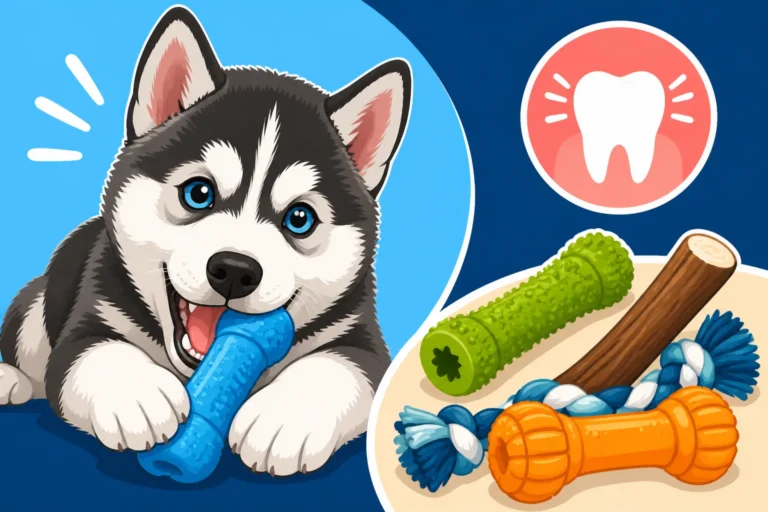
The market is full of dental chews and toys specifically designed to promote oral health without the dangers of real bones. These products are often formulated with ingredients that help reduce plaque and tartar, and their textures are engineered to provide mechanical abrasion on the teeth as your Husky chews. Look for brands that are Veterinary Oral Health Council (VOHC) approved, as this certification indicates that the product meets specific standards for efficacy in controlling plaque and tartar. You can find a wide variety of these on platforms like Amazon or Chewy.
When choosing dental chews, consider your Husky's size and chewing strength. You want something durable enough to last but not so hard that it risks breaking teeth. Always supervise your Husky, especially when they first try a new chew, to ensure they aren't trying to swallow large pieces. These chews offer a controlled, safer way to contribute to dental hygiene between professional cleanings, without the worry of splinters or obstructions.
Appropriate Chew Toys: Durable and Engaging Options
Beyond specific dental chews, there’s a whole world of durable chew toys that can keep your Husky happily occupied for hours. Look for toys made from tough rubber (like KONGs), nylon, or other non-toxic, nearly indestructible materials. Puzzle toys that you can stuff with treats (like a bit of Monthly Food Spend for an Adult Siberian Husky or some dog-safe peanut butter) are fantastic for mental stimulation, which is just as important as physical exercise for a clever breed like the Husky. These toys redirect their powerful chewing drive away from your furniture and shoes, and onto something safe and appropriate.
The key here is durability and safety. Avoid toys that can be easily shredded or swallowed in large pieces. Regularly inspect your Husky's chew toys for wear and tear, and replace them when they become too small or damaged. This proactive approach ensures that your Husky always has access to safe, satisfying chewing opportunities. For a dog that loves to destroy things, giving them a constructive outlet is paramount.
Professional Dental Care: The Gold Standard for Husky Oral Health
While chews and toys can certainly help, they are supplements to proper oral hygiene, not replacements for professional veterinary dental care. The absolute best way to ensure your Siberian Husky's dental health is through regular check-ups and professional cleanings performed by your veterinarian. During these appointments, your vet can assess the overall health of their teeth and gums, identify any developing issues like gingivitis or fractured teeth, and perform a thorough cleaning under anesthesia to remove hardened plaque and tartar above and below the gum line.
Just like with humans, preventive dental care is key to avoiding more serious problems down the road. Regular vet visits allow for early detection and intervention, which can save your Husky from pain and you from significant unexpected costs. Remember, Siberian Husky Dental Disease by Age Five is a common reality for many dogs, and staying on top of it with your vet is the most reliable strategy. It might not be as "natural" as a bone, but it's unequivocally safer and more effective for their long-term health.
| Bone Type | Description | Risks for Huskies | Potential Benefits | Recommendation |
|---|---|---|---|---|
| Cooked Bones | Any bone that has been heated (baked, boiled, etc.) | EXTREME: Splintering, choking, internal perforations, obstructions. | NONE. | ABSOLUTELY AVOID |
| Hard Raw Bones | Large weight-bearing bones (beef femurs, knuckles) | HIGH: Fractured teeth, choking if swallowed whole. | Recreational chewing, mental stimulation. | AVOID (high dental risk) |
| Soft Edible Raw Bones | Non-weight-bearing (chicken necks, backs, wings) | MODERATE: Choking, bacterial contamination, nutritional imbalance if not balanced. | Calcium/phosphorus source, dental scraping. | CONSULT VET NUTRITIONIST & SUPERVISE INTENSELY |
| Dental Chews | Commercially made chews for plaque/tartar reduction | LOW: Choking if swallowed whole (supervise). | Reduces plaque/tartar, satisfies chewing. | HIGHLY RECOMMENDED |
| Durable Chew Toys | Non-edible toys (KONG, nylon) | LOW: Choking if toy is too small or broken (supervise, replace). | Mental enrichment, redirects chewing, keeps teeth clean. | HIGHLY RECOMMENDED |
Ultimately, while the idea of giving your Siberian Husky a bone might feel natural and beneficial, the risks often far outweigh any perceived rewards. Cooked bones are an absolute no-go due to their tendency to splinter and cause severe internal damage. Even raw bones come with a host of potential dangers, from choking and fractured teeth to bacterial contamination and nutritional imbalances.
As a dedicated Husky owner, your dog's safety and well-being are paramount. Thankfully, there are many safe, effective, and veterinarian-approved alternatives that can satisfy your Husky's chewing instincts and contribute to excellent dental health without putting them in harm's way. Focus on high-quality dental chews, durable chew toys, and, most importantly, consistent professional dental care from your veterinarian. Your Husky will thank you for it, and you'll have peace of mind knowing you're providing them with the best care possible.
Disclaimer
This article is for general informational purposes only and does not constitute professional advice. Laws, prices and regulations vary by location and change over time. Consult a qualified professional for guidance on your specific situation.