The Diphtheria Outbreak That Sent Huskies to Nome
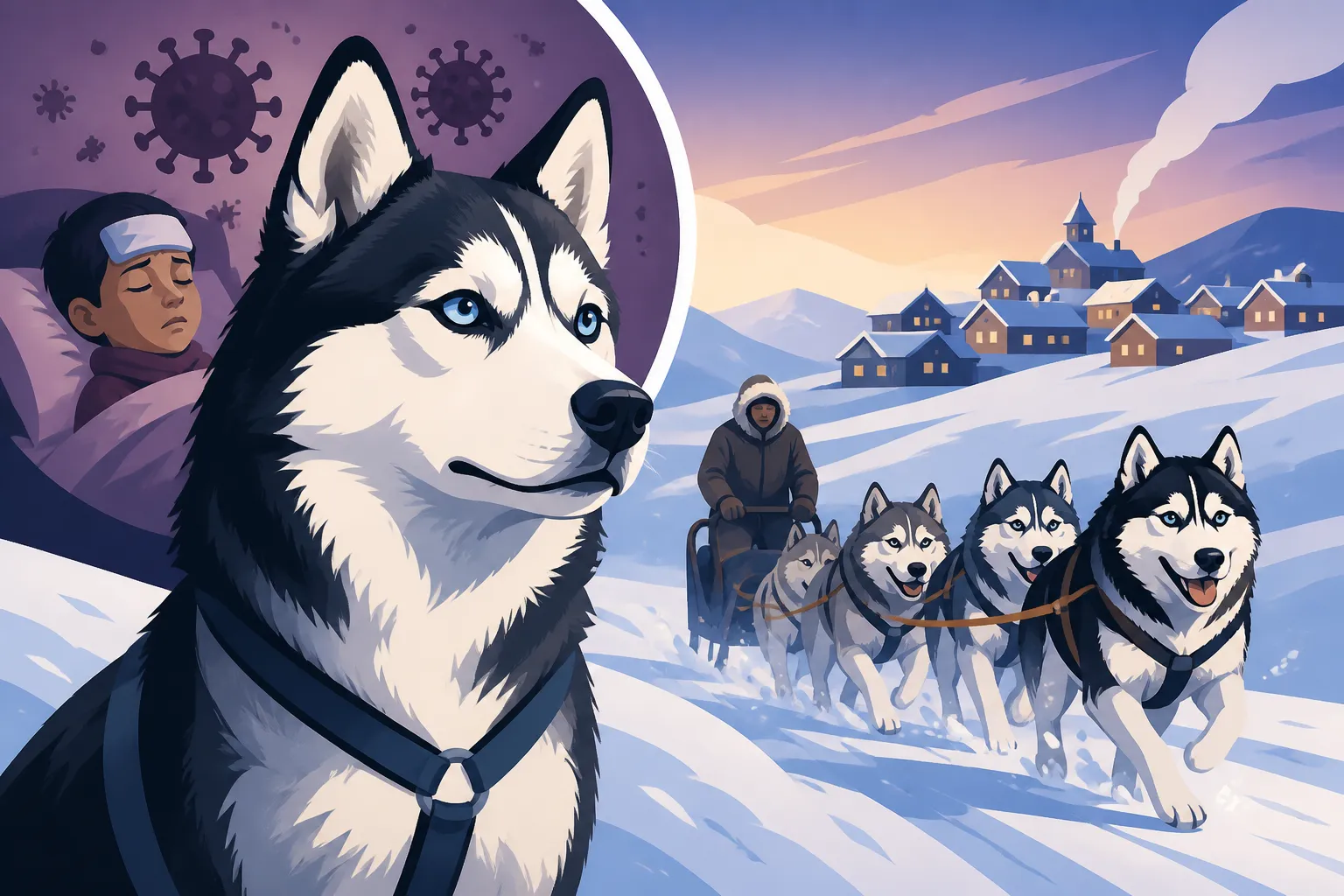
Imagine living in an isolated town, cut off by severe winter storms, where a deadly disease begins to spread among your children. That was the harrowing reality facing Nome, Alaska, in January 1925, and it led to one of the most incredible stories of canine heroism ever told. This guide delves into the desperate diphtheria outbreak that ravaged Nome and how a relay of brave mushers and their resilient Siberian Huskies saved the day, forever etching their legacy into history.
The Silent Threat: Diphtheria's Grip on Nome
In the remote reaches of Alaska, far from modern medical facilities and communication networks, the winter of 1925 descended with its usual brutal force. For the small, isolated town of Nome, however, this winter brought not just cold and snow, but a far more insidious and deadly enemy: diphtheria. The disease was a ticking time bomb, threatening to wipe out the town's children.
What Diphtheria Was and Its Danger
Diphtheria is a highly contagious bacterial infection that primarily affects the throat and nasal passages. It creates a thick, grey membrane that can obstruct breathing and swallowing, leading to suffocation. Beyond the immediate respiratory distress, the bacteria produce a toxin that can damage the heart, nerves, and kidneys, often resulting in severe complications, paralysis, and death. Before the widespread use of vaccines and antitoxin, diphtheria was a terrifying killer, especially among children, and it spread rapidly in close-knit communities.
The symptoms were harrowing: fever, sore throat, swollen glands, and that tell-tale membrane. Parents watched in terror as their children struggled for breath, knowing that without a specific antitoxin, their chances of survival were slim to none. It wasn't just a sickness; it was a plague that promised to decimate the next generation of Nome. The fear was palpable, a heavy blanket of dread hanging over every household.
Nome's Isolation and Lack of Resources
Nome, situated on the Seward Peninsula, was a thriving gold rush town, but its remote location made it incredibly vulnerable. During the harsh Alaskan winter, the port was frozen solid, making sea travel impossible. The only reliable link to the outside world was the Iditarod Trail, a frozen, winding path typically used by dog sled teams to deliver mail and supplies. There were no roads connecting Nome to larger cities, and air travel was still in its infancy, considered too dangerous and unreliable for winter delivery.
The town's single doctor, Curtis Welch, faced an impossible situation. He recognized the severity of the outbreak but had a critically low supply of antitoxin, with much of it being past its expiration date. He knew that the small amount he possessed wouldn't be enough to treat even a fraction of the population, let alone stop an epidemic. The nearest fresh supply was over a thousand miles away, in Anchorage, and the clock was ticking against the lives of the town's children. The Diphtheria Outbreak That Called Out the Huskies truly highlights this desperate situation.
A Desperate Plea: Racing Against Time
As diphtheria cases mounted and the existing antitoxin dwindled, Dr. Welch sent out an urgent plea for help. The stakes couldn't have been higher; the lives of an entire community hung in the balance. The solution would require unprecedented cooperation and an incredible feat of endurance.
The Urgent Call for Antitoxin
On January 21, 1925, Dr. Welch wired the territorial health department, describing the escalating crisis and his dire lack of antitoxin. The message quickly reached Governor Scott Bone, who understood the gravity of the situation. A shipment of 300,000 units of antitoxin was located in Anchorage, but transporting it to Nome was the challenge. Initial thoughts turned to air travel, as a pilot named Roy Darling had a biplane available. However, the plane was open-cockpit, prone to freezing, and the engines were unreliable in extreme cold. Navigation over the vast, featureless Alaskan interior in winter whiteouts was also nearly impossible.
The conditions were so severe that even contemplating air travel felt like a fool's errand. The risk of the plane crashing, or the precious cargo freezing and becoming useless, was simply too high. With temperatures plummeting to -50 degrees Fahrenheit and blizzard conditions raging, a conventional delivery method was out of the question. The lives of hundreds depended on finding a way to bridge this immense distance quickly and safely.
Why the Dog Sled Was the Only Option
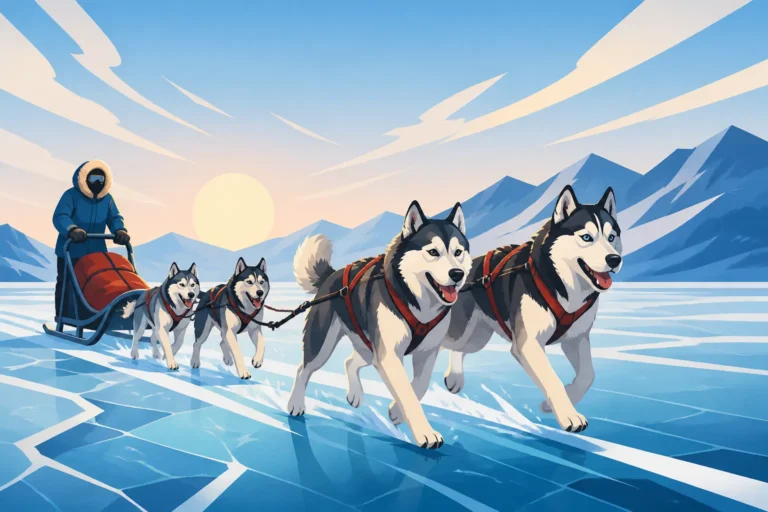
With air travel deemed too perilous, the decision was made: the antitoxin would travel by dog sled relay. This wasn't a casual choice; it was a testament to the proven reliability and incredible endurance of sled dogs and their mushers in the brutal Alaskan environment. The plan was audacious: a relay of 20 teams, covering approximately 674 miles from Nenana to Nome, through some of the most unforgiving terrain on Earth. Each team would run a segment, passing the precious cargo from musher to musher, much like a modern-day Olympic torch relay.
The sled dog, and specifically the Siberian Husky, had already proven its mettle in events like The All-Alaska Sweepstakes and the Siberian Husky, demonstrating unparalleled speed and endurance. The mushers, seasoned veterans of the trail, knew the routes, the risks, and how to push their teams to their absolute limits. It was a race against the very forces of nature, a battle where the tenacity of man and dog would be tested to its breaking point, with time being the ultimate adversary. Every second counted, and every mile was a fight against the relentless Alaskan winter.
The Heroes of the Trail: Siberian Huskies and Their Mushers
The Nome Serum Run, or "Great Race of Mercy," captured the world's imagination not just because of the urgency, but because of the incredible bravery of the individuals and, most notably, the canine athletes involved. Without these dogs, the mission would have been impossible. Their unique traits, perfected over generations, made them indispensable.
The Unsung Canine Athletes
The true backbone of the serum run was the sled dog. These were not pampered pets; they were hardened, dedicated workers, often of the Siberian Husky breed, bred for centuries by the Chukchi people for speed, endurance, and remarkable cold tolerance. Their thick double coats, keen instincts, and an almost insatiable desire to run made them perfectly suited for the task. They were accustomed to pulling heavy loads over vast distances, often on minimal rations, and possessed an innate ability to navigate treacherous snow-covered trails.
The relay involved diverse teams, but the Siberian Huskies stood out for their agility and speed. They were lean, efficient machines, capable of maintaining a brisk pace for hours on end, even through blizzards and over frozen rivers. Each dog played a vital role, from the lead dogs, who set the pace and navigated, to the swing and wheel dogs, who provided power and steering. This collective effort, a testament to the bond between musher and dog, was what made the impossible journey feasible. For a deeper understanding of their lineage, see The Chukchi Origins of the Siberian Husky.
Leonhard Seppala and His Legendary Team (Togo)
Among the many brave mushers, Leonhard Seppala was arguably the most famous and skilled. His team, led by the incomparable Togo, was tasked with running the longest and most dangerous leg of the relay. Togo, an eleven-year-old Siberian Husky, was a small dog with an enormous spirit and unparalleled leadership abilities. He was known for his intelligence, strength, and an almost supernatural sense of direction, even in whiteout conditions where human visibility was zero.
Seppala and Togo's segment covered an astonishing 264 miles, including a perilous crossing of the exposed ice of Norton Sound, a shortcut that saved valuable time but risked plunging the entire team into the frigid Arctic ocean. Togo, the Siberian Husky Who Ran 264 Miles details their extraordinary journey. Their leg of the relay was a monumental undertaking, pushing the limits of survival, and it's widely regarded as the most heroic individual effort of the entire run. Togo's leadership and Seppala's experience kept them alive and moving forward through unimaginable hardships.
Gunnar Kaasen and Balto's Final Leg
While Togo and Seppala ran the longest and most treacherous leg, it was Gunnar Kaasen and his lead dog, Balto, who completed the final 53 miles into Nome. Balto, a black and white Siberian Husky, was a sturdy, powerful dog, perhaps not as famed for his intelligence as Togo, but undoubtedly brave and tenacious. Kaasen and Balto faced a fierce blizzard during their final stretch, with winds so strong they nearly blew the entire team off the trail. Visibility was so poor that Kaasen sometimes couldn't even see Balto at the head of his team.
Despite these terrifying conditions, Balto instinctually navigated the last treacherous miles, leading his team through the blinding snow and delivering the antitoxin to Nome on February 2, 1925, saving the town. His arrival was met with immense relief and celebration, instantly catapulting Balto into international fame. Balto, the Siberian Husky Who Reached Nome became the face of the heroic effort, forever enshrined in public memory. You can still learn more about What Happened to the Husky Balto After 1925 and his journey to celebrity.
The Gauntlet of Ice and Snow: The Journey's Brutal Conditions
The Nome Serum Run wasn't just a test of speed and endurance; it was a brutal struggle against one of the harshest environments on Earth. The mushers and their dogs faced an unrelenting onslaught of extreme weather and perilous terrain, proving their mettle against truly impossible odds.
Battling the Alaskan Winter
The Alaskan winter in January is notoriously unforgiving, and the 1925 conditions were exceptionally severe. Temperatures plummeted to 50 degrees below zero Fahrenheit, made even more piercing by gale-force winds that created wind chills potentially reaching -100 degrees Fahrenheit. Blizzards roared across the landscape, reducing visibility to mere feet and creating drifts that buried trails. This kind of cold is not just uncomfortable; it's deadly, capable of causing severe frostbite in minutes and hypothermia in a matter of hours.
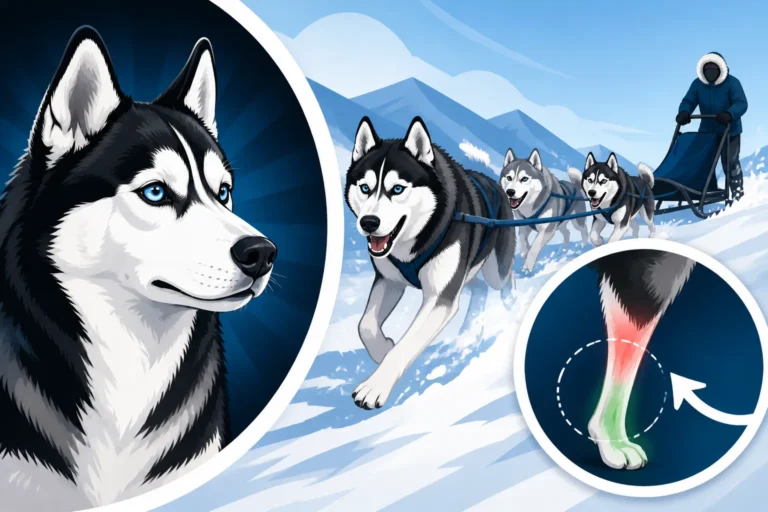
Mushers had to constantly monitor their dogs for signs of distress, icing on their paws, or injuries. They wrapped their own faces to prevent frostbite and fought through the numbing cold and exhaustion. The dogs, with their incredible double coats, like those discussed in Cold Tolerance Limits for a Siberian Husky, were better equipped for the cold, but even they were pushed to their limits. Protecting their paws from the brutal ice and sharp snow, which can cause painful abrasions, was a constant concern.
Navigating Treacherous Terrain
Beyond the cold, the terrain itself was a formidable enemy. The 674-mile route from Nenana to Nome traversed frozen rivers, vast open tundra, steep mountain passes, and dense forests. Mushers had to contend with thin ice that could crack under the weight of the sled, deep snowdrifts that swallowed dogs whole, and treacherous descents that demanded absolute control. The route offered few landmarks in a whiteout, making navigation a matter of instinct and profound experience.
The most famous example of this treacherous terrain was the crossing of Norton Sound by Seppala and Togo. The shortcut across the shifting ice of the Sound was incredibly risky, with the constant threat of ice floes breaking off or tides pulling the team out to sea. This leg highlighted the extreme dangers faced, where a single misstep or a sudden change in conditions could mean certain death for the entire team. Tales of this harrowing journey are recounted in detail in posts such as The Temperatures the Serum Run Huskies Faced and Frostbite on Siberian Husky Ears and Tails, showcasing the incredible fortitude required.
Logistics on the Frozen Trail
Managing the logistics for a relay of this magnitude across such an unforgiving landscape was a monumental task. The serum itself, encased in a metal cylinder and wrapped in fur to prevent freezing, was the most critical item. Each musher was responsible for passing this precious package to the next, often at remote roadhouses or designated stops along the trail. Communication was sporadic at best, relying on telegraph lines that were often downed by storms.
Mushers carried minimal supplies, knowing that every ounce added to the weight their dogs had to pull. This meant carefully rationed food for themselves and their teams, often high-fat content for the dogs to sustain their energy, which you can read more about in articles about feeding working dogs. Rest stops were brief, dictated by the urgency of the mission. It was a finely tuned operation, with each musher and team understanding their role in the larger, life-saving effort. The cooperation among How Many Husky Teams Ran the Serum Relay was absolutely essential.
Beyond the Finish Line: The Legacy of the Serum Run
The arrival of the antitoxin in Nome marked not just the end of a dangerous journey, but the beginning of a powerful legacy. The Serum Run became a worldwide sensation, elevating the status of the Siberian Husky and highlighting the enduring spirit of Alaska.
Saving Nome: The Immediate Aftermath
When Balto and Gunnar Kaasen finally pulled into Nome on February 2nd, the relief was immense and immediate. The antitoxin was quickly distributed, and Dr. Welch began administering it. The spread of diphtheria was halted, and countless lives, particularly those of children, were saved. The heroic effort was broadcast around the world, making headlines and captivating audiences who marvelled at the bravery of the mushers and their dogs.
The Serum Run became a symbol of human and canine resilience against the overwhelming power of nature. It solidified the image of the loyal, hardworking sled dog in the public consciousness and showcased the unique challenges and triumphs of life in the Alaskan wilderness. The town of Nome was saved, not by modern technology, but by the ancient partnership of humans and dogs.
The Rise to Fame of the Siberian Husky
The heroic tales of Togo and Balto, and indeed all the dogs of the relay, brought unprecedented attention to the Siberian Husky breed. Suddenly, these hardy, beautiful dogs, originally bred for endurance and speed by the Chukchi people, were recognized globally for their incredible capabilities. Balto, in particular, became a celebrity, touring the country and even having a statue erected in his honor in New York City's Central Park. This newfound fame led to a surge in interest in the breed, eventually contributing to its official recognition by the American Kennel Club.
The 1926 Siberian Husky Tour of American Cities introduced many Americans to the breed for the first time, showcasing their intelligence and calm temperament despite their wild appearance. This widespread recognition was a major factor in the breed's growing popularity and eventual AKC Recognition of the Siberian Husky in 1930, solidifying its place in canine history. Many people today still acquire Siberian Huskies based on this enduring legacy of heroism and beauty.
Enduring Lessons for Dog Owners Today
The story of the Nome Serum Run offers powerful lessons for every dog owner, even a century later. It underscores the incredible capabilities of dogs when properly cared for, trained, and given a purpose. It reminds us of the deep bond that can form between humans and their canine companions, a bond forged through shared challenges and mutual trust. The dogs of the Serum Run were not just pets; they were partners, relied upon for their lives.
For modern Siberian Husky owners, this story is a vivid reminder of their dog's heritage. Huskies are bred to run, to work, and to face challenges. Providing them with ample exercise, mental stimulation, and a secure environment that respects their unique instincts (like a strong fence from a company such as Chewy, for example, to prevent escapes for adventurous breeds) is crucial. It also highlights the importance of regular veterinary care and proper nutrition to maintain their health and capabilities, allowing them to live up to their incredible genetic potential, whether they're pulling a sled or just chasing a ball in the park. Which Siberian Husky Really Saved Nome continues to spark debate, but the collective heroism of all the teams is undeniable.
| Musher & Lead Dog | Distance Covered (Miles) | Key Challenge | Contribution |
|---|---|---|---|
| Leonhard Seppala & Togo | ~264 | Crossing Norton Sound's treacherous ice | Longest, most dangerous leg; saved critical time |
| Gunnar Kaasen & Balto | ~53 | Final leg through blinding blizzard | Delivered serum to Nome; gained widespread fame |
| "Wild Bill" Shannon & Blackie | ~50 | Coldest stretch of the relay (-62°F) | Maintained speed in extreme conditions |
| Henry Ivanoff & Fox | ~40 | Short but critical handoff point | Ensured continuity of the relay |
| Charlie Olson & Jack | ~25 | Tricky river crossings | Navigated icy waterways effectively |
Disclaimer
This article is for general informational purposes only and does not constitute professional advice. Laws, prices and regulations vary by location and change over time. Consult a qualified professional for guidance on your specific situation.