Telling a Siberian Husky From an Alaskan Malamute
It's incredibly common for people to mix up the Siberian Husky and the Alaskan Malamute. They're both stunning, powerful Northern breeds with thick coats and a wolf-like appearance, which makes distinguishing them a real head-scratcher for many. If you've ever found yourself wondering if that majestic dog pulling a sled on TV is a Husky or a Malamute, or if your friend's new puppy is one or the other, you're not alone. This guide will help you confidently tell these two amazing breeds apart, focusing on the key differences in their history, physical traits, and the unique personalities that shape their needs as companions.
Historical Purpose and Temperament: Work Ethic Shapes Personality
To truly understand the differences between a Siberian Husky and an Alaskan Malamute, we first need to look back at why they were bred. Their historical roles in harsh Arctic environments fundamentally shaped their physical characteristics and, perhaps even more profoundly, their temperaments. This isn't just about appearance; it's about their very essence.
The Siberian Husky: Speed and Endurance
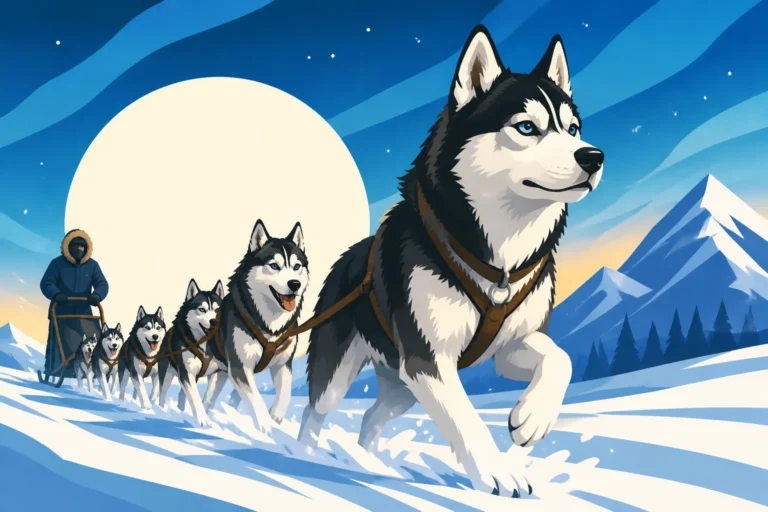
The Siberian Husky was developed by the Chukchi people of northeastern Siberia primarily for pulling light loads over vast distances at a relatively quick pace. Think of them as the marathon runners of the dog world. They needed to cover many miles each day, often on minimal rations, with incredible efficiency and endurance. This specific job required a dog that was lean, agile, and capable of sustained effort without overheating or burning through too many calories. You can dive deeper into their origins by reading The Chukchi Origins of the Siberian Husky.
This lineage for speed and endurance instilled a particular temperament in the Husky. They are known for being incredibly intelligent, but also famously independent. If you've ever tried to train a Husky, you know what I mean! They're not stubborn in a defiant way, but rather in a "what's in it for me?" kind of way. They work with you, not necessarily for you. Huskies are typically very friendly, even with strangers, and possess a strong pack drive, making them generally good with other dogs when properly socialized. They are also incredibly vocal, known for their wide range of "conversations" that include howls, yips, and what sounds like talking. You’ll often hear this unique range of sounds in a Siberian Husky household.
The Alaskan Malamute: Strength and Heavy Hauling
In contrast, the Alaskan Malamute was developed by the Mahlemut Inuit tribe in Alaska, specifically for hauling heavy freight over shorter distances and for hunting large game. These dogs were the power lifters of the Arctic. Their job demanded immense strength, incredible stamina for pulling heavy sleds, and the ability to break trail through deep snow. This required a much more robust, powerful build. You can see this distinction clearly when considering Why Malamutes Pull Freight and Siberians Pull Fast.
The Malamute's temperament reflects this history of strength and solitary, purposeful work. They are generally more dignified and reserved than Huskies, often described as possessing a "noble" bearing. While they are affectionate with their families, they can be more aloof with strangers. Their intelligence is undeniable, but it's often coupled with an even stronger will than the Husky. They thrive on having a job and can be quite destructive if bored or under-exercised. Malamutes tend to be quieter than Huskies, less prone to the constant vocalizations, but when they do howl, it's a deep, resonant sound. They can also be more prone to dog-on-dog aggression, especially with same-sex individuals, due to their independent and sometimes dominant nature, a trait less common in the typically more pack-oriented Husky.
Physical Distinctions: Size, Build, and Coat
When you see a Siberian Husky and an Alaskan Malamute side-by-side, the physical differences become much clearer. Photos can be deceiving, but in person, their distinct builds speak volumes about their ancestral jobs.
Size and Build: The Marathoner vs. The Powerhouse
This is perhaps the most immediate visual cue. Alaskan Malamutes are significantly larger and more heavily built than Siberian Huskies.
- Siberian Husky: A typical male Husky stands about 21-23.5 inches tall at the shoulder and weighs between 45-60 pounds. Females are slightly smaller, 20-22 inches and 35-50 pounds. They have a medium build, agile and athletic, with a moderate bone structure. They look strong, but not bulky. Their gait is smooth and effortless, designed for covering ground quickly. For more details, refer to Siberian Husky Height and Weight in the Standard.
- Alaskan Malamute: Males typically range from 23-25 inches at the shoulder and weigh 75-85 pounds, though many easily exceed 100 pounds with good muscle mass. Females are 22-24 inches and 65-75 pounds. They are powerful, substantial dogs with heavy bone and a deep chest. Their build is undeniably more robust and muscular, designed for pulling significant weight. When a Malamute moves, it's with power and deliberation, not the light-footed grace of a Husky.
Think of it like this: a Husky is built like a lean, finely tuned sled dog for speed racing, while a Malamute is built like a sturdy draft horse, capable of pulling the heaviest loads.
Coat Differences: Density and Texture
Both breeds boast a magnificent double coat, a testament to their Arctic heritage. This double coat consists of a soft, dense undercoat for insulation and a longer, coarser outer coat (guard hairs) that protects against snow, ice, and wind. However, there are subtle differences in how these coats present.
- Siberian Husky: Their coat is medium in length, giving them a sleek, well-groomed appearance. The guard hairs are straight and lie flat, preventing snow from clinging. While dense, it’s not overly long, which aids in their efficiency for speed work. They shed profusely twice a year during what's known as "coat blow," where they completely shed their undercoat, often for six weeks or more.
- Alaskan Malamute: Malamutes generally have a slightly longer and coarser outer coat than Huskies, giving them a shaggier, more rugged look. The undercoat is incredibly thick and woolly, providing exceptional insulation. Some Malamutes can even have what's considered a "woolly" coat, where the guard hairs are excessively long, though this is often considered a fault in the show ring. Their coat can sometimes appear more voluminous and less streamlined than a Husky's. Like Huskies, they have significant coat blows, but the sheer volume of fur can be even more substantial.
Regardless of the breed, if you're battling seasonal shedding, investing in a high-quality de-shedding tool from a place like Chewy can make a world of difference during these times.
The Eye Color Question and Other Unique Traits
Beyond size and coat, there are several other distinctive features that can help you distinguish between a Siberian Husky and an Alaskan Malamute. These are often the "tells" that experienced Northern breed enthusiasts look for immediately.
Eye Color: The Easiest Identifier
This is often the single most reliable and striking difference for many people.
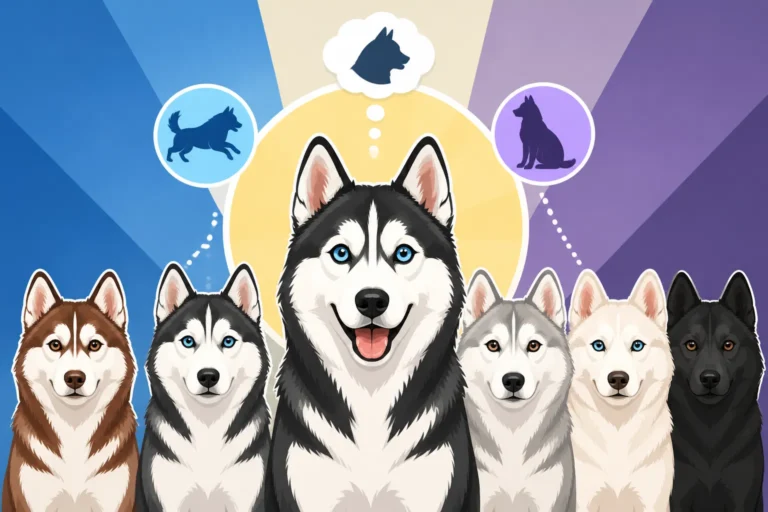
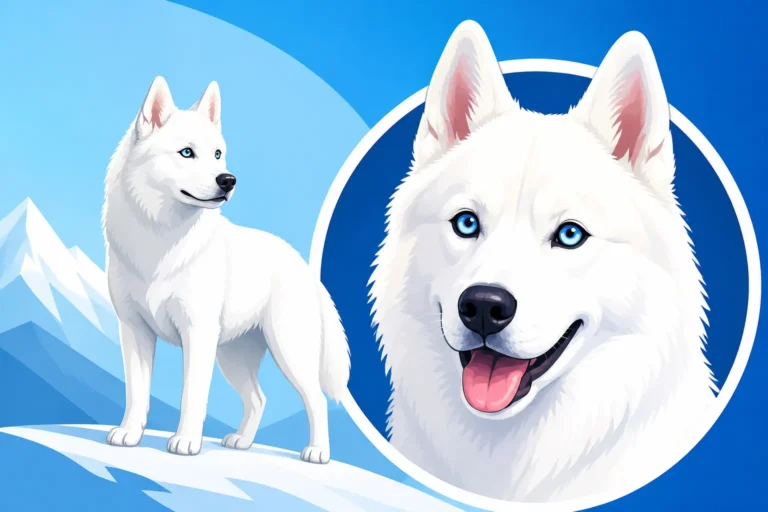
- Siberian Husky: Huskies are famous for their stunning eye colors. They can have brown eyes, blue eyes, or even heterochromia (one blue and one brown eye). Some Huskies also exhibit parti-eyes, where an eye might be part blue and part brown. This kaleidoscope of eye colors is a hallmark of the breed. If you're curious about the range, check out Siberian Husky Eye Colors and Heterochromia.
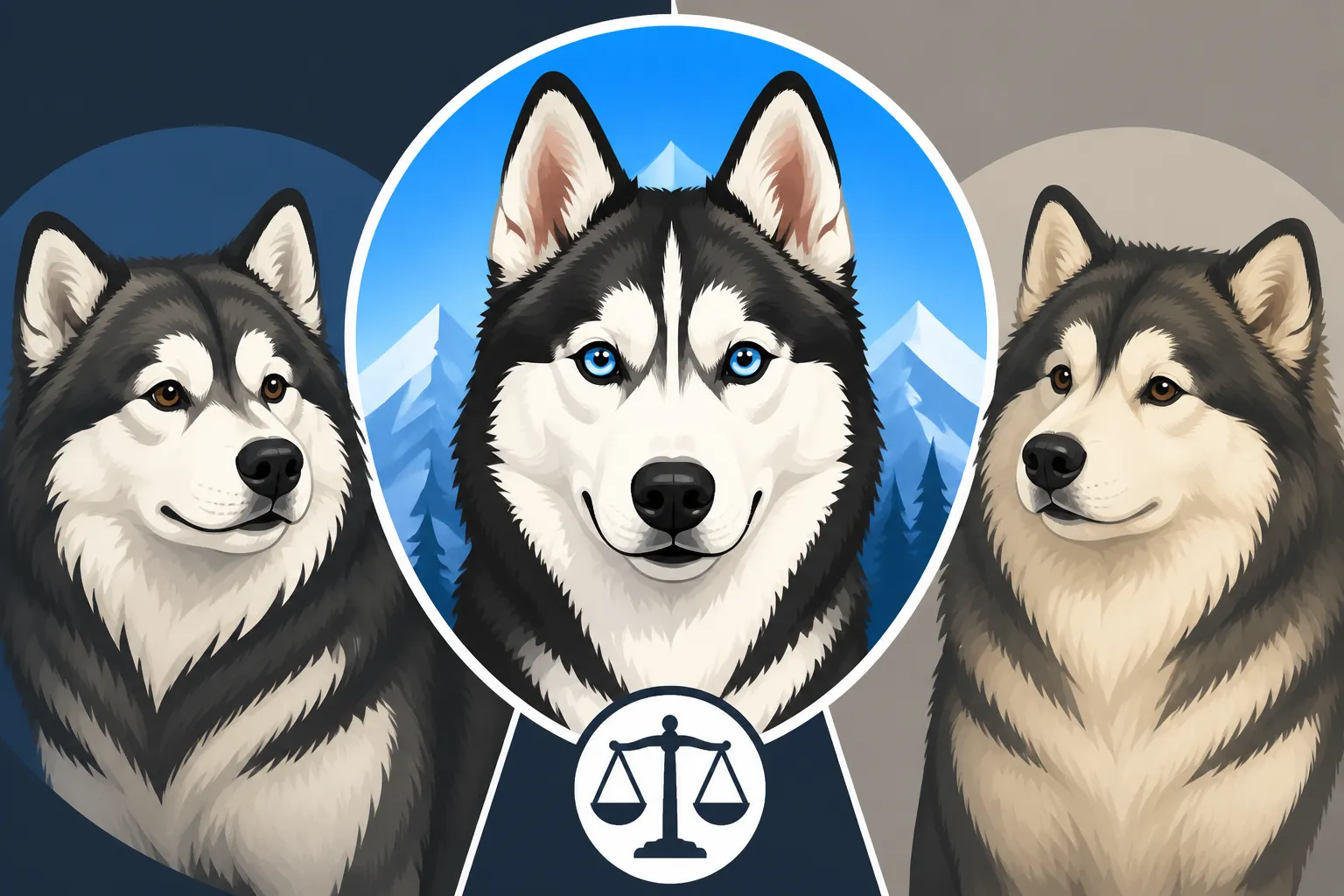
- Alaskan Malamute: This is where it gets simple: Alaskan Malamutes always have brown eyes. Period. No blue eyes, no bi-eyes, no parti-eyes. If you see a dog that looks like a Malamute but has blue eyes, it's almost certainly a mixed breed. This is such a strong identifier that it's worth remembering: Why Blue Eyes Mark a Husky, Not a Malamute.
Ear Set and Tail Carriage
Even the way they carry their ears and tails can offer clues.
- Ears:
- Siberian Husky: Their ears are typically medium in size, triangular, set fairly high on the head, and carried erect. They are thick, well-furred, and slightly rounded at the tips, but generally closer together on the skull.
- Alaskan Malamute: Malamutes also have erect, triangular ears, but they are generally set wider apart on the head, more towards the outer edge of the skull. They are also often a bit larger in proportion to their head and have slightly more rounded tips, almost like a small spoon.
- Tail:
- Siberian Husky: A Husky's tail is often described as a "brush" or "sickle" tail. When relaxed, it usually hangs down. When excited or moving, it's carried in a graceful curve over the back, but it should not curl tightly like a spitz breed. It should never be carried flat against the back, nor should it flop to the side.
- Alaskan Malamute: The Malamute's tail is often called a "plume." It's heavily furred and typically carried up and over the back in a jaunty, waving curve. It gives the impression of a plume or a waving flag. While it can sometimes be carried down when relaxed, it's more often seen sweeping upwards.
Living with Each Breed: What to Expect as an Owner
Beyond looks, the day-to-day reality of owning a Siberian Husky versus an Alaskan Malamute also presents distinct differences. Their unique needs for exercise, training, and overall management stem directly from their breed purpose and temperament. Understanding these practical aspects is crucial for potential owners.
Exercise Requirements: Different Types of Intensity
Both breeds are high-energy dogs that require substantial daily exercise, but the type of exercise they excel at and truly need differs.
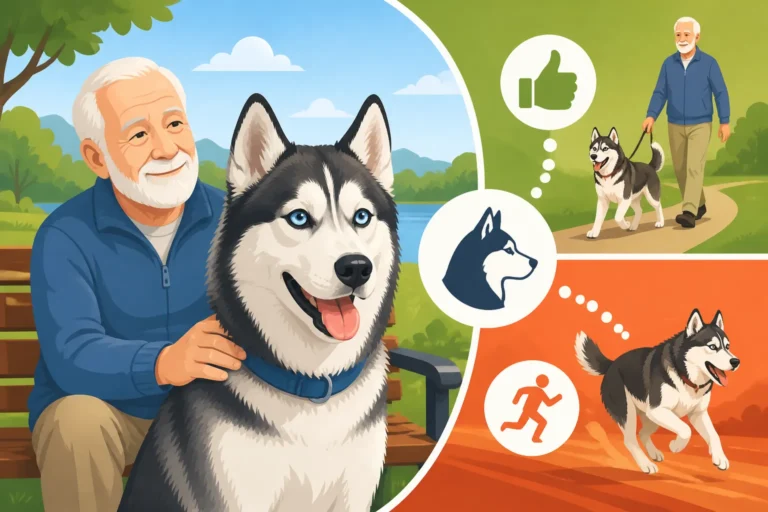
- Siberian Husky: Huskies are built for endurance. They need long, sustained periods of exercise that allow them to run and burn off their boundless energy. Think long jogs, bikejoring, canicross, or even hiking for several miles. A simple walk around the block twice a day isn't going to cut it for a Husky; they'll quickly become bored and destructive. They thrive on activity that engages both their body and their mind. For a deeper understanding of their needs, check out How Much Exercise a Siberian Husky Really Needs.
- Alaskan Malamute: Malamutes need powerful, purposeful exercise. While they can run, they're not built for speed in the same way a Husky is. They excel at activities that require strength and stamina, such as pulling a weighted cart or sled, long, brisk hikes, or even swimming. Their exercise needs are significant, but it's more about sustained effort and power than high-speed endurance. They also love to dig, so a Malamute who isn't given enough productive outlets for their energy might just start re-landscaping your backyard!
Training and Sociability: Independent Thinkers
Both breeds are intelligent, but their independence can make training a unique challenge.
- Siberian Husky: Huskies are smart but notoriously independent. They will evaluate whether a command is worth their effort or if they can find something more interesting to do. Consistent, positive reinforcement training with high-value rewards is essential. Their natural friendliness often extends to other dogs, but their high prey drive means small animals like cats, rabbits, or even neighborhood squirrels are often seen as chase objects, not friends. This is why Why a Siberian Husky Cannot Be Trusted Off Leash is such an important topic.
- Alaskan Malamute: Malamutes are also intelligent and can be quite willful. They require a confident, consistent, and patient leader. Their dignified nature means they might not respond well to repetitive, drill-like training; they prefer to understand the "why" behind the command. Socialization from a young age is paramount, especially regarding other dogs, as Malamutes can be prone to dominance and territoriality, particularly same-sex aggression. Their prey drive is also strong, similar to a Husky, so caution around smaller animals is always necessary.
Food and Grooming: Managing Their Needs
When it comes to daily care, there are also some practical distinctions.
- Food: Due to their incredibly efficient metabolisms, neither breed requires as much food as their size might suggest compared to other breeds. However, Malamutes, being larger, will still typically consume more food than Huskies. It's crucial not to overfeed either breed, as obesity can lead to health issues. A common mistake is to feed a Husky according to the bag's recommendations, which can often be too much for their efficient bodies; see Feeding a Siberian Husky on 60 Percent of the Label for more on this. You might find a great selection of suitable foods, from high-protein kibble to raw diet options, at Chewy.
- Grooming: Both breeds are heavy, seasonal shredders, requiring regular brushing to manage their dense double coats. During "coat blow," daily brushing is often necessary. Malamutes, with their often longer and coarser coats, may require even more intensive brushing to prevent matting, especially if their undercoat is particularly woolly. Neither breed should ever be shaved, as their double coat provides essential insulation against both heat and cold.
In summary, while both the Siberian Husky and the Alaskan Malamute are magnificent dogs that share a Northern heritage, they are distinctly different in their purpose, appearance, and personality. Understanding these nuances is key to appreciating each breed for its unique qualities and deciding which, if either, is the right fit for your home and lifestyle.
| Feature | Siberian Husky | Alaskan Malamute |
|---|---|---|
| Size/Weight | Medium; Male 45-60 lbs, Female 35-50 lbs | Large; Male 75-85 lbs (often more), Female 65-75 lbs |
| Build | Lean, agile, built for speed and endurance | Powerful, robust, heavy bone; built for strength |
| Primary Purpose | Light load pulling, speed, endurance | Heavy freight hauling, strength, stamina |
| Eye Color | Blue, brown, bi-eyed, parti-eyed (common) | Always brown (no blue eyes) |
| Ear Set | Medium, triangular, set fairly high, closer together | Larger, triangular, set wider apart on skull |
| Tail Carriage | "Brush" or "sickle" tail, usually down, graceful curve when up | "Plume" tail, usually curved over back, waving |
| Temperament | Friendly, outgoing, independent, vocal, high prey drive | Dignified, reserved, strong-willed, can be dog-aggressive, high prey drive |
| Vocalization | Howls, yips, "talks" frequently | Quieter, deep howls, less frequent vocalizations |
| Exercise Type | Long, fast runs; endurance activities | Heavy pulling, long hikes; power activities |
Disclaimer
This article is for general informational purposes only and does not constitute professional advice. Laws, prices and regulations vary by location and change over time. Consult a qualified professional for guidance on your specific situation.