Vaccinating a Siberian Husky Puppy on Schedule
Bringing home a fluffy Siberian Husky puppy is an exciting, joyful time, but it also comes with a significant responsibility: keeping them healthy. One of the most common anxieties new owners face is navigating the complex world of puppy vaccinations. It can feel like a confusing maze of shots, boosters, and schedules, leaving you wondering if you're doing everything right to protect your adventurous little companion. This guide is here to cut through the confusion, offering a clear, empathetic roadmap to vaccinating your Siberian Husky puppy on schedule, ensuring they get the best start in life.
Why a Vaccination Schedule is Crucial for Siberian Husky Puppies
It’s easy to feel overwhelmed by the number of shots a young puppy needs, but each one plays a vital role in safeguarding your Siberian Husky's health. These aren't just arbitrary injections; they are a carefully orchestrated series of defenses designed to prepare your puppy's immune system for the many challenges it will face in the big wide world. Without proper vaccination, your Husky is at a significantly higher risk of contracting diseases that can be devastating, even fatal.
Protecting Against Deadly Diseases
Siberian Huskies are known for their robust nature and love for the outdoors, but this active lifestyle also means they're more likely to encounter various pathogens. Viruses like canine distemper and parvovirus, for instance, are highly contagious and can survive in the environment for extended periods, making them a constant threat. Distemper attacks multiple body systems, leading to respiratory, gastrointestinal, and neurological issues, often with severe outcomes. Parvovirus, on the other hand, targets the intestinal lining, causing severe vomiting, diarrhea, and rapid dehydration, which can quickly become life-threatening, especially in puppies.
Imagine your curious Husky puppy sniffing around a dog park, or even just a patch of grass where an infected dog might have been. Without adequate protection, they could easily pick up one of these nasty bugs. Vaccinations are our best line of defense, providing their developing immune system with the tools it needs to recognize and fight off these invaders before they can cause serious harm. This proactive approach is fundamental to ensuring a long and healthy Siberian Husky Lifespan and What Shortens It.
Building a Strong Immune Foundation
The concept behind a vaccination schedule, particularly for puppies, is all about timing. When a puppy is born, they receive antibodies from their mother through her milk, particularly the colostrum in the first few hours of life. These maternal antibodies provide crucial, temporary protection against common diseases. However, this protection wanes over time, and the exact timing of this decline varies from puppy to puppy. This creates a "window of susceptibility" where maternal antibodies are no longer sufficient, but the puppy's own immune system isn't yet strong enough to mount a full response to a vaccine.
A series of vaccinations, often given every 3-4 weeks, is designed to overlap this window. Each booster shot acts as a reminder to the immune system, gradually building up robust, long-lasting immunity as the maternal antibodies fade. Skipping or delaying shots can leave your Husky puppy vulnerable during this critical period, making them susceptible to infections. It's a delicate balance, and adhering to the schedule recommended by your veterinarian is the most effective way to ensure your puppy develops solid, reliable protection.
Core Versus Non-Core Vaccines for Siberian Huskies
When discussing vaccinations, your veterinarian will often categorize them into "core" and "non-core" vaccines. This distinction is important because while some diseases pose a universal threat, others are more dependent on your Husky's individual lifestyle, environment, and exposure risks. Understanding the difference will help you make informed decisions about your puppy's preventative care.
Understanding Core Vaccines
Core vaccines are those universally recommended for all dogs, regardless of their location or lifestyle, due to the severe or fatal nature of the diseases they protect against, and their widespread prevalence. For Siberian Huskies, these core vaccines typically include protection against:
- Canine Distemper Virus (CDV): A highly contagious and often fatal multi-systemic viral disease.
- Canine Adenovirus (CAV): Protects against infectious hepatitis (CAV-1) and respiratory disease (CAV-2).
- Canine Parvovirus (CPV): A highly contagious and severe gastrointestinal illness, particularly dangerous for puppies.
- Canine Parainfluenza Virus (CPiV): A common cause of kennel cough.
These are often combined into a single injection, commonly referred to as the DAPP or DHPP vaccine. The initial series for puppies usually involves multiple doses, starting around 6-8 weeks of age, followed by boosters every 3-4 weeks until they are 16 weeks old or older.
Rabies Virus: This is another critical core vaccine and is legally required in most jurisdictions across the United States and many other countries due to its zoonotic nature (meaning it can be transmitted to humans) and its almost universally fatal outcome once symptoms appear. The Rabies vaccine is typically given as a single dose when your puppy is 12-16 weeks old, with boosters required annually or every three years, depending on local laws and vaccine type. For an active breed like the Husky, who might wander or come into contact with wildlife, robust Rabies protection isn't just a legal necessity, it's a life-saver.
Tailoring Non-Core Vaccines to Your Husky's Lifestyle
Non-core vaccines are those recommended based on your Siberian Husky's individual risk of exposure to specific diseases. These are not universally given but are highly important for Huskies in certain situations. Your veterinarian will consider factors such as your dog's daily activities, where they live, if they travel, and if they interact with other animals.
- Leptospirosis: This bacterial disease is spread through the urine of infected wild animals (like raccoons, rats, deer) and can be found in contaminated soil and water. Huskies, with their love for exploring trails, swimming in natural bodies of water, or simply spending time in rural or suburban areas, can be at a higher risk. Leptospirosis can cause severe kidney and liver damage and is also zoonotic. If your Husky spends time outdoors, especially in marshy or wooded areas, or if you live in a region with known cases, your vet will strongly recommend this vaccine. It's an important consideration, especially given the Leptospirosis Risk for a Siberian Husky.
- Bordetella Bronchiseptica (Kennel Cough): This vaccine protects against one of the primary causes of kennel cough, a highly contagious respiratory infection. If your Siberian Husky will attend doggy daycare, boarding facilities, grooming salons, dog parks, or participate in training classes, this vaccine is usually a requirement. It's often available as an intranasal (nose drops), oral, or injectable vaccine.
- Canine Influenza Virus (CIV): Also known as dog flu, CIV is a respiratory disease caused by specific influenza strains. Similar to Bordetella, it's typically recommended for Huskies who frequent social dog environments.
- Lyme Disease: Transmitted by ticks, Lyme disease can cause lameness, joint pain, and kidney issues. If you live in or regularly visit areas with a high tick population, particularly in the Northeast, Mid-Atlantic, or upper Midwest of the U.S., your vet might suggest the Lyme vaccine. This goes hand-in-hand with diligent Parasite Prevention for an Outdoor Siberian Husky strategies.
Your vet is the best resource to assess your Husky's lifestyle risks and determine which non-core vaccines are appropriate. This personalized approach ensures your dog receives optimal protection without unnecessary interventions.
The Typical Puppy Vaccination Schedule
Understanding the "why" behind vaccinations is one thing, but knowing the "when" is equally important. The puppy vaccination schedule is designed to maximize protection while minimizing the risk of interference from maternal antibodies. It’s a series of visits, not a one-and-done deal, and consistency is key.
First Rounds: 6-8 Weeks
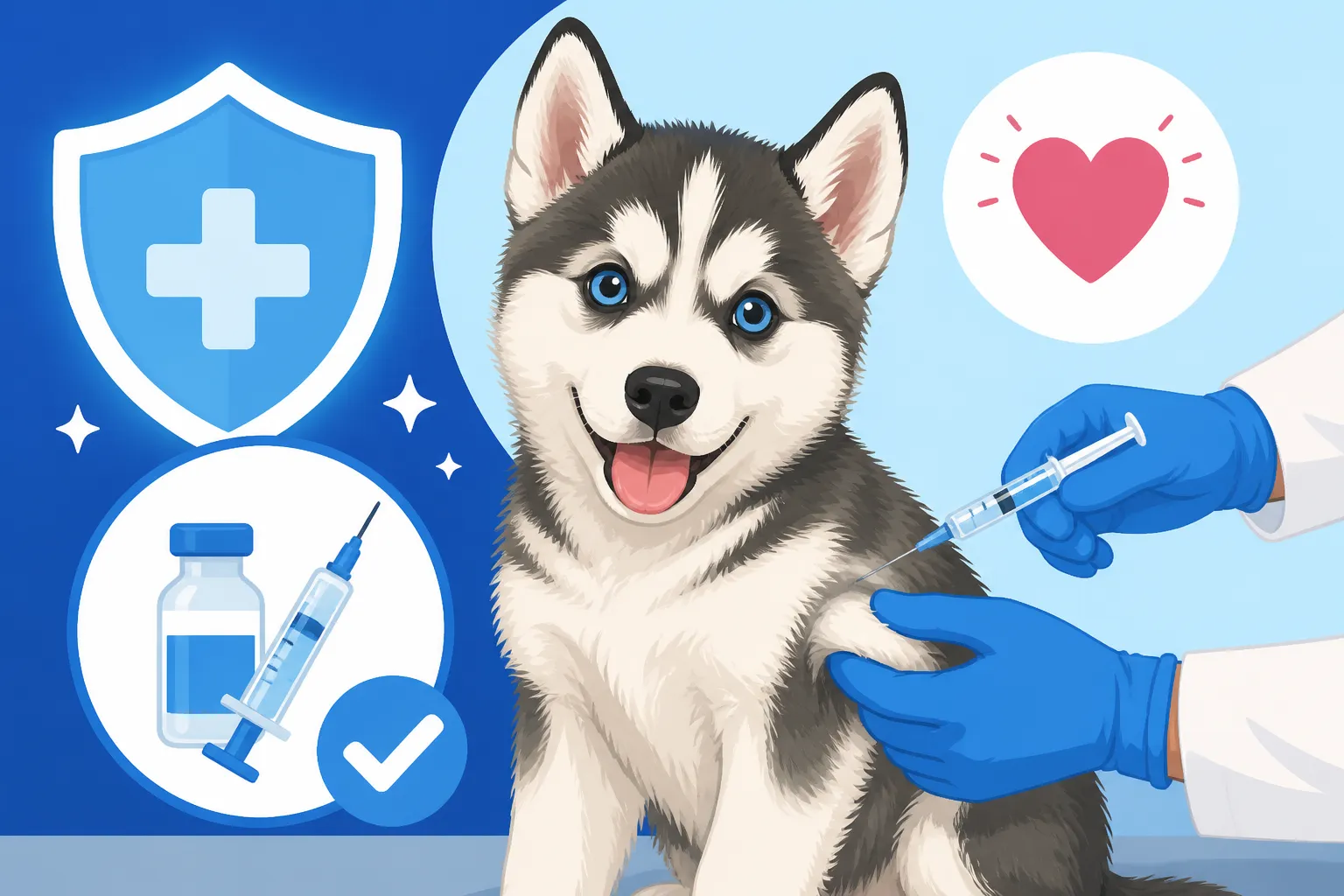
Your Siberian Husky puppy's vaccination journey typically begins around 6 to 8 weeks of age. This is often shortly after they've been weaned and are settling into their new home. At this initial veterinary visit, your puppy will usually receive their first dose of the core DAPP/DHPP vaccine, protecting against Distemper, Adenovirus, Parvovirus, and Parainfluenza.
Before this first visit, it's crucial to gather all available health documentation from your breeder or rescue. This paperwork should detail any vaccines or deworming treatments your puppy has already received. Sharing this information with your veterinarian allows them to create a seamless and effective vaccination plan, ensuring no gaps or overlaps in protection. Don't underestimate the importance of Reading a Siberian Husky Puppy's Health Paperwork thoroughly, as it's the foundation for their ongoing health care. Your vet will also perform a thorough physical examination to ensure your puppy is healthy enough for vaccination and to check for any underlying issues. This is also a great opportunity to discuss general puppy care, nutrition, and early socialization.
Booster Rounds: 9-16 Weeks
The initial DAPP/DHPP vaccine is just the start. Your Siberian Husky puppy will need a series of booster shots, typically given every 3 to 4 weeks, until they reach at least 16 weeks of age. These boosters are vital because, as mentioned earlier, maternal antibodies can interfere with the vaccine's effectiveness. By administering multiple doses, your vet ensures that your puppy's immune system gets repeated stimulation as maternal antibodies fade, eventually mounting a strong, lasting immune response.
It's common for puppies to receive 2-3 additional DAPP/DHPP boosters after their first shot. For example:
- 9-12 weeks: Second DAPP/DHPP booster.
- 12-16 weeks: Third (and often final puppy series) DAPP/DHPP booster. This is also usually when the first Rabies vaccine is administered.
During this period, your vet will also discuss non-core vaccines like Leptospirosis or Bordetella, depending on your Husky's developing lifestyle. If your Husky will be highly social or spend significant time outdoors, these might be introduced during these booster appointments.
Rabies Vaccination: A Legal and Lifesaving Must
The Rabies vaccine is unique because it's not just about protecting your dog; it's a public health imperative. Due to the devastating nature of the disease and its ability to spread to humans, rabies vaccination is mandated by law in most places. For your Siberian Husky puppy, the first Rabies vaccine is typically given as a single shot when they are between 12 and 16 weeks old.
After the initial puppy shot, booster vaccinations for Rabies are required periodically. This can be annually or every three years, depending on the specific vaccine used and the local regulations in your area. Always check with your local animal control or veterinarian for the most current requirements in your state or county. Keeping your Husky's Rabies vaccination up-to-date is not only crucial for their safety and the safety of your community, but it also prevents legal complications should your dog ever bite someone or be exposed to a wild animal.
Here's a general overview of a typical Siberian Husky puppy vaccination schedule. Remember, your vet might adjust this based on individual factors.
| Age | Core Vaccines (Recommended for all) | Non-Core Vaccines (Based on lifestyle/risk) | Notes |
|---|---|---|---|
| 6-8 Weeks | DAPP/DHPP (Distemper, Adenovirus, Parvovirus, Parainfluenza) | First deworming, fecal exam | First vet visit. Discuss previous care from breeder. |
| 9-11 Weeks | DAPP/DHPP Booster #1 | Bordetella (oral/intranasal), Leptospirosis (if high risk) | Continue deworming if needed. Limit public exposure until fully vaccinated. |
| 12-15 Weeks | DAPP/DHPP Booster #2 | Bordetella Booster, Leptospirosis Booster #1 | Second booster for core. Start Rabies if not done already. |
| 16+ Weeks | DAPP/DHPP Booster #3 (final puppy series) | Rabies (required by law), Leptospirosis Booster #2, Canine Influenza (if high risk) | Critical milestone. Puppy should now have strong immunity. Socialization can now be safer. |
| 1 Year | DAPP/DHPP Booster, Rabies Booster | Non-core boosters as needed | First annual wellness exam. |
It's important to remember that while this schedule outlines the timing of shots, your vet will always perform a general health check at each appointment. These regular Siberian Husky Vet Visits by Life Stage are critical for tracking growth, addressing any emerging concerns, and building a strong relationship with your veterinary team.
Navigating Potential Concerns and Reactions
As responsible Husky owners, we naturally worry about anything that might impact our beloved pets. While vaccinations are overwhelmingly safe and effective, it’s completely normal to have concerns about potential side effects or reactions. Knowing what to expect, and more importantly, what to look out for, can bring immense peace of mind.
Common and Mild Reactions
The vast majority of Siberian Huskies experience only mild, transient side effects from vaccinations, indicating that their immune system is doing precisely what it's supposed to do: learning to respond. These reactions typically appear within 24-48 hours after the injection and resolve on their own without intervention.
Common mild reactions include:
- Slight fever: Your puppy might feel a little warmer than usual.
- Lethargy or reduced activity: They might seem a bit more tired or less enthusiastic about play than normal.
- Soreness or swelling at the injection site: The spot where the needle went in might be tender to the touch, and a small, firm lump might be present. This usually resolves in a few days.
- Decreased appetite: They might skip a meal or two.
- Mild sneezing, coughing, or runny nose: This can sometimes occur with intranasal vaccines like Bordetella.
If you observe these symptoms, generally, providing a quiet, comfortable space, plenty of fresh water, and monitoring them closely is sufficient. Your vet might suggest a cool compress for a sore injection site or advise on monitoring food intake. These signs usually mean the vaccine is working to stimulate their immune system.
Rare but Serious Reactions
While rare, more serious allergic or adverse reactions can occur. These typically manifest quickly, often within minutes to a few hours of vaccination, highlighting the importance of monitoring your puppy after their vet visit.
Signs of a serious reaction include:
- Facial swelling: Swelling around the muzzle, eyes, or ears.
- Hives (urticaria): Raised, itchy bumps that appear on the skin, often difficult to spot under a Husky's thick coat but noticeable if you part the fur.
- Vomiting or diarrhea (severe and sudden): More intense than a mild tummy upset.
- Difficulty breathing: Wheezing, labored breathing, or gasping.
- Collapse or severe weakness: Your puppy may become unresponsive or unable to stand.
These types of reactions, known as anaphylaxis, are medical emergencies and require immediate veterinary attention. If you notice any of these severe signs, contact your vet immediately or head to the nearest emergency animal hospital. Swift treatment, usually with antihistamines and corticosteroids, can be life-saving. While distressing, remember these are extremely uncommon.
The Importance of a Vet Partnership
The key to navigating all aspects of your Siberian Husky's health, including vaccinations, is an open and honest partnership with your veterinarian. They are your best resource for personalized advice, tailored schedules, and monitoring for any concerns. Don't hesitate to ask questions, voice your worries, or report any reactions, no matter how minor they seem.
This partnership is also where pet insurance can truly shine, offering peace of mind against unexpected health challenges, including rare but severe vaccine reactions. Companies like Healthy Paws offer comprehensive plans that can help cover the costs of emergency care should your Husky experience an adverse reaction or any other unforeseen illness or injury. Enrolling a Siberian Husky Puppy at Eight Weeks with pet insurance means you're prepared from the start, allowing you to focus on your puppy's well-being rather than worrying about the emergency bill. Having a plan like Siberian Husky Pet Insurance and the Eye Clause in place early can make a huge difference in critical moments.
Maintaining Immunity: Beyond Puppyhood
Congratulations! You've successfully navigated the whirlwind of puppy vaccinations, and your Siberian Husky is now well-protected against many common diseases. But the journey doesn't end there. Maintaining your Husky's immunity is an ongoing commitment that extends throughout their entire life. Just like humans, dogs need periodic boosters and continuous wellness care to stay healthy and vibrant.
Adult Boosters and Titers
Once your Siberian Husky has completed their puppy series, they will still require periodic booster vaccinations to maintain adequate protection. Most core vaccines are typically boostered annually or every three years, depending on the specific vaccine and your vet's recommendation. Rabies, as previously mentioned, will also follow its required booster schedule.
For some vaccines, particularly the DAPP/DHPP combination, there's an option called "titer testing." A titer test is a blood test that measures the level of antibodies in your dog's system for specific diseases. If the antibody levels are sufficiently high, it indicates that your Husky still has robust immunity and might not need an immediate booster for that particular vaccine.
Pros of Titer Testing:
- Avoids over-vaccination by ensuring boosters are only given when truly needed.
- Can be useful for dogs with a history of vaccine reactions.
Cons of Titer Testing:
- Can be more expensive than simply administering a booster.
- Not all vaccines have reliable titer tests (e.g., Leptospirosis, Bordetella).
- Might not be accepted by all boarding facilities or travel requirements in lieu of a current vaccine certificate.
Discuss titer testing with your veterinarian to see if it's a suitable option for your individual Husky, balancing protection with your personal preferences. This conversation is an important part of your regular Siberian Husky Vet Visits by Life Stage.
Ongoing Wellness and Preventatives
Vaccinations are a cornerstone of preventative health, but they're just one piece of a much larger puzzle. A truly healthy adult Siberian Husky benefits from a holistic approach to care that includes regular veterinary check-ups, year-round parasite prevention, appropriate nutrition, and plenty of exercise and mental stimulation.
- Annual Wellness Exams: Even if your Husky isn't due for a vaccine, an annual check-up is essential. These appointments allow your vet to perform a comprehensive physical exam, detect any early signs of illness, and discuss age-appropriate care. Early detection can make a significant difference in managing conditions before they become severe. These Wellness Visit Costs for a Siberian Husky are an investment in your dog's long-term health.
- Parasite Prevention: Fleas, ticks, and heartworms pose continuous threats, regardless of vaccination status. Year-round prevention is crucial, especially for an active breed like the Husky who loves to explore. Your vet can recommend the best products for your area and lifestyle, and it’s important to remember that Preventives Priced at Siberian Husky Weight can add up but are vital for protection.
- Nutrition and Weight Management: A balanced diet tailored to your Husky's activity level helps maintain a strong immune system and overall health. Ensuring they stay at a healthy weight prevents strain on joints and reduces the risk of other health issues.
- Mental and Physical Exercise: Siberian Huskies thrive on activity. Regular exercise and mental challenges keep them happy, reduce stress, and contribute to their overall well-being, which in turn supports a healthy immune system. This all contributes to their long-term health and is an important part of understanding The Health Milestones of a Siberian Husky Year by Year.
By committing to this comprehensive approach – vaccination, regular vet visits, parasite control, and quality care – you're providing your Siberian Husky with the best possible foundation for a long, happy, and adventure-filled life. Investing in your Husky's health from puppyhood, including considering pet insurance like Healthy Paws, is one of the most loving things you can do.
Disclaimer
The information provided in this article is intended for general informational purposes only and does not constitute veterinary medical advice. Always consult with a qualified veterinarian for any health concerns or before making any decisions related to your Siberian Husky's medical care or treatment. Individual vaccination schedules and recommendations may vary based on your dog's health, lifestyle, and local regulations.