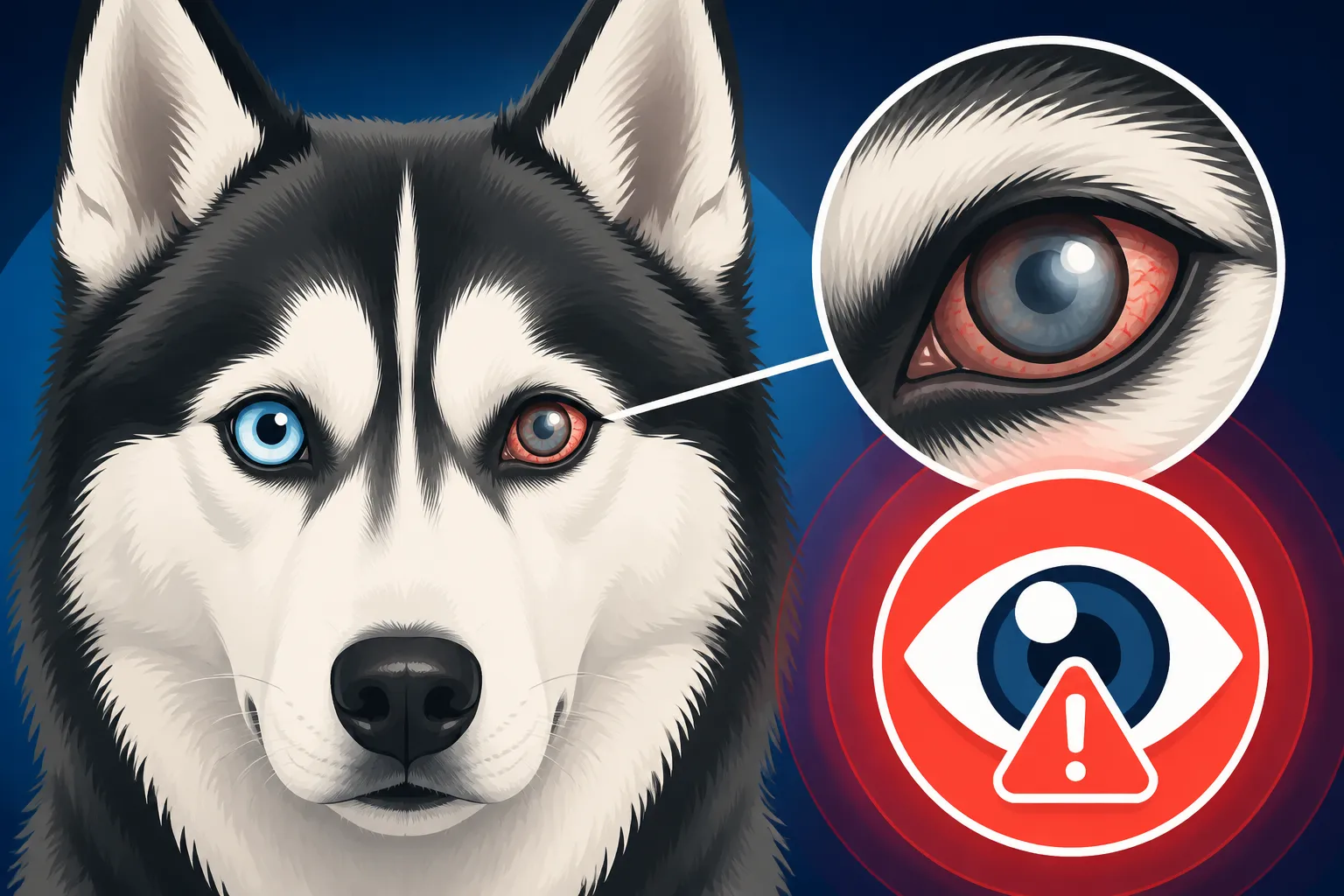
Why Husky Uveodermatologic Syndrome Threatens Sight
Finding out your beloved Siberian Husky is dealing with an eye condition is always a gut punch, and few diagnoses hit as hard as Uveodermatologic Syndrome (UDS). This isn't just a minor irritation; it's a serious autoimmune disorder that can rapidly steal your husky's eyesight, often leaving owners feeling helpless and terrified. This guide will delve deep into why UDS poses such a critical threat to your husky's vision and what you can do to protect their precious sight.
Understanding Uveodermatologic Syndrome (UDS) in Siberian Huskies
Uveodermatologic Syndrome, sometimes referred to as Vogt-Koyanagi-Harada-like syndrome in dogs, is a frustrating and complex autoimmune disease that primarily targets melanin-producing cells. Because these cells are found in the eyes, skin, and even the brain, UDS can manifest in a variety of ways, but its impact on vision is almost always the most urgent and devastating. If you’ve heard of similar issues in humans, it might give you a sense of the seriousness. It's a cruel condition, and Siberians, along with Akitas and Samoyeds, unfortunately, carry a genetic predisposition to it.
What Exactly Is UDS and Why Huskies Are Prone to It?
At its core, UDS is your husky's immune system mistakenly attacking its own cells. In particular, it targets melanocytes, the cells responsible for producing pigment. While we often think of pigment in terms of coat and eye color, melanocytes play crucial roles in various parts of the body, including the uveal tract of the eye (iris, ciliary body, and choroid), the skin, and sometimes even the meninges that surround the brain and spinal cord.
The exact genetic markers that make Siberian Huskies more susceptible are still being researched, but it's widely accepted that there's a hereditary component. This isn't a condition your husky "catches" like a cold; it's an internal error in their immune programming. For a breed already prone to specific health challenges, adding an autoimmune disease like UDS to the list can feel overwhelming. It underscores the importance of understanding specific health issues, like those detailed in our article, Uveodermatologic Syndrome and the Siberian Husky.
Initial Signs in the Eyes and Skin That Often Go Unnoticed
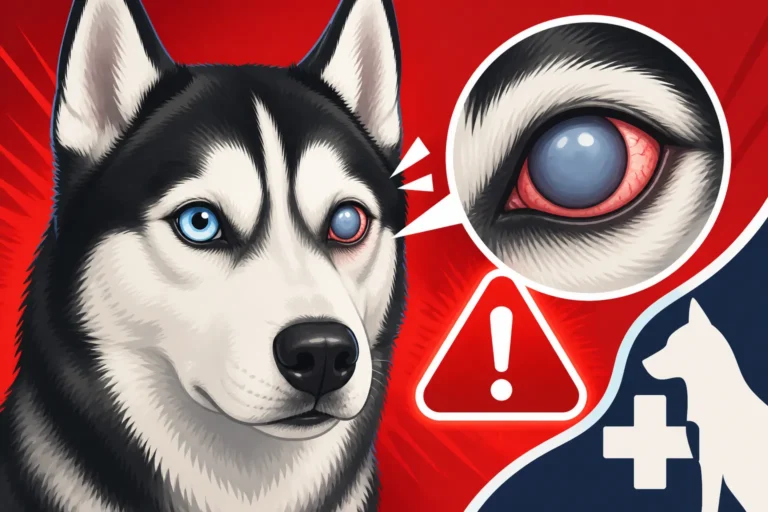
One of the biggest frustrations with UDS is how subtle its initial signs can be, often leading to delays in diagnosis that can be critical for vision. In the eyes, you might first notice a slight redness or a hazy, bluish appearance to the cornea, often accompanied by the dog squinting a bit or showing increased sensitivity to light (photophobia). It might look like a simple eye irritation or even conjunctivitis, prompting a trip to the regular vet. However, what's happening underneath is far more serious.
On the skin, the earliest signs are usually pigment loss. This can appear as a "bleaching" of the nose, eyelids, lips, and paw pads. Owners might initially dismiss this as "snow nose" or simple aging, but it’s a critical red flag. You might see the dark pigment around their eyes, or on their black nose, start to turn pink or white. This depigmentation is medically known as vitiligo or leukoderma. If you notice these skin changes concurrently with any eye discomfort, it's a huge clue that something more systemic, like UDS, is at play. Don't brush these off – they're your husky's way of telling you something is deeply wrong.
How UDS Differs From Other Eye Conditions
It's easy to get confused when your husky develops eye problems, especially since there are several conditions that can affect their vision. For example, Juvenile Cataracts in the Siberian Husky are common, but these typically present as cloudiness within the lens itself, without the intense inflammation or pigment loss seen in UDS. Similarly, Progressive Retinal Atrophy (PRA) causes night blindness first, slowly progressing to total blindness, but it doesn't involve the acute inflammation or skin changes.
UDS stands apart because it's an inflammatory, autoimmune attack on multiple systems, with the eyes bearing the brunt of the immediate, aggressive damage. While a husky with UDS might develop cataracts as a secondary complication, the primary issue is the uveitis (inflammation of the uvea) and its destructive consequences. This multi-system involvement, particularly the skin depigmentation, is a key differentiator that points toward UDS rather than other localized eye problems. When you see both eye discomfort and pigment loss, it should immediately elevate your concern beyond a typical eye infection.
The Mechanisms of Vision Loss in UDS
The insidious nature of UDS lies in its ability to rapidly and aggressively destroy the structures essential for sight. This isn't a slow-burn disease; it can explode in your husky's eyes, causing irreversible damage in a shockingly short period. Understanding how it destroys vision helps to grasp the urgency of treatment.
The Destructive Inflammatory Process Within the Eye
The core of UDS's threat to sight is severe uveitis – the inflammation of the uvea, which includes the iris, ciliary body, and choroid. These structures are vital for regulating light entry, producing fluid within the eye, and nourishing the retina. When they become inflamed, it's like a fire raging inside the eye.
This inflammation leads to:
- Cellular Infiltrates: Immune cells that are supposed to fight off foreign invaders instead flood the eye, attacking melanocytes. This creates a thick, soupy mess within the eye, obscuring vision.
- Breakdown of the Blood-Ocular Barrier: Normally, the eye is a "privileged" site, protected from the immune system by a barrier. UDS breaks this barrier down, allowing even more destructive immune cells and inflammatory mediators to enter, causing further damage.
- Synechiae Formation: The inflamed iris can stick to the lens (posterior synechiae) or the cornea (anterior synechiae), distorting the pupil, interfering with fluid drainage, and making the eye painful.
- Retinal Detachment: The choroid, part of the uvea, lies directly beneath the retina and supplies it with blood. Severe inflammation and fluid buildup can cause the retina to lift away from the choroid, leading to rapid and often permanent blindness in that eye. This is one of the most frightening consequences of UDS, and it can happen startlingly fast.
The rapid progression of these events means that what starts as a slightly red eye can escalate to total blindness within days if not addressed with aggressive, targeted therapy. This is why our article on How Fast Husky Uveitis Must Be Treated emphasizes immediate action.
Secondary Complications That Exacerbate Sight Loss
Beyond the initial inflammatory storm, UDS often paves the way for a cascade of secondary complications, each capable of further eroding your husky's vision. These aren't separate diseases but direct consequences of the primary UDS attack.
- Cataract Formation: The chronic inflammation and often steroid treatments can accelerate the formation of cataracts, where the lens becomes cloudy. While Cataract Surgery on a Siberian Husky can sometimes help, the underlying uveitis makes surgical outcomes more complex and less predictable than with other types of cataracts.
- Glaucoma Development: This is perhaps the most devastating secondary complication. Uveitis can block the natural drainage pathways for fluid within the eye, leading to a dangerous buildup of intraocular pressure, known as secondary glaucoma. High pressure rapidly damages the optic nerve, causing irreversible blindness. Glaucoma in a husky is a true emergency, and often accompanies UDS. Understanding conditions like Glaucoma as a Siberian Husky Emergency highlights just how critical immediate veterinary intervention is. If unchecked, glaucoma can destroy vision in mere hours.
- Phthisis Bulbi: In severe, chronic cases where inflammation persists and treatments are insufficient, the eye can shrink, become shrunken, painful, and non-functional. This end-stage condition, known as phthisis bulbi, often necessitates surgical removal of the eye (enucleation) to alleviate pain.
These complications mean that even if the initial uveitis is brought under control, vigilant monitoring for these secondary issues is crucial for preserving any remaining vision. This is where a reliable pet insurance plan, like one from Healthy Paws, can be a literal eyesight-saver, helping cover the significant costs of specialist visits and emergency treatments.
The Speed at Which Vision Can Deteriorate Without Intervention
Let me be brutally honest: UDS is a race against time. The speed at which vision can deteriorate in an untreated Siberian Husky with UDS is truly terrifying. We're not talking weeks or months; we're talking days, sometimes even hours, before irreversible damage occurs. The intense inflammation can cause retinal detachment, develop cataracts, or trigger acute glaucoma so quickly that waiting even a day or two can mean the difference between saving some vision and total, permanent blindness.
Imagine waking up to a slightly red eye in your husky, thinking it's just allergies, and deciding to wait a couple of days to see if it improves. In that time, unchecked uveitis could lead to a retinal detachment or a spike in intraocular pressure that permanently blinds that eye. This is why many vets refer to suspected UDS as an ocular emergency. The frustration for owners often stems from this rapid progression – it’s hard to wrap your head around how quickly things can go south. That’s why regular check-ups, like those discussed in Siberian Husky Eye Disease and the Annual Exam, are so important for catching subtle changes early.
Recognizing Early Symptoms and Seeking Urgent Care
Because UDS can progress with such frightening speed, your ability as an owner to spot the early, subtle signs and act immediately is paramount. Don’t hesitate to trust your gut if something feels off.
Key Signs Owners Might Miss in the Early Stages
It's easy to overlook early UDS symptoms because they can mimic less severe conditions. Here’s what to look out for:
- Subtle Squinting or Blinking: Your husky might not hold their eye completely shut, but you might notice a slight, intermittent squint, or increased blinking, especially in bright light.
- Light Sensitivity (Photophobia): They might prefer darker areas of the house, turn their head away from bright windows, or struggle more on sunny walks.
- Minor Pigment Changes: As mentioned, slight lightening around the nose, lips, or eyelids can be an early, critical clue. This isn't just cosmetic; it's a systemic sign.
- Cloudiness or Haze in the Eye: More than just a "sparkle" issue, look for a subtle blue or grey haze across the surface of the eye, particularly the cornea.
- Redness of the Sclera (White Part of the Eye) or Bloodshot Appearance: This might be dismissed as irritation, but if it persists, it needs a closer look.
- Changes in Pupil Size or Shape: One pupil might be smaller or less responsive to light than the other. The pupil might also appear less round.
- Behavioral Changes: Any indication of discomfort, lethargy, or reluctance to play could be a sign your husky is in pain.
If you observe any combination of these signs, especially pigment changes, it’s not a "wait and see" situation. Your general vet should be contacted immediately, and they will likely recommend a specialist.
The Critical Window for Intervention and Why Time Is of the Essence
For UDS, the critical window for intervention is measured in hours, not days. Seriously, every single hour counts. The goal is to aggressively suppress the autoimmune inflammatory response before it causes irreversible damage. Once the retina detaches or the optic nerve is destroyed by glaucoma, that vision is gone forever. This is why a prompt diagnosis and the initiation of strong anti-inflammatory and immunosuppressive therapies are absolutely non-negotiable.
Don't be afraid to push for a referral to a veterinary ophthalmologist if your general vet is not immediately identifying the cause of severe eye inflammation, particularly if pigment changes are present. An ophthalmologist has specialized equipment and expertise to diagnose UDS quickly and accurately. The cost of such a visit might be a concern, but many pet insurance plans, like those offered by Healthy Paws, recognize the critical nature of these specialist visits and can help alleviate the financial burden during an emergency.
What to Expect During an Emergency Vet Visit for Suspected UDS
When you bring your husky in with suspected UDS, especially if it’s an emergency, here’s a general idea of what to expect:
- Thorough Ocular Exam: The vet or ophthalmologist will perform a comprehensive eye exam, including tests for intraocular pressure (tonometry), fluorescein staining to check for corneal ulcers, and indirect ophthalmoscopy to view the retina.
- Bloodwork: To assess overall health, rule out other systemic diseases, and establish baselines before starting immunosuppressive drugs.
- Skin Biopsies (if pigment changes are present): A small sample of depigmented skin may be taken for histopathology to confirm the autoimmune nature of the condition.
- Aqueous or Vitreous Tap: In some cases, a sample of the fluid from inside the eye might be collected to analyze for inflammatory cells.
- Referral: If you’re at a general practice, they’ll almost certainly refer you to a board-certified veterinary ophthalmologist for definitive diagnosis and treatment planning. You can find these specialists through organizations like the American College of Veterinary Ophthalmologists (ACVO).
It’s an intense process, but it’s all aimed at getting a rapid and accurate diagnosis so that the most effective treatment can begin without delay. Getting an accurate diagnosis and swift care are the best ways to combat the rapid progression of this disease and provide the best prognosis.
Managing UDS to Preserve Vision and Quality of Life
The diagnosis of UDS is daunting, but it’s not an automatic death sentence for your husky's vision. Aggressive, lifelong management can often save and preserve functional sight, allowing your beloved companion to continue living a full, happy life.
Aggressive Medical Treatment Protocols
The cornerstone of UDS treatment is powerful immunosuppression and anti-inflammatory therapy. This isn't a condition that responds to mild medications; it requires a strong, multi-pronged attack to calm the immune system.
- Systemic Corticosteroids: Prednisone or prednisolone are often the first line of defense, given at high, immunosuppressive doses initially to rapidly quell inflammation throughout the body and especially in the eyes. This can be tapered over time as the condition comes under control. Our guide on Steroid Treatment for Husky Uveodermatologic Syndrome goes into more detail about how these are used.
- Topical Steroids: Eye drops containing powerful corticosteroids (e.g., prednisolone acetate, dexamethasone) are applied frequently to directly address the inflammation within the eye.
- Other Immunosuppressants: For long-term control, or if steroids alone aren't sufficient or cause unacceptable side effects, other immunosuppressants like azathioprine, cyclosporine, or mycophenolate may be used. These drugs help reduce the steroid dose needed while still keeping the immune system in check.
- Adjunctive Therapies: Mydriatics (e.g., atropine) are often used to dilate the pupil and prevent synechiae formation, which can help reduce pain and lower the risk of glaucoma.
The goal is to hit the inflammation hard and fast, then maintain control with the lowest effective dose of medication. This is a delicate balance, and it requires a dedicated owner and an experienced veterinary team.
Ongoing Monitoring and Adjustments to Medication
UDS is a lifelong condition, and there's no "cure" in the traditional sense. It requires constant vigilance and a commitment to ongoing medical management. This means:
- Frequent Recheck Exams: Especially in the initial stages, your husky will need very frequent veterinary ophthalmology exams – sometimes weekly or bi-weekly – to monitor intraocular pressure, assess inflammation, and check for retinal changes.
- Bloodwork Monitoring: Regular blood tests are crucial to monitor the effects of immunosuppressive drugs on internal organs (liver, kidneys) and blood cell counts. This helps prevent secondary complications from the medication itself.
- Medication Adjustments: Doses will be carefully adjusted based on your husky's response, aiming to find the sweet spot that controls the disease with minimal side effects. It’s not uncommon for medication protocols to change multiple times over your husky’s life.
- Prompt Attention to Recurrences: Even with well-controlled UDS, flare-ups can occur. Any return of eye redness, squinting, or pigment loss should warrant immediate veterinary attention.
This level of monitoring can be expensive and time-consuming, but it’s absolutely essential for preserving your husky’s vision. This is another area where robust pet insurance like Healthy Paws can be a tremendous help, covering a significant portion of these ongoing specialist consultations and medication costs.
Prognosis and Adapting Life for a Husky With Compromised Vision
The prognosis for vision in UDS cases depends heavily on how early the disease is caught and how aggressively it's treated. With prompt and consistent management, many Siberian Huskies can retain functional vision for years. However, some will experience partial or total blindness, either from acute damage or chronic complications.
If your husky does lose some or all of their sight, it's a huge adjustment, but Siberians are incredibly resilient dogs. They adapt remarkably well to vision loss, especially if they have a consistent, stable environment.
- Maintain a Consistent Environment: Don't rearrange furniture often. Keep food and water bowls, and their bed, in the same spots.
- Verbal Cues: Use verbal cues for everything – "step up," "watch out," "this way."
- Safe Exploration: Keep them on a leash in unfamiliar areas. In a familiar, fenced yard, you can let them explore safely.
- Sensory Enrichment: Focus on toys that make noise or have strong scents. Scent work and puzzle feeders can be great for mental stimulation.
- Safety Measures: Pad sharp corners, block off stairs if necessary, and supervise them closely outdoors. Our article Keeping a Blind Siberian Husky Safely Contained offers more in-depth advice on this.
Living with UDS is a commitment, both emotionally and financially. It will test your patience and your resources, but the bond you share with your Siberian Husky makes every effort worthwhile. With dedicated care, they can still enjoy a wonderful life.
Disclaimer
The information provided in this guide is for informational purposes only and does not constitute veterinary medical advice. Always consult with a qualified veterinarian or veterinary ophthalmologist for any health concerns or before making any decisions about your pet's medical care.