Cruciate Tears in Working Siberian Huskies
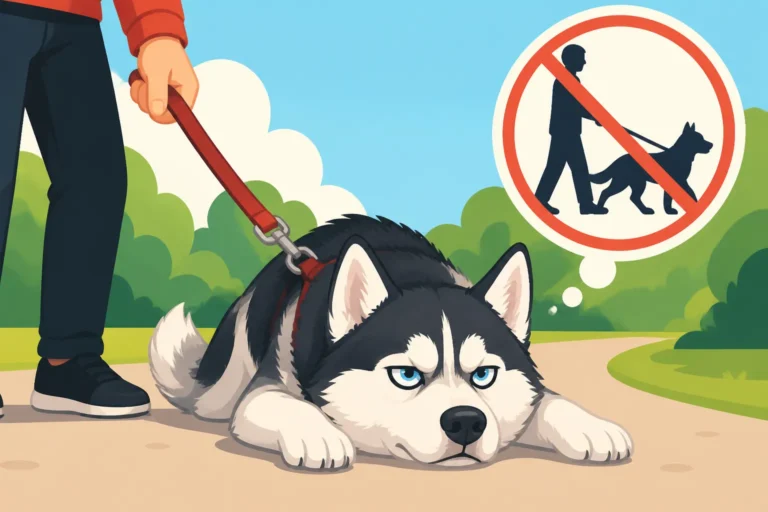
It’s truly disheartening when your energetic Siberian Husky, a dog bred for relentless pulling and endurance, suddenly shows signs of lameness. You watch them hesitate, maybe favor a leg, and your heart sinks, especially when you know they live for their work or active lifestyle. One of the most common and devastating injuries that can strike these incredible athletes is a cruciate ligament tear, leaving owners worried about their dog's future activity levels. This guide is here to walk you through understanding cruciate tears in working Huskies, how to recognize the signs, navigate treatment options, and help your furry partner get back on their paws.
Understanding Cruciate Ligament Tears in Active Siberian Huskies
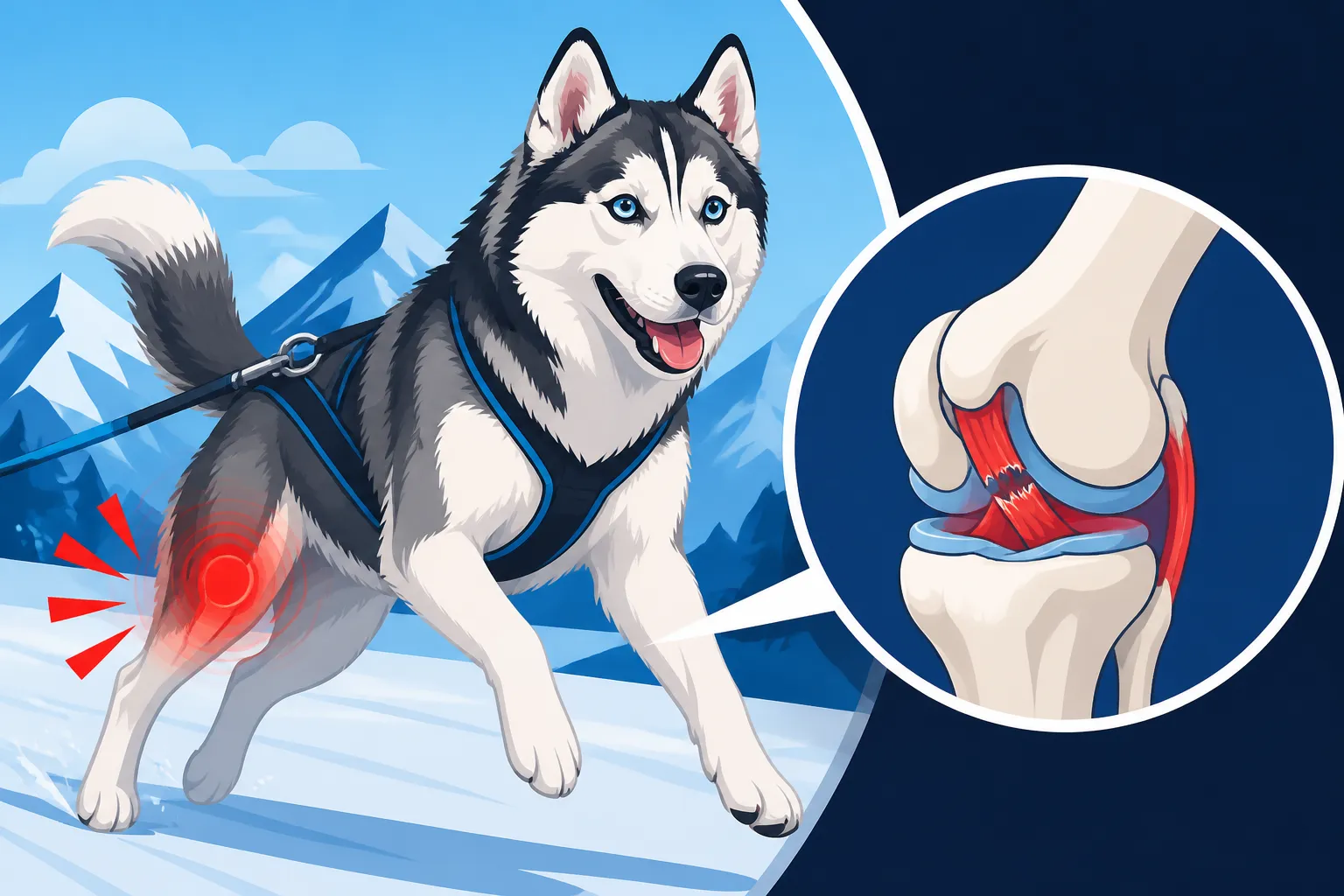
When we talk about a "cruciate tear" in dogs, we're usually referring to the cranial cruciate ligament (CCL), which is the canine equivalent of the anterior cruciate ligament (ACL) in humans. This vital ligament is located within the stifle joint (that's the knee to us humans) and provides crucial stability, preventing the tibia (shin bone) from sliding forward relative to the femur (thigh bone), and limiting excessive internal rotation. For a working Siberian Husky, whose entire life revolves around explosive movements, powerful pushing off, and sustained running, a healthy cruciate ligament is non-negotiable.
Why Working Huskies are Susceptible to Cruciate Issues
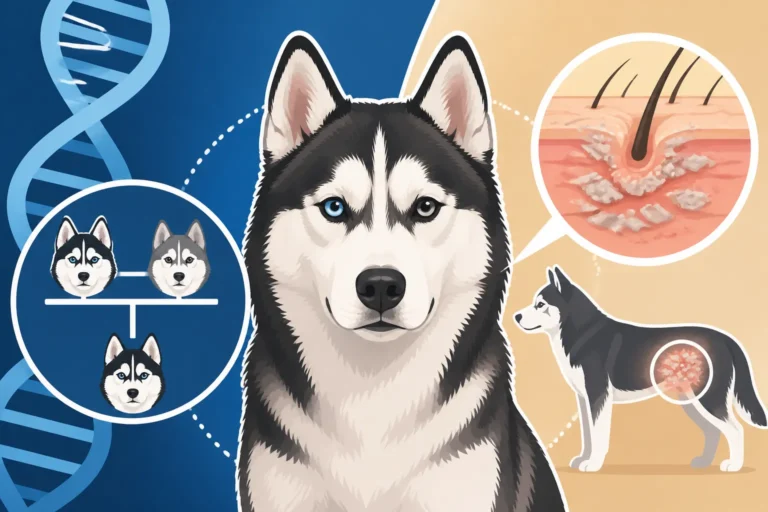
You might think a robust, active breed like a Siberian Husky would be immune to such injuries, but that's simply not the case. While they are incredibly hardy, their genetic predisposition, combined with the intense demands of their lifestyle, can make them vulnerable. Unlike traumatic ACL tears often seen in human athletes, canine CCL tears frequently develop over time due to gradual degeneration. This means the ligament slowly weakens, often without obvious symptoms, until a seemingly minor misstep, jump, or turn during a run, a hike, or a pulling session causes it to completely rupture.
Think about it: a Husky that participates in canicross, bikejoring, or even just long, spirited runs in the park, puts immense stress on their stifle joints. The repetitive impact, sudden stops, quick pivots, and explosive acceleration inherent in these activities can exacerbate any underlying ligament weakness. Even if your Husky isn't a competitive athlete, simply being a highly active family dog who loves to play fetch for hours or zoom around the yard can put them at risk. Their powerful hindquarters, while great for propulsion, can also create significant torque on an already compromised ligament. It's a sad irony that the very traits that make them amazing companions for active individuals can also contribute to their susceptibility to this injury.
Degenerative Versus Acute Tears
Most cruciate ligament tears in Siberian Huskies, and indeed in most dogs, are degenerative. This insidious process means the ligament slowly loses its structural integrity over months or even years. Imagine a fraying rope – it might hold for a long time, but eventually, even a slight tug will cause it to snap. This is often why you might see your Husky limping intermittently, then seeming fine, only for the lameness to return and worsen. The initial partial tear might be hard to spot, and your dog, being tough and stoic, might try to push through the discomfort.
An acute tear, on the other hand, is a sudden, dramatic event. This is where your Husky might be running full tilt, make an abrupt turn or land awkwardly after a jump, and let out a yelp, immediately holding up their leg. While this is less common than the degenerative variety, it can certainly happen, especially in dogs involved in high-impact sports. In either case, whether it's a slow burn or a sudden snap, the result is an unstable knee joint, causing pain, inflammation, and leading to progressive arthritis if not addressed. Understanding this distinction is key because it influences how you observe symptoms and how quickly you seek veterinary attention.
Spotting the Signs and Getting an Accurate Diagnosis
Recognizing a cruciate ligament tear in your Siberian Husky can sometimes be tricky because their stoic nature often means they'll try to hide pain. However, being attuned to subtle changes in their gait and behavior, especially after exercise, is crucial for an early diagnosis. Early detection can significantly influence the success of treatment and limit the progression of secondary issues like arthritis.
Initial Signs to Watch For
The signs of a cruciate tear can range from subtle to overtly dramatic, depending on whether the tear is partial or complete. Often, you might first notice your Husky showing a slight limp or favoring one hind leg, especially after intense activity. They might be reluctant to put full weight on it when standing or sitting, or they might "toe-touch" – putting just the tips of their toes down, rather than bearing full weight.
Here are some common observations:
- Sudden or gradual lameness: This is the hallmark sign. It could be acute after a specific event, or it could be intermittent, appearing after exercise and then seemingly improving with rest, only to recur.
- "Sitting oddly": Many Huskies with a torn CCL will sit with the affected leg extended out to the side rather than tucked underneath them, as tucking it causes discomfort.
- Difficulty rising or jumping: They might struggle to get up from a lying position, or hesitate before jumping into the car or onto furniture (if they're allowed).
- Stiffness, especially after rest: After a nap or sleeping overnight, the lameness might be more pronounced, easing slightly as they "warm up."
- Muscle atrophy: Over time, if the leg isn't being used properly, the thigh muscles on the affected side will start to shrink, becoming noticeably smaller than the healthy leg.
- Swelling or warmth around the knee: While harder to detect under a Husky's thick coat, some inflammation might be palpable.
- Audible clicking or popping: In some cases, you might hear a clicking sound coming from the knee joint, especially if there's meniscal damage involved.
If you observe any of these signs, don't just hope it will go away. Huskies are incredibly resilient, and they will try to mask pain, but this injury will not heal on its own.
The Veterinary Examination and Diagnostic Steps
When you bring your Husky to the vet with suspected lameness, a thorough physical examination is the first step. Your veterinarian will carefully palpate the leg, assess range of motion, and look for signs of pain or instability. The key diagnostic test for a CCL tear is performing specific manipulations of the knee joint.
The two main tests are:
- Cranial Drawer Test: This involves gently attempting to slide the tibia forward relative to the femur, much like opening a drawer. If the ligament is torn, there will be abnormal forward movement (the "drawer sign").
- Tibial Compression Test: Here, the vet flexes the ankle joint while applying pressure to the shin. If the CCL is torn, the tibia will move forward.
These tests can sometimes be difficult to perform on a tense or painful dog, or on a very muscular working Husky, so sedation might be necessary for an accurate assessment. Don't be surprised if your vet suggests a light sedative to get a better read – it's often the only way to truly relax the muscles and feel the joint instability.
Beyond the physical exam, your vet will likely recommend X-rays. While X-rays don't directly show the ligament (ligaments are soft tissue), they are invaluable for:
- Assessing swelling: They can show fluid accumulation within the joint, indicating inflammation.
- Looking for signs of arthritis: Chronic instability quickly leads to degenerative joint disease, which is visible on X-rays.
- Ruling out other conditions: X-rays can help eliminate other causes of lameness, such as fractures, bone tumors, or other joint diseases.
- Surgical planning: If surgery is pursued, X-rays provide crucial measurements for procedures like Tibial Plateau Leveling Osteotomy (TPLO) or Tibial Tuberosity Advancement (TTA).
In some complex cases, or if the diagnosis remains ambiguous (e.g., a very subtle partial tear), your vet might recommend a referral to a veterinary orthopedic specialist. They might suggest further diagnostics like MRI, arthroscopy (a minimally invasive surgical camera into the joint), or dynamic stress radiographs, though these are less common for straightforward CCL tears. For comprehensive care, it's wise to consider pet insurance from providers like Healthy Paws which can help cover these diagnostic and treatment costs.
| Diagnostic Test | Purpose | What it Shows | Typical Cost (Estimate) |
|---|---|---|---|
| Physical Exam | Initial assessment, palpation, range of motion | Pain, swelling, muscle atrophy, gross instability | Part of office visit |
| Cranial Drawer Test | Primary test for CCL integrity | Abnormal forward movement of tibia ("drawer sign") | Part of office visit |
| Tibial Compression Test | Alternative test for CCL integrity | Forward movement of tibia when hock is flexed | Part of office visit |
| Sedation | To relax muscles for accurate manual tests | Allows for definitive detection of drawer sign, especially in large/tense dogs | $50 – $200 |
| Radiographs (X-rays) | Visualize bone structure, joint fluid, arthritis, rule out other issues | Joint effusion, osteophytes (bone spurs), bone lesions, joint alignment | $150 – $400 |
| Referral to Specialist | Expert opinion, advanced diagnostics, surgical planning | Confirmation, detailed surgical plan, meniscal evaluation | $100 – $300 (consult) |
Treatment Options and Recovery for an Active Dog
Once a cruciate tear is confirmed, the tough decisions begin. For working Siberian Huskies, who thrive on activity, surgical intervention is almost always recommended to restore stability and allow them to return to their active lifestyle. While non-surgical management is an option for some very small, sedentary dogs, it's generally not sufficient for a high-energy, working breed like a Husky.
Surgical Approaches: Restoring Stability
The goal of surgery is to stabilize the knee joint, preventing the tibia from shifting forward and minimizing the progression of arthritis. There are several surgical techniques, each with its own advantages and considerations.
-
Tibial Plateau Leveling Osteotomy (TPLO): This is one of the most common and highly recommended procedures for active, larger dogs like Siberian Huskies.
- How it works: Instead of trying to repair the torn ligament, the TPLO procedure changes the biomechanics of the knee joint. The surgeon makes a curved cut in the top of the tibia (the tibial plateau), rotates it to a new angle, and then secures it with a bone plate and screws. This rotation essentially eliminates the need for the CCL by making the angle of the tibial plateau such that the leg muscles naturally prevent forward thrust during weight-bearing.
- Pros for Huskies: Excellent long-term stability, allowing a faster return to high-impact activities. Many working Huskies go on to full recovery and resume their sports.
- Cons: It's an invasive procedure that involves cutting and plating bone. Recovery is significant, and it's a more expensive option.
-
Tibial Tuberosity Advancement (TTA): Similar to TPLO in its biomechanical approach, TTA also aims to neutralize the forces that cause instability.
- How it works: The front part of the tibia, where the patellar tendon attaches (the tibial tuberosity), is cut and advanced forward. A titanium cage and plate are used to hold it in its new position. This advancement changes the angle of the patellar tendon, making it perpendicular to the tibial plateau during weight-bearing, which stabilizes the joint.
- Pros for Huskies: Also provides good stability for active dogs. Some surgeons prefer it for certain anatomical configurations.
- Cons: Like TPLO, it's an invasive bone-cutting procedure with a significant recovery period and cost.
-
Lateral Suture (Extracapsular Repair): This is an older, less invasive technique, sometimes chosen for smaller, less active dogs, or as a more budget-friendly option.
- How it works: The surgeon places a strong, artificial suture material (often nylon or fishing line-like material) outside the joint, running from the fabella (a small bone behind the femur) to a hole drilled in the tibia. This suture mimics the function of the torn CCL, providing external stability.
- Pros: Less invasive, potentially lower cost.
- Cons for Huskies: For a working Husky, this method may not provide the long-term stability needed for high-impact activities. The suture can stretch or break, and it relies on scar tissue formation to truly stabilize the joint. While some Huskies do well, a full return to competitive pulling or intense running might be less likely compared to TPLO or TTA.
The choice of surgery depends on many factors, including your Husky's size, activity level, age, the surgeon's preference and expertise, and your financial situation. Discuss all options thoroughly with your veterinary orthopedic surgeon. Surgical costs, especially for TPLO or TTA, can be substantial, often ranging from $3,000 to $6,000 per knee. This is where pet insurance, such as a plan from Healthy Paws, can be an absolute lifesaver, helping to mitigate the financial strain.
Post-Operative Care and Rehabilitation
Surgery is only half the battle; the recovery and rehabilitation phase are equally critical, especially for getting your working Husky back to their full potential. This is a commitment that requires patience, discipline, and consistency.
Immediate Post-Op (First 8-12 Weeks):
- Strict Rest and Confinement: Your Husky will need to be strictly confined to a crate or small, controlled area. This means no jumping, running, or playing. Leashed potty breaks are the only outdoor activity allowed. This is often the hardest part for high-energy breeds like Huskies, so creative mental stimulation will be key.
- Medication: Pain management, anti-inflammatories, and sometimes antibiotics will be prescribed. Administer them exactly as directed.
- Wound Care: Keep the incision clean and dry. Watch for signs of infection (redness, swelling, discharge). Your Husky will likely need to wear an Elizabethan collar (cone of shame) to prevent licking.
- Passive Range of Motion (PROM) Exercises: Your vet or rehab specialist might show you gentle exercises to keep the joint mobile without putting weight on it.
- Follow-Up X-rays: Around 8-12 weeks, follow-up X-rays will assess bone healing for TPLO/TTA.
Rehabilitation (Weeks 12+ and Beyond):
Once bone healing is confirmed, you'll gradually increase activity under the guidance of a certified canine rehabilitation therapist. This is incredibly important for rebuilding muscle, restoring range of motion, and preventing re-injury.
- Therapeutic Exercises: These will include controlled leash walks, balance exercises, sit-to-stands, gentle inclines, and eventually controlled jogging.
- Hydrotherapy (Underwater Treadmill): This is fantastic for Huskies as it allows them to exercise with reduced weight-bearing, strengthening muscles without stressing the healing joint.
- Laser Therapy and Manual Therapy: These can help reduce pain and inflammation and improve tissue healing.
The full recovery process for a working Husky can take 6-12 months, or even longer, before they are cleared for full activity. Rushing the process significantly increases the risk of complications or tearing the cruciate ligament in the other knee, which is a surprisingly common occurrence. Remember, a well-structured rehabilitation program is not just about getting them walking again; it's about regaining the strength, proprioception, and confidence to return to the activities they love. You can explore topics like Deciding About Surgery on an Old Siberian Husky if age is a factor, or how Siberian Husky Weight and Joint Health impacts recovery.
Prevention and Long-Term Management of Cruciate Issues
Preventing a cruciate ligament tear entirely can be difficult, especially given the genetic component to this injury in many dogs. However, there's a lot you can do to minimize the risk and manage your Siberian Husky's joint health for the long haul, ensuring they stay active and happy for as long as possible.
Risk Reduction Strategies
While you can't change your Husky's genetics, you can manage environmental factors and lifestyle choices that contribute to joint stress.
- Maintain a Healthy Weight: This is paramount. Excess weight puts tremendous strain on all joints, especially the knees. Even a few extra pounds can significantly increase the load on the CCL. Regularly assess your Husky's body condition by feeling for their ribs and observing their waistline. If you're unsure about their ideal weight, discuss it with your veterinarian. Managing your Husky's weight is a topic worth exploring further in Siberian Husky Weight and Joint Health.
- Appropriate Exercise Regimen: While Huskies need a lot of exercise, it needs to be appropriate and controlled.
- Avoid Weekend Warrior Syndrome: Don't let your Husky be a couch potato all week and then expect them to run 10 miles on Saturday. Consistent, moderate exercise is better than sporadic, intense bursts that shock the system.
- Warm-Up and Cool-Down: Just like human athletes, a working Husky benefits from a gentle warm-up before intense activity and a cool-down period afterward.
- Avoid High-Impact Twisting Activities: Repeated jumping, abrupt stops, and sharp turns on slippery surfaces can put immense stress on the knee. While some of these are inherent to certain dog sports, try to minimize unnecessary repetition.
- Surface Awareness: Running on soft, forgiving surfaces (like dirt trails or grass) is generally better for joints than hard pavement, especially for long distances.
- Nutrition and Supplements: Ensure your Husky is on a high-quality diet appropriate for their activity level.
- Joint Supplements: Many veterinarians recommend joint supplements containing glucosamine, chondroitin, and MSM, even for healthy, active dogs. These ingredients are believed to support cartilage health and reduce inflammation. Omega-3 fatty acids are also beneficial for their anti-inflammatory properties. Always discuss supplements with your vet before starting them.
- Regular Veterinary Check-ups: Routine exams allow your vet to assess your Husky's overall health, including joint health, and catch subtle issues before they become major problems. This is part of the broader discussion on Siberian Husky Vet Visits by Life Stage.
- Address Lameness Promptly: Never ignore lameness, even if it seems minor or intermittent. Early diagnosis and intervention can prevent a partial tear from becoming a complete rupture.
Managing a Husky with Chronic Joint Issues
Unfortunately, once a cruciate ligament has been torn and repaired, there's a higher chance the other knee might develop a tear, or that arthritis will progress in the affected joint. Long-term management focuses on pain control, maintaining muscle mass, and adapting their lifestyle.
- Ongoing Rehabilitation and Fitness: Even after formal rehab, continuing a modified exercise program at home is vital. This might include regular swimming, structured leash walks, or specific strengthening exercises. The goal is to keep muscles strong to support the joint.
- Pain Management: As arthritis progresses, your Husky might need ongoing pain management. This can include:
- NSAIDs (Non-Steroidal Anti-Inflammatory Drugs): Medications like carprofen (Rimadyl), deracoxib (Deramaxx), or firocoxib (Previcox) are commonly prescribed.
- Gabapentin: Used for neuropathic pain or as an adjunct pain reliever.
- Amantadine: Another add-on for chronic pain.
- Adequan Injections: Polysulfated glycosaminoglycan injections can help slow cartilage degradation and improve joint fluid quality.
- Physical Modalities: Regular laser therapy, acupuncture, or massage can also provide relief.
- Environmental Modifications: Make your home more comfortable and safer for a dog with joint issues.
- Ramps or Steps: For getting into cars or onto furniture.
- Non-Slip Mats: On hard floors to prevent slips and falls.
- Orthopedic Beds: To support joints during rest.
- Regular Check-ups: Continue regular veterinary visits to monitor joint health and adjust pain management as needed. Be open about any changes in your Husky's mobility or demeanor. You can look into Early Arthritis Signs in a Siberian Husky for more specific information on what to look for.
For owners with working Huskies, the prospect of a cruciate tear is daunting, both emotionally and financially. Planning ahead with a robust pet insurance policy from a provider like Healthy Paws can truly alleviate much of the stress associated with unexpected surgical and rehabilitation costs. It's about ensuring your loyal, active companion gets the best possible care, helping them defy the odds and continue to enjoy the boundless energy that makes them such a cherished part of our lives. Understanding topics like How Long Siberian Huskies Live on Average can help you plan for their long-term care needs.
Disclaimer
The information provided in this article is for general informational purposes only and is not a substitute for professional veterinary advice. Always consult with a qualified veterinarian regarding any medical concerns or before making any decisions about your pet's health or treatment.