Heat Stroke Risk in a Siberian Husky
It’s a heartbreaking sight no Husky owner ever wants to witness: their normally vibrant, energetic dog suddenly lethargic, panting heavily, and struggling in the heat. Many people mistakenly believe that because Siberian Huskies have thick coats, they're naturally equipped to handle any weather, or that their bodies somehow "adapt" to hot climates. This dangerous misconception often leads to situations where these amazing dogs, bred for frigid environments, find themselves in critical danger. This guide will meticulously unpack the very real and severe risk of heat stroke in Siberian Huskies, detailing why they're so vulnerable, how to spot the crucial warning signs, and most importantly, what you can do to prevent and respond to this life-threatening emergency.
Understanding Why Siberian Huskies Are Uniquely Vulnerable to Heat Stroke
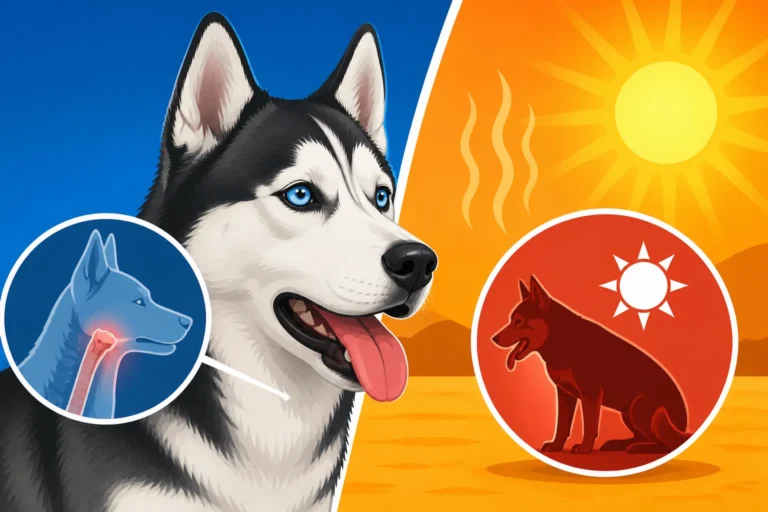
The Siberian Husky is a marvel of evolution, perfectly designed by the Chukchi people for pulling sleds across vast, frozen landscapes. Every fiber of their being, from their efficient metabolism to their dense double coat, screams "cold weather athlete." When placed in warmer climates, these adaptations can quickly become liabilities, making them exceptionally susceptible to overheating and heat stroke.
The Double Coat: A Double-Edged Sword
Let’s talk about that iconic Husky coat. It’s absolutely gorgeous, isn't it? But it's also the source of much misunderstanding. A Siberian Husky's double coat consists of a soft, dense undercoat for insulation and longer, coarser guard hairs that protect against snow, ice, and moisture. In cold weather, this coat traps warm air close to their body, keeping them toasty. Here's the kicker: it does the exact same thing in hot weather.
The coat acts as an insulator against temperature extremes in both directions, but its primary function is to protect against cold. While it does offer some protection from direct sunlight, it doesn't miraculously "cool" them down. Instead, it can trap their body heat, especially when temperatures climb above what their ancestors would have experienced. Imagine wearing a heavy winter coat in July; that’s a bit what it’s like for a Husky when their internal cooling mechanisms are overwhelmed by external heat. This is why you must never shave a Siberian Husky, as it actually disrupts their natural insulation and can make them more prone to sunburn and overheating.
High Energy Levels in Unsuitable Climates
Siberian Huskies are known for their boundless energy. They were bred to run for miles, pulling sleds day in and day out. This inherent drive doesn't simply disappear when the mercury rises. Even in scorching temperatures, a Husky's instinct might tell them to run, play, or explore with the same gusto they would exhibit in a crisp, cool autumn. This incredible enthusiasm, combined with their thick coat, creates a perfect storm for overheating.
When a Husky exercises vigorously, their body generates a significant amount of metabolic heat. In their native environment, this heat would be easily dissipated into the cold air. In a hot environment, however, there's no escape. The external air temperature is too high to effectively draw heat away, and their coat holds it in. This means that a seemingly short play session or a quick jog can quickly push a Siberian Husky into dangerous territory, especially if they haven't been properly acclimated to the climate. Understanding the limits of Running a Siberian Husky in Summer Heat is absolutely critical for their safety.
Misconceptions About Heat Tolerance
Many people, especially those new to the breed or living in warmer climates like Texas or Florida, grapple with how to keep their Huskies comfortable and safe. There's a persistent myth that Huskies can somehow "get used to" hot weather. While they can, to a very limited extent, acclimatize by slowing down and seeking shade, their fundamental physiological makeup remains geared for cold. They simply don't have the same heat-dissipating mechanisms as breeds like Greyhounds or Basenjis, who have short coats and often less body fat.
The danger is amplified when owners move a Husky from a cooler climate to a significantly warmer one without implementing strict management protocols. They aren't like people who can sweat efficiently from all over their body. Dogs primarily cool themselves through panting and through the pads of their feet. When the ambient temperature is too high, or the humidity is intense, evaporative cooling from panting becomes less effective, and their body temperature can skyrocket rapidly. This inability to efficiently shed heat is why The Temperature a Siberian Husky Starts Struggling At is much lower than many assume, often starting around 70-75°F (21-24°C), particularly with humidity or exertion.
Spotting the Red Flags: Early and Advanced Signs of Heat Stroke
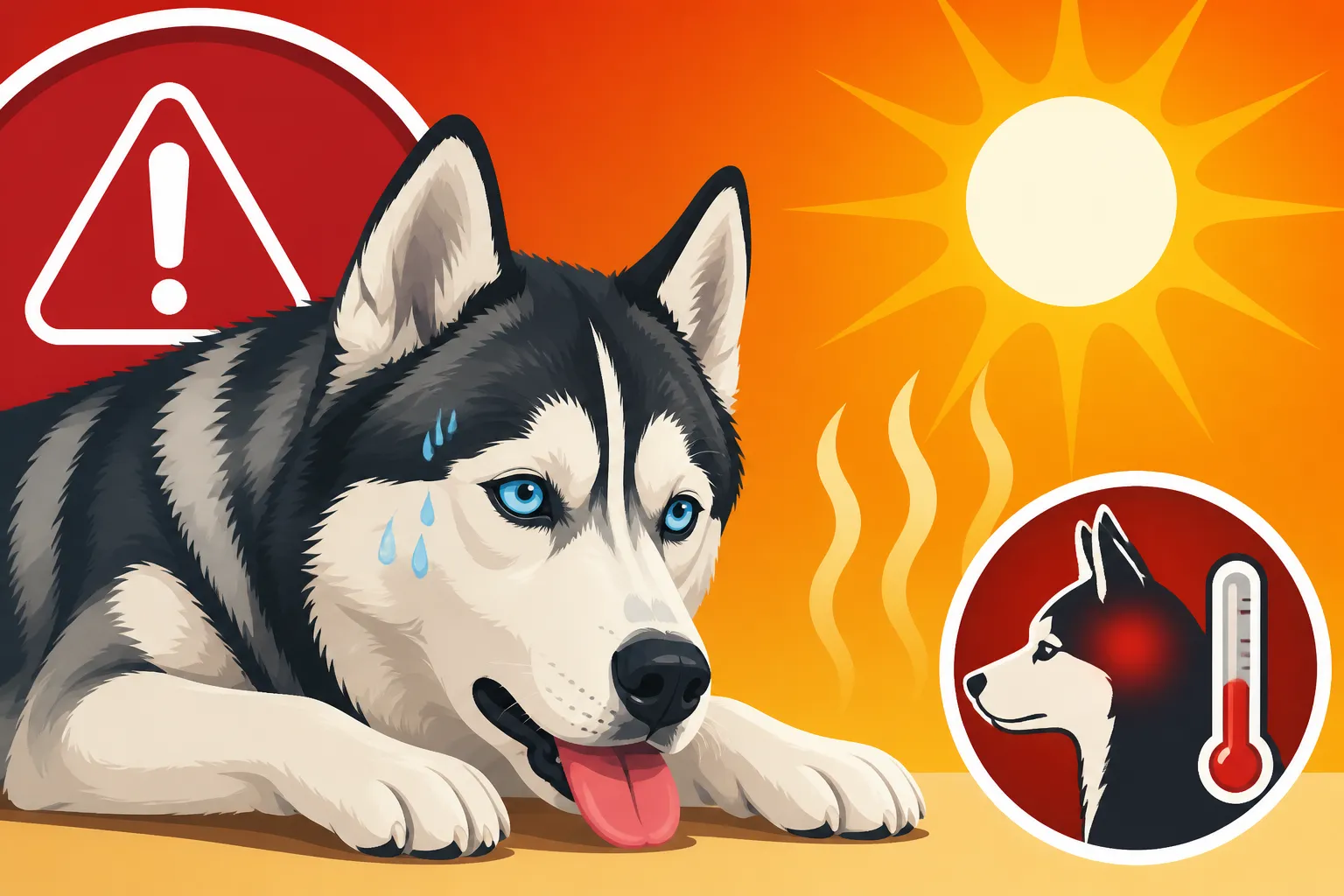
Recognizing the signs of heat stroke early is paramount. A Husky can go from seemingly fine to critically ill in a frighteningly short amount of time. Every minute counts when it comes to intervening and potentially saving your dog’s life. Don't second-guess yourself; if you suspect heat stroke, act immediately.
Catching the Subtle Warnings
Before a full-blown emergency, there are often subtle cues that your Siberian Husky is struggling with the heat. These are the moments where proactive intervention can make all the difference.
- Excessive Panting: While all dogs pant to cool down, pay close attention to the intensity and duration. If your Husky is panting more heavily than usual for their activity level, or if their panting doesn't subside quickly after stopping exercise, it's a red flag. Their breaths might become shallow and rapid.
- Dark Red Gums: A healthy Husky typically has moist, bubble-gum pink gums. If you lift your dog's lip and see gums that are a brighter, almost brick-red color, it indicates increased blood flow and often a higher body temperature.
- Thick, Ropy Saliva: As a Husky overheats, they may produce excessive amounts of thick, droopy saliva. This is their body attempting to cool itself, but if the saliva becomes unusually viscous, it means they are losing fluids rapidly and may be becoming dehydrated.
- Increased Heart Rate: You might notice their heart beating rapidly if you place your hand on their chest. Their pulse might also feel strong and thready in their femoral artery (inside the upper thigh).
- Lethargy and Weakness: Your normally energetic Husky might seem unusually tired, reluctant to move, or generally sluggish. They might lie down more frequently and seem less interested in their surroundings. This isn't just a sign of being hot; it's a sign they're struggling.
When It Becomes a Critical Emergency
If the early warning signs are missed or ignored, heat stroke can progress to a critical stage with alarming speed. At this point, irreversible organ damage or even death is a very real possibility.
- Staggering, Disorientation, or Collapse: Your Husky might appear disoriented, stumbling as they walk, or lose their balance. They may even collapse and be unable to get up. This indicates severe neurological distress due to high body temperature.
- Vomiting and Diarrhea: Gastrointestinal upset is common in advanced heat stroke. Vomiting and diarrhea, sometimes containing blood, are very serious signs that multiple organ systems are shutting down.
- Seizures: Uncontrolled muscle spasms and seizures can occur as the brain swells and struggles with the extreme heat. This is a severe neurological emergency and requires immediate veterinary attention. These aren't the typical Siberian Husky Seizures and Idiopathic Epilepsy you might read about; these are directly heat-induced.
- Unconsciousness: In the most severe cases, your Husky may lose consciousness, becoming unresponsive. This is a life-threatening situation demanding immediate, expert medical intervention.
- Glazed Eyes: Their eyes might appear unfocused, glassy, or sunken as they become increasingly dehydrated and distressed.
Here's a quick reference table to help you distinguish between a Husky that's just hot and one that's in serious trouble:
| Symptom | Normal "Hot" Husky (take precautions!) | Heat Stroke (Emergency! Seek vet care!) |
|---|---|---|
| Panting | Heavy, but regular; subsides with rest and water | Extremely heavy, frantic, noisy; doesn't stop or worsens |
| Gums | Pink, moist | Bright red, dark red, or bluish/purple; dry or sticky |
| Saliva/Drooling | Normal or slightly increased, watery | Excessive, thick, ropy |
| Energy/Behavior | Seeks shade, slows down, still responsive | Lethargic, weak, disoriented, staggering, collapses, unresponsive |
| Body Temperature | Elevated, but comes down with rest/cooling | Very high (above 104°F/40°C), rising rapidly |
| Other | Vomiting, diarrhea (possibly bloody), seizures, muscle tremors, glassy eyes |
Life-Saving Actions and Proactive Prevention Strategies
Knowing the signs is only half the battle; knowing what to do and how to prevent it altogether is the other, equally vital, half. Early action can be the difference between life and death.
Immediate First Aid to Cool Your Husky
If you suspect your Siberian Husky is experiencing heat stroke, you need to act fast while also getting them to a veterinarian immediately. This is not a "wait and see" situation. Call your vet or the nearest emergency animal hospital while you start cooling efforts.
- Move to a Cooler Environment: Get your Husky out of the sun and into the coolest possible place. This could be a shady spot, an air-conditioned car (with the AC blasting), or inside your home.
- Start Cooling Gently but Effectively: Focus on areas where major blood vessels are close to the surface.
- Wet the Paws, Belly, and Inner Thighs: Use cool (not ice-cold) water to wet these areas. A hose on a gentle setting, a wet towel, or even just splashing water from a bottle will work.
- Avoid Ice or Ice Baths: While counter-intuitive, extremely cold water can cause blood vessels to constrict, trapping heat inside the body and potentially inducing shock. It can also make it harder for the vet to accurately assess their core temperature.
- Use a Fan: If available, direct a fan onto your wet Husky to maximize evaporative cooling.
- Wipe Down: Gently wipe down their fur with cool, wet cloths.
- Offer Small Amounts of Water: If your Husky is conscious and able to drink, offer them small sips of cool water. Do not force water on them, as they could aspirate it.
- Transport to Vet: Even if your Husky seems to be recovering, a vet visit is crucial. Heat stroke can cause internal damage that isn't immediately visible. On the way, continue cooling efforts in the car.
Emergency veterinary care for heat stroke can be incredibly expensive, potentially running into thousands of dollars for diagnostics, IV fluids, cooling measures, and monitoring. This is where having pet insurance like Healthy Paws can truly be a lifesaver, allowing you to focus on your Husky's recovery rather than the daunting financial burden. They often cover accidents and illnesses, which would include heat stroke.
Daily Habits for a Cooler Canine Companion
Prevention is always better than cure. Integrating these habits into your routine, especially if you live in a warmer climate, is essential for your Husky's well-being.
- Time Walks and Exercise Wisely: This is perhaps the most critical prevention step. During warm months, walk your Husky only during the coolest parts of the day – typically very early morning (before 7 AM) or late evening (after 8 PM). Always check the pavement temperature with your hand; if it's too hot for your bare hand, it's too hot for their paws. Even a short walk on hot pavement can lead to burns and overheating.
- Provide Constant Access to Fresh, Cool Water: Always have multiple bowls of fresh water available, both inside and outside. Consider adding ice cubes to their water or using a water fountain to encourage drinking. When you're out, always carry water for your Husky.
- Offer Ample Shade: If your Husky spends any time outdoors, ensure they have access to deep, consistent shade at all times. Trees are best, but shade cloths or a well-ventilated kennel cover can also work. Remember, the sun moves, so what's shady at 9 AM might be direct sun by noon.
- Never, Ever Leave a Husky in a Car: Even on a mild day, the temperature inside a car can rise to dangerous levels very quickly, even with windows cracked. This is a common and tragically preventable cause of heat stroke. Just don't do it.
- Proper Grooming: Regular grooming to remove loose undercoat, especially during their Siberian Husky Coat Blow and the Six Weeks It Lasts, is vital. This helps their coat breathe and allows for better air circulation. Invest in good grooming tools like an undercoat rake and a high-velocity dryer. Remember, Why You Must Never Shave a Siberian Husky is a golden rule; it will not cool them down and can cause coat damage and sunburn.
- Know Your Dog's Limits: Every Husky is an individual. Some may tolerate slightly more heat than others, but it's always safer to err on the side of caution. Watch for any signs of discomfort and stop activity immediately.
Essential Gear and Environmental Adjustments
For those living in areas where heat is a constant concern, supplementing daily habits with specific gear and environmental modifications can make a huge difference.
- Air Conditioning: For Huskies living in hot climates, air conditioning is not a luxury; it's a necessity. If you're out of the house, keep your AC set to a comfortable temperature. Your Husky relies on a cool indoor environment for relief. This often means Air Conditioning a Siberian Husky Depends On.
- Cooling Mats and Elevated Beds: Cooling mats (gel-filled or water-activated) can provide a cool spot for your Husky to lie on. Elevated beds allow air to circulate underneath, preventing heat buildup.
- Kiddie Pools: Many Huskies love to splash in shallow water. A plastic kiddie pool filled with a few inches of cool water can be a wonderful way for them to cool down and play safely in the yard.
- Cooling Vests/Bandanas: While not a substitute for proper temperature management, cooling vests or bandanas (soaked in cool water) can offer temporary relief during short outdoor excursions. Ensure they are designed for dogs and fit well.
- Regular Vet Check-ups: Ensure your Husky has regular veterinary check-ups. A healthy Husky is better equipped to handle minor temperature fluctuations. Discuss any concerns about heat with your vet. Siberian Husky Vet Visits by Life Stage are important for monitoring overall health.
The Serious Aftermath: Long-Term Impacts of Heat Stroke
Even if a Siberian Husky survives an episode of heat stroke, the ordeal can leave lasting damage on their internal organs. It's not something they just "bounce back" from without potential consequences.
Unseen Damage and Organ Complications
When a dog's core body temperature rises to dangerous levels (typically above 105°F or 40.5°C), it triggers a cascade of damaging effects throughout the body. The intense heat causes cells to break down, proteins to denature, and blood vessels to become leaky. This can lead to a range of severe complications:
- Kidney Damage: The kidneys are particularly vulnerable to heat stroke. Acute kidney injury or even failure can occur, requiring intensive treatment and potentially leading to chronic kidney disease later in life.
- Liver Issues: The liver, another vital organ for detoxification, can also be severely impacted, leading to elevated liver enzymes and impaired function.
- Brain Swelling and Neurological Damage: Prolonged high temperatures can cause the brain to swell, leading to seizures, disorientation, and in severe cases, permanent neurological deficits.
- Disseminated Intravascular Coagulation (DIC): This is a life-threatening condition where the body's blood clotting mechanisms go haywire. It starts with widespread clotting in small vessels, consuming clotting factors, and then transitions to widespread bleeding, both internally and externally. DIC is a grave complication with a high mortality rate.
- Heart Muscle Damage: The heart can also suffer, potentially leading to arrhythmias or weakened function.
- Acute Respiratory Distress Syndrome (ARDS): Lung damage can lead to severe breathing difficulties, requiring oxygen therapy.
The severity of these complications depends on how high the body temperature reached, how long it stayed elevated, and how quickly effective cooling measures were initiated. This is why immediate veterinary intervention is non-negotiable.
Managing Recovery and Future Risks
The recovery period after heat stroke can be long and challenging, both for the Husky and their human companions. It often involves extended stays at the veterinary hospital, continuous monitoring, and specialized care.
- Hospitalization and Intensive Care: Huskies who have experienced heat stroke often require several days of hospitalization. This allows vets to closely monitor organ function (kidney values, liver enzymes, clotting times), administer IV fluids to combat dehydration and support organ perfusion, and manage any developing complications like seizures or bleeding disorders.
- Follow-Up Appointments: Even after discharge, your Husky will likely need regular follow-up appointments and blood tests to ensure their organs are recovering and to catch any lingering issues.
- Increased Sensitivity to Heat: A Husky that has suffered heat stroke will almost certainly be more sensitive to heat in the future. Their body's ability to regulate temperature may be permanently compromised, making future heat stroke episodes even more likely and dangerous. This necessitates a permanent shift in lifestyle and management.
- Lifestyle Adjustments: You will need to be extra vigilant about limiting their exposure to heat, even on days that seem mild. This means stricter adherence to early morning/late evening walks, avoiding strenuous exercise in anything but cool weather, and providing a constantly cool environment. For some, this might even mean rethinking living in a very hot climate.
- Financial Burden: The cost of treating severe heat stroke can be substantial, easily reaching into the thousands of dollars. From initial emergency care to prolonged hospitalization, diagnostics, and follow-up treatments, the bills can add up quickly. This is precisely why pet insurance, such as a policy from Healthy Paws, can provide immense relief. A good policy can help cover a significant portion of these unexpected and critical veterinary expenses, ensuring your beloved Husky receives the best possible care without you having to make impossible financial decisions.
Understanding the gravity of heat stroke in a Siberian Husky is crucial for responsible ownership. By recognizing their unique vulnerabilities, staying alert to warning signs, and implementing stringent preventive measures, you can help ensure your beautiful companion enjoys a long, healthy life, safely protected from the dangers of the heat.
Disclaimer
The information provided in this article is for general informational purposes only and is not a substitute for professional veterinary advice. If your Siberian Husky is exhibiting any signs of heat stroke or other medical distress, please contact your veterinarian or an emergency animal hospital immediately. Always consult with a qualified veterinary professional for any health concerns or before making any decisions related to your pet's health or treatment.