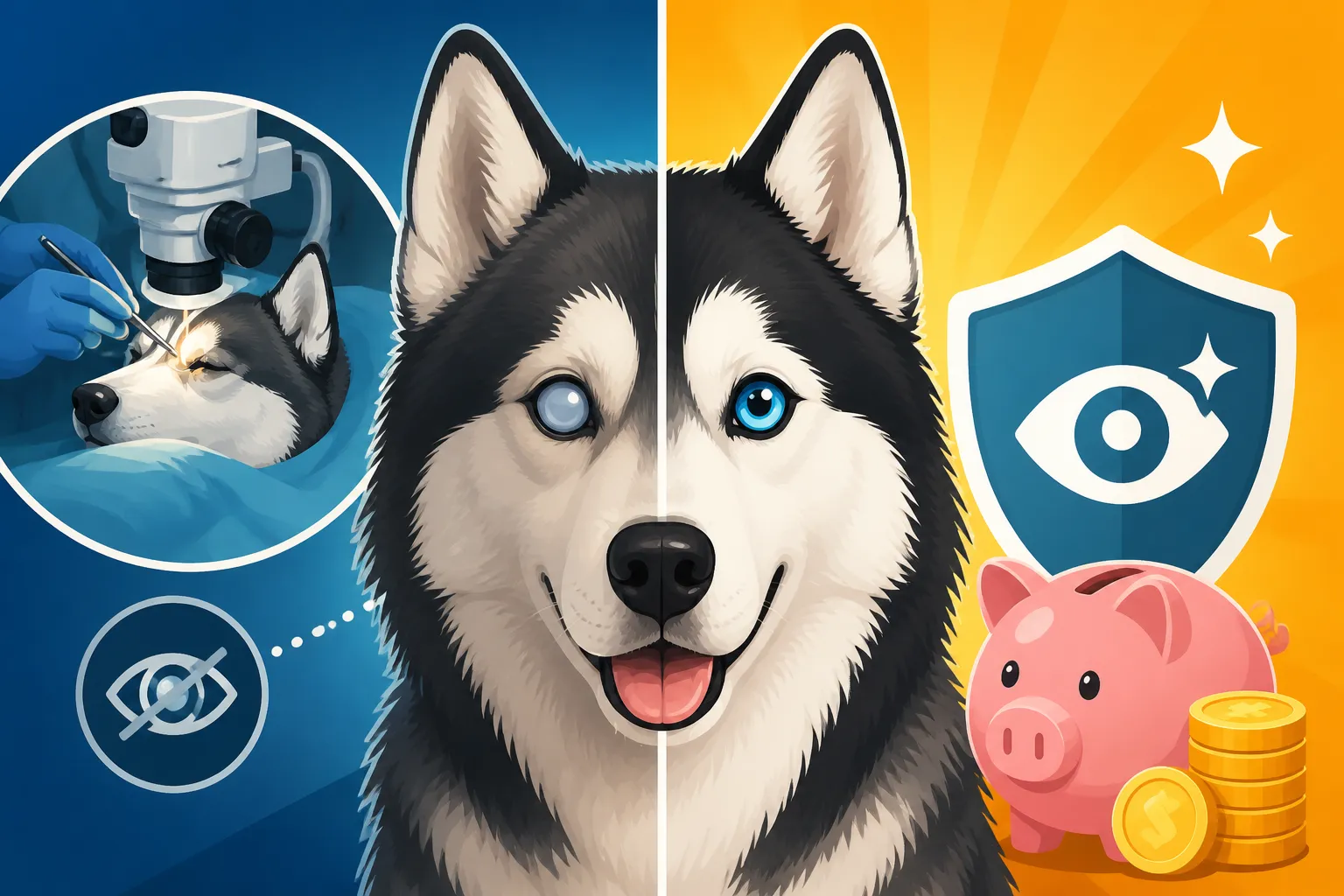
What Restoring a Siberian Husky’s Sight Costs
Seeing your adventurous Siberian Husky suddenly struggling with their vision can be utterly heartbreaking, turning their once-bright, curious gaze into a clouded, painful struggle. It's not just the emotional toll; the thought of major veterinary procedures to restore their sight often comes with a hefty dose of financial anxiety. This guide is here to break down the real costs involved in diagnosing, treating, and managing various eye conditions in Siberian Huskies, helping you understand the financial journey of getting your beloved companion back to seeing the world clearly.
Understanding Common Siberian Husky Eye Conditions Requiring Intervention
Siberian Huskies are magnificent dogs, known for their striking blue or bi-colored eyes, but they are also predisposed to certain ocular conditions that can, unfortunately, lead to vision impairment or even blindness. Before diving into the costs, it’s crucial to understand what you might be up against, as the type of condition directly dictates the treatment and associated expenses.
Juvenile Cataracts in the Siberian Husky
One of the most frequently discussed eye issues in Siberian Huskies is Juvenile Cataracts in the Siberian Husky. These aren't just the cloudy lenses you might see in an older dog; juvenile cataracts typically develop much earlier, sometimes even before a puppy is a year old. They are often inherited, and their severity can range from small, barely noticeable opacities to dense clouds that significantly obstruct vision. When these cataracts mature and cover a large portion of the lens, they can cause blindness.
The heartbreak of seeing your young, energetic Husky bumping into furniture or hesitating on walks is immense. The good news is that juvenile cataracts, especially when they impact vision severely, are often treatable through surgery. However, the decision to pursue surgery isn't just about the visual outcome; it's also about managing the financial implications of a highly specialized procedure and the extensive aftercare. It's a journey that requires careful consideration and budgeting.
Glaucoma as a Siberian Husky Emergency
While less common than cataracts, Glaucoma as a Siberian Husky Emergency is a far more acute and painful condition that demands immediate veterinary attention. Glaucoma occurs when the pressure inside the eye (intraocular pressure) rises to dangerously high levels, damaging the optic nerve and potentially causing rapid, irreversible blindness. It can develop suddenly, often presenting as a red, swollen, painful eye, with your Husky perhaps squinting, tearing, or being unusually withdrawn.
This isn't just about restoring sight; it's about alleviating excruciating pain and trying to save the eye, or at least the remaining vision. The urgency of glaucoma means there's no time to shop around for prices; you need to get to an emergency vet or veterinary ophthalmologist now. The costs associated with emergency diagnosis and treatment can be substantial because of the immediate nature and the specialized equipment and medications required. Early intervention, while costly, offers the best chance for saving your Husky's vision.
Progressive Retinal Atrophy in Siberian Huskies
It's important to talk about Progressive Retinal Atrophy in Siberian Huskies (PRA) because while it leads to blindness, it's not a condition where sight can typically be restored through surgery in the same way cataracts can. PRA is a group of degenerative diseases affecting the retina, gradually causing the photoreceptor cells (rods and cones) to deteriorate. For Huskies, specifically, there's an X-linked form of PRA that primarily affects males. The signs often start with night blindness, progressing to total blindness over time.
While there's no surgical cure for PRA, understanding its diagnosis is still relevant to the overall costs of managing a Husky's eye health. An accurate diagnosis helps differentiate it from treatable conditions and allows owners to plan for their dog's eventual blindness, focusing on quality of life and safety measures. Diagnostic tests for PRA, such as electroretinography (ERG) or genetic testing, still carry significant costs, even though the outcome isn't sight restoration. These tests are vital for proper management and for responsible breeding practices to prevent passing on the gene.
Initial Diagnosis and Specialist Consultation Fees
Before any talk of surgical intervention or long-term medication, the first step in addressing a Siberian Husky's eye problems is accurate diagnosis. This phase involves several levels of veterinary care, each with its own cost implications. Don't underestimate these initial expenses; they lay the groundwork for effective treatment.
The Annual Eye Exam and General Vet Check-ups
Every Siberian Husky owner knows the importance of routine care, and this absolutely includes regular vet check-ups. While your general veterinarian is fantastic for overall health, they're also often the first line of defense for spotting potential eye issues. During their annual wellness exam, they’ll perform a basic eye check, looking for redness, discharge, or obvious cloudiness. If they suspect something is amiss, they will likely recommend a referral to a specialist.
These routine visits are crucial because they can catch problems early, potentially saving you from more extensive and costly treatments down the line. A typical wellness exam might cost between $50 and $150, not including any specific tests or medications. If your vet does find something concerning, they might perform a basic fluorescein stain test for corneal ulcers (around $25-$50) or a Schirmer tear test for dry eye (also $25-$50). These are relatively inexpensive initial steps, but they are just the beginning if a complex condition like cataracts or glaucoma is suspected. This highlights why regular preventive care, including discussing topics like Why a Siberian Husky Needs an Eye Exam Every Year, is so important.
Specialized Ophthalmic Examinations
When your general vet suspects a serious eye condition, they’ll refer you to a board-certified veterinary ophthalmologist. This is where the specialized diagnostic phase truly begins, and the costs start to climb. An initial consultation with an ophthalmologist is typically more expensive than a regular vet visit, ranging from $150 to $400 or more, depending on your location and the clinic's reputation. During this visit, the ophthalmologist will perform a thorough examination, often using specialized equipment not found in a general practice.
They will carefully inspect your Husky's eyes, pupils, and reflexes, sometimes in a darkened room with a bright light and magnification. They might dilate your Husky's pupils to get a better view of the lens and retina. This is a far more in-depth examination than what your general vet can provide. The ophthalmologist's expertise is invaluable for accurately diagnosing conditions like Siberian Husky Eye Disease and the Annual Exam and determining the best course of action. This visit is critical because misdiagnosis can lead to inappropriate and ineffective treatments, costing you time, money, and your Husky’s comfort.
Diagnostic Tests and Imaging
Beyond the physical exam, the ophthalmologist will often recommend specific diagnostic tests to confirm a diagnosis or to assess the extent of the disease. These tests are essential for tailoring the most effective treatment plan. For example, if cataracts are suspected, they might perform an ocular ultrasound to evaluate the structures behind the lens, especially if the cataract is so dense that it obstructs the view. An ultrasound can cost anywhere from $200 to $600.
For conditions affecting the retina, such as PRA, an electroretinography (ERG) test is often required. This test measures the electrical responses of the retina to light and is crucial for assessing retinal function. An ERG is a specialized procedure, often requiring sedation, and can range from $500 to $1,500 or more. If glaucoma is a concern, measuring the intraocular pressure using a tonopen is standard, usually included in the consultation fee, but follow-up pressure checks might be separate. Pre-surgical blood work, necessary to ensure your Husky is healthy enough for anesthesia, will add another $100-$300 to the bill. All these tests, while adding to the upfront cost, are indispensable for arriving at an accurate diagnosis and forming a viable treatment strategy. Understanding What an Ophthalmologist Checks in a Siberian Husky can help you prepare for these steps.
| Procedure/Service | Typical Cost Range (USD) | Purpose |
|---|---|---|
| General Vet Eye Check | $50 – $150 | Initial screening, basic tests (e.g., tear test, fluorescein) |
| Ophthalmic Specialist Consultation | $150 – $400 | In-depth eye examination by a certified specialist |
| Ocular Ultrasound | $200 – $600 | Evaluate internal eye structures, especially with dense cataracts |
| Electroretinography (ERG) | $500 – $1,500+ | Assess retinal function (e.g., for PRA diagnosis) |
| Pre-Surgical Bloodwork | $100 – $300 | Ensure anesthesia safety |
| Total Diagnostic Phase (Estimate) | $1,000 – $2,950+ |
Surgical Interventions for Sight Restoration
Once a clear diagnosis is made and sight restoration is deemed possible, surgery becomes the primary course of action for many conditions. These procedures are highly specialized and, as such, come with a significant price tag. It’s a major decision, both medically and financially, but for many Husky owners, restoring their dog's vision is priceless.
Cataract Surgery on a Siberian Husky
For Siberian Huskies suffering from visually impairing cataracts, especially the juvenile type, cataract surgery is the gold standard for restoring sight. This procedure involves removing the cloudy lens and, in most cases, replacing it with an artificial intraocular lens (IOL). It's a delicate microsurgery performed by a veterinary ophthalmologist, often requiring specialized equipment and a skilled surgical team. The cost of Cataract Surgery on a Siberian Husky can be a real sticker shock for many owners, typically ranging from $2,500 to $4,500 per eye.
This fee usually covers the surgery itself, the artificial lens, anesthesia, and initial post-operative medications and follow-up appointments (often for the first week or two). If your Husky has cataracts in both eyes, which is quite common, you're looking at a bill that could easily hit $5,000 to $9,000 or more. It's a significant investment, but for a dog who was once active and suddenly struggling to navigate their world, the change in quality of life after successful surgery can be profound. However, it's crucial to understand that surgery isn't a guaranteed fix and comes with its own set of potential complications and strict aftercare requirements.
Glaucoma Surgeries and Laser Treatments
Unlike cataracts, which are often a vision-restoring procedure, glaucoma surgeries primarily focus on reducing intraocular pressure to alleviate pain and preserve remaining vision. When medical management with drops is no longer sufficient, or if the pressure is extremely high, surgical options become necessary. Procedures can include gonioimplantation (inserting a shunt to drain fluid), cyclocryotherapy (freezing parts of the eye to reduce fluid production), or diode laser cyclophotocoagulation (using a laser to destroy fluid-producing cells).
The cost for glaucoma surgery can vary widely depending on the specific procedure and the severity of the case. You might expect to pay anywhere from $1,500 to $4,000 per eye for these interventions. Sometimes, if the eye is already blind and painfully uncomfortable, the most humane option is enucleation (surgical removal of the eye), which typically costs $800 to $2,000, including anesthesia and post-op care. While this isn't sight restoration, it's a necessary step to relieve suffering. The goal for glaucoma isn't always to bring back vision, but to ensure comfort and, if possible, preserve any existing sight, as discussed in detail in Saving Sight in a Siberian Husky Glaucoma Case.
Post-Operative Care and Medication Costs
The surgical procedure itself is only part of the financial picture; post-operative care and medications are absolutely critical for successful outcomes and can add a substantial amount to your overall expenses. After cataract or glaucoma surgery, your Siberian Husky will likely need a regimen of multiple eye drops, often several times a day, for weeks or even months. These drops include anti-inflammatory medications (steroids and NSAIDs) to control swelling and pain, and antibiotics to prevent infection.
A single bottle of prescription eye drops can cost anywhere from $30 to $100, and your Husky might need 3-5 different types. Over the course of several weeks to months, these medications can easily add $200 to $500 or more to your bill. Additionally, your Husky will need to wear an Elizabethan collar (the "cone of shame") for a period to prevent them from rubbing or scratching their eyes, and often oral pain medication and anti-inflammatories. You'll also have several follow-up appointments with the ophthalmologist to monitor healing and adjust medications. These post-op visits, usually weekly initially, then less frequently, can cost $75-$200 per visit, and you might need 3-6 or more in the first few months. Understanding and budgeting for Recovery After Siberian Husky Cataract Surgery is paramount for ensuring a good long-term outcome.
Ongoing Management and Long-Term Expenses
For many Siberian Huskies with eye conditions, the journey doesn't end after surgery or initial treatment. Many require ongoing management, regular monitoring, and sometimes even lifelong medication. These long-term expenses can accumulate over time and are an important part of the financial commitment you make to your Husky's eye health.
Lifetime Eye Drops for a Siberian Husky
For some conditions, or as a preventative measure after certain surgeries, your Siberian Husky may need eye drops for the rest of their life. For instance, dogs prone to dry eye (keratoconjunctivitis sicca) might need daily cyclosporine or tacrolimus drops to stimulate tear production. Huskies who have undergone glaucoma surgery might need ongoing pressure-reducing drops, even if at a lower frequency. Even after successful cataract surgery, some dogs benefit from lifelong anti-inflammatory drops to prevent secondary complications like uveitis.
These medications aren't cheap. As mentioned, a single bottle can be $30-$100, and if your Husky needs one or two types of drops daily, every month, this can quickly add up to $360 to $2,400 annually, year after year. It's a recurring expense that needs to be factored into your long-term budget. Sometimes, your veterinary ophthalmologist might offer compounded medications or recommend ordering from online pharmacies like Chewy or other reputable pet supply retailers to find more cost-effective options, but the cost remains significant over the lifespan of your dog. This consistent need is why preparing for Lifetime Eye Drops for a Siberian Husky is a crucial aspect of their care.
Regular Follow-up Appointments
Even after the initial post-operative period or diagnosis, regular follow-up appointments with the veterinary ophthalmologist are essential. These check-ups monitor the long-term health of your Husky's eyes, detect any potential complications early, and ensure that current medications or treatments are still effective. For example, after cataract surgery, your Husky will need periodic checks to monitor for glaucoma, retinal detachment, or posterior capsular opacification (PCO), often referred to as "after-cataract."
These follow-up appointments might occur every six months or once a year, depending on the specific condition and stability of your Husky's eyes. Each visit can cost between $100 and $250. Over the years, these routine checks can add thousands of dollars to your overall expenses. It’s a necessary investment, however, as early detection of secondary issues can often prevent more serious, and more expensive, problems down the line. Missing these appointments to save money can ultimately lead to greater health complications and increased costs.
Managing Secondary Complications
Despite the best care, sometimes secondary complications can arise, adding unexpected costs to your journey. After cataract surgery, for instance, a Husky might develop glaucoma in the operated eye, or a retinal detachment, requiring further, sometimes emergency, intervention. Chronic uveitis (inflammation inside the eye) can also be a persistent issue that needs aggressive management with specialized, often expensive, anti-inflammatory drops.
For a Husky with chronic glaucoma, even with surgery, there might be periods where the pressure spikes again, necessitating emergency visits, additional medications, or even further procedures. These unforeseen complications can be incredibly stressful, both emotionally and financially. Each new complication means new diagnostic tests, new medications, and potentially new surgeries, pushing the total cost far beyond initial estimates. It's a harsh reality that owners must be prepared for, emphasizing the importance of a robust financial plan or pet insurance.
Financial Planning and Support Options
Facing the potentially astronomical costs of restoring your Siberian Husky's sight can feel overwhelming. Many owners find themselves unprepared for these figures, but there are several avenues to explore for financial planning and support to ensure your beloved companion receives the care they need.
Siberian Husky Pet Insurance and the Eye Clause
Pet insurance can be an absolute lifesaver when it comes to unexpected veterinary bills, especially for high-cost procedures like eye surgeries. However, it's crucial to understand how policies work, particularly the "eye clause" and exclusions for pre-existing conditions. Most pet insurance plans, including those from providers like Healthy Paws, will not cover conditions that were present or showed symptoms before your policy's waiting period or enrollment. This means if your Husky already has juvenile cataracts or has been diagnosed with glaucoma, it will likely be considered a pre-existing condition and therefore not covered.
This reality underscores the importance of enrolling your Siberian Husky in a pet insurance plan when they are young and healthy. A comprehensive plan can cover a significant portion (often 70-90%) of diagnostic tests, surgeries, medications, and follow-up care for new conditions. For example, if your Husky develops cataracts at age two and you enrolled them as a puppy, the insurance could potentially save you thousands of dollars. Always read the fine print, understand the deductibles, reimbursement percentages, and maximum payouts, and specifically inquire about coverage for breed-specific conditions or hereditary diseases. Diving into details about Siberian Husky Pet Insurance and the Eye Clause can save a lot of heartache later.
Emergency Funds and Payment Plans
Even with pet insurance, you'll still have out-of-pocket expenses like deductibles and non-covered percentages. For those without insurance, or for costs exceeding policy limits, an emergency fund specifically for pet care is invaluable. Setting aside a dedicated amount each month, even a small one, can build up a significant cushion over time. Many veterinary clinics and specialist hospitals also understand the financial burden of these procedures and offer payment plans through third-party services like CareCredit or Scratchpay.
These services allow you to finance the cost of treatment over several months, often with low or no interest for an introductory period. While this doesn't reduce the total cost, it breaks it down into manageable monthly payments, making critical treatments more accessible. Always discuss these options with your veterinary staff; they are often very experienced in helping clients navigate these financial challenges and can provide information on available resources.
Breed-Specific Rescues and Financial Aid
When financial resources are truly stretched, don't despair; there are often organizations willing to help. Many breed-specific Siberian Husky rescues, even if you didn't adopt from them, may offer financial assistance programs or have partnerships with veterinary funds. These groups are deeply committed to the well-being of the breed and understand the unique health challenges and costs associated with Huskies. Reaching out to your local Siberian Husky club or national breed organizations can often lead to information about grants, low-interest loans, or charitable funds specifically for Huskies needing veterinary care.
Additionally, there are various national non-profit organizations that offer financial aid for pets requiring expensive treatments, regardless of breed. Foundations like The Pet Fund, RedRover, and Frankie's Friends are examples of groups that might provide grants to qualifying individuals. While these funds are not guaranteed and often have strict eligibility criteria, they are certainly worth exploring. Sometimes, even your general vet might know of local charities or programs. Resources like online communities or specific pet care product companies, such as Ollie for specialized diets that support overall health during recovery, or Chewy for affordable prescription medications, can indirectly help by reducing other recurring pet expenses, freeing up funds for critical care.
Disclaimer
Please note that the cost estimates provided in this article are generalized and can vary significantly based on your geographic location, the specific veterinary clinic or specialist, the individual needs of your Siberian Husky, and the complexity of their condition. These figures are intended as a guide and should not be considered definitive quotes. Always consult directly with your veterinarian and veterinary ophthalmologist for precise cost breakdowns and treatment plans for your pet.