Replacing Doors a Siberian Husky Has Scratched Through
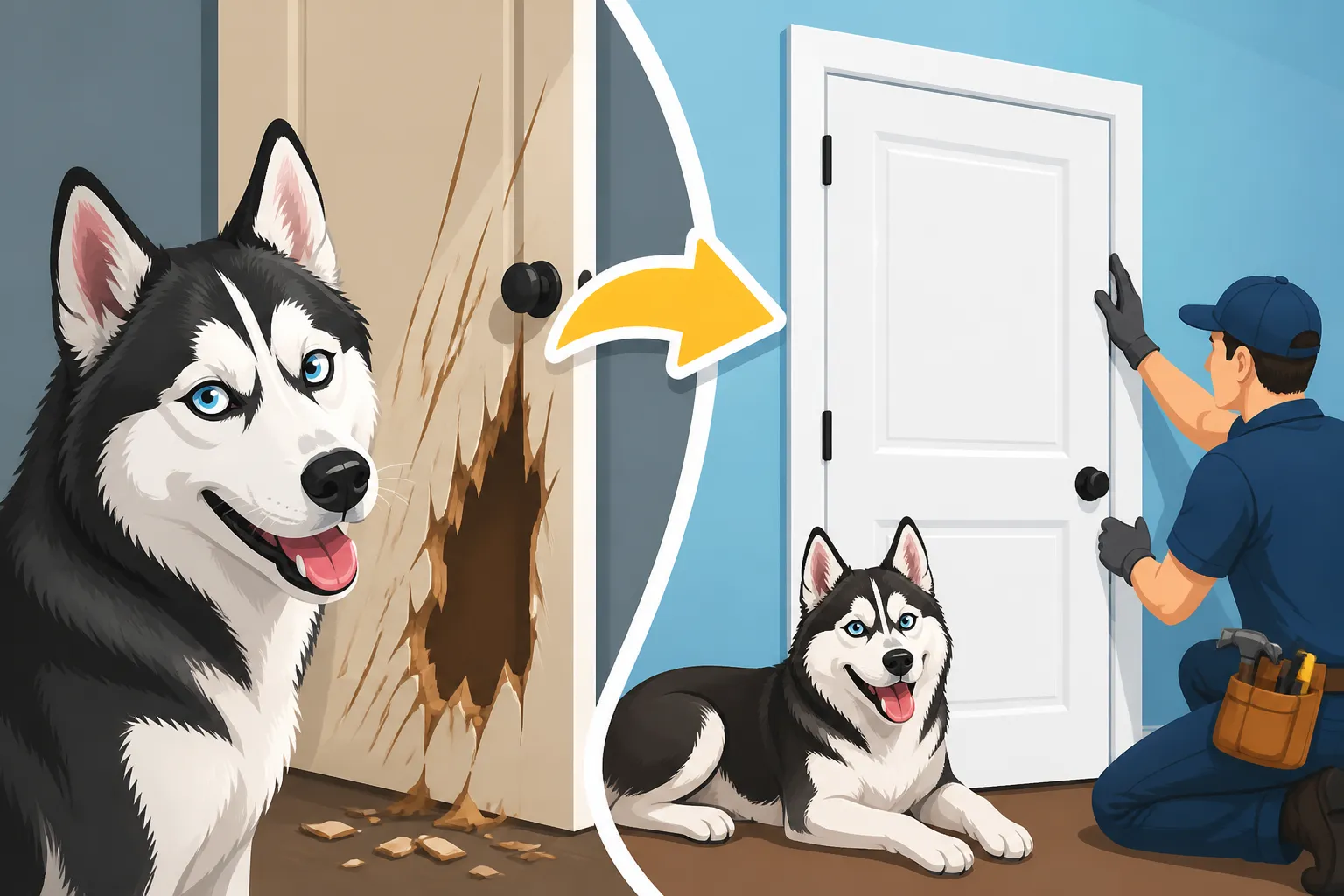
Oh, the infamous "husky door remodel"! If you're reading this, chances are you've come home to find your beautiful (and sometimes infuriating) Siberian Husky has decided your door was less of an entryway and more of a personal art project. It's a frustrating, expensive problem many husky owners face, feeling like you're constantly patching up damage while trying to understand why they do it. This guide will walk you through why your husky might be scratching at your doors, how to assess and repair the damage, and most importantly, how to prevent future destruction, saving your sanity and your security deposit!
Understanding Why Your Siberian Husky Targets Doors
It’s easy to feel personally offended when your husky chews or scratches through a door. It feels deliberate, almost spiteful. But for a Siberian Husky, it's rarely about malice; it’s usually an expression of their instincts, energy, or distress. Understanding the "why" is the first step toward finding a lasting solution.
The Deep-Rooted Drive to Go "Over There"
Siberian Huskies were bred to cover vast distances, to run and explore. They have an innate roaming instinct, a deeply ingrained desire to travel and see what’s beyond the immediate confines. A door, to a husky, isn't just a barrier; it's a challenge, a puzzle, or simply an obstacle between them and the perceived freedom or excitement on the other side. This instinctual drive to go "over there" can be incredibly powerful. It's why Why a Siberian Husky Cannot Be Trusted Off Leash is such a critical topic for new owners, and why a closed door often represents an unfulfilled desire to explore.
Think about it from their perspective: the door represents a boundary. If they perceive something more interesting, a squirrel, another dog, or just the great wide open, their powerful prey drive and need for adventure can kick in. They’ll use their paws, their nose, and sometimes even their teeth to try and achieve their goal. It’s not that they don't love you or their home; it’s that their ancestral programming screams, "What's out there? Let me at it!" This powerful urge often makes Stopping a Siberian Husky From Escaping the Yard a lifelong mission for owners, and doors are just one more battleground in that ongoing war.
Boredom and Underexercise: A Recipe for Destruction
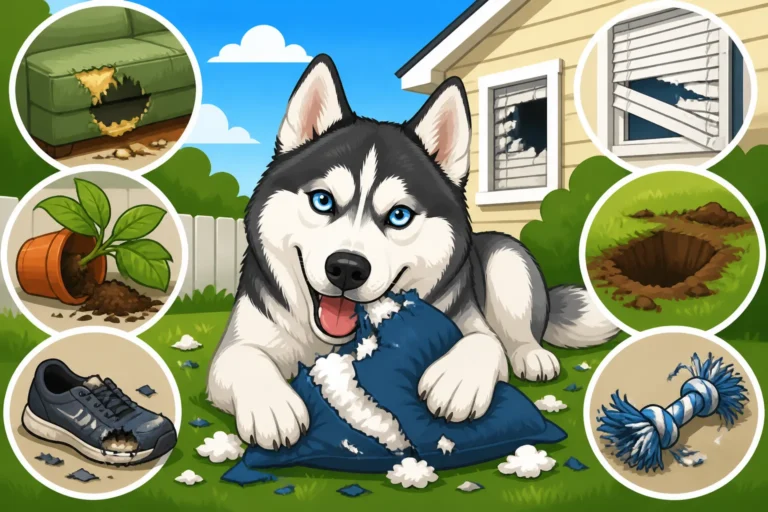
A bored Siberian Husky is a destructive Siberian Husky. It's almost a universal truth in the husky world. These dogs are intelligent, high-energy animals that thrive on physical and mental stimulation. If they're left alone for long periods without adequate exercise or mental engagement, they will find their own "jobs"—and those jobs often involve redecorating your home with their teeth and claws. Scratching and chewing at doors is a common outlet for pent-up energy and frustration. It's a physical task that provides some release.
Many owners underestimate just how much exercise a husky truly needs. A quick walk around the block before you leave for work often isn't enough. They need to run, to sprint, to engage their minds with training or puzzle toys. If your husky is consistently scratching doors, take an honest look at their daily routine. Are they getting at least an hour or two of vigorous exercise every day? Are they being mentally challenged with training sessions or interactive toys? Products from retailers like Chewy offer a wide array of durable puzzle feeders and chew toys that can help keep a husky's mind and mouth busy, diverting their attention from your doors. Remember, The Damage a Siberian Husky Does in Four Hours can be astounding when they're left to their own devices and boredom takes over.
Separation Anxiety vs. General Frustration
It's important to distinguish between simple frustration or boredom and genuine separation anxiety. While both can manifest in destructive behaviors like door scratching, the underlying emotional state is different. A husky with separation anxiety experiences true panic and distress when left alone. Their destructive actions are an attempt to reunite with their owner or to alleviate their intense fear. Signs of separation anxiety can include excessive drooling, frantic pacing, house-soiling, and relentless attempts to escape, often accompanied by howling or barking.
General frustration or boredom, on the other hand, might lead to scratching because the dog wants to get to something outside, or simply needs an outlet for excess energy. They might be calm otherwise, only resorting to door destruction when left without stimulation. If you suspect separation anxiety, the approach will need to be much more specialized, often involving desensitization and counter-conditioning techniques, possibly with the help of a professional behaviorist. For issues like Siberian Husky Separation Behavior, consulting with a positive reinforcement trainer is crucial. Understanding the difference is key to implementing the right strategy, whether it’s increasing exercise, providing more appropriate enrichment, or seeking behavioral intervention for anxiety.
Assessing the Damage and Navigating Repair
Once the dust (and wood shavings) have settled, you need to assess the damage. What might look like a catastrophic loss at first glance could sometimes be a manageable repair, while seemingly minor issues can hide deeper problems. Knowing what you're dealing with will help you decide whether it's a DIY job, time to call a professional, or if a full replacement is inevitable.
Minor Scratches: Surface Solutions
For surface-level scratches, often caused by a husky's paws rather than their teeth, you might be able to repair the door yourself. These are typically shallow marks on the paint or top layer of wood, where the actual structure of the door isn't compromised. The first step is to clean the affected area thoroughly. Remove any dirt, grime, or loose particles.
For painted doors, you can often sand down the scratches lightly with fine-grit sandpaper, then re-prime and repaint the area to match. It might take a few coats to blend seamlessly. For wooden doors, wood filler can be your friend. Apply a small amount to the scratch, smooth it with a putty knife, let it dry, then sand it flush. You can then stain or paint over the repair. There are also scratch repair kits available for wood that include colored markers or waxes designed to blend with different wood tones. These are usually best for concealing light marks rather than fixing deep grooves. While these methods won't make the door look brand new, they can significantly improve its appearance and extend its life, especially if you're proactive about preventing future damage.
Deep Gouges and Structural Compromise: When to Call a Pro
When your husky's efforts go beyond surface scratches and involve deep gouges, splintered wood, or even holes, you're looking at more significant damage. These types of injuries can compromise the integrity of the door, making it less secure and visually jarring. If the door jamb is also damaged, or if the door no longer closes properly, it's definitely time to consider professional help. A skilled carpenter can often fill large holes with wood patches, reconstruct damaged edges, or replace sections of a door frame.
Professionals have the tools and expertise to make repairs that are not only aesthetically pleasing but also structurally sound. They can match paints and stains more accurately and ensure that the repair holds up over time. Attempting to fix severe damage yourself without the right skills or materials can sometimes make the problem worse or lead to a flimsy repair that quickly fails. For instance, if the damage extends to the door's core (especially hollow-core doors), a simple patch might not be enough to restore its function or security. Don't be afraid to get a few quotes from local handymen or carpenters; they can often provide cost-effective solutions that save you from a full door replacement.
When Replacement Is the Only Option
Sometimes, the damage is simply too extensive to repair effectively. This could include large holes completely through the door, multiple splintered layers, or damage that has severely warped the door or its frame. In these cases, or if your door is an older, less robust model that is prone to repeated damage, replacement might be the most economical and long-term solution. You'll need to consider the type of door you have and what might be a more durable option for a husky household.
| Damage Type | Repair Feasibility | Recommended Action | Cost Implication |
|---|---|---|---|
| Surface Scratches | High, DIY possible | Sand, fill, paint/stain | Low |
| Deep Gouges | Moderate, Professional Recommended | Wood filler, patching, refinishing | Medium |
| Holes/Splits | Low, Professional required | Extensive patching or panel replacement | High (near replacement) |
| Structural Damage | Very Low | Full door replacement | Highest |
Replacing a door offers an opportunity to upgrade to something more robust. We'll delve into husky-resistant door materials soon, but keep in mind that this is an investment not just in your home's appearance, but also in its security and your peace of mind. While the initial cost of Replacing Doors a Siberian Husky Has Scratched Through can sting, preventing future destruction will save you money and stress in the long run.
Proactive Strategies to Protect Your Doors
Repairing or replacing doors is a reactive measure. To truly solve the problem, you need to get proactive and address the root causes of your husky's destructive door behavior. This involves a combination of managing their environment, providing appropriate outlets for their energy, and consistent training.
Enrichment and Exercise: Draining that Husky Energy
As we discussed, a tired husky is a good husky. This adage couldn't be truer for preventing door destruction. Your Siberian Husky needs significant physical exercise daily. This isn't just a leisurely walk; it means opportunities to run, sprint, and really burn off that boundless energy. Activities like canicross, bikejoring, or even long hikes can be fantastic. If those aren't options, consider multiple brisk walks or runs throughout the day, coupled with intense play sessions in a secure area. Remember, A Siberian Husky That Destroys Furniture or doors is often one who hasn't had enough appropriate physical output.
Beyond physical exercise, mental enrichment is equally crucial. Huskies are intelligent and need their brains challenged. Puzzle feeders, like those available on Chewy, are excellent for this, turning mealtime into a stimulating activity. Chews, interactive toys, and regular training sessions can also keep their minds engaged and prevent boredom from setting in. Even a simple game of hide-and-seek with their favorite toy can provide mental stimulation. A dog who has spent an hour working on a puzzle or a challenging chew is far less likely to turn their destructive tendencies towards your doors. Brands like Ollie offer high-quality food that can contribute to overall canine health, ensuring your husky has the energy for positive outlets.
Training for Calmness and Confinement Tolerance
Training plays a vital role in teaching your husky appropriate behavior around doors. The goal isn't just to stop them from scratching, but to teach them to be calm and settled when confined or when you leave. Start with basic obedience commands like "sit" and "stay" near the door, rewarding calm behavior. Practice short periods of separation, gradually increasing the time you are out of sight.
One critical aspect is teaching your husky to tolerate being alone. For dogs prone to destruction when left unattended, a secure crate can be an invaluable tool. It needs to be a crate they cannot break out of – a challenge for some determined huskies! Look for heavy-duty wire or even aluminum crates. The goal is to make the crate a safe, positive den. Never use it for punishment. Fill it with comfy bedding, a long-lasting chew, or a stuffed Kong. Slowly increase the time they spend in the crate while you are home, then gradually introduce short absences. For advice on secure confinement, check out Choosing a Crate a Siberian Husky Cannot Bend and Hours a Siberian Husky Copes With Alone. This structured approach helps them learn that being alone, and behind a closed door, is not something to panic about.
Physical Barriers and Deterrents
Sometimes, despite your best efforts with exercise and training, a husky just needs an extra layer of protection between them and your beautiful doors. Physical barriers can be a temporary solution while you work on training, or a permanent fixture for particularly determined dogs. Clear adhesive films or heavy-duty plastic sheets can be applied to the lower sections of doors, protecting them from scratches. These are often easy to install and remove without damaging the door itself.
Another option is to install kick plates or metal guard plates on the bottom half of the door, especially on exterior doors or crate doors where the most vigorous scratching occurs. These are designed to be durable and resist scratching. For interior doors, consider baby gates or exercise pens to create a buffer zone, preventing direct access to the door while still allowing your husky to see what's on the other side. Some owners even use scent deterrents (like bitter apple spray) on the door frame, but these are often temporary and inconsistent in their effectiveness with huskies, who can be quite impervious to such measures. The key is to find something durable and effective that your husky can't easily bypass or destroy.
Choosing Husky-Resistant Door Materials and Solutions
If you're at the point of needing to replace a door, you have a golden opportunity to upgrade to something more resilient. Standard interior doors are simply not designed to withstand the persistent efforts of a determined Siberian Husky. Investing in the right materials can save you from future headaches and repair bills.
Material Matters: Wood, Metal, or Something Else?
When choosing a new door, the material is paramount.
- Solid Wood Doors: These are generally more durable than hollow-core doors, which offer virtually no resistance to a husky. Solid wood doors, especially those made from hardwoods, can withstand more abuse. However, they can still be scratched and chewed if your husky is determined. They also tend to be heavier and more expensive.
- Metal or Steel Doors: Often used as exterior doors for security, steel doors offer excellent resistance to scratching and chewing. They are incredibly durable and nearly impossible for a husky to "work through." While you might not want a full steel door for every interior opening, they are a fantastic option for an entryway or a utility room door that your husky frequently targets. The main downside is their industrial aesthetic, which might not fit all home decors.
- Fiberglass Doors: These are a great compromise, especially for exterior use. Fiberglass doors are strong, resistant to scratching, dents, and rot, and can be designed to mimic the look of real wood. They are more durable than wood against pet damage and offer good insulation properties. They tend to be more expensive than basic wood doors but offer a better long-term solution for husky homes.
- Composite or Engineered Wood Doors: These doors are made from a mix of wood fibers, plastics, and resins, often with a solid core. They can offer better durability than hollow-core wood and some resistance to scratching, but their outer layer can still be damaged.
For interior doors, if a full replacement is not in the budget, you might consider reinforcing your existing solid-core doors with protective panels or guards, rather than opting for flimsy hollow-core replacements.
Protective Coatings and Reinforcements
Beyond the core material, there are additional ways to reinforce your doors against husky attacks.
- Door Kick Plates/Armor: These are metal or heavy-duty plastic sheets that attach to the lower portion of the door, precisely where a husky's claws and teeth do the most damage. They come in various finishes and can be quite effective. Look for kick plates made from stainless steel, aluminum, or thick polycarbonate. They act as a sacrificial layer, absorbing the impact and preventing damage to the door itself.
- Clear Protective Films: Similar to what's used on car paint, these thick, transparent films can be applied to the door's surface. They are less visible than kick plates and offer a good layer of scratch resistance. They are typically easy to clean and can be replaced if they become too damaged. This is a good option if you want to maintain the door's original look.
- Heavy-Duty Door Frames and Hardware: Don't forget the frame! If your husky is consistently chewing or scratching around the door jamb, consider upgrading to a more robust frame material. Reinforce strike plates with longer screws to prevent the door from being forced open by a determined dog. High-quality latches and hinges will also stand up better to repeated pressure.
Smart Home Solutions and Door Alarms
While not directly protecting the door from physical damage, smart home solutions can offer invaluable insight and early warnings. Motion-activated cameras, like those from Arlo or Ring, can be positioned to monitor your doors when you're away. If your husky starts to engage in destructive behavior, you can often get an alert on your phone. This allows you to potentially intervene remotely (e.g., via a two-way audio feature to redirect their attention) or at least understand when and why the destruction is occurring.
Door and window alarms, even simple ones available at hardware stores, can also serve as a deterrent. The unexpected noise when the door is jostled might startle your husky and interrupt the behavior. These aren't solutions for preventing physical damage, but they give you data and can help manage the behavior by creating negative associations with attempting to breach the door. They can also provide peace of mind regarding Siberian Huskies That Bolt Through Open Doors if they manage to get a latch open. Ultimately, combining robust physical barriers with smart monitoring and consistent training is your best bet for living peacefully with a door-destroying Siberian Husky.
Disclaimer
This article is for general informational purposes only and does not constitute professional advice. Laws, prices and regulations vary by location and change over time. Consult a qualified professional for guidance on your specific situation.