Road Trips and Siberian Husky Crate Costs
Hitting the open road with your Siberian Husky sounds like a dream, doesn't it? The wind in their fur, the adventure ahead… but the reality for many Husky owners quickly turns to anxiety when they consider how to safely and securely transport their escape-artist, high-prey-drive companion. This guide will walk you through everything you need to know about choosing and budgeting for the right travel crate for your Siberian Husky, ensuring both your peace of mind and their safety during any road trip.
Why Crating Your Husky for Road Trips Isn't Optional
When you're planning a road trip with your Siberian Husky, it's easy to picture them lounging comfortably on the back seat, perhaps even with their head out the window, enjoying the breeze. In truth, for a breed as independent, intelligent, and prone to wanderlust as the Husky, allowing them free roam in a vehicle during travel is not only risky for them but also for you and your passengers. Their innate traits, while endearing in many ways, become serious safety hazards in a moving car. Why a Siberian Husky Cannot Be Trusted Off Leash applies even within the confines of a vehicle.
The Unpredictable Nature of a Husky in a Moving Vehicle
Siberian Huskies are famous for their keen senses and quick reactions. Every new sight, sound, or smell can be an irresistible distraction. Imagine driving down the highway when a deer suddenly appears by the roadside, or another dog barks from a passing car. A Husky, unconfined, might suddenly lunge at the window, attempt to jump into the front seat, or even try to get out if a door or window is even slightly ajar. Their powerful prey drive means that even a glimpse of a squirrel or rabbit can trigger an instant, intense reaction. This isn't stubbornness; it's instinct.
These sudden movements can be incredibly dangerous for the driver. A Husky scrambling over seats, pawing at your shoulder, or blocking your view of the mirrors can lead to a momentary lapse in attention that has serious consequences. Even a Husky that usually travels calmly can have an "off" day, especially in new environments or during longer drives. The changing scenery and unfamiliar stimuli of a road trip can be overwhelming, causing stress or over-excitement that manifests as disruptive behavior.
Safety First: Protecting Your Husky and Your Passengers
Beyond distractions, there's the critical issue of crash safety. In the event of a sudden stop or collision, an unrestrained Husky becomes a projectile, capable of sustaining severe injury themselves and gravely injuring any human passengers. Even smaller breeds can generate significant force in a crash, and a 40-60 pound Siberian Husky hitting a seatback or a person can be catastrophic. Think of it less as "being a good dog" and more about the physics of impact.
Moreover, a crate acts as a crucial layer of protection during stops. Have you ever pulled over at a rest stop or gas station and had your Husky bolt out the door before you could secure a leash? It happens far too often, and an escaped Husky, especially one with a strong roaming instinct, is incredibly difficult to catch. Why an Escaped Siberian Husky Is a Health Risk is not just about traffic, but also about exposure to unknown diseases, other animals, and getting lost in unfamiliar territory. A securely crated Husky is contained until you are ready to leash them and ensure their safety outside the vehicle.
Choosing the Right Crate for Your Husky's Road Trip Comfort and Safety
Selecting the perfect travel crate isn't just about grabbing the first one you see. For a Siberian Husky, you need something that can withstand their intelligence and determination, while also offering them a comfortable and secure space. This isn't just a container; it's their safe haven on wheels.
Different Crate Types for Travel
There are several types of crates available, each with its own benefits and drawbacks for a traveling Husky:
- Wire Crates: These are often used for home training and are good for ventilation. However, for a determined Husky, they can be noisy in a car, and some Huskies can figure out how to manipulate latches or even bend bars if not secured properly. They offer minimal protection in a crash and can collapse.
- Plastic Crates (Vari-Kennel Style): These are generally more secure than wire crates and provide a den-like feel that some Huskies prefer. They offer better protection in minor collisions and are airline-approved, making them versatile. Ventilation is good, but visibility is reduced compared to wire. They can be bulky in a car.
- Soft-Sided Crates: While lightweight and collapsible, these are generally not recommended for Siberian Huskies. Their sharp claws and strong chewing instincts mean they can shred through the fabric in minutes, turning them into an escape hazard rather than a containment solution. Save these for very calm, non-chewing dogs, which usually isn't a Husky.
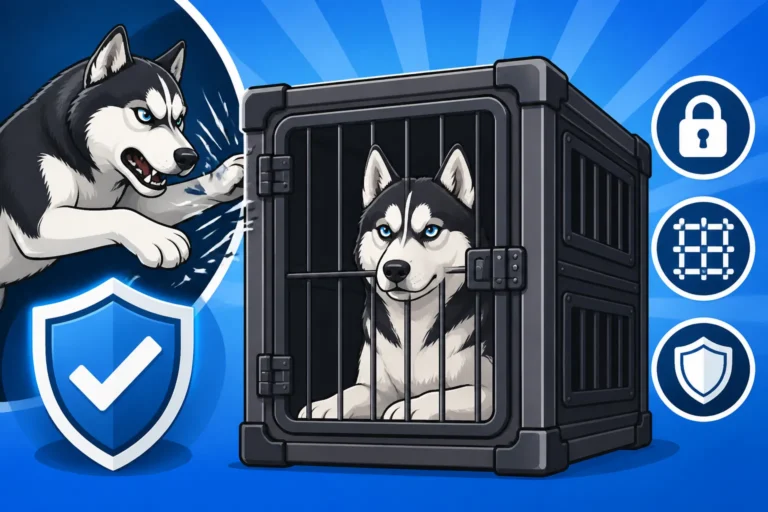
- Impact-Tested Crates: These are the gold standard for vehicle safety. Brands like Gunner and Ruffland offer crates specifically designed and crash-tested to withstand impacts, protecting your dog much like a child safety seat protects a child. They are typically made from durable, rotomolded plastic, which is chew-proof and incredibly sturdy. These are a significant investment but offer unparalleled peace of mind.
For road trips, especially long ones, a sturdy plastic crate or, ideally, an impact-tested crate is usually the best choice for a Siberian Husky. You can find a variety of options on sites like Chewy to compare features and read reviews from other pet parents.
Sizing Up Your Husky for the Perfect Travel Crate Fit
The correct crate size is crucial for both safety and comfort. A crate that's too small will be cramped and uncomfortable, leading to stress. One that's too large, however, allows your Husky to be tossed around more in a sudden stop, increasing the risk of injury.
A good rule of thumb is that your Husky should be able to:
- Stand up comfortably without hitting their head on the top.
- Turn around easily in a full circle.
- Lie down in a natural position with their legs extended.
To measure your Husky, have them stand naturally:
- Length: Measure from the tip of their nose to the base of their tail. Add 4-6 inches to this measurement.
- Height: Measure from the top of their head (or the tips of their ears if they stand erect) to the ground. Add 2-4 inches to this measurement.
Compare these measurements to the interior dimensions of the crate. Remember, you want it snug enough to be safe but roomy enough to be comfortable for several hours at a time. Too much extra space can mean they slide around more inside.
Essential Crate Features for a Comfortable Journey
Beyond size and material, certain features enhance the travel experience:
- Secure Latches: Huskies are smart. Very smart. They can often figure out twist latches or flimsy slides. Look for crates with strong, secure, and potentially double-locking latches that your Husky can't easily manipulate. Siberian Huskies That Learn Gate Latches isn't just for yard fences!
- Good Ventilation: Especially on long drives, proper airflow is vital to prevent overheating, particularly for a double-coated breed like the Siberian Husky. Ensure the crate has ample openings or vents, but small enough that your Husky can't stick their head through and get stuck.
- Easy to Clean: Accidents happen, especially on long trips or with anxious dogs. A crate with a removable pan or smooth, non-porous surfaces will make cleanup much simpler.
- Tie-Down Capabilities: For maximum safety, especially with plastic or impact-tested crates, look for models with tie-down points. These allow you to secure the crate to your vehicle's cargo anchors, preventing it from shifting or becoming airborne in a crash.
- Portability: Consider the weight and any handles if you'll be moving the crate frequently from vehicle to hotel room. Some crates even have wheels or can be folded down, though impact-tested crates are generally quite rigid and heavy.
Budgeting for Your Husky's Road Trip Crate: What to Expect
Let's be real, owning a Siberian Husky comes with its own unique set of expenses, and a travel crate is another item to factor into the budget. The cost can vary wildly depending on the type, size, and brand, but it's an investment in your dog's safety and your peace of mind.
Understanding the Cost Factors
Several elements influence the price tag of a Siberian Husky travel crate:
- Material and Construction: Basic wire crates are generally the most affordable, often ranging from quite low-end to moderate depending on gauge and coating. Standard plastic kennels fall into a mid-range price point. High-end, impact-tested crates, made with specialized rotomolding processes and robust hardware, represent a significant investment, often several times the cost of a basic plastic crate. These are built like tanks for a reason.
- Size: As you might expect, larger crates for larger Huskies will cost more than smaller ones. Given that Huskies are medium-to-large dogs, you'll be looking at the higher end of the size spectrum.
- Brand and Features: Established brands known for durability and safety often command higher prices. Additional features like reinforced doors, advanced ventilation systems, easy-clean designs, and crash-testing certifications all contribute to the cost. Think of it like buying a car seat for a child – you're paying for engineering and safety.
- Where You Buy It: Pet supply stores, online retailers like Chewy, and direct from specialized manufacturers all offer different price points and sales. It pays to shop around, but always prioritize safety and quality over just the lowest price.
While the initial outlay for a quality travel crate might seem steep, remember that it's a one-time purchase that can last for years. Compare this to the potential vet bills from an injury in a crash or the emotional and financial cost of What a Lost Siberian Husky Costs to Recover if they escape an insecure setup.
Beyond the Crate: Essential Accessories and Their Costs
The crate itself is just the beginning. To make it a truly comfortable and safe travel space, you'll want to budget for some accessories:
- Crate Pad/Bedding: A comfortable, durable, and ideally chew-resistant pad or bed will make the crate much more inviting. Look for materials that are easy to wash and provide good cushioning. These can range from simple fleece pads to orthopedic foam, costing anywhere from modest to substantial amounts. Consider if your Husky is a chewer; you might need something more robust.
- Water Bowl: A spill-proof or clip-on water bowl is essential for hydration on the go, preventing messes inside the crate. Some bowls are designed to attach directly to the crate bars.
- Crate Cover: A cover can create a den-like atmosphere, reducing visual distractions and helping anxious Huskies feel more secure. This is particularly helpful for dogs who get overstimulated by passing scenery.
- Toys/Chews: Provide a durable, safe chew toy to keep your Husky occupied during the journey. Something non-squeaky and not easily destroyed is best.
- Treats: High-value treats are invaluable for positive reinforcement during crate training and to make the crate a positive experience. Brands like Ollie offer fresh, high-quality treats that many Huskies adore and will work for.
- Secure Tie-Down Straps: If your chosen crate doesn't come with a securement system, heavy-duty straps are crucial for anchoring it to your vehicle's cargo hooks. This is not an optional extra for safety.
Making the Crate a Safe Haven on the Road
A travel crate isn't just about containment; it's about creating a familiar, secure space for your Husky in unfamiliar environments. Properly preparing them and the crate itself can make all the difference between a stressful journey and a smooth adventure.
Crate Training Your Husky for Road Trip Success
You can't just throw your Husky in a crate for the first time and expect a happy traveler. Crate training is a gradual process that builds positive associations. Start weeks, if not months, before your trip.
- Introduce the Crate at Home: Place the crate in a quiet, comfortable area of your home. Leave the door open, put a comfy bed inside, and toss in high-value treats or toys. Let your Husky explore it on their own terms.
- Positive Reinforcement: Encourage your Husky to enter the crate with treats and praise. Feed them meals inside the crate with the door open, then with the door closed for short periods. Gradually increase the duration.
- Short Practice Sessions: Begin with short periods of crating while you're home, then gradually leave them for longer. Never use the crate for punishment; it should always be a safe, positive place. If your Husky exhibits extreme anxiety, A Siberian Husky That Panics in a Crate needs a slower, more patient approach, perhaps with professional guidance.
- Introduce to the Car: Once your Husky is comfortable with the crate at home, place it in your vehicle. Start with short drives around the block, slowly increasing the duration. Always reward calm behavior.
- Simulate a Road Trip: Practice packing the car, loading the crate, and taking drives that mimic sections of your actual trip. This helps normalize the routine.
Setting Up a Cozy and Secure Environment
A comfortable crate makes for a happier traveler. Think of it as their portable bedroom.
- Comfortable Bedding: A soft, familiar bed or blanket will provide cushioning and absorb some of the bumps of the road. Use bedding that smells like home to add a sense of security.
- Familiar Toys/Chews: A favorite, durable chew toy can provide mental stimulation and comfort. Avoid toys that could be choking hazards or easily destroyed.
- Water Source: A clip-on water bowl ensures they stay hydrated without soaking the crate. Offer water during rest stops, and ensure they have access to it in the crate if the trip is very long.
- Proper Placement in the Vehicle: The crate should be placed in a secure spot, ideally in the cargo area or across the back seats, and properly anchored. Avoid placing it where it can slide or tip easily. Ensure it doesn't block your rearview mirror or interfere with airbags. Good airflow around the crate is also important, especially for a thick-coated breed like a Husky.
- Consider a Crate Cover: For some Huskies, especially those prone to overstimulation or anxiety, a breathable crate cover can help them relax by reducing visual input and creating a cozy, den-like atmosphere.
Dealing with Roadside Emergencies and Unexpected Stops
Even with the best planning, road trips can have unexpected twists. A securely crated Husky can make these situations much less stressful.
Imagine a flat tire on a busy highway shoulder. If your Husky is loose in the car, trying to manage a panicked dog while also dealing with vehicle repairs in a dangerous location is a nightmare. With a crated Husky, you know they are safe and contained, allowing you to focus on the immediate issue.
Similarly, an unexpected overnight stay at a hotel that isn't particularly dog-friendly becomes manageable if your Husky is comfortable and quiet in their crate. It provides a familiar space in a strange room. Even a visit to a veterinarian along the way, if an issue arises, is easier with a dog accustomed to being crated. This preparedness can also be a factor in potential pet insurance claims, as a well-cared for pet is often less stressed. Healthy Paws and similar companies often emphasize preventative care and safe practices.
By investing in the right crate and taking the time for proper training and setup, your Siberian Husky can become a fantastic road trip companion, making memories with you safely and comfortably for years to come.
Disclaimer
This article is for general informational purposes only and does not constitute professional advice. Laws, prices and regulations vary by location and change over time. Consult a qualified professional for guidance on your specific situation.